Build Bigger Arms With the Best Tricep Exercises for Mass
Learn how to train your triceps the right way, avoid common plateaus, and build bigger, stronger arms with smart strength training.
Most people who want bigger arms go straight for bicep curls. They stack plates, chase the pump, and wonder why their sleeves still fit the same months later. The frustration is real. You train consistently, your arms feel tired, but the size in the mirror never quite catches up.
What many people miss is simple. The triceps, not the biceps, are where real arm size comes from. These muscles make up roughly two-thirds of your upper arm. If your goal is thicker, fuller, more powerful arms, this is where your focus has to shift.
The best tricep exercises for mass do more than just tire out your arms. They change how your sleeves fit. They change how your presses feel. They build the density that actually makes arms look big, not just flexed.
This guide breaks down how triceps grow, which exercises actually build size, how to program them properly, and how to avoid the plateaus that stop most people halfway to their goal.
If you’re training to build muscle, this guide is for you.
Why Your Arms Stay “Small” Even When You Train Them
You can train your arms for years without ever seeing major growth if your approach misses a few critical elements.
Triceps Drive the Width of Your Arms
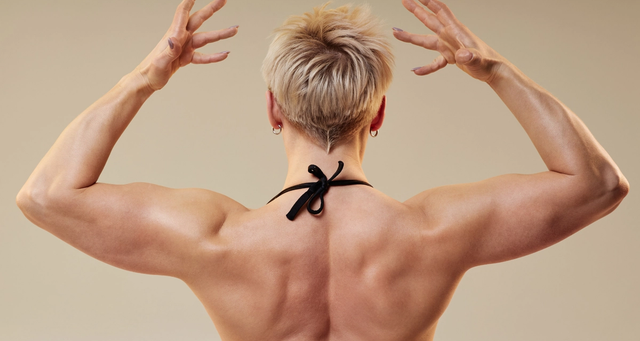
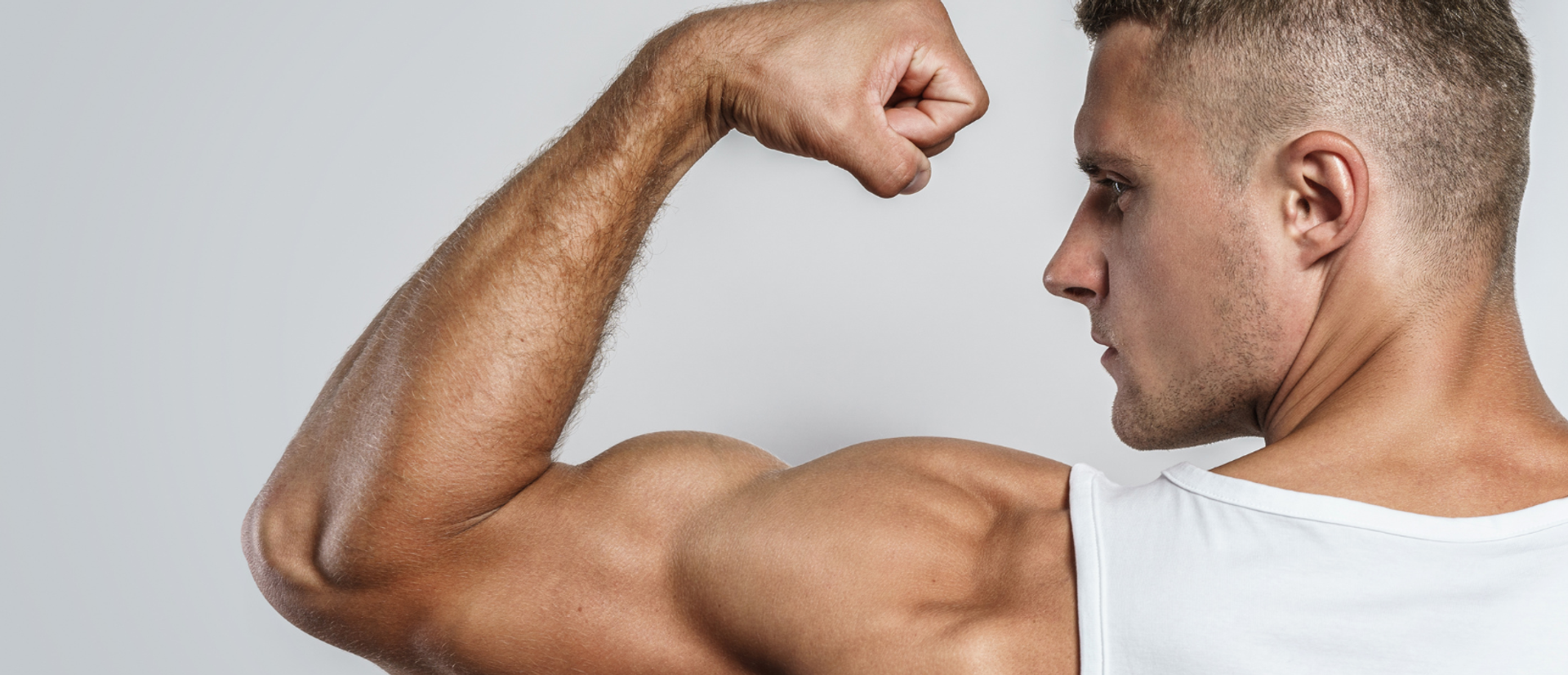
When you look at your arms from the side, most of what you see is triceps. The long and lateral heads create the thickness that pushes the fabric outward. If they are undertrained, your arms stay narrow even if your biceps look decent when flexed.
This is why some people look strong in a mirror pose but still feel disappointed in day-to-day outfits. Visual arm size comes from the back of the arm as much as, if not more than, the front.
Bicep-Only Training Creates Imbalance
Many arm strength training programs lean heavily toward biceps. Curls feel satisfying. The pump is obvious. But this leads to uneven development. The front of the arm grows while the back lags, creating a flat appearance rather than balanced mass.
Over time, this imbalance can also affect pressing strength and elbow health. Strong triceps support the joints during push-ups, presses, and everyday pushing tasks.
The Anatomy Behind Bigger Triceps
To build real mass, it helps to understand what you are training.
Long Head: The Key to Arm Thickness
The long head runs along the back of your arm and crosses both the elbow and shoulder joint. It is the largest of the three heads and contributes most to the overall thickness of your upper arm.
Overhead movements that stretch the arm place the greatest demand on this portion of the triceps. If your program avoids overhead work, overall arm size usually stalls.
Lateral Head: The Visible Shape
The lateral head sits on the outer side of the arm and forms the classic horseshoe shape when flexed. This portion responds well to pressing and straight-arm extension work.
When developed properly, it gives your arms that sharp, athletic contour that shows even at rest.
Medial Head: The Foundation of Strength
The medial head lies beneath the other two and supports elbow stability and endurance. While it does not add significant size on its own, it plays a major role in how strong and durable your triceps feel during heavy training.
All three heads contribute to mass, stability, and function. The best tricep exercises for mass intentionally hit all of them through different joint angles and resistance styles.
Why Triceps Respond So Well to Direct Mass Training
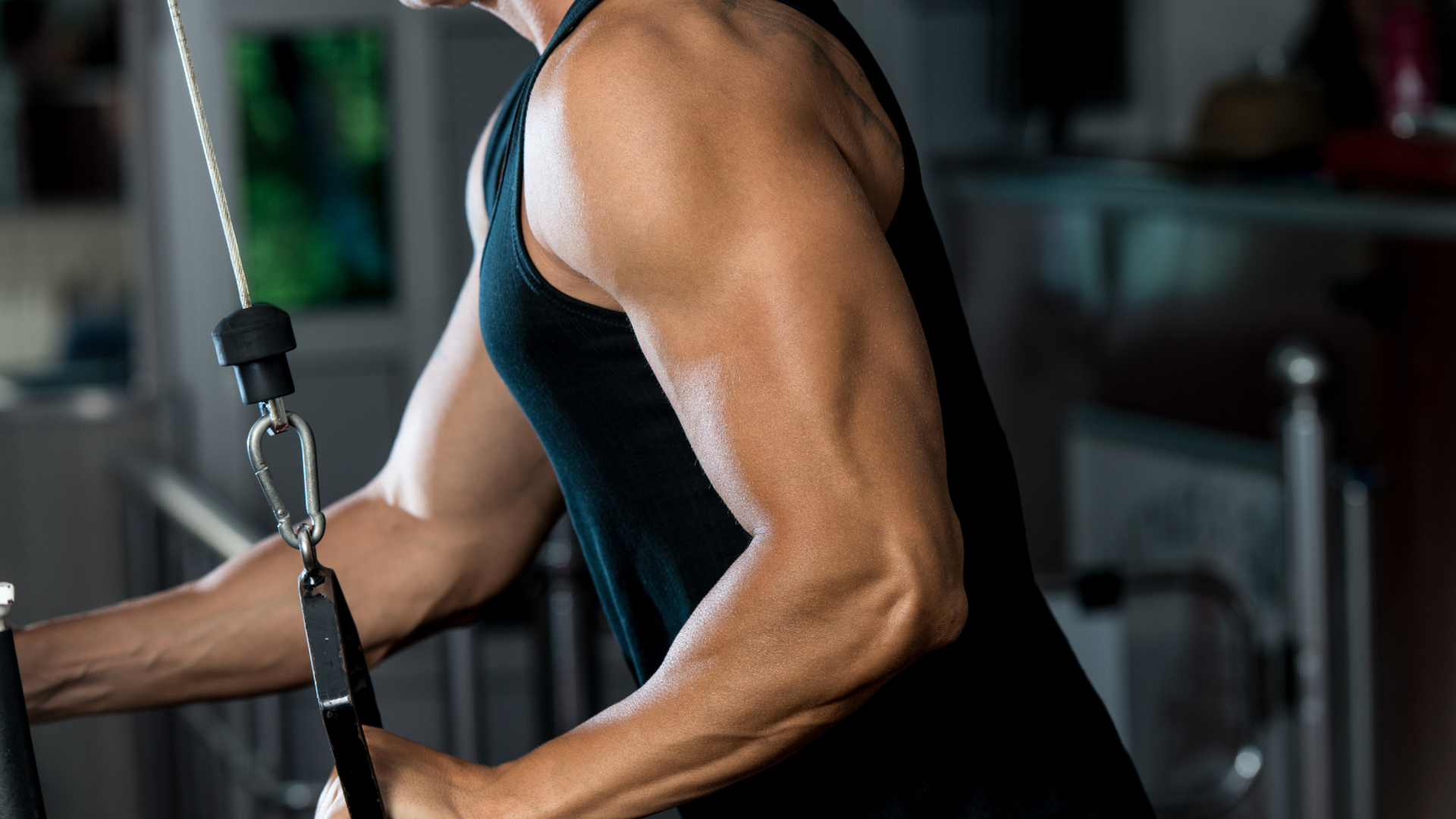
Triceps are involved in many pushing movements, but secondary activation is rarely enough to stimulate real growth.
They contain a high percentage of fast-twitch muscle fibers, which respond best to moderate-to-heavy loads under controlled tension. When trained directly with intent, they adapt quickly.
People often notice visible changes in the triceps within weeks of proper programming. Sleeves start to tighten. Pressing strength improves. Arm pump becomes noticeable even outside the gym.
That fast response is also why sloppy programming stalls fast. If volume, load, and recovery are not managed well, elbow irritation and plateau follow just as quickly.
Start your Svetness journey today
Get a free consultation and see how our trainers can transform your wellness journey.
The Best Tricep Exercises for Mass
The following movements form the core of effective triceps mass training. They work in both home and gym environments and can be scaled based on available equipment.
Each exercise includes form cues that protect your joints while maximizing muscle tension.
Close-Grip Push-Ups
Close-grip push-ups serve as both a strength builder and a triceps mass driver, especially for home training.
Place your hands just inside shoulder width beneath your chest. Keep your elbows close to your sides as you lower your body under control. Press back up by driving your palms into the floor and fully extending your elbows at the top.
Slow the lowering phase to increase time under tension. This alone can turn a basic push-up into a serious triceps builder.
These are ideal for beginners and advanced lifters alike because the load can be modified easily through body angle and tempo.
Bench Dips
Bench dips allow you to load the triceps heavily using body weight.
Sit on a sturdy chair or bench and place your hands next to your hips. Slide your body forward and straighten your legs or bend them to adjust the difficulty. Lower yourself until your elbows reach about ninety degrees. Press back up without locking out harshly at the top.
To increase intensity, elevate your feet or hold added weight on your lap. Keep your shoulders down and your chest tall throughout the movement to prevent joint strain.
Overhead Dumbbell Extensions
This exercise places the greatest stretch on the long head of the triceps, making it one of the most important for total arm mass.
Hold one dumbbell with both hands overhead. Keep your elbows close to your ears. Lower the weight behind your head until your arms are fully bent. Extend back to the top using control.
Avoid flaring your elbows outward. The deeper stretch at the bottom is what stimulates growth in the long head.
Tricep Kickbacks
Kickbacks isolate the lateral head and improve visible separation at the back of the arm.
Hold a light-to-moderate dumbbell in one hand. Hinge at the hips until your torso is nearly parallel to the floor. Bend your elbow to ninety degrees, then extend your arm straight back until it is fully straight. Pause briefly and squeeze before returning slowly.
This movement works best with strict form and moderate loads. Heavy weight often shifts tension away from the triceps and into momentum.
Diamond Push-Ups
Diamond push-ups intensify the triceps load through a narrow hand position.
Place your hands in a diamond shape beneath your chest using your thumbs and index fingers. Lower your body under control. Keep your elbows tight against your ribs as you press up.
These are demanding and can be modified by performing them from the knees. When done strictly, they create deep triceps fatigue even in advanced lifters.
Skull Crushers
Skull crushers allow you to load the triceps through a large range of motion.
Lie on a bench and hold dumbbells or a bar with arms extended above your chest. Bend only at the elbows as you lower the weight toward your forehead or slightly behind your head. Press back to full extension using your triceps alone.
Lowering the weight behind your head instead of to your forehead increases the stretch on the long head and often improves growth.
Cable or Band Pushdowns
Pushdowns provide constant tension throughout the entire movement, making them ideal for hypertrophy work.
Stand tall with elbows pinned to your sides. Grip the bar, rope, or band handles and press straight down until your arms are fully extended. Control the return and avoid letting your shoulders rise.
Pause briefly at the bottom to reinforce full contraction.
Close-Grip Bench Press
This compound movement allows you to move a heavier load than isolation exercises and drives dense triceps mass.
Grip the bar slightly inside shoulder width. Lower it to your mid-chest while keeping your elbows tucked. Press upward while extending your elbows fully.
This exercise heavily recruits the triceps while also assisting chest and shoulder development. It is one of the strongest mass drivers when programmed correctly.
The Training Setup Behind Bigger Triceps
Doing the right exercises only works if they are programmed correctly.
Volume and Frequency
For most people, two to three direct triceps sessions per week is ideal for mass. Each session should include ten to sixteen total working sets across two to four exercises.
This provides enough stimulus for growth without overwhelming the elbows.
Rep Ranges That Build Size
Mass generally responds best to moderate rep ranges with controlled tempo.
- 6 to 10 reps for heavy compound movements
- 10 to 15 reps for isolation work
- 15 to 20 reps for lighter finishers and metabolic stress
Mixing these ranges within a program creates balanced growth across all fiber types.
Progressive Overload Without Joint Pain
Growth requires increasing challenge over time. That increase can come from:
- Adding small amounts of weight
- Improving rep quality
- Extending time under tension
- Increasing total weekly volume
If your elbows begin to ache, scale back the load before scaling back frequency. Often, joint discomfort comes from poor warm-ups or overly aggressive jumps in weight.
A Sample Tricep Workout for Mass
This routine works at home or in a gym and fits easily into a thirty- to forty-minute session.
Warm up with light band pressdowns, arm circles, and wall push-ups.
Main routine:
Close-Grip Bench Press4 sets of 6 to 8 reps
Overhead Dumbbell Extensions3 sets of 10 to 12 reps
Bench Dips3 sets of 10 to 15 reps
Tricep Kickbacks2 sets of 15 reps as a finisher
Cool down with light stretching for the triceps and shoulders.
Run this session twice per week with at least one rest day between heavy pressing.
Common Tricep Training Mistakes That Stall Growth
Many people train hard but sabotage progress with simple errors.
Using too much weight turns isolation exercises into shoulder movements. Flaring elbows during presses shifts work away from the triceps. Skipping warm-ups increases joint stress. Ignoring recovery leads to chronic soreness that blunts training quality.
Another common mistake is rotating exercises too often. Muscles grow when they adapt to consistent stimulus. Constantly changing movements prevents progressive overload from taking hold.
How Nutrition and Recovery Support Arm Mass
Training builds the signal. Nutrition and recovery determine whether the body responds to it.
Protein intake should remain steady across the day to support muscle repair. Complex carbohydrates provide training fuel and help sustain intensity across volume work. Healthy fats support hormone balance and joint health.
Hydration directly affects muscle performance and joint comfort. Dehydration often shows up as early elbow irritation during arm training.
Sleep remains the most underestimated growth factor. Triceps recover during rest, not while lifting. Chronic sleep deficits slow both strength gains and muscle size changes.
Using In-Home Personal Training to Speed Up Tricep Growth
Triceps exercises look simple. In practice, small form errors often prevent real growth.
At Svetness, our in-home personal training programs teach clients how to load the triceps correctly without shifting stress into the shoulders or elbows. Trainers watch elbow position, shoulder alignment, pacing, and fatigue patterns in real time.
Programs are adjusted based on how your joints respond, not just how much weight you lift. If one side lags behind, volume is redistributed. If recovery dips due to work stress or poor sleep, load is scaled without stopping momentum.
This hands-on structure allows people to train with more confidence, push harder safely, and avoid the trial-and-error phase that often wastes months.
The Bottom Line: Training Triceps for Bigger Arms
Big arms are not built through biceps alone. They are built through steady, focused triceps work that challenges all three heads of the muscle.
The best tricep exercises for mass create thickness, strength, and visible shape when they are trained with consistent overload, proper recovery, and intelligent volume control.
You do not need extreme programs or shortcuts. You need repeatable effort, sound technique, and patience.
And if you want guidance that adapts to your schedule and current fitness level, in-home personal training with Svetness helps you apply these principles consistently and confidently right where you train.
Ready to experience the benefits for yourself? Book a free Svetness consultation.
> Free Consultation: Get Your Personalized Plan
FAQs
How long does it take to build noticeable triceps mass?
Most people notice early firmness within four to six weeks of consistent training and proper nutrition. Clear size changes usually appear between eight and twelve weeks, depending on volume, recovery, and starting point.
Can you build triceps mass using only body weight?
Yes, especially with movements like close-grip push-ups, dips, and diamond push-ups. Progress can be driven by a slower tempo, changes in leverage, or added resistance through bands or plates.
How many days per week should you train triceps for size?
Two to three focused sessions per week work best for most people. This supports growth while reducing strain on the elbows and shoulders.
Why do my triceps feel tired but never grow?
This often points to limited progressive overload or poor recovery rather than a lack of effort. Many routines also prioritize pump over true mechanical tension, which slows visible hypertrophy.
Start your Svetness journey today
Get a free consultation and see how our trainers can transform your wellness journey.