Your Gentle Postpartum Exercise Plan for Core Recovery
Rebuild strength safely with a gentle postpartum exercise plan. Learn how to restore your core, regain energy, and recover with guidance from Svetness trainers.
The weeks after giving birth feel unlike any other season of life.
Your days are shaped by feeding schedules, short stretches of sleep, and learning the language of a newborn. At the same time, your body is doing deep internal work. Tissues are healing. Hormones are shifting. Muscles that carried you through pregnancy are learning how to support you again.
It is natural to want to move your body and feel like yourself again. It is also natural to feel uncertain about how and when to begin. Many new moms sit in that in-between space, eager for strength yet cautious about strain.
That is where a thoughtful postpartum exercise plan becomes essential.
And no, your plan shouldn’t involve pushing through discomfort or chasing a version of your body that existed before pregnancy. It is about steady rebuilding, restoring trust in your movement, and creating strength that supports your life as it is now.
Why Postpartum Exercise Needs a Different Approach
After pregnancy, the body does not reset on a schedule. It unwinds gradually, and every system has its own pace. Your abdominal wall has stretched. Your pelvic floor has carried new pressure. Hormones that once softened ligaments still linger for a time. Posture shifts forward during pregnancy and needs conscious support to return to balance.
All of this changes how your body handles movement after birth.
Rushing back into high-impact exercise, running, or intense abdominal training too early can lead to setbacks. Common issues include persistent lower back discomfort, pelvic pressure, leaks during activity, and delayed healing of abdominal separation. These outcomes are not signs of failure. They are often signs that the body needs more time and gentler progression.
A safe postpartum exercise plan prioritizes reconnection over intensity. The goal is to rebuild stability before power, coordination before speed, and confidence before load. When those layers are restored in order, strength returns in a way that feels supportive rather than forced.
Step One: Reconnecting With Breath and Deep Core
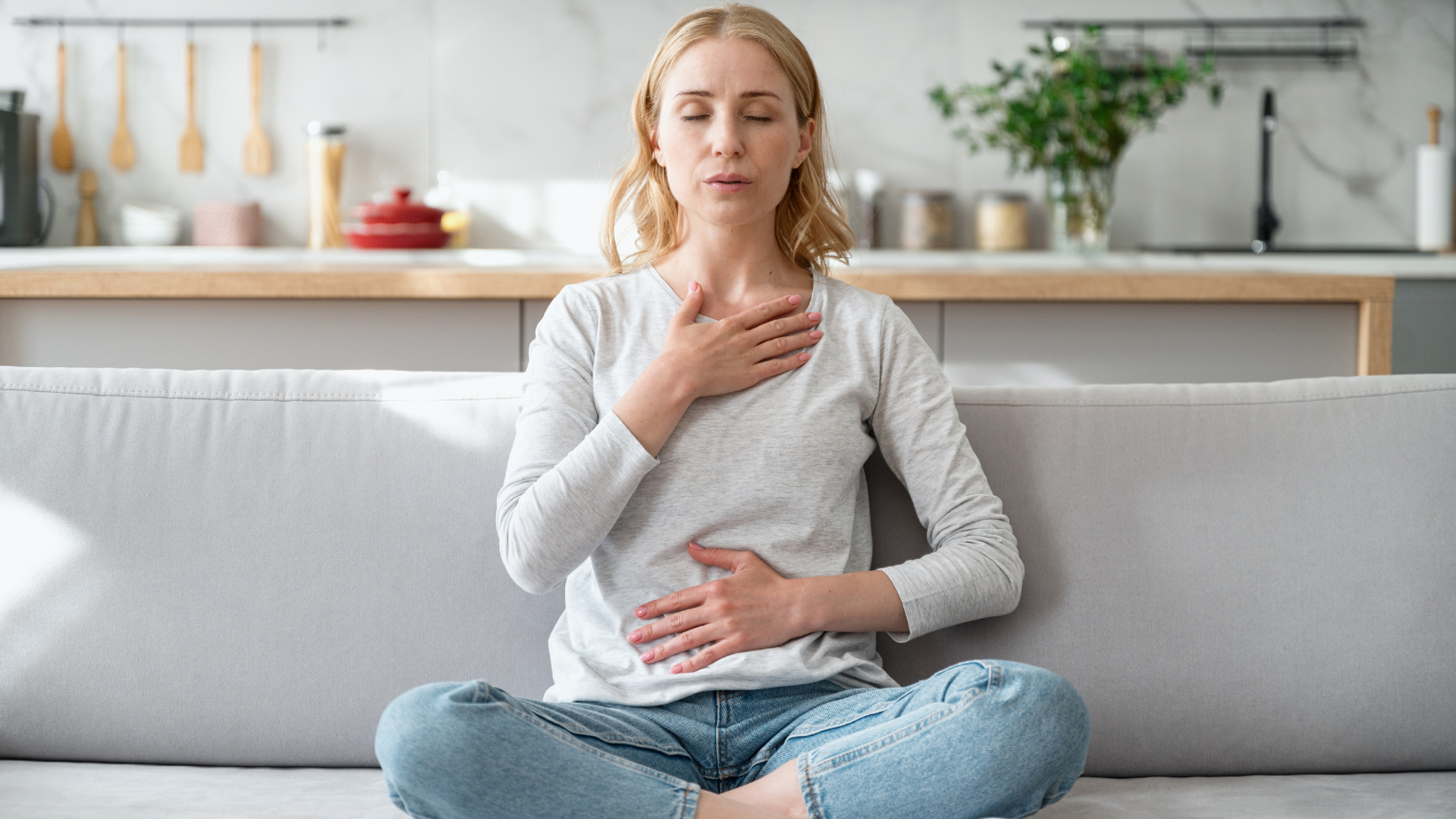
Before any visible muscle work begins, the deepest layer of the core needs attention. During pregnancy, breathing mechanics shift as the rib cage expands and the growing uterus alters diaphragm movement. After birth, many women continue breathing shallowly without realizing it. That pattern affects posture, tension, and core stability.
Breathing becomes the starting point of recovery because it reconnects the diaphragm, pelvic floor, and deep abdominal muscles as one system.
A simple breathing practice can begin even while resting with your baby nearby:
Lie on your back or side with knees bent, or sit comfortably with your spine supported. Place one hand on your rib cage and one on your abdomen. Inhale slowly through your nose, allowing the ribs and belly to expand naturally. Exhale through your mouth and gently draw the belly inward as if zipping up a jacket. Keep the movement soft and controlled. Repeat for five to ten breaths at a time.
This small ritual does more than calm the nervous system. It restores the foundation of core control. Over time, it reduces strain through the lower back, supports posture during feeding, and prepares the body for future strength work.
Step Two: Restoring Pelvic Floor Strength and Control
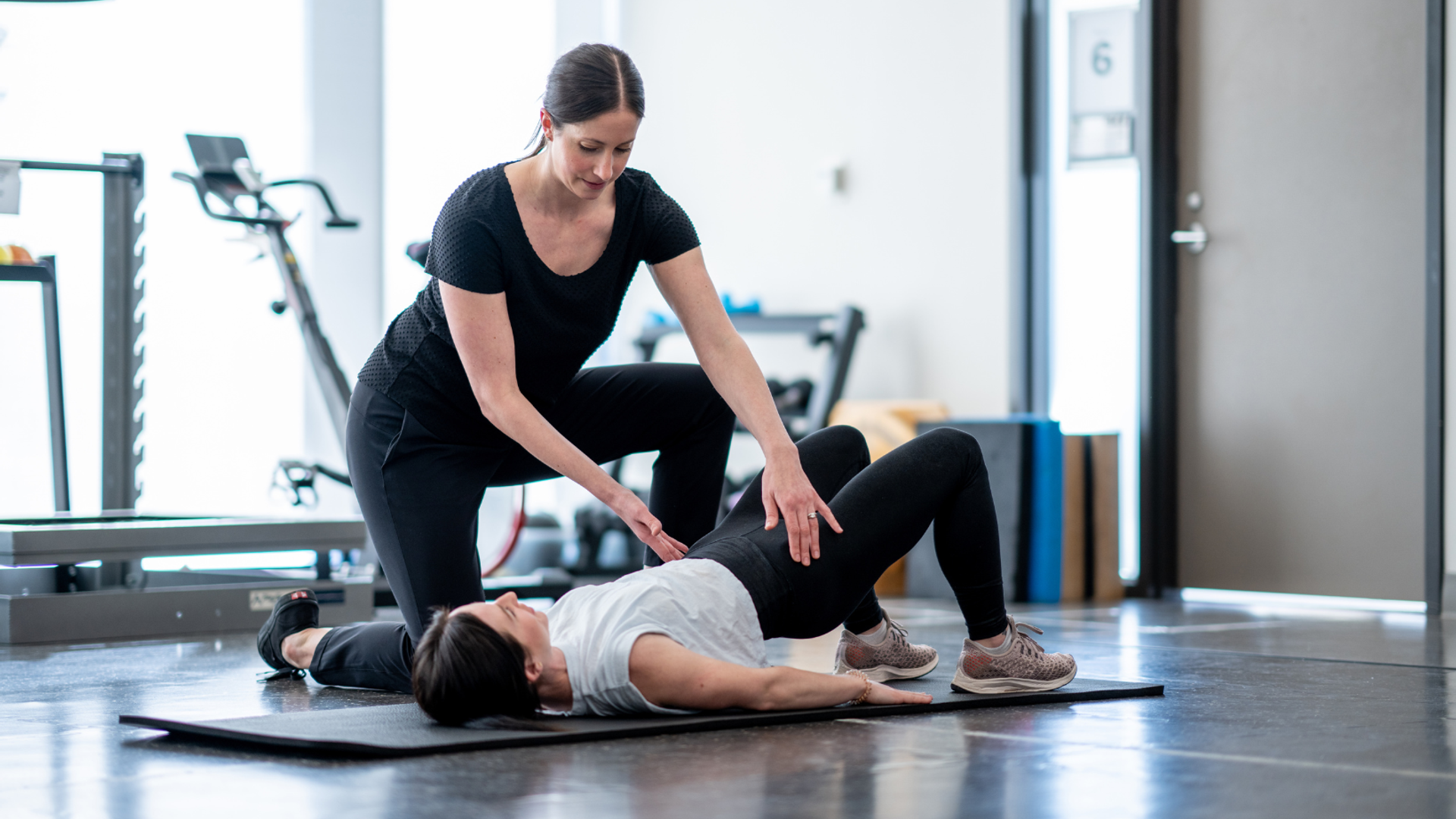
The pelvic floor sits at the base of the core, yet its influence extends into nearly every movement you make. It supports the bladder, uterus, and bowel. It contributes to posture and breathing. It also plays a role in confidence during daily activity.
Pregnancy and delivery stretch these muscles in ways that require patient retraining afterward. Even women who had uncomplicated births benefit from gentle pelvic floor work.
Pelvic floor lifts, often known as Kegels, remain one of the most practical early tools when performed with care. The focus is not squeezing harder. It is building awareness and control.
Sit or lie in a relaxed position. Gently engage the muscles you would use to stop the flow of urine. Hold the lift for three to five seconds, then fully relax for five to ten seconds. Repeat eight to ten times, once or twice each day. Breathing should remain steady and unforced.
Early progress feels subtle. Control increases before strength becomes obvious. Over time, this foundation supports bladder control, core stability, and confidence in movement. If discomfort, heaviness, or pain appears, a pelvic health professional can provide individual guidance.
Step Three: Walking and Gentle Mobility as the First Real “Workout”

Once you are medically cleared for physical activity, usually several weeks after birth, walking becomes the first true form of structured movement for many women. It asks little of the body yet offers meaningful return. Circulation improves. Mood lifts. Muscles begin working in coordination again.
Walking is an underrated form of exercise. Ten minutes outside can feel as restorative as a formal workout at this stage. Duration and pace increase as energy allows.
Gentle mobility pairs naturally with walking during early recovery. Shoulder rolls relieve tension built up from holding and feeding. Cat-cow movements restore spinal motion. Seated hip circles ease stiffness through the pelvis that often remains after delivery.
These early sessions are less about exertion and more about rebuilding trust. Each walk tells the body that movement feels safe again. That confidence makes everything that follows easier.
Step Four: Rebuilding Core and Foundational Strength
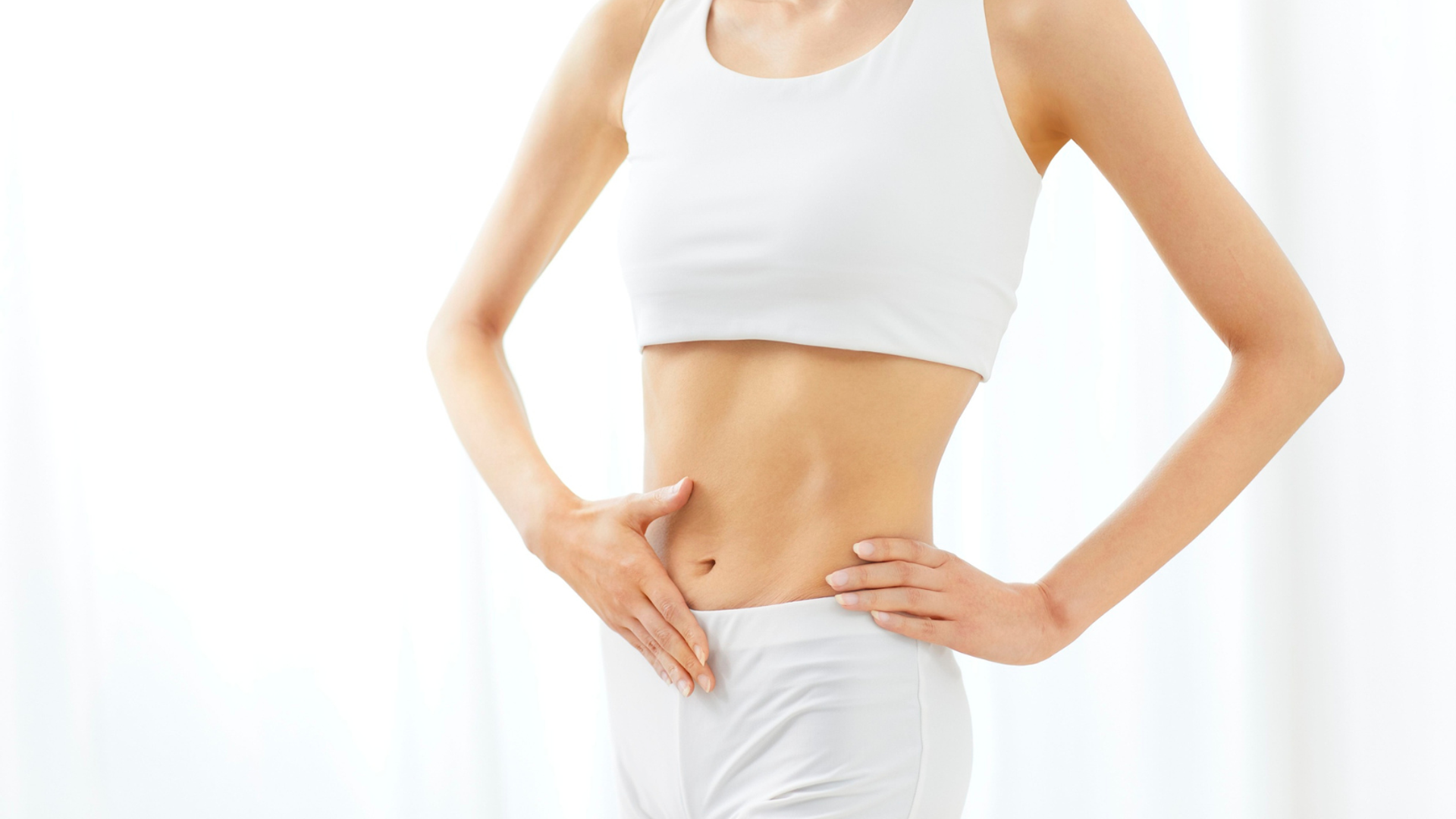
As breathing, pelvic floor control, and walking become comfortable, the body is ready for a new layer of work. This stage shifts from pure healing into rebuilding basic core strength for daily tasks.
A growing baby places steady demands on the arms, back, hips, and core. Getting up from the floor, lifting a carrier, and carrying groceries all require stability through multiple muscle groups at once.
Foundational strength exercises retrain these patterns in a controlled setting. Glute bridges strengthen the hips and support the lower back. Wall sits build endurance in the legs without joint strain. Modified push-ups develop upper-body strength without overloading the core. Standing band rows improve posture and back support.
Traditional abdominal exercises, such as sit-ups, stay out of this phase. Instead, the deep core is trained through breath, posture, and controlled movement. This approach reduces strain on healing tissue while still rebuilding real-world strength.
Step Five: Gradual Return to Light Strength and Stability Training
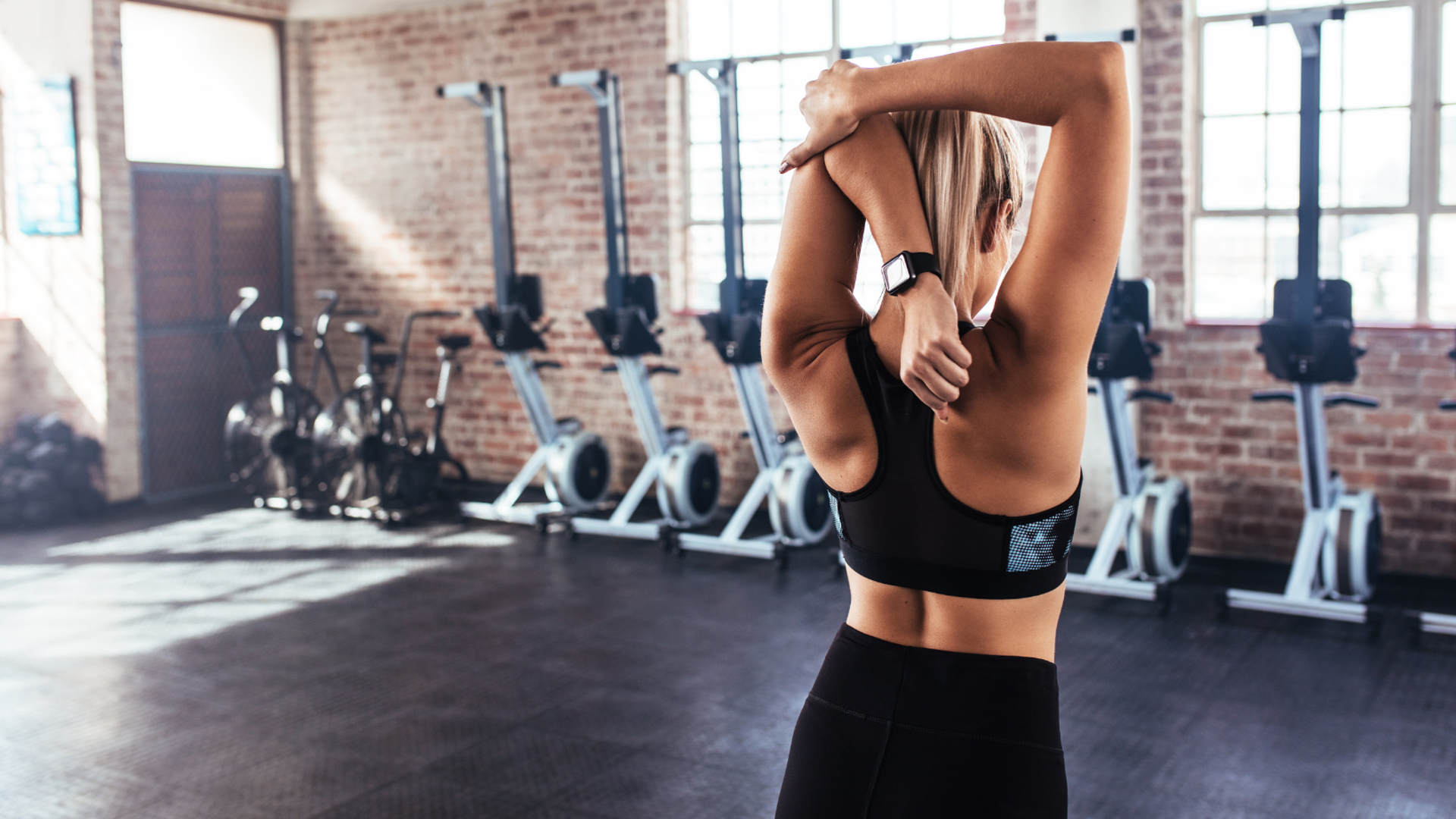
Several months into steady recovery, many women begin to feel a noticeable shift. Movements feel smoother. Daily tasks feel less taxing. Energy begins to return in longer waves. This is often when light strength and balance work can expand more noticeably.
This stage does not signal a return to full intensity. It marks a careful reawakening of power.
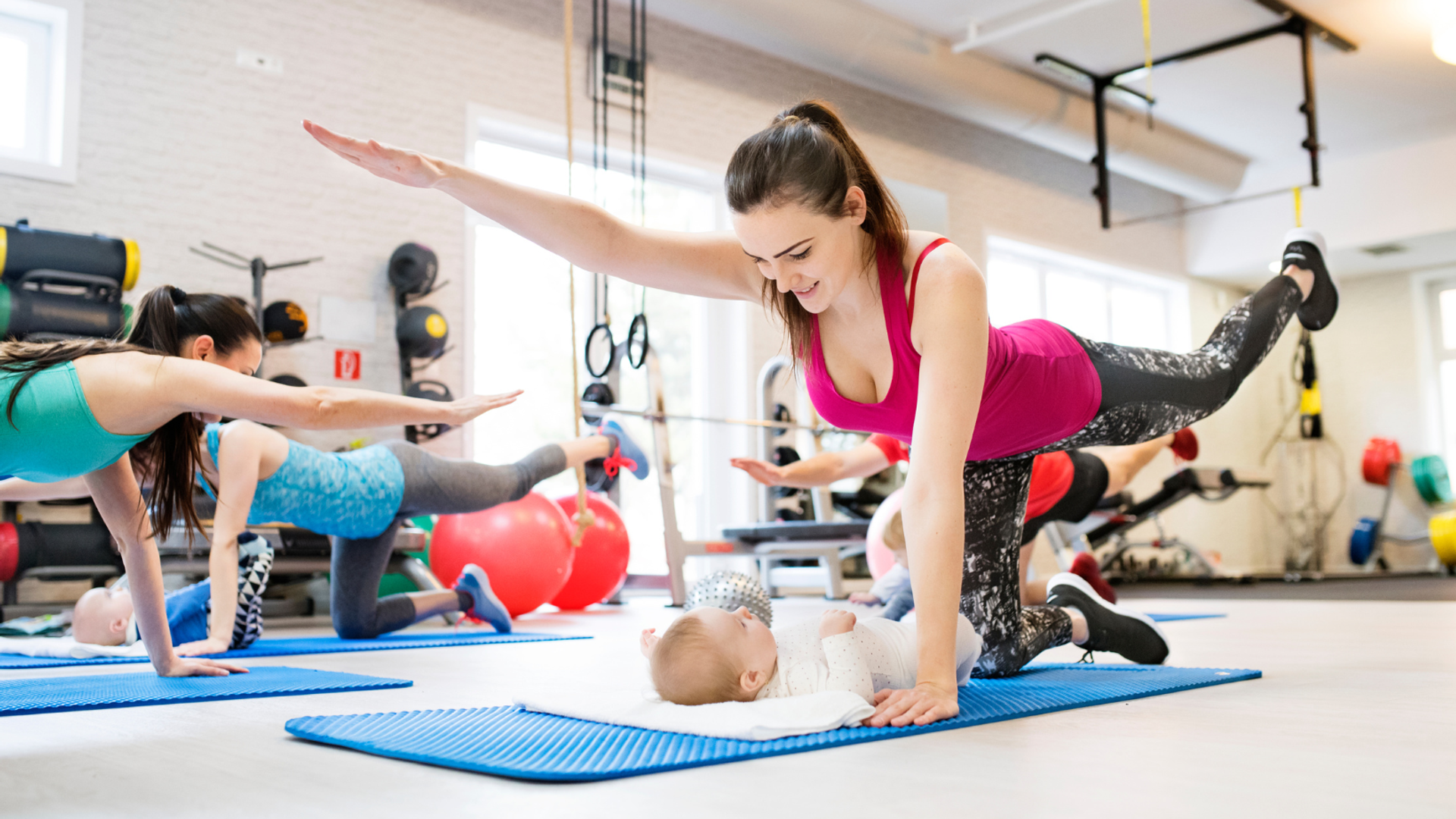
Light dumbbell work for the arms and shoulders, resistance band exercises for hips and back, supported squats, step-ups, and balance drills all become useful tools. These movements restore coordination between the core and limbs and prepare the body for more dynamic tasks later on.
Postpartum strength feels different from pre-pregnancy strength. Many women notice new limitations alongside surprising new capabilities. That contrast is part of the rebuilding process. The goal is not to rush past it but to let the body adapt on its own schedule.
Start your Svetness journey today
Get a free consultation and see how our trainers can transform your wellness journey.
Listening to Your Body as Recovery Evolves
One of the most overlooked parts of any postpartum exercise plan is its need to remain flexible. Recovery does not follow a clean upward line. Sleep disruption, feeding demands, emotional shifts, and hormonal changes all influence how the body responds to movement.
Some weeks feel steady and strong. Other weeks feel heavier without warning. Pain, persistent pelvic pressure, or lingering fatigue are not obstacles to push through. They are signals to adjust.
Rest does not mean regression. Often, it allows the body to integrate the work already done. Likewise, gentle progression does not require perfection. Short, consistent sessions carried out calmly often deliver lasting results.
You are not returning to an old body. You are building strength in a new one.
Postpartum Recovery After a C-Section
A C-section adds another layer to postpartum recovery. In addition to muscular and hormonal changes, the body is also healing from abdominal surgery. This influences early movement, core control, and fatigue in ways that differ from vaginal birth.
Early Healing and Gentle Movement After a C-Section
Early recovery after a C-section centers on circulation, posture, and breath. Simple breathing encourages blood flow and gentle core engagement. Short periods of walking, once approved by a doctor, restore upright movement and reduce stiffness. Scar sensitivity often remains present during these early weeks, and motion may feel guarded at first.
Posture support becomes especially important since abdominal healing can change how the body distributes load when standing and lifting.
Rebuilding Core Strength After a C-Section
Abdominal healing takes more time after surgery. Deep core activation through breathing and gentle pelvic floor work usually begins first. More demanding core exercises return later and progress carefully. Each stage depends on how tissue heals and how the body responds to gradual load.
For many women, guidance during this phase prevents frustration and setbacks. A well-paced postpartum exercise plan respects both muscular recovery and surgical healing.
Nutrition, Rest, and the Less Visible Side of Recovery
Exercise forms only one part of postpartum strength. The body also needs fuel, fluids, and rest to rebuild effectively.
Protein supports tissue repair. Iron replenishes stores often lowered during delivery. Calcium continues supporting bone health, especially during breastfeeding. Hydration influences everything from energy levels to muscle recovery.
Sleep rarely arrives in continuous blocks during postpartum life. Short naps, quiet rest periods, and simplified schedules still contribute to healing. Recovery draws from all these resources together, not movement alone.
Under-fueling or chronic dehydration can slow progress even when exercise feels consistent. Gentle awareness around nutrition often pays off more than strict plans at this stage.
How In-Home Personal Training Fits into Postpartum Recovery
Postpartum recovery often happens in narrow windows between feeds, naps, and unpredictable daily demands. That reality makes strength training for women difficult, even when motivation is present. In-home personal training meets the body where it is rather than asking it to fit into rigid gym schedules.
Working with a trainer inside your own space reduces many common postpartum barriers. There is no commute. There is no need to coordinate childcare. Sessions flow around your energy rather than against it.
Postpartum-informed trainers watch for subtle signs of fatigue, strain, and compensation patterns that are easy to miss when practising alone. They adjust breathing, positioning, and pace in real time. Over weeks, they layer progress steadily without overwhelming recovery.
At Svetness, our in-home personal trainers support postpartum recovery as a process, not a quick fix. Sessions adapt around healing timelines, feeding demands, and changing energy levels. This kind of structure often brings calm back into movement at a time when both body and life feel unpredictable.
Bottom Line: Rebuilding Strength at the Pace Your Body Sets
A postpartum exercise plan is not a race. It is a gradual return to stability, control, and confidence. Breath comes first. Pelvic floor follows. Mobility opens space for strength. Strength steadily supports daily life again.
The changes unfold subtly. Posture improves. Energy grows steadier. Confidence returns in small moments that begin to add up.
If you would like calm, individualized support as you navigate this stage, in-home training through Svetness offers a practical way to rebuild strength where your life already happens.
> Claim Your Free Consultation
FAQs
When is it safe to start a postpartum exercise plan?
Gentle breathing and pelvic floor work often begin within days of birth, once medically approved. Walking and light movement usually start several weeks later, depending on delivery type and individual recovery.
Can postpartum exercise help with diastasis recti?
Yes. A structured postpartum exercise plan that emphasizes deep core engagement and avoids early strain supports healing and improved abdominal function over time.
Is lingering weakness normal months after birth?
Yes. Pregnancy, delivery, disrupted sleep, and hormonal changes influence strength and energy well into the postpartum months. Gradual movement and proper recovery support progress.
Is in-home personal training helpful for postpartum recovery?
Many women find in-home training supportive because it removes logistical barriers and provides individualized progression based on real recovery needs. At Svetness, trainers are experienced in postpartum-safe movement and gradual strength rebuilding.
Start your Svetness journey today
Get a free consultation and see how our trainers can transform your wellness journey.