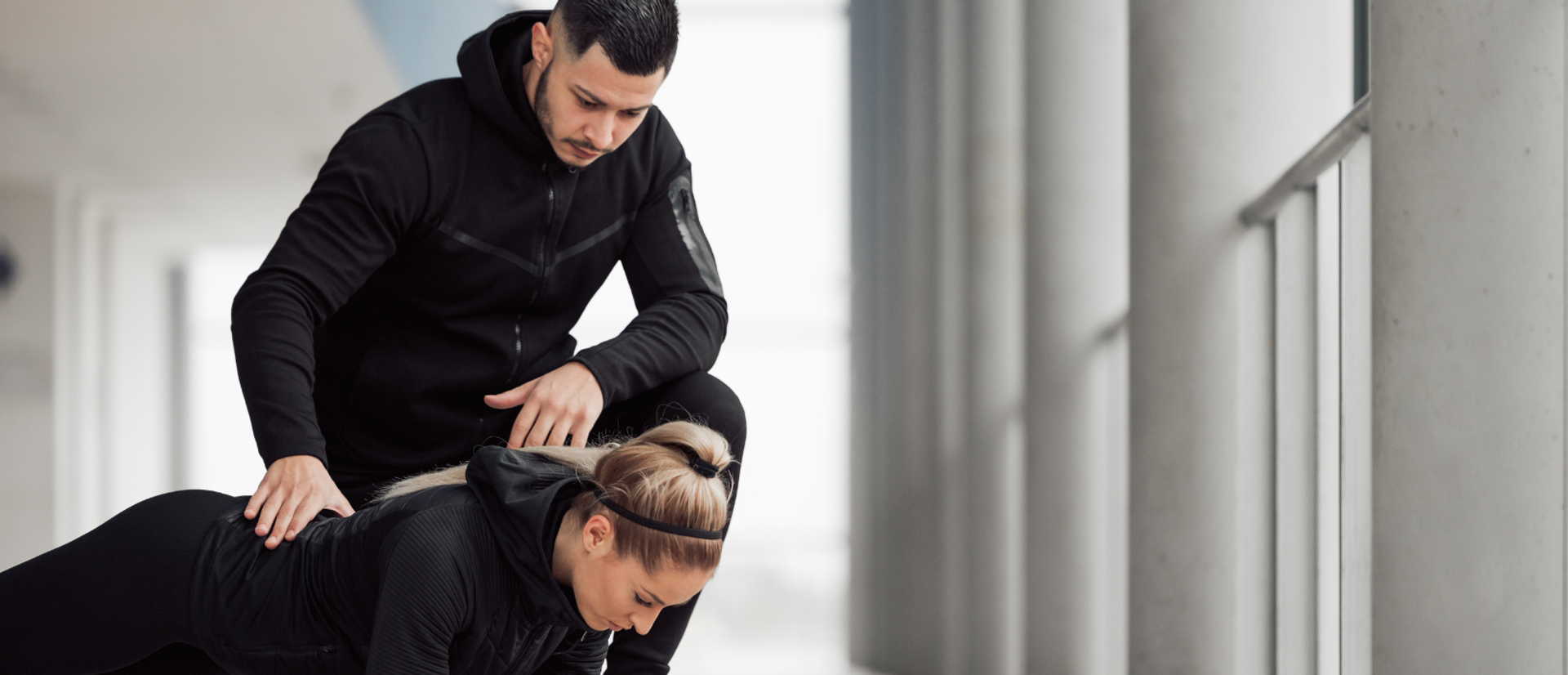
At-Home Personal Trainer vs Gym Classes: The Verdict

Compare gym classes and at-home personal training. Learn why Svetness offers better support, more consistency, and training that fits your life.
Fitness seems pretty straightforward at first glance. Either go to a class or train at home. But anyone who’s actually tried both knows the difference goes deeper than location.
The choice between the two lies in pace, attention, comfort, and results. And once you factor in time, energy, and what keeps you coming back week after week, the choice becomes much more personal.
Some people thrive in the noise of a packed gym. The music’s loud, the instructor’s calling out reps, and there’s an unspoken pressure to keep up. Others? They just want one-on-one time with someone who knows what they’re doing without an audience. Without needing to rearrange their day to get across town. Without the weird “did I bring the right towel?” anxiety that still creeps in.
This blog article isn’t about knocking gyms. They have their place. However, if your goal is consistency, personal progress, and training that actually fits into your life, an at-home personal trainer offers a distinct advantage. One that’s quieter, sure. But also sharper, smarter, and surprisingly more effective for long-term change.
What Type of Training Experience Do You Actually Want?
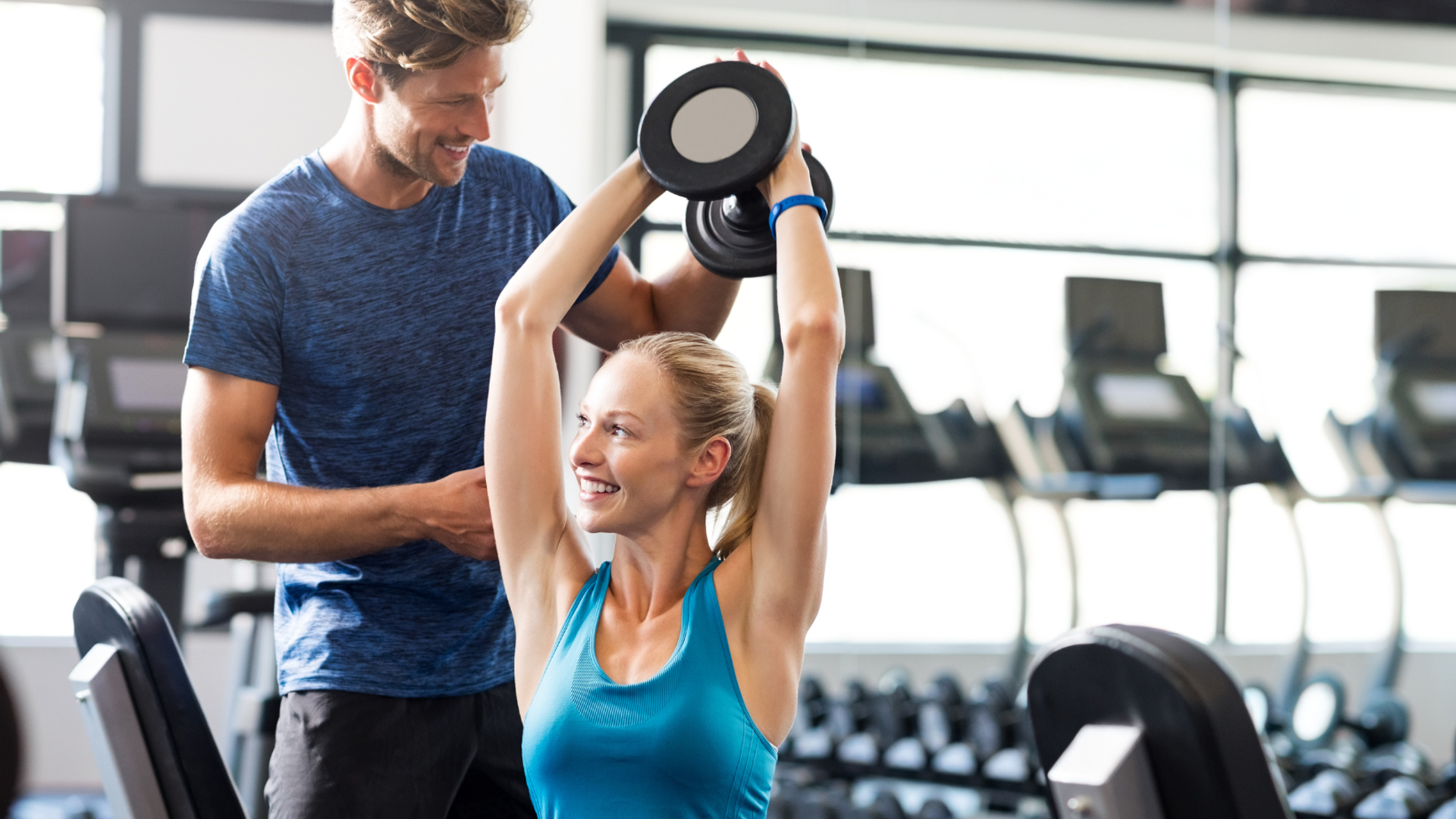
Before you decide on a class pass or a private trainer, take a second to ask what you’re really looking for. Some people want structure. Others want social interaction. Some want their workouts to feel private and specific. Others want to feed off the energy in the room.
Choosing between group fitness and an at-home personal trainer isn’t just about preference. You also need to factor in results, comfort, and habit-building. The best method is the one you’ll stick with. But that means matching the experience to your own personality, lifestyle, and motivation style.
Let’s break down what matters most, and how each option holds up.
Do You Want Personalization or a Sense of Community?
Group classes are designed for the average participant. You might be too advanced for the session, or nowhere near ready. There’s rarely time to modify movements without holding up the class. And the instructor isn’t going to stop the session to correct your form mid-set. It’s fast, fun, and social. But it’s rarely personal.
Compare that with working alongside an at-home personal trainer, who starts by getting to know your goals, limitations, and preferences. Every movement is chosen for you. Every session adapts to how your body feels that day. There’s room to progress faster in some areas, pull back in others, and focus on tangible outcomes, rather than just maintaining pace.
For people who want community energy, gym classes can feel motivating. But for people who want progress, especially those managing injuries or looking to build strength safely, personalized beats communal almost every time.
What Kind of Accountability Works for You?
It’s easy to think a class schedule will keep you accountable. But let’s be honest: it’s also easy to skip it. You might cancel at the last minute or simply not show up. The instructor isn’t going to call you. No one’s going to notice if you missed leg day.
At-home personal training makes that kind of fade-out a lot harder. Your trainer shows up at your door. They’ve designed a session just for you. They’re tracking your progress, your habits, and how your body responds. There’s no hiding. But strangely, that kind of attention doesn’t feel like pressure. It feels like support.
The real difference? Your trainer knows when to push and when to pause. They see the signs. You don’t get lost in a crowd. You don’t burn out after a good week. You’re held to your own standard, just consistently enough to make it stick.
Which Environment Do You Learn Best In?
Gyms can be overwhelming. Even group classes have their own social etiquette. There’s music, mirrors, distractions, and sometimes unspoken competition. That works for some. But for many people, especially those returning after time off or starting fresh, it’s more stressful than inspiring.
Training at home strips that away. You get to focus. You learn without judgment. You ask questions without feeling awkward. And if something feels off, such as pain, discomfort, or confusion, you can stop and address it. Your trainer’s watching closely. Every cue is for you, not a room full of people.
Are You Looking for Results or a Routine?
Classes give you a routine. Show up, follow the flow, get a sweat in, and go home. It’s simple. It’s repeatable. But if your goal is actually to change your body, mindset, or fitness level, it’s not always enough.
An at-home personal trainer builds sessions around progressive goals. They’re not just helping you sweat. They’re helping you lift more, run longer, recover faster, and stay pain-free. It’s not just about doing more. It’s about doing better.
And as your body adapts, your plan shifts. The movements change. The focus tightens. You’re not repeating the same set of lunges and burpees every Tuesday. You’re building toward something. And that momentum? It sticks.
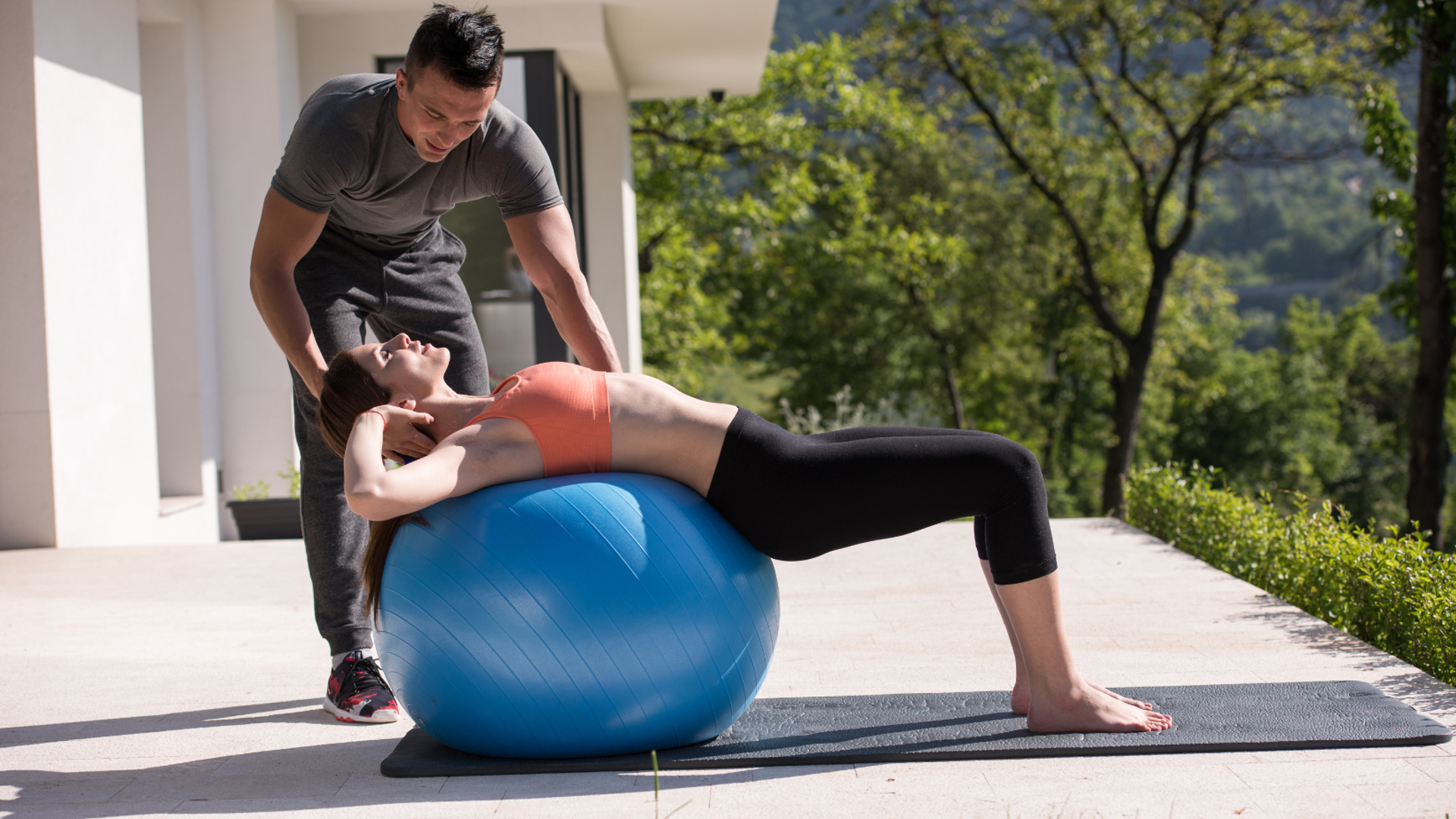
What to Expect With At-Home Personal Training
There’s a misconception that at-home personal training is just a watered-down version of gym training. No equipment, less structure, more casual. But that’s not what it looks like when done right.
In fact, for many people, especially beginners, returners, or anyone overwhelmed by the gym, it’s the most effective way to start and stay consistent.
You don’t need a garage full of gear or a dedicated workout room. You don’t even need prior experience. What you do need is a willingness to show up, even if you’re starting slow. A good trainer makes sure your space works for the plan, not the other way around.
Let’s break it down for different types of clients.
If You're Transitioning from the Gym to Home
The biggest adjustment is usually mental. You’re used to machines, mirrors, and maybe a locker room. Suddenly, it’s just you and a yoga mat in your living room. But that doesn’t mean your workout is any less effective.
Your trainer will likely begin by assessing what equipment you already have or bringing their own. Resistance bands, dumbbells, suspension trainers, sliders, and a bench. That’s all it takes.
Then, they rebuild your old gym routine in a smarter way: incorporating mobility warm-ups, adapting compound lifts for home use, and supersets to maximize time and space.
If You Haven’t Been to a Gym in Years
There’s often anxiety around starting again. You remember what you used to lift or how far you could run. But now everything feels out of reach. That’s normal, and exactly why working with someone at home can be such a relief.
Your trainer doesn’t expect you to pick up where you left off. Instead, they meet you where you are now. That might mean rebuilding your core strength, reintroducing bodyweight moves, or focusing on balance and joint control before touching weights.
Sessions will feel like movement rehab in the best way. You’ll rediscover how your body works and gain confidence faster because there’s no audience, and no pressure to perform.
If You’re Brand-New to Fitness
Starting from scratch can be intimidating. At the gym, you’re surrounded by people who seem to know what they’re doing. At home, it’s just you and your trainer, and that’s where the magic happens.
You’ll learn the basics the right way: how to engage your core, how to move through a squat safely, and how to build a weekly rhythm that doesn’t leave you burnt out by day three.
Every session focuses on building a foundation. That includes breathing, posture, balance, and coordination. There’s a lot of stopping to explain, to check form, to reset. It’s not flashy. But it’s precisely what helps new clients avoid injuries and enjoy the process.
You’ll start to see progress in the little things: better sleep, reduced stiffness, and increased energy throughout the day. And that early feedback loop is what keeps people going.
What Makes Svetness At-Home Personal Training Special?
When people imagine at-home personal training, they don’t always picture what Svetness offers. Maybe they expect a one-size-fits-all plan emailed to them or someone showing up with a clipboard and counting reps. That’s not how it works here.
Svetness trainers create genuine partnerships with their clients. They don’t just assign workouts. Instead, they build comprehensive programs tailored to your life. That includes your energy levels, work schedule, home setup, limitations, and goals.
And they keep showing up. Same face. Same motivation. Consistent support, week after week.
They Bring the Equipment and the Plan
You don’t need a home gym.
Your Svetness personal trainer brings everything you need or helps you build a minimalist setup that fits your space and goals. Think dumbbells, bands, sliders, bodyweight systems, and balance tools. No fluff. Just what works.
But equipment is only one part. The bigger difference is the plan. It’s not recycled from an app or pulled from YouTube. It’s yours. Every warm-up, circuit, and cooldown is designed based on your consultation, fitness level, and real-world schedule.
They Know When to Push and When to Pull Back
A good trainer doesn’t just shout encouragement. They read your posture, your breath, your energy. They know if your form is slipping or if you’ve got one more rep in the tank. And they know when that “last rep” is worth doing or not.
Svetness trainers don’t go for cookie-cutter intensity. They aim for sustainability. That means building a plan you can actually stick to and adjusting it the second it stops working for you.
They Track More Than Just Workouts
With Svetness, your trainer isn’t just watching your squat depth. They’re also checking in on your stress, sleep, food intake, and soreness. You get lifestyle coaching that supports your body outside the workout, not just during it.
And the advice isn’t vague. It’s based on how you’re feeling, not a set of rules in a PDF. That’s what helps clients stay consistent: not willpower, but responsiveness.
They Adapt to the Real World
Life doesn't always go according to plan. Travel, illness, work chaos. “Stuff” happens. Svetness trainers don’t punish missed sessions. They adapt. That might mean rescheduling. Or it might mean doing a 25-minute band session on Zoom from your hotel room.
This kind of flexibility is rare. But it’s what keeps people training long-term. Because when life gets messy (and it always does), your workouts keep going, in a different way.
Final Thoughts

You can get fit in many ways. Group classes, online programs, solo gym sessions: they all work for someone. However, if you're looking for a plan that meets you where you are and grows with you, an at-home personal trainer is hard to beat.
It’s quieter, more personal, and sometimes less glamorous. But it works. It’s built for people with real schedules, real bodies, and real goals. And when you find the right trainer, it stops feeling like another task and starts feeling like something that finally fits.
Svetness has carved out a space in this world by focusing on that exact experience. Their trainers arrive with a plan, a purpose, and a lot of practical support. No fluff. No pressure. Just real people making real progress.
And for a lot of clients, that’s what makes all the difference.
> Schedule Your Free Svetness Consultation
FAQs
Is working with an at-home personal trainer as effective as going to the gym?
Yes, sometimes more so. The key is personalization. At-home trainers tailor every part of your plan to your space, goals, and fitness level. There’s no guesswork, no waiting on machines, and no pressure to keep up with others.
Do I need a home gym or expensive equipment to get started?
Not at all. Most clients start with the basics: a yoga mat, resistance bands, and maybe a set of dumbbells. In fact, Svetness personal trainers often bring the equipment themselves.
What if I’ve never worked out before? Will I be able to keep up?
Absolutely. That’s one of the biggest benefits of at-home personal training: it’s designed around your starting point. You don’t have to worry about keeping up with a group or figuring things out alone. Your trainer guides you, adjusts exercises in real-time, and gradually builds your confidence. The goal is progress, not perfection.
How often should I train with a personal trainer at home?
That depends on your goals and schedule. Many clients train two to three times per week, while others start once a week and build momentum. Your trainer will help you find a rhythm that fits your lifestyle.
Start your Svetness journey today
Get a free consultation and see how our trainers can transform your wellness journey.