Can Fitness Wearable Tech Devices Improve Home Workouts?
Explore how wearable tech supports home workouts, its limitations, and how guided training can turn fitness data into steady, real-world progress.
Home workouts look very different than they did even a decade ago. What once meant a yoga mat on the floor and a grainy video on a laptop now often includes a smartwatch on the wrist, a sleep score waiting in the morning, and heart rate data flashing during every set.
Training at home has become measurable. Almost everything you do can now be tracked.
And yet, many people still finish workouts with the same questions in the back of their mind. Was that actually enough? Did I push too hard, or not hard enough? Am I making real progress, or just collecting numbers?
Wearable tech promises to remove that uncertainty. It offers feedback in real time, trends over weeks, and insight into recovery that used to be available only in performance labs. At the same time, having access to data does not always mean knowing what to do with it.
This guide takes a practical look at how wearable fitness tech fits into home training today. What these devices actually do. Where they genuinely help. Where they fall short. And how human guidance still plays a role once the numbers stop answering the deeper questions.
The Shift Toward Wearables in Everyday Fitness
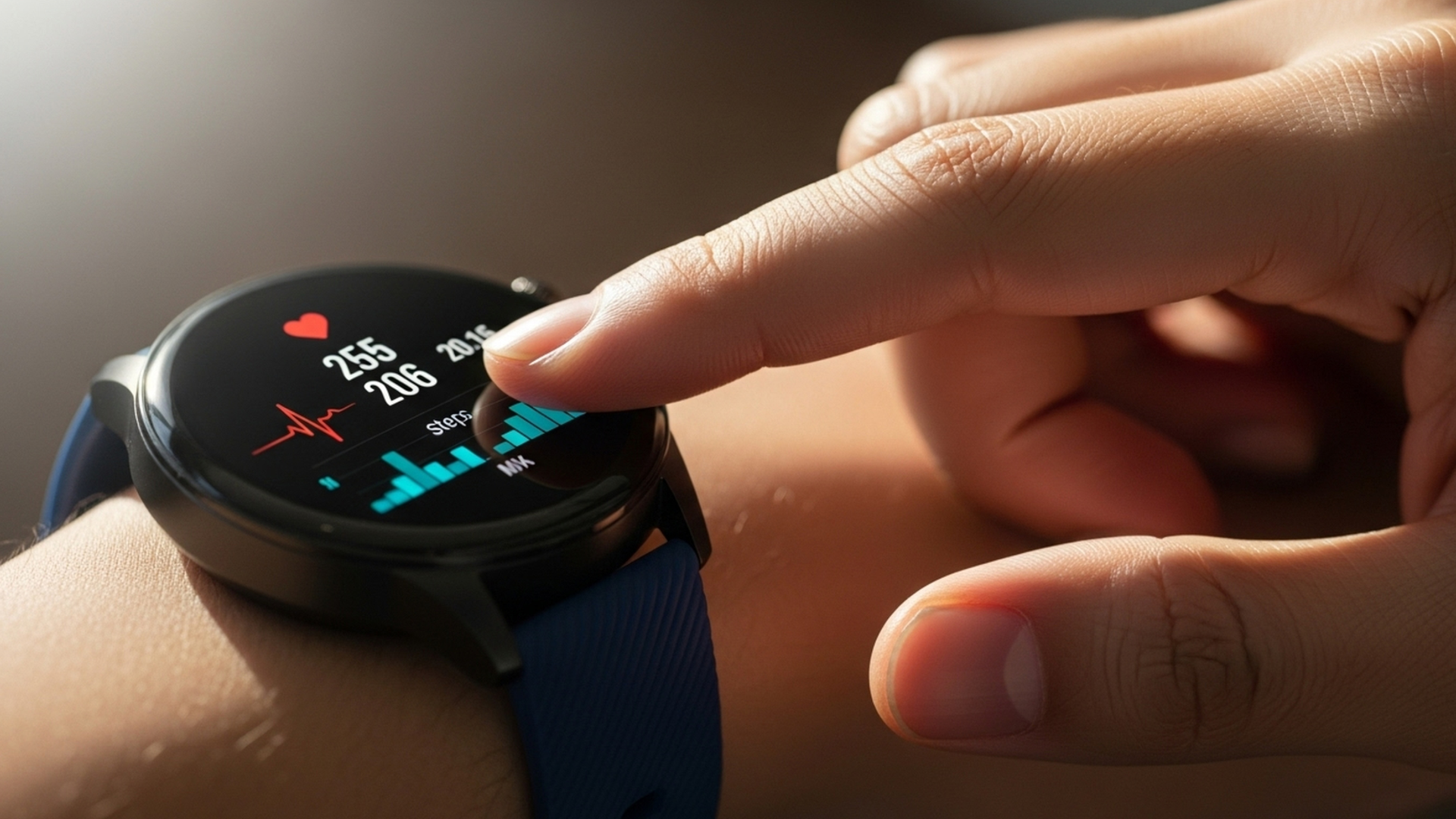
Wearable technology did not begin with everyday home workouts. Early heart rate monitors and motion sensors were designed for clinical testing and elite sport. Over time, the hardware became smaller, cheaper, and easier to use. Eventually, it moved out of labs and training centers and into daily life.
Today, wearable tech is no longer limited to athletes. It tracks steps during errands, monitors sleep overnight, and logs heart rate during living-room workouts. For many people, it has become part of how they understand their own health.
From Elite Tools to Everyday Devices
As smartphones became more powerful, wearable devices followed the same trajectory. Sensors improved. Batteries lasted longer. Interfaces became simpler. What once required specialist equipment became accessible with a watch or band.
This shift changed the way people thought about exercise. Fitness stopped being judged only by how tired you felt afterward. It began to revolve around zones, streaks, recovery scores, and weekly totals.
What Changed for Home Exercisers?
For people training at home, wearables filled a long-standing gap. Without coaches nearby or gym environments to guide effort, home workouts relied heavily on feel. Devices stepped into that space as a form of digital feedback.
They provided structure where there was once mostly instinct. But they also created a new challenge. Access to constant information does not automatically mean understanding how to use it.
The Main Types of Wearable Fitness Devices People Use Today
Fitness wearables come in several forms, each built to serve a slightly different purpose. Some focus on performance. Others emphasize recovery. Many attempt to do both.
Understanding what each type is designed to track helps clarify where different devices fit into a home workout routine.
Smartwatches
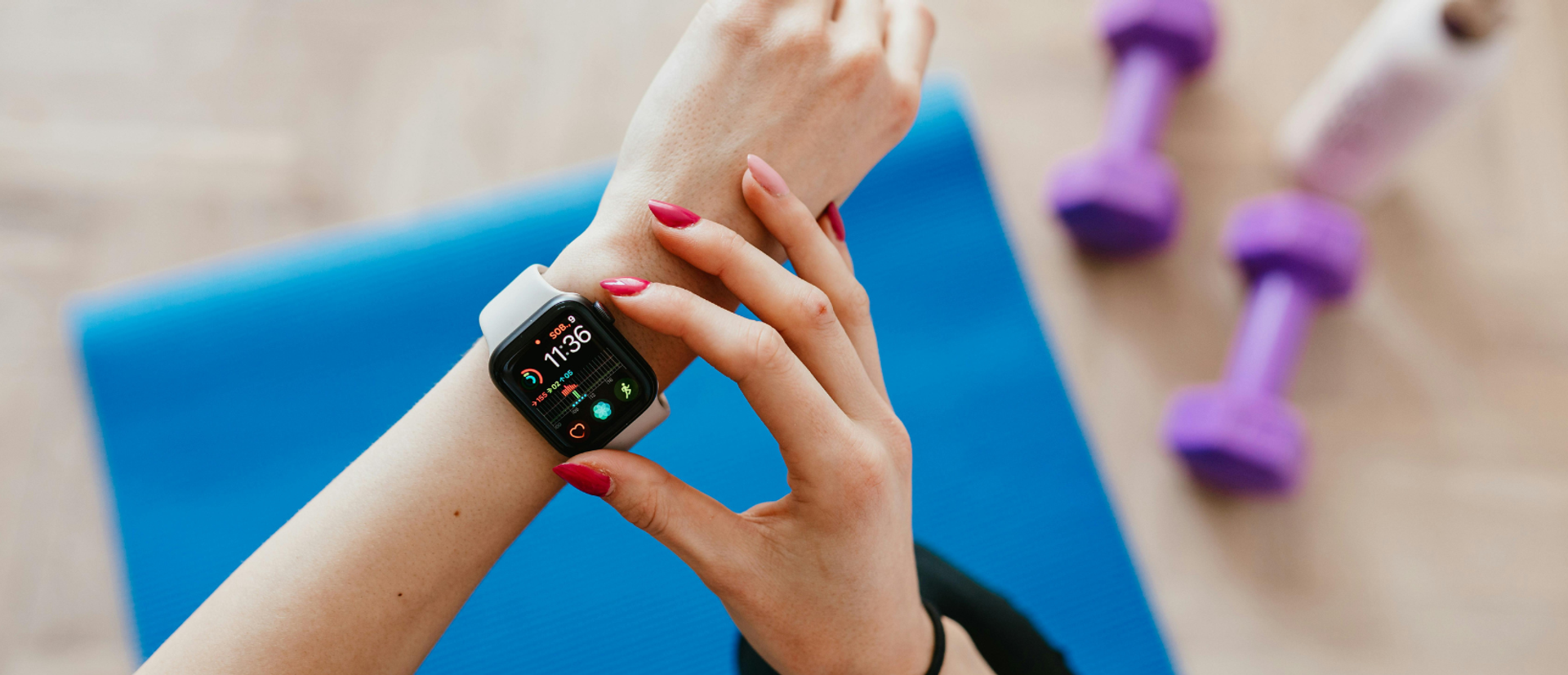
Smartwatches are the most common entry point into wearable fitness tracking. They typically monitor heart rate, steps, calories, workouts, GPS movement, and sleep.
For home workouts, smartwatches are often used to:
- Display heart rate during strength or cardio sessions
- Track active minutes across the day
- Log workouts and estimate energy output
- Monitor sleep duration and general consistency
Because they combine health tracking with everyday phone functions, smartwatches tend to stay on the wrist more consistently than other devices. This makes them useful for people who want a broad picture of daily activity rather than only workout-specific data.
Fitness Bands
Fitness bands offer a lighter, simpler version of tracking. They usually focus on continuous heart rate, step count, sleep, and basic recovery metrics.
These devices appeal to people who want:
- Passive tracking without frequent notifications
- Smaller, less intrusive hardware
- A focus on daily movement rather than detailed performance analytics
For beginners or those easing into regular exercise, fitness bands often feel less overwhelming than full-featured smartwatches.
Smart Rings
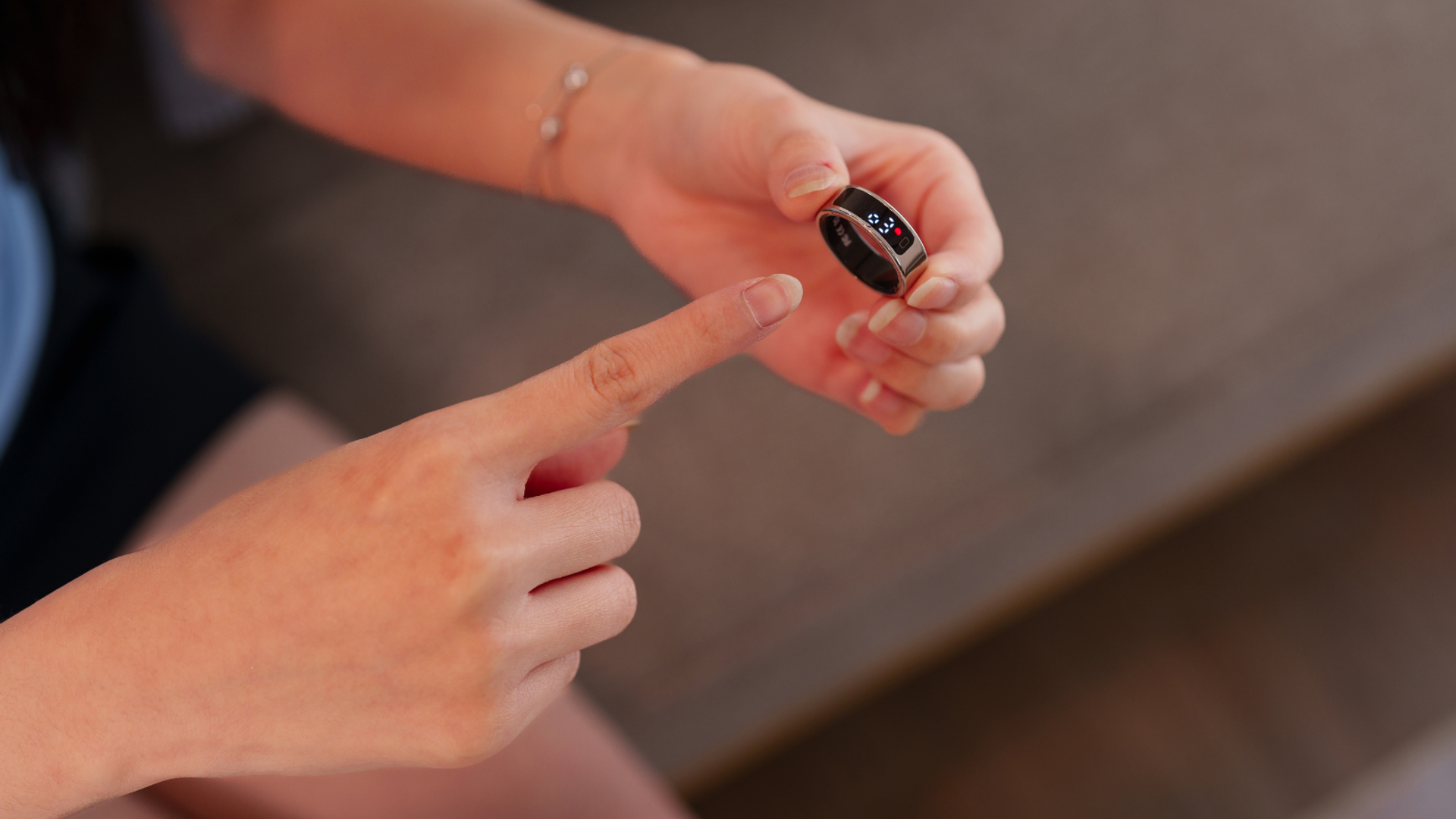
Smart rings place most of their emphasis on recovery rather than workouts. They track sleep stages, heart rate variability, resting heart rate, temperature patterns, and general readiness.
Many people who use smart rings are less interested in seeing live metrics during training. Instead, they want deeper insight into how well their body is recovering from activity, stress, and daily demands.
These devices are often used alongside other trackers or by people who prioritize sleep and nervous system balance over performance data.
Chest Straps and Heart Rate Monitors
Chest-based heart rate monitors focus on accuracy. Worn around the torso, they measure heart activity more directly than wrist-based sensors.
They are most commonly used for:
- Interval training
- Structured cardio sessions
- Heart rate zone-based programs
Some home exercisers pair chest straps with watches or training apps when precise intensity control matters more than convenience.
Start your Svetness journey today
Get a free consultation and see how our trainers can transform your wellness journey.
Benefits of Wearable Tech
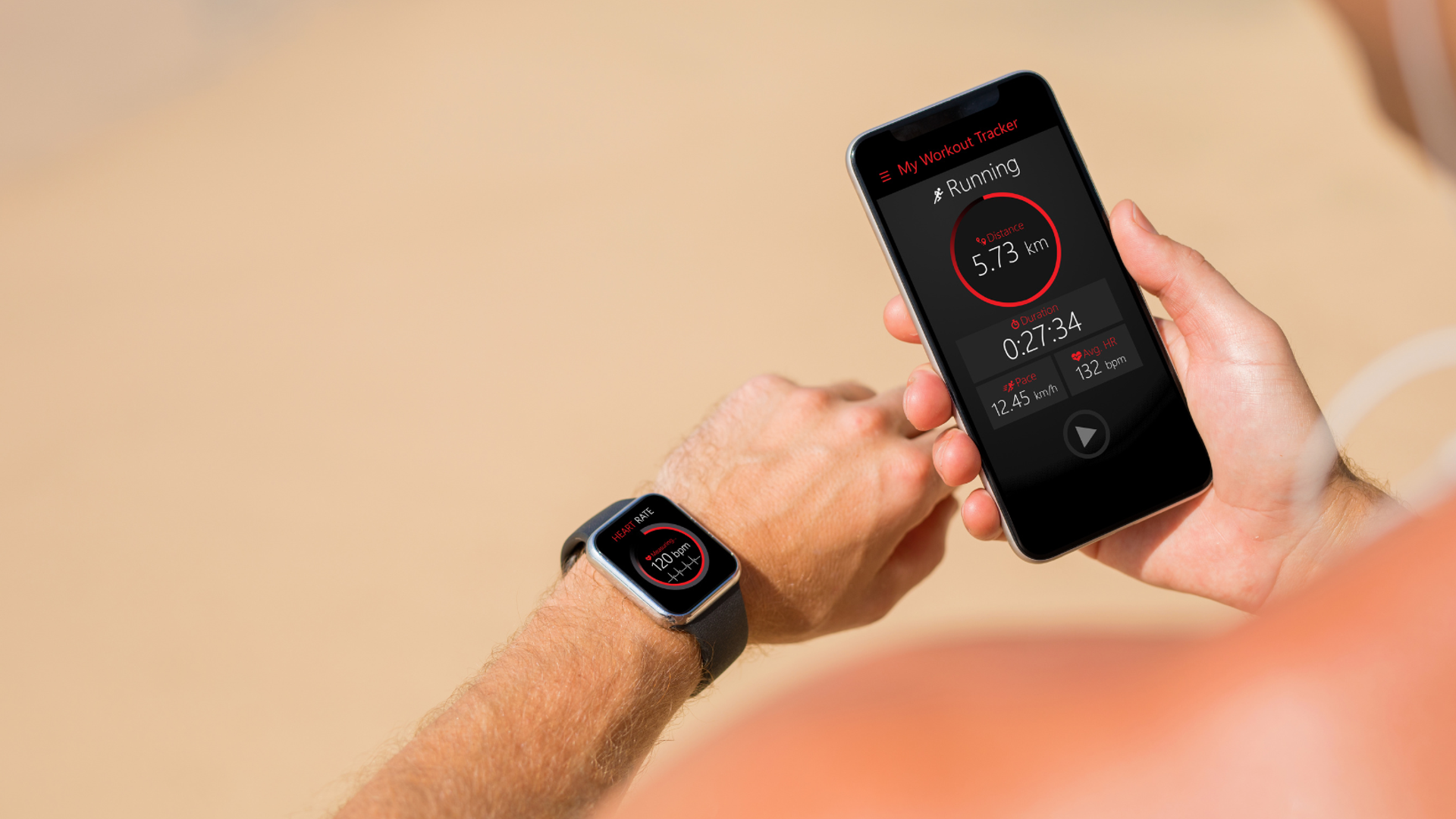
Wearable devices bring structure and visibility to home workouts in ways that were not available to everyday exercisers until recently. When used consistently, they support awareness, motivation, and routine.
Insights at Your Fingertips
Wearables place performance feedback directly on your wrist or phone. Heart rate, steps, active minutes, sleep, and recovery scores are available within seconds. This makes it easier to stay aware of actual effort instead of relying only on perception.
More Structure in Daily Training
Many home workouts lack a clear framework. Wearables add measurable reference points. Intensity zones during cardio, active time totals, and weekly movement trends bring more order to otherwise unstructured routines.
Motivation Through Visible Progress
Small improvements become easier to see when they are tracked. A steady rise in step averages, consistent sleep patterns, or improved heart rate recovery reinforces that effort is building toward something real.
Better Awareness of Recovery
Sleep tracking and readiness scores help link rest to performance. Many people become more intentional about recovery once they see how strongly it affects workout output.
Limitations of Wearable Tech
As helpful as wearables are, they still function as tracking tools. They do not replace judgment, coaching, or movement assessment.
Data Without Guidance
Wearables describe what happened, not what to do next. A low recovery score does not explain whether stress, hydration, sleep quality, or accumulated fatigue caused it. The number appears without interpretation.
No Assessment of Movement Quality
Devices cannot see how the body moves. They do not detect joint alignment, posture, breathing mechanics, or muscular compensation during exercise. These factors often determine whether progress is safe.
Easy to Misread Short-Term Fluctuations
Single bad data points can create unnecessary concern. One poor sleep score may lead to skipped workouts. One strong recovery score may encourage pushing through pain. Trends matter more than individual readings, yet many people react to daily numbers.
Wearables improve awareness. They do not provide direction.
Enter Personal Trainers: Working Alongside Wearable Tech

This is where human expertise remains essential.
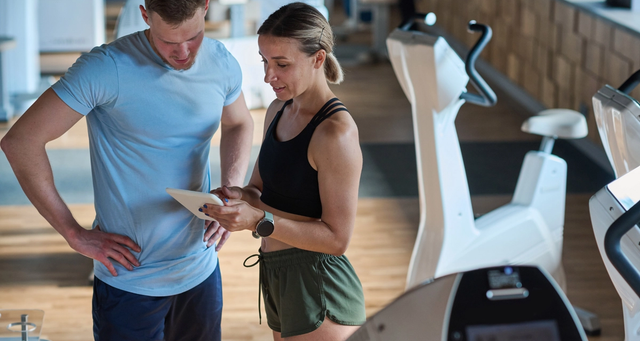
Personal trainers work with details that wearables cannot capture. They observe posture, joint tracking, breathing patterns, balance, and visible fatigue through movement itself. These cues often explain why certain metrics rise or fall.
Trainers also interpret the meaning behind the numbers. They distinguish between soreness and overreaching. They decide whether intensity should increase or whether a lighter session will support better long-term progress. They adjust programming based on what the body shows in real time, not just what a device reports.
Wearables supply information. Trainers supply understanding.
No Time for Personal Training? Try In-Home
For many people, the barrier to working with a trainer is not a lack of interest. It is time, scheduling, and access. At-home personal training removes those obstacles while keeping the guidance that wearables alone cannot provide.
You train in your own space, on your schedule, without commuting or crowded gyms. At the same time, you are not left guessing based on data alone. Devices can track effort, but they cannot correct form or adjust intensity as your body changes.
This is where Svetness fits in. Svetness brings certified personal trainers directly to your home. Trainers combine your wearable data with real-time movement observation to guide intensity, correct mechanics, and manage fatigue as it develops.
If your numbers feel confusing or your progress feels stalled, in-home personal training turns tracking into clear, guided action.
Bottom Line: Wearable Tech and Fitness
Wearable tech has changed how people experience home workouts. It makes effort, movement, and recovery visible. For many people, it improves consistency and daily awareness.
At the same time, data alone does not correct form, interpret stress accurately, or guide smart long-term progression. These pieces still depend on human judgment.
When wearable tracking is paired with in-home personal training, those gaps narrow. Home workouts become safer, more purposeful, and easier to sustain.
If you are ready to move beyond guessing and turn your data into steady progress, in-home personal training with Svetness gives your numbers the direction they need.
Book a free Svetness consultation to see how training at home can feel when your data finally makes sense.
FAQs
Is wearable tech accurate enough for home workouts?
Most modern wearable devices provide reliable trend-based data for heart rate, steps, and sleep. While individual readings can vary, long-term patterns are useful for guiding training and recovery decisions.
Can wearable tech help with weight loss?
Wearables support weight loss by improving daily movement awareness and consistency. Fat loss still depends on overall habits, including nutrition, sleep, stress, and regular training.
Do I still need a trainer if I track everything with a wearable?
Tracking provides information, not interpretation. Trainers assess form, regulate intensity, and adjust progression based on both visible movement and wearable trends.
Is in-home personal training effective without gym equipment?
Yes. Programs are built around available space and tools. Many foundational strength and conditioning movements require minimal equipment and can be progressed safely at home.
Start your Svetness journey today
Get a free consultation and see how our trainers can transform your wellness journey.