How to Lose Arm Fat Fast With Simple At-Home Training
Learn how to lose arm fat fast. Simple at-home workouts, balanced nutrition, and habits that support lean, defined arms without extreme routines.
Arms are a common insecurity for many. You catch your reflection in the mirror, lift your arm slightly, and notice softness where you wish there was more firmness.
Maybe your arms look plumper than they used to. Or maybe you’ve always felt insecure about their appearance, and feel inspired to make a change starting from now. Either way, training is the best place to start.
If you are searching for how to lose arm fat fast, speed alone is not the solution; direction is. Below, we’ll teach you how to combine smart training, daily movement, and steady nutrition to shape the slim, toned arms you’ve always wanted. No extreme dieting or exhausting training necessary.
Let’s begin!
Understanding Arm Fat: Why Does It Feel So Stubborn?
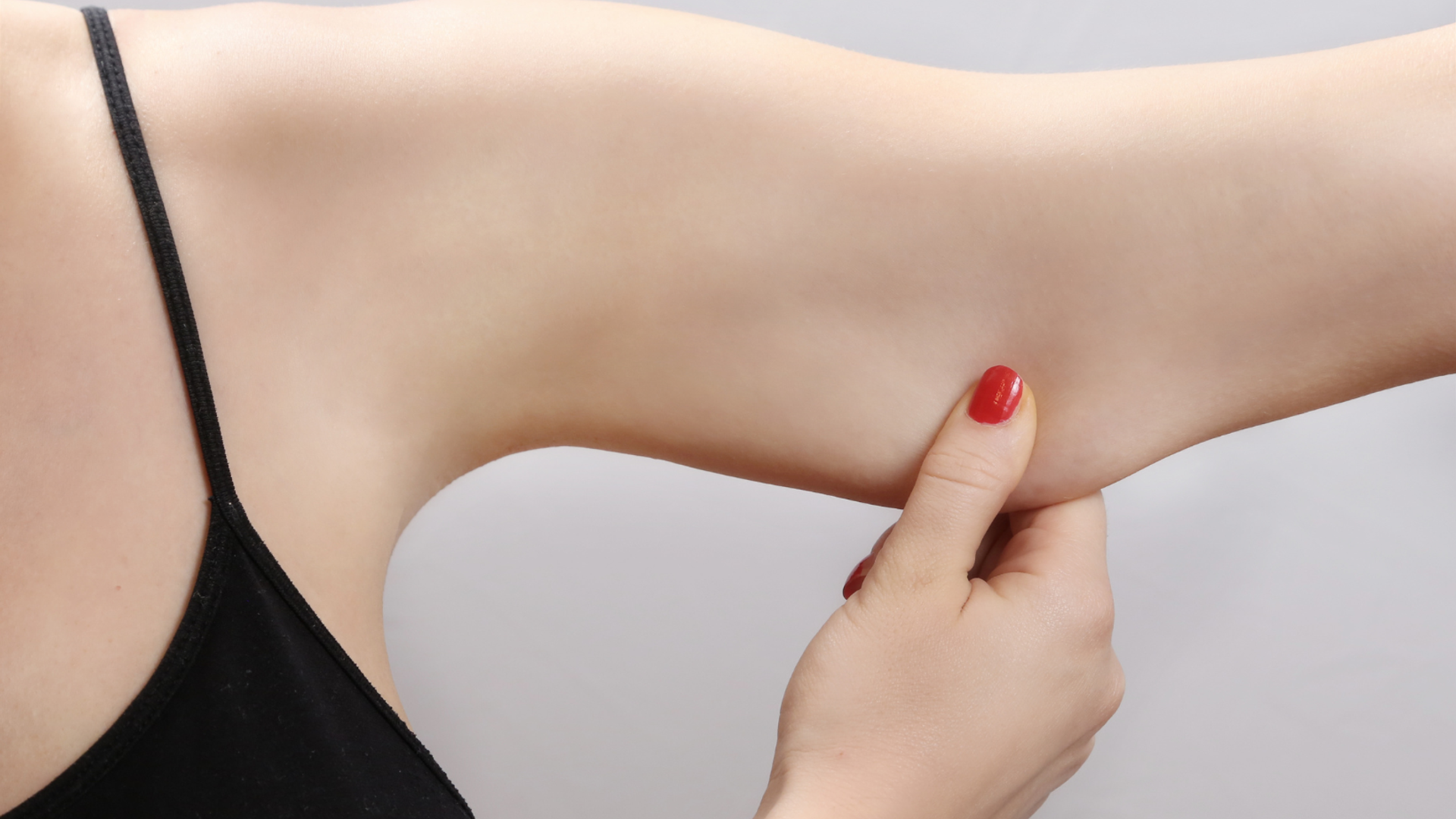
Upper-arm fat tends to linger for reasons that seem outside of your control.
Genetics plays a large role in where your body prefers to store fat. For many women, the back of the upper arm is one of those areas. For some men, it can be the underside of the arm near the triceps. Hormones also influence how easily fat is stored and released, especially during periods of high stress, disrupted sleep, pregnancy, or perimenopause.
Daily habits subtly shape this pattern as well. Long hours of sitting, limited upper-body resistance work, and low overall movement lead to the arm muscles receiving very little consistent stimulus.
Over time, muscle tone softens while fat tissue becomes more noticeable. Even people who move frequently may undertrain their upper body simply because most daily movement emphasizes the lower body.
Arm fat is not permanent, but it does respond best to a combined approach. Full-body fat loss paired with targeted strength training rebuilds the muscle underneath and slowly changes how the area looks and feels.
The Science Behind Losing Arm Fat
Fat loss always follows a basic physiological rule. Your body must burn more energy than it takes in over time. The most reliable way to create that shift is through a combination of movement and muscle.
Muscle tissue is metabolically active. That means it burns energy even when you are resting. As you build lean muscle through resistance training, your baseline calorie use rises slightly each day. This helps create a steady fat-loss environment without relying entirely on cardio.
That said, cardio also helps by increasing total energy demand. When strength training and cardio work together, your body becomes more efficient at using stored energy for fuel. Over time, fat tissue across the body gradually decreases, including in the arms.
And finally, don’t undermine the role of nutrition in fat loss. Consistent protein intake supports muscle repair, balanced carbohydrate intake supports training intensity, and healthy fat intake supports hormones that regulate appetite and metabolism.
Your Plan: How to Lose Arm Fat Fast at Home
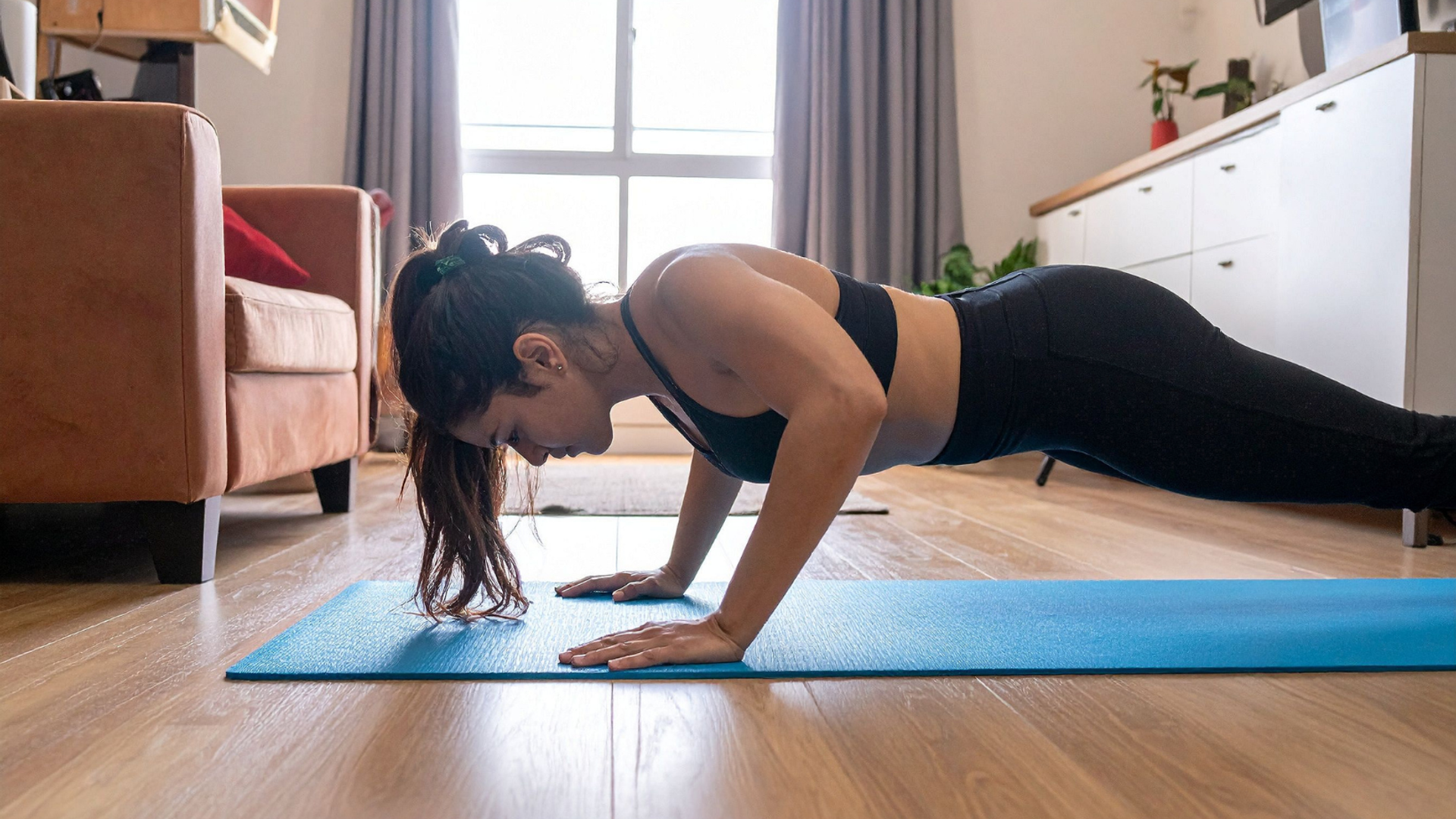
This at-home plan combines strength, cardio, and structure in short sessions that fit into real schedules. You do not need a gym, expensive machines, or long workout sessions. All you need is consistency.
Step 1: Warm Up and Activate (5 Minutes)
Jumping straight into push-ups with cold shoulders is one of the fastest ways to create lingering discomfort. A proper warm-up prepares the joints and activates stabilizing muscles before the work begins.
Use shoulder circles to increase circulation. Add shoulder rolls to mobilize the upper back. Gentle torso twists connect the core to the upper body. Slow inchworms or wall push-ups bring warmth to the chest and triceps without fatigue. Brief plank holds activate the arms and trunk together.
Your shoulders should feel warm and mobile by the end, not tired. That difference matters for long-term consistency.
Step 2: The Arm-Sculpting Circuit (15–20 Minutes)
This circuit targets the muscles that most influence arm shape. Triceps shape the back of the arms. Shoulders create lift and contour. Biceps provide balanced development and functional strength.
Perform the movements in sequence. Rest about 30 seconds between exercises. Complete three rounds.
Push-Ups
Push-ups activate the triceps, chest, shoulders, and core simultaneously. Perform them on the floor, from the knees, or against a sturdy surface, depending on your strength. Focus on slow lowering and controlled pushing. Aim for 10 to 12 quality reps.
Triceps Dips
This exercise isolates the back of the arms more directly. Lower with control until your elbows reach about ninety degrees. Press back up through the palms. Perform 12 to 15 reps.
Shoulder Taps
From a plank position, tap one shoulder at a time while keeping your hips steady. This movement builds shoulder endurance and deep core stability together. Perform 20 total taps with slow control.
Biceps Curls
Using dumbbells, resistance bands, or water bottles, curl steadily and squeeze briefly at the top. Lower slowly. This supports balanced arm development and elbow stability. Perform 12 to 15 reps.
Arm Pulses
Extend both arms at shoulder height. Perform small pulses upward for 45 seconds. This exercise increases time under tension, which drives muscle tone even with light resistance.
Plank to Downward Dog Push-Up
Flow from plank into downward dog, return to plank, then perform a push-up. This movement strengthens the shoulders, activates the triceps, and improves upper-body control. Perform 8 to 10 controlled reps.
Step 3: Add a Cardio Boost (10 Minutes)
Fat loss responds well to short bursts of elevated heart rate. After strength work, add a brief cardio finisher to raise total calorie demand without doubling your workout time.
Jumping jacks, high knees, mountain climbers, or controlled shadow boxing all work well. Move hard for 45 seconds. Rest 15 seconds. Repeat for six to eight rounds.
A quick cardio session supports full-body fat loss while preserving arm muscle tone.
Step 4: Cool Down and Stretch (5 Minutes)
Recovery shapes how your arms look just as much as training does.
After your workout, take three to five minutes to cool down and stretch the muscles you just worked. Start with an overhead triceps stretch by lifting one arm, bending the elbow, and gently pressing it back with the opposite hand for 20 to 30 seconds per side.
Follow with cross-body shoulder stretches by pulling one straight arm across your chest and
holding for 20 to 30 seconds on each side.
Finish with a gentle chest-opening by clasping your hands behind your back and lifting your arms slightly while standing tall. Keep your breathing slow and steady throughout the stretches and avoid forcing any movement.
This short routine helps release tightness, brings breathing back to normal, and leaves your arms feeling lighter and more relaxed for the rest of the day.
Start your Svetness journey today
Get a free consultation and see how our trainers can transform your wellness journey.
Bonus: Nutrition Habits That Speed Results
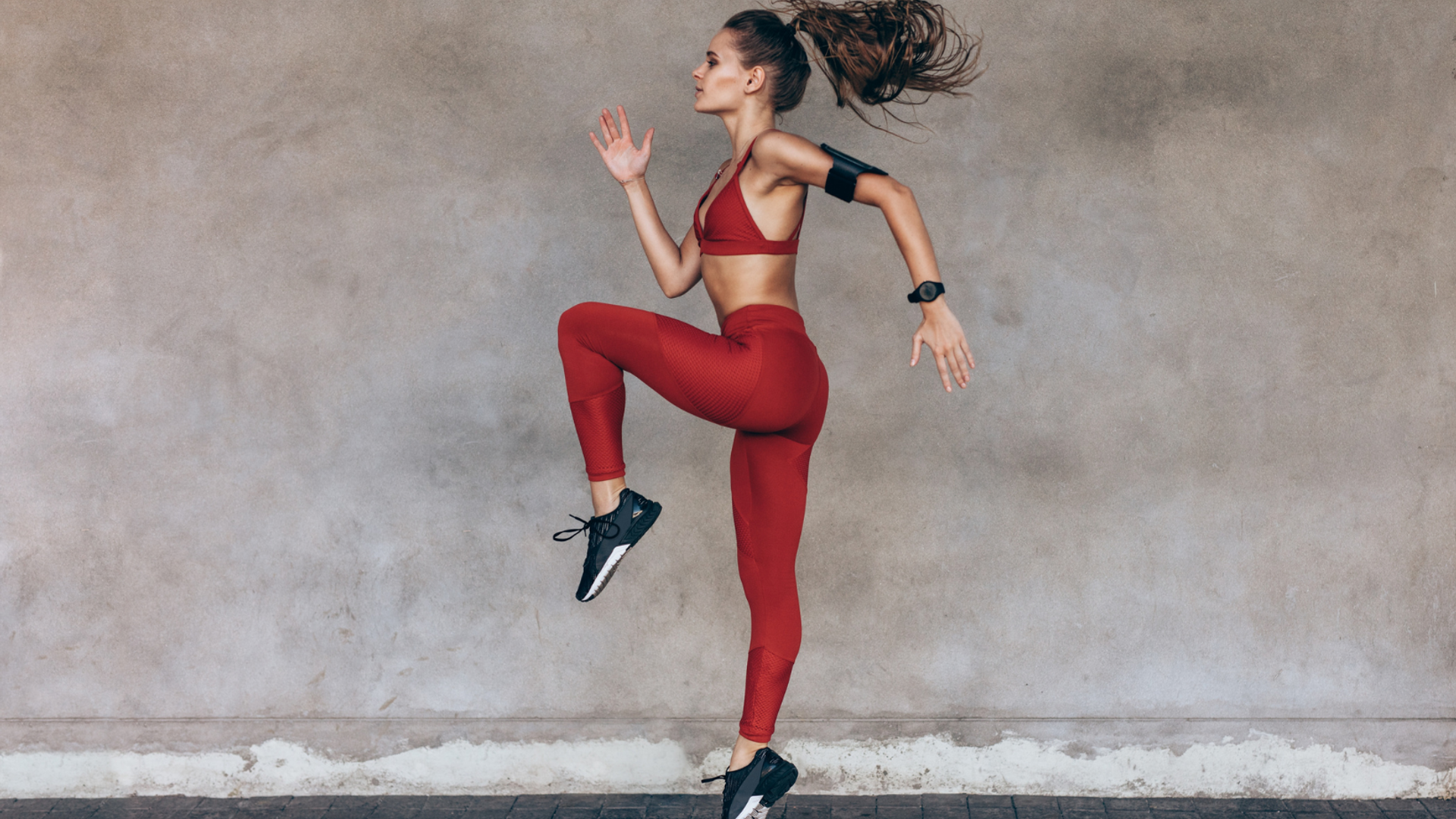
Training creates stimulus, but nutrition determines how your body responds.
Protein for Repair
After your workouts, make sure each meal includes a solid source of protein to support muscle repair and tone. Chicken, fish, eggs, Greek yogurt, tofu, and beans all work well. Aim to include one palm-sized portion at each main meal.
Carbs for Energy
Use carbohydrates to fuel your training and keep energy steady throughout the day. Add simple sources like rice, oats, potatoes, fruit, and vegetables to your meals, especially before and after workouts. These help power your sessions and support recovery without feeling heavy.
Fat for Balance
Include small amounts of healthy fats daily from foods like olive oil, nuts, seeds, or avocado. These support overall recovery and help your body stay balanced as training intensity increases.
Hydration for Performance and Recovery
Drink water consistently throughout the day rather than all at once. A good starting point is a glass of water with each meal and snack, plus extra around workouts.
And finally, avoid extreme restriction. Skipping meals or cutting whole food groups often slows results and makes consistency harder to maintain. Steady eating paired with regular movement supports visible progress far better than short-term dieting.
Lifestyle Habits That Support Arm Fat Loss
What you do outside your workouts plays a major role in your results. Aim for seven to nine hours of sleep each night to allow your muscles to recover and your body to regulate fat storage properly. Poor sleep often increases hunger and slows visible progress.
Manage daily stress as best you can with short walks, simple breathing exercises, or time away from screens. Ongoing high stress makes it harder for the body to recover and can lead to water retention and stubborn fat.
Stay lightly active between workouts by standing more often, walking after meals, and avoiding long periods of sitting. These small habits support steady fat loss and help your training work more effectively without adding extra workouts.
What Progress With Arm Fat Loss Usually Looks Like
Changes in arm fat loss happen gradually, not overnight. During the first two to three weeks, most people notice their arms feeling lighter and less tired during daily tasks and workouts, even if the mirror still looks the same.
Between weeks four and six, visual changes often begin. Sleeves may fit more loosely, the back of the arms may feel firmer, and the soft area near the triceps usually starts to tighten.
A more defined shape appears as overall body fat continues to decrease. Temporary stalls are normal and often linked to water retention, stress, or missed recovery. Staying consistent through these slower phases is what allows fat loss in the arms to continue showing up over time.
Combining Strength Training and Cardio for Leaner Arms
Cardio helps burn calories during the workout, but strength training changes what your arms look like over time. Combining strength training and cardio allows you to tackle fat loss from all sides.
As muscle builds under the skin, the arms begin to appear firmer and more defined, even before a large amount of fat is lost.
With more lean muscle, your body also burns more calories throughout the day, not just during exercise. Strength work supports the joints, improves posture, and gives the arms a tighter, more lifted appearance.
Many people avoid weights because they fear getting bulky. In reality, noticeable bulk is uncommon. What most people see instead is better tone, stronger arms, and improved shape.
Struggling to Stay Consistent? Try In-Home Personal Training
Trying to reshape your arms on your own can feel frustrating. Getting to the gym is not always realistic with busy schedules, and working out alone often leads to uncertainty about form, progress, or whether you are doing the right exercises at all.
This is where in-home personal training can make a real difference for arm training and long-term results.
Training at home removes many of the barriers that break consistency. There is no commute, no waiting for equipment, and no need to rearrange your entire day just to fit in a workout. Short, focused sessions become easier to maintain, which is essential for steady arm definition and training to lose weight.
With Svetness in-home personal training, convenience is paired with expert support. Your trainer builds a plan around your arm goals, current strength, available space, and daily routine. Each session includes real-time guidance to keep movements safe and effective, with resistance progressing only when your body is ready.
Bottom Line: Toned Arms Are Shaped Through Consistency
Arm fat loss comes down to one thing most people struggle with: staying consistent. Knowing what to do is not the hard part. Sticking with it through busy weeks is.
When strength training, daily movement, and balanced nutrition stay steady, the arms become firmer and more defined over time. Lifting feels easier. Sleeves fit differently. The changes build gradually, but they last.
Staying consistent on your own can be difficult. This is where in-home personal training fills the gap. With Svetness, sessions are designed to fit your schedule, environment, and current fitness level, making it easier to keep going without added stress.
Ready for your personalized arm-toning plan?
FAQs
How long does it take to lose arm fat with at-home training?
Most people notice strength and firmness changes within three to four weeks. Visible fat loss typically follows within six to eight weeks when training and nutrition remain consistent.
Can you lose arm fat without heavy weights?
Yes. Bodyweight exercises, resistance bands, and light dumbbells all provide significant stimulus for building lean arm muscle and supporting fat loss when used regularly.
Is it possible to tone arms without losing overall body fat?
Muscle tone can improve independently, but visible fat reduction requires full-body fat loss. As overall fat decreases, the arms naturally appear more defined.
How many days per week should I train my arms?
Two to three focused arm sessions per week work well for most people. This routine provides enough stimulus for progress while allowing joints and connective tissue to recover.
Start your Svetness journey today
Get a free consultation and see how our trainers can transform your wellness journey.