Easy At-Home Quad Strengthening Exercises for Real Results
Build strength and stability with these easy at-home quad strengthening exercises. Support your knees, improve balance, and train safely with Svetness.
If you have ever felt your knees ache after a long day, struggled with stairs, or noticed fatigue in your legs sooner than expected, your quads may be asking for more attention.
The quads, located at the front of your thighs, play a subtle but powerful role in how you move, stand, and stay balanced throughout the day.
These muscles do far more than support workouts. They stabilize the knees, protect your joints, and help manage nearly every action that involves standing, walking, sitting, or lifting.
When they are weak or undertrained, everyday movement can feel harder than it should.
The good news is that building strength here does not require a gym full of machines or heavy barbells. With the right quad strengthening exercises, you can make meaningful progress right at home using simple, controlled movements and consistent effort.
How Strong Quads Support Balance, Joints, and Daily Life
Your quadriceps are made up of four muscles that work together to extend the knee and stabilize the leg during movement. Each part plays a slightly different role in strength, balance, and joint protection.
They include the rectus femoris, which also assists with hip movement, the vastus lateralis on the outer thigh, the vastus medialis near the knee, and the vastus intermedius beneath the surface. Together, they manage how force travels through your legs.
When these muscles are strong, several benefits follow naturally. Knee stability improves. Balance becomes more reliable. Daily movements feel smoother and more controlled. Over time, strong quads also reduce the risk of common knee injuries and help support posture through the hips and spine.
This is why consistent quad strengthening exercises often lead to improvements that extend far beyond the legs themselves.
Building Quads Without a Gym: Is It Really Possible?
It is easy to assume that real leg strength requires heavy machines and structured gym equipment. In reality, your body weight alone creates enough resistance to challenge the quads when movements are performed with control and proper alignment.
At-home leg training allows you to focus on quality movement rather than chasing numbers on a machine. Controlled squats, lunges, holds, and step-based exercises mimic real-life movement patterns and develop strength that transfers directly into daily activities.
As your strength grows, adding simple resistance like a backpack, dumbbells, or resistance bands can increase the challenge without changing your environment. What matters most is not the equipment but how consistently you return to the work.
So yes, building strong quads without a gym is entirely possible, and works better than you think when done right.
Preparing Your Quads for Training
In addition to reducing injury risk, a proper warm-up helps your nervous system communicate with your muscles more efficiently, improving activation during each rep of your quad-strengthening exercises.
A simple five-minute warm-up is enough to prepare the body without draining energy.
March in place for one minute to increase circulation. Perform forward and backward leg swings for 30 seconds on each leg to loosen the hips. Perform slow bodyweight squats for 1 minute to activate the thighs. Step into gentle stationary lunges for 30 seconds per leg. Finish with a light quad stretch for 30 seconds on each side.
Once the muscles feel warm and responsive, training becomes smoother and more productive.
8 Easy At-Home Quad Strengthening Exercises
These movements target all four quadriceps muscles and build strength through controlled repetition. Adjust your sets and reps to match your experience level.
Beginners often start with two rounds of 10 to 12 reps, intermediate trainees with three rounds of 12 to 15, and advanced trainees with four rounds of 15 to 20.
Wall Sits
Stand with your back against a wall and slowly slide down until your thighs are about level with the floor. Keep your feet flat on the ground and your back pressed into the wall. Hold this position for as long as you comfortably can before standing back up.
Your thighs stay under tension the entire time, which builds strength and endurance. Holding still also helps improve knee tracking and stability through the hips.
Step-Ups
Stand in front of a sturdy step, chair, or low bench. Place one foot on the step and press through that heel to lift your body upward. Step back down with control and switch sides.
Each leg works independently, building balanced strength from side to side. The movement closely matches how you climb stairs in daily life, making the strength very practical.
Bodyweight Squats
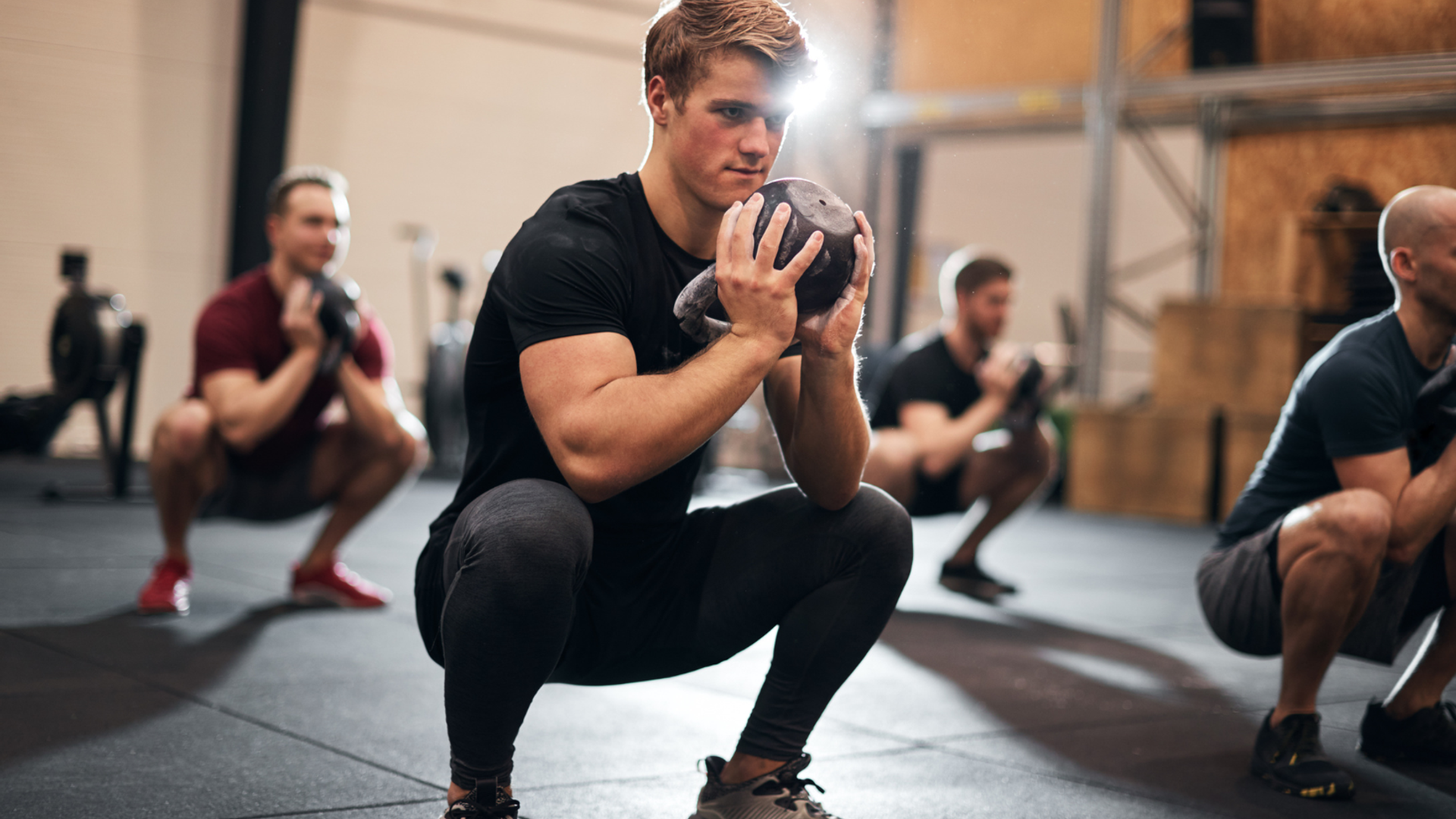
Stand with feet about shoulder-width apart and lower into a seated position as if sitting into a chair. Keep your chest lifted and push through your heels to stand back up. Move slowly and with control through each repetition.
The front of the thighs does much of the work as you lower and rise. Slower squats make the muscles work harder without the need for added weight.
Bulgarian Split Squats
Stand a few feet in front of a chair or couch and place one foot behind you on the elevated surface. Lower your body by bending the front knee while the back leg stays relaxed. Push through the front foot to return to standing.
Most of the effort stays in the front leg, which strongly targets the quads. Balance is also tested, helping improve control through the hips and knees.
Reverse Lunges
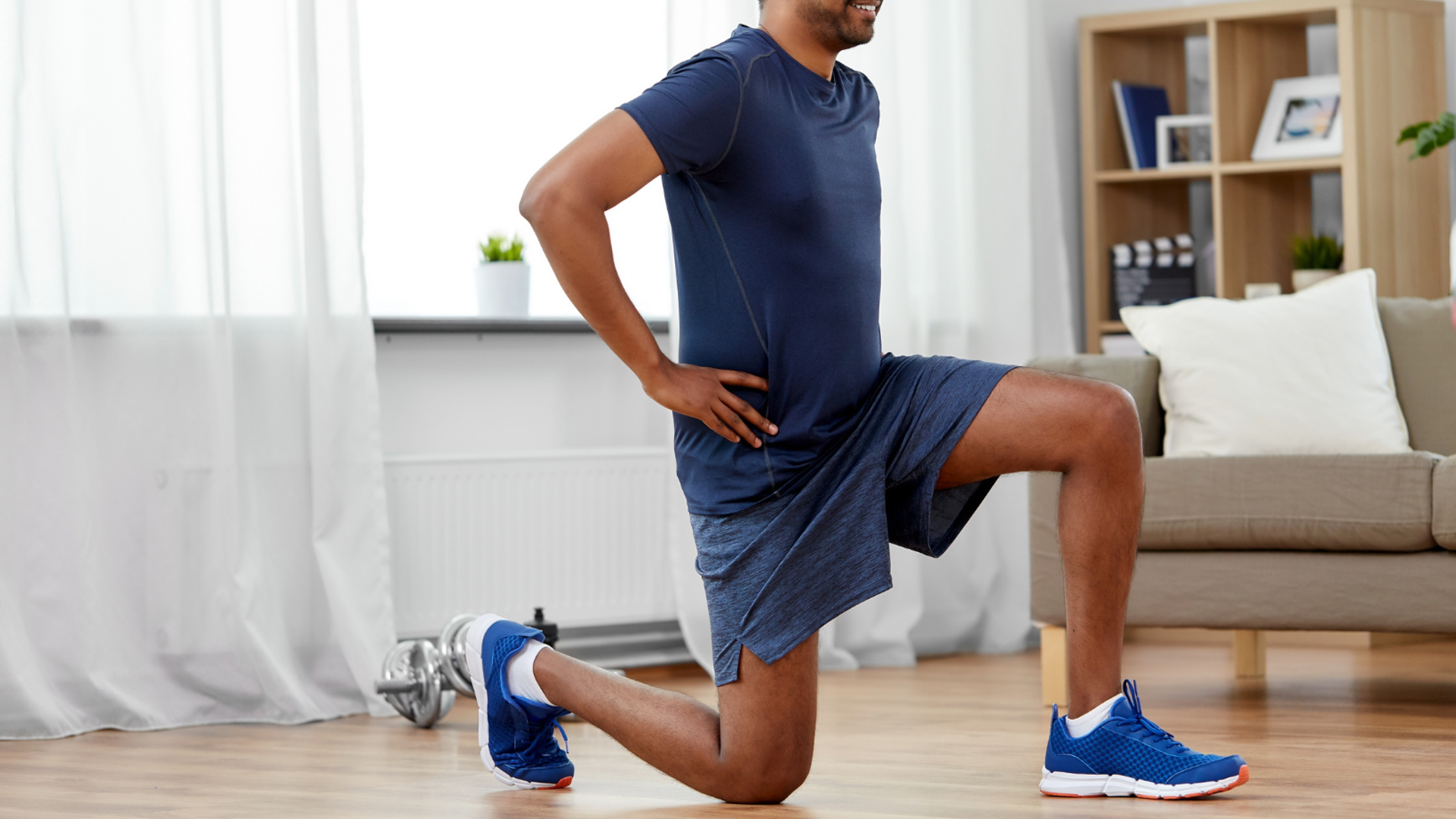
Start standing tall, then step one foot back into a lunge. Lower both knees, keeping most of your weight in the front leg. Push through the front foot to return to standing and switch sides.
Stepping backward reduces stress on the knee while still strengthening the thighs. The controlled push back to standing builds power and stability.
Seated Leg Extensions
Sit upright in a chair with both feet flat on the floor. Straighten one leg out in front of you and hold briefly at the top. Lower with control and repeat before switching sides.
Only the front of the thigh works during this movement, which helps improve muscle control.
Adding a resistance band around the ankles can make the exercise more challenging as you grow stronger.
Lateral Step-Downs
Stand sideways on a step or low platform with one foot supported and the other hanging off the edge. Slowly lower the hanging foot toward the floor by bending the support leg. Lightly touch the floor, then press back up through the standing leg.
The inner portion of the thigh near the knee works hard to control the lowering phase. Moving slowly improves joint control and supports knee stability.
Sissy Squats (Advanced)
Stand tall and hold onto a wall or sturdy surface for balance. Slowly lean your body backward while bending at the knees, keeping your torso straight. Return to standing by pulling through the front of the thighs.
This movement places strong tension directly on the quads. It should be added gradually and skipped if you feel any knee discomfort.
Start your Svetness journey today
Get a free consultation and see how our trainers can transform your wellness journey.
Common Training Mistakes That Slow Quad Progress
Even with the right quad strengthening exercises, progress can stall when small technical habits slip into training. These mistakes are easy to miss during at-home sessions:
Moving Too Fast Through Reps
Speed often replaces control when fatigue builds. When squats, lunges, or step-ups are rushed, momentum takes over, and the quads spend less time actively working. Slower, deliberate reps increase muscle engagement and reduce unnecessary stress on the knees.
Letting the Knees Collapse Inward
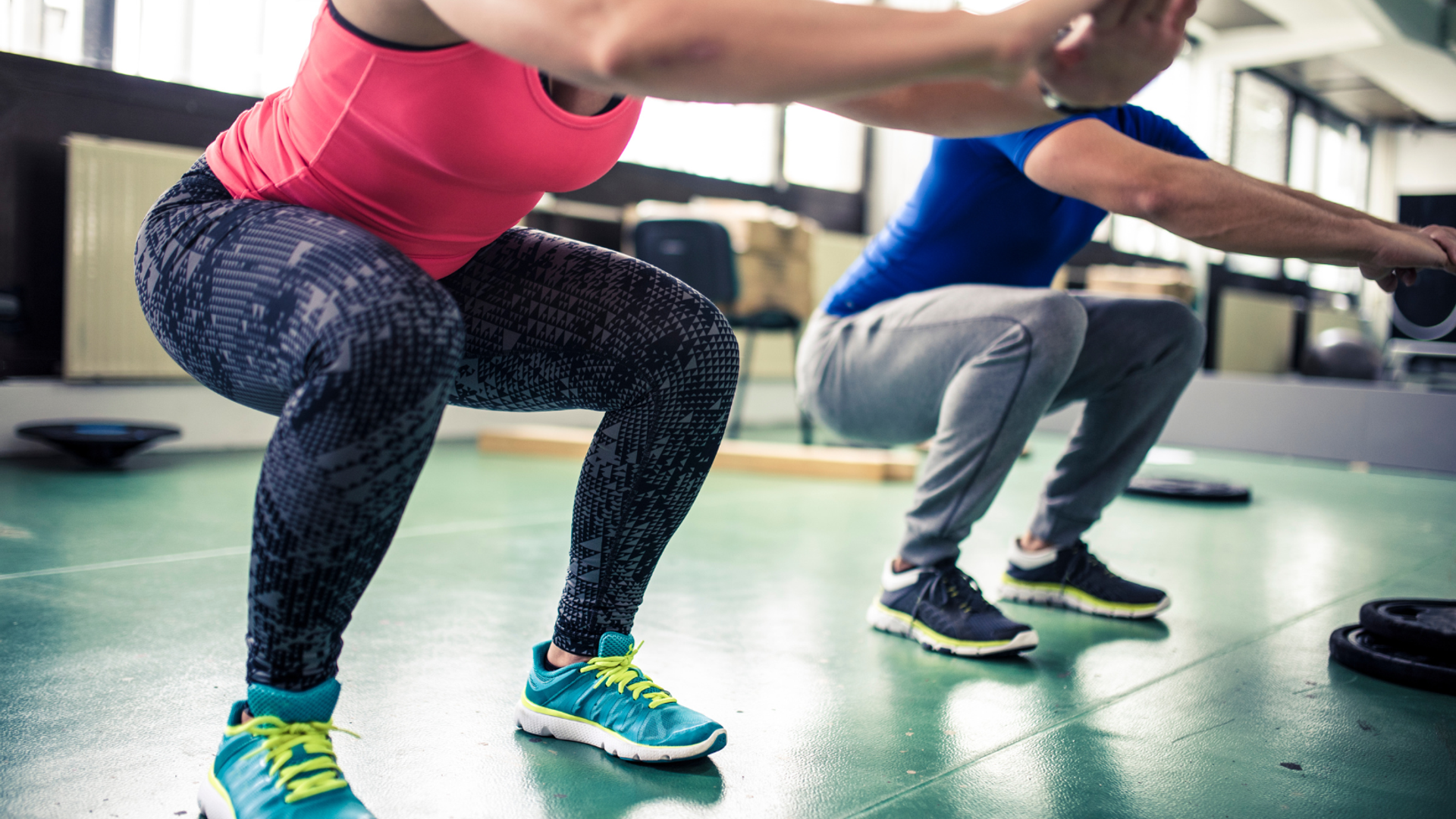
Knees drifting inward during lower-body movements unevenly distribute the load across the joint. This usually happens when the hips and quads are not working together efficiently. Keeping the knees aligned with the toes helps protect the joint while maintaining proper quad activation.
Skipping Warm-Ups and Cool-Downs
Cold muscles contract less efficiently, limiting early activation and increasing strain. Skipping warm-ups often leads to stiff movement patterns that reduce training quality. Cool-downs matter just as much, helping restore length and circulation for the next session.
Training Through Sharp Pain
Muscle fatigue is expected, but joint pain is not. Continuing through sharp knee or hip discomfort often creates longer setbacks. Adjusting the range of motion or reducing intensity allows your quad strengthening exercises to remain productive without delaying recovery.
The Ripple Effect of Stronger Quads Throughout the Body
Stronger quadriceps influence much more than the front of your thighs. Because they help control how force moves through the knees, hips, and spine, improvements in quad strength often create noticeable changes throughout the entire body.
Knee Stability and Injury Resistance
Well-trained quads help absorb impact during walking, stair climbing, and athletic movement. When the front of the thigh can manage load efficiently, stress on ligaments and joint surfaces decreases. This added control supports long-term knee health and injury prevention.
Support for the Hips and Lower Back
Weak quads frequently cause the hips and lower back to compensate during movement. As quad strength improves, force is distributed more evenly through the lower body. Many people notice a gradual decrease in chronic lower-back tension as leg strength becomes more reliable.
Conditioning and Energy Demand
Because the quadriceps are large muscles, strengthening them increases overall conditioning demand. Over time, this leads to improved stamina and work capacity during daily movement. This is one reason consistent quad strengthening exercises often improve endurance beyond the legs.
Confidence in Everyday Movement
The most noticeable benefits often appear outside structured workouts. Standing from chairs feels smoother. Carrying groceries becomes easier. Long walks feel steadier. These everyday improvements contribute directly to overall confidence in movement.
How Often Should You Train Your Quads?
For most people, two to three focused quad sessions per week are enough to create noticeable progress. Leaving at least one rest day between sessions allows muscle fibers to repair and strengthen properly.
A simple weekly structure might include one quad-focused session, one full lower-body session, and one mobility or active recovery day. This approach maintains steady progress without overwhelming the joints.
Rest matters just as much as effort. Strong legs are built during recovery, not only during the workout itself.
Using In-Home Personal Training to Build Stronger Quads Safely
Training at home is convenient, but without guidance, it is easy to second-guess your form or push too hard, straining the knees instead of strengthening them. That uncertainty often slows progress or leads people to stop altogether.
With Svetness, a certified trainer comes to you and takes the guesswork out of quad training. Each strength training session is built around your current strength level, your space, and any past injuries or limitations. Instead of wondering if you are going low enough or placing pressure in the wrong spot, you receive clear, real-time guidance as you move.
Progress happens at a pace that feels challenging but safe. As your legs grow stronger, your trainer gradually adjusts the exercises so your knees stay supported. If something feels uncomfortable, the movement is modified immediately rather than pushed through.
Training at home also makes consistency far easier to maintain. There is no commute, no crowded gym, and no rearranging your day to fit a workout in. Your sessions happen where you already are, which helps build strength through steady practice instead of short bursts of effort.
Over time, this kind of support leads to stronger quads, more stable knees, and greater confidence in how your body moves.
Bottom Line: Steady Quad Strength Builds Confident Movement
Strong quads are not built through extreme routines or short bursts of effort. They develop through consistent, focused quad strengthening exercises performed with patience and control. Over time, knees feel more stable, movement feels smoother, and daily life becomes easier on the body.
Start with simple movements. Prioritize clean reps. Allow recovery to support progress. As strength builds, your legs become more dependable in every environment, not just during workouts.
And when you want guidance that matches the pace of your life, Svetness brings expert coaching directly into your home. With professional support and a plan tailored to your needs, building stronger quads becomes safer, steadier, and far more sustainable.
Ready to get your personalized training plan? Book a free Svetness consultation.
> Free Consultation: Get Your Personalized Plan
FAQs
How long does it take to see results from quad strengthening exercises?
Most people begin noticing better knee stability and less fatigue within three to four weeks of consistent training. Visible strength and muscle tone usually follow after six to eight weeks, depending on training frequency, recovery, and overall activity level.
Can quad strengthening exercises help with knee pain?
Yes, when performed with proper form, quad strengthening exercises often reduce knee discomfort by improving joint support and control. Stronger quads help absorb impact and stabilize the knee during daily movement. If pain persists, professional guidance is recommended.
Are quad exercises safe to do every day?
Daily quad training is usually unnecessary and may slow recovery. Two to three focused sessions per week allow the muscles enough time to rebuild stronger. Light mobility work and walking can still be done on rest days without overloading the joints.
Do I need equipment to effectively strengthen my quads at home?
No equipment is required to build strong quads at home. Bodyweight movements like squats, lunges, step-ups, and wall sits provide enough resistance for most people. As strength improves, simple tools like resistance bands or dumbbells can add progression.
Start your Svetness journey today
Get a free consultation and see how our trainers can transform your wellness journey.