Create a practical home gym without overspending. Use bodyweight, simple gear, and expert tips from Svetness trainers to build a space that supports real results.
You don’t need a full squat rack or a fancy treadmill to train at home. You need something that works for your space, your routine, and your goals, all without draining your bank account.
The beauty of home gym ideas on a budget lies in their accessibility. It’s about making smart choices, not big purchases.
More often than not, it’s the simple setups that people stick with. A corner mat and a kettlebell used regularly will do more for your fitness than an untouched elliptical in the garage. Consistency, not equipment, drives results. That’s why personal trainers and home athletes alike are turning to practical setups that focus on efficiency.
The benefits go beyond savings. At home, there’s no commute, no waiting for machines, no monthly fees. You’re in control. You train when you want, how you want. And that kind of autonomy builds discipline fast. You learn to make movement part of your daily rhythm instead of treating it like a separate task that requires a change of scenery.
It also takes the pressure off. No one’s watching. No comparisons. Just movement, on your terms, with the gear you’ve chosen to fit your needs. You don’t need everything all at once.
You just need a starting point, and a little creativity.
Start With What You Have

Before ordering anything online, look around. You probably already have more usable tools than you think. Your floor? That’s your training ground. Your stairs, chairs, even walls: they all become part of the setup. A home gym doesn’t start with buying gear. It starts with seeing your space differently.
The goal here isn’t to recreate a commercial gym. It’s to build an environment where movement happens consistently. That means focusing on accessibility, flexibility, and simplicity. The less friction there is to getting started, the more likely you’ll stick with it.
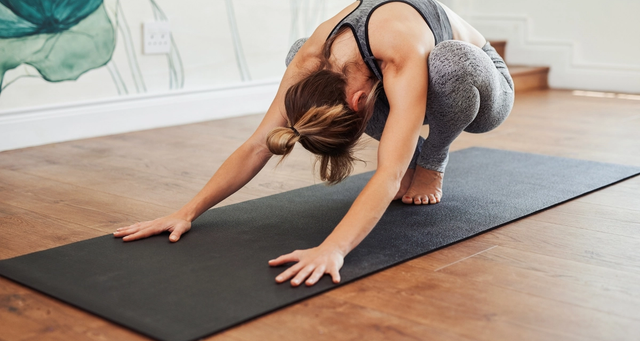
Some people overthink this stage, believing they need special flooring or a dedicated room. Not true. What matters is carving out a space that feels intentional, even if it’s just a yoga mat behind the couch. The rest follows naturally once movement becomes a habit.
This is also the stage where personal touches matter. Maybe it’s a playlist, a timer on the wall, or even a notebook nearby to track progress. Those small cues can turn a basic space into a place you actually look forward to using.
Clear the Zone
Start with your footprint. Literally. You don’t need much; just enough space to lie flat, stretch your arms, and move freely in a few directions. That could be a bedroom corner, part of the living room, or a patch of garage floor. The size isn’t the point. Ownership is.
Decluttering helps. So does having a few core items nearby: a mat, water bottle, towel, and maybe a mirror for form checks. Keep your gear within reach. If you have to dig it out every time, you won’t use it.
Lighting plays a role too. Natural light can boost mood and energy. If you’re working out in a basement or at night, consider adding a soft lamp or LED strips. The vibe matters.
Once the area’s clear, treat it like your training ground. That psychological signal (“this is where I move”) makes a difference. It tells your brain that it’s time to get up and go.
Use Your Bodyweight
There’s no substitute for knowing how to move your own body well. Bodyweight exercises build strength, mobility, and control. And they scale with you. Simply adjust the angles, reps, or tempo.
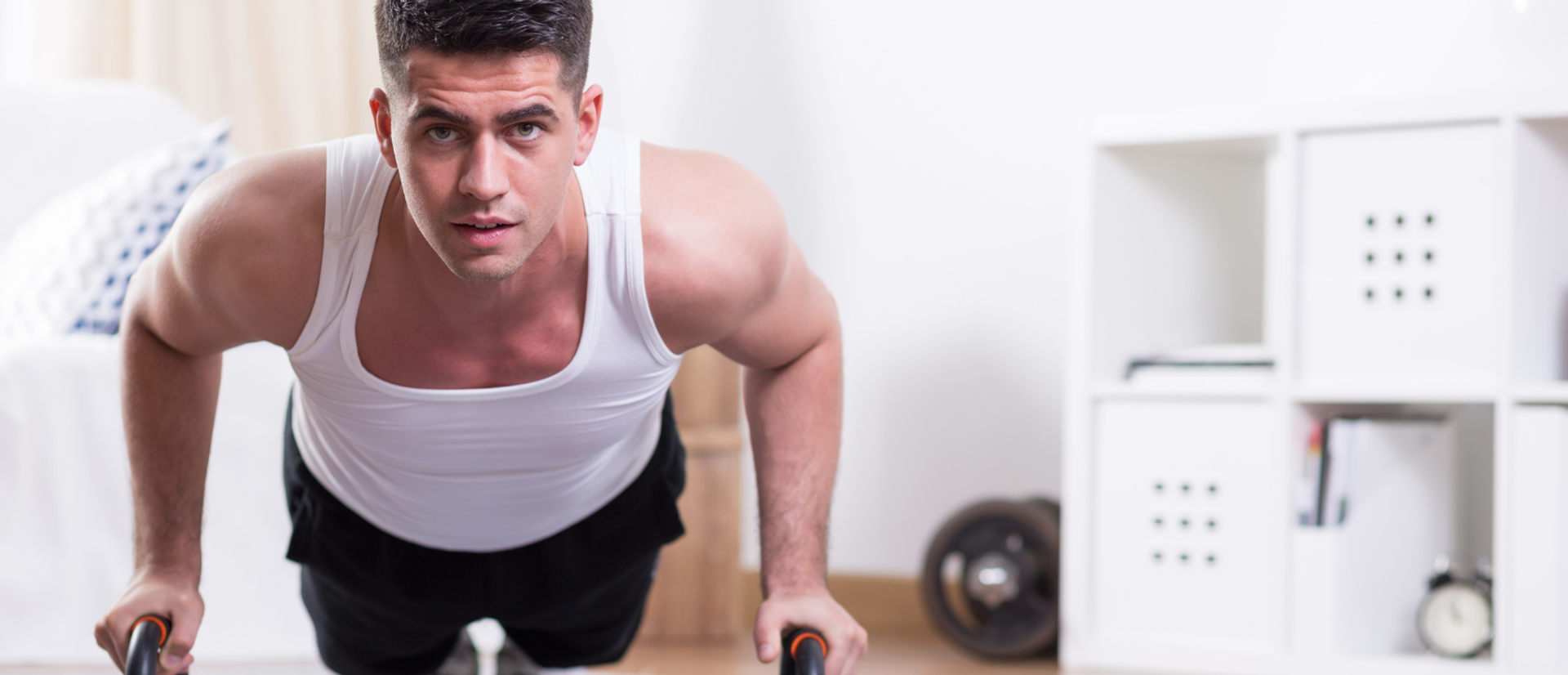
Squats, push-ups, lunges, planks, bridges, crab walks, mountain climbers, the list is long. And they’re all legit. The key is consistency. You don’t need to max out on day one. You need to build a base.
Slowing down reps is underrated. A three-count descent on a squat or push-up turns a basic move into a strength builder. The same goes for holds and pulses. Time under tension builds muscle just as well as equipment, especially in the early stages.
If you want to add weight without buying anything, load up a backpack. Books, water bottles, canned goods. It’s not fancy, but it works. Form still comes first. Always.
And don’t forget unilateral moves; single-leg glute bridges, split squats, one-arm push-ups. They reveal imbalances and force your core to work overtime.
Furniture as Equipment
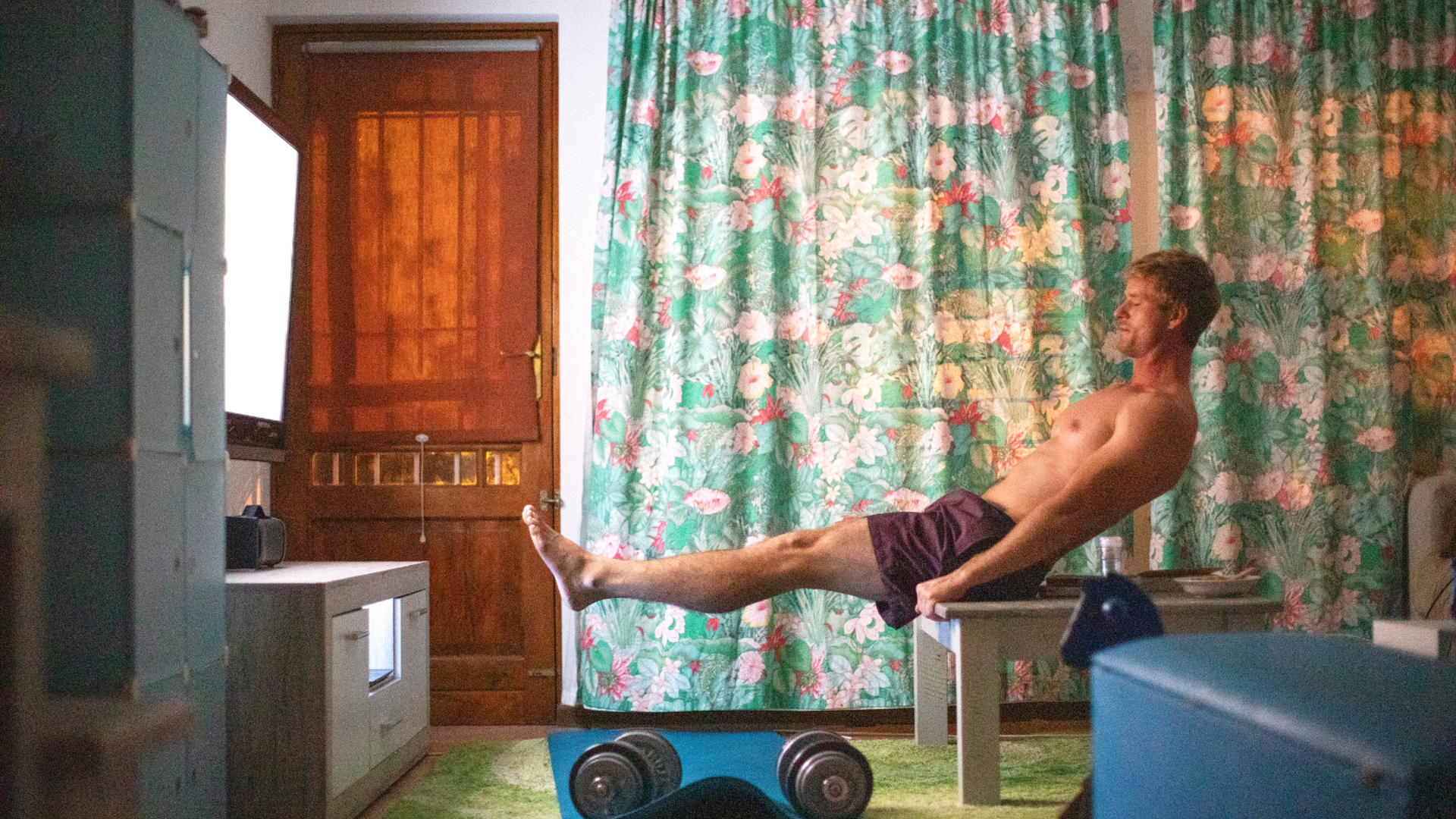
Your couch isn’t just for post-workout recovery. It’s a perfectly stable surface for Bulgarian split squats, incline push-ups, tricep dips, and hip thrusts. The same applies to a coffee table, bench, or sturdy chair.
Need a step-up box? Use the stairs. Want to simulate a leg press? Try wall sits. Want to add core stability? Grab a cushion and do bird dogs or planks with one hand or foot on it.
Your surroundings aren’t limitations. They’re opportunities. The trick is reimagining how furniture can support your movements, both literally and figuratively.
Even walls come into play. Wall sits, wall walks, handstand holds. They all challenge strength and stability without a single piece of gear.
The only rule? Make sure whatever you’re using is stable. Test it before loading your weight onto it. Safety first, always.
Choosing the Right Equipment Without Overspending

Once your space is set and your routine is rolling, it’s time to start thinking about equipment.
Not everything is worth your money. Some tools gather dust more than they get used. The key is knowing what makes sense for you and your goals, not what looks impressive online. That’s where the best home gym ideas on a budget come into play.
Start with movement patterns. If you’re focused on strength, consider exercises like squats, push-ups, pull-ups, and deadlifts, which involve movements that require strength and stability.
If your priority is cardio or endurance, go for versatility and portability. And don’t get caught up in trends: staple equipment has stuck around for a reason. You’ll get more out of a well-used kettlebell than a shiny machine that only does one thing.
You don’t need to buy it all at once. Build slowly. One or two solid pieces can open up dozens of workout options if you know how to use them right. Prioritise gear that offers maximum variety in minimal space.
Must-Have Basics
There are a few essentials nearly every budget home gym should consider. A solid yoga mat tops the list, not just for stretching, but as your foundation for nearly every bodyweight or mobility move.
Resistance bands are next. They’re affordable, easy to store, and useful for strength, mobility, and rehab. Look for a mix of loop bands and long bands with handles if possible. You can do everything from assisted pull-ups to glute work to shoulder warmups.
Dumbbells or kettlebells come next. You don’t need a full rack. Even a single pair opens up push presses, rows, squats, swings, and carries. If your budget allows, adjustable dumbbells can replace a whole set.
Finally, a foam roller or massage ball can help with recovery. It’s a small investment that keeps your body moving better for longer.
Smart Upgrades (Nice-to-Haves)
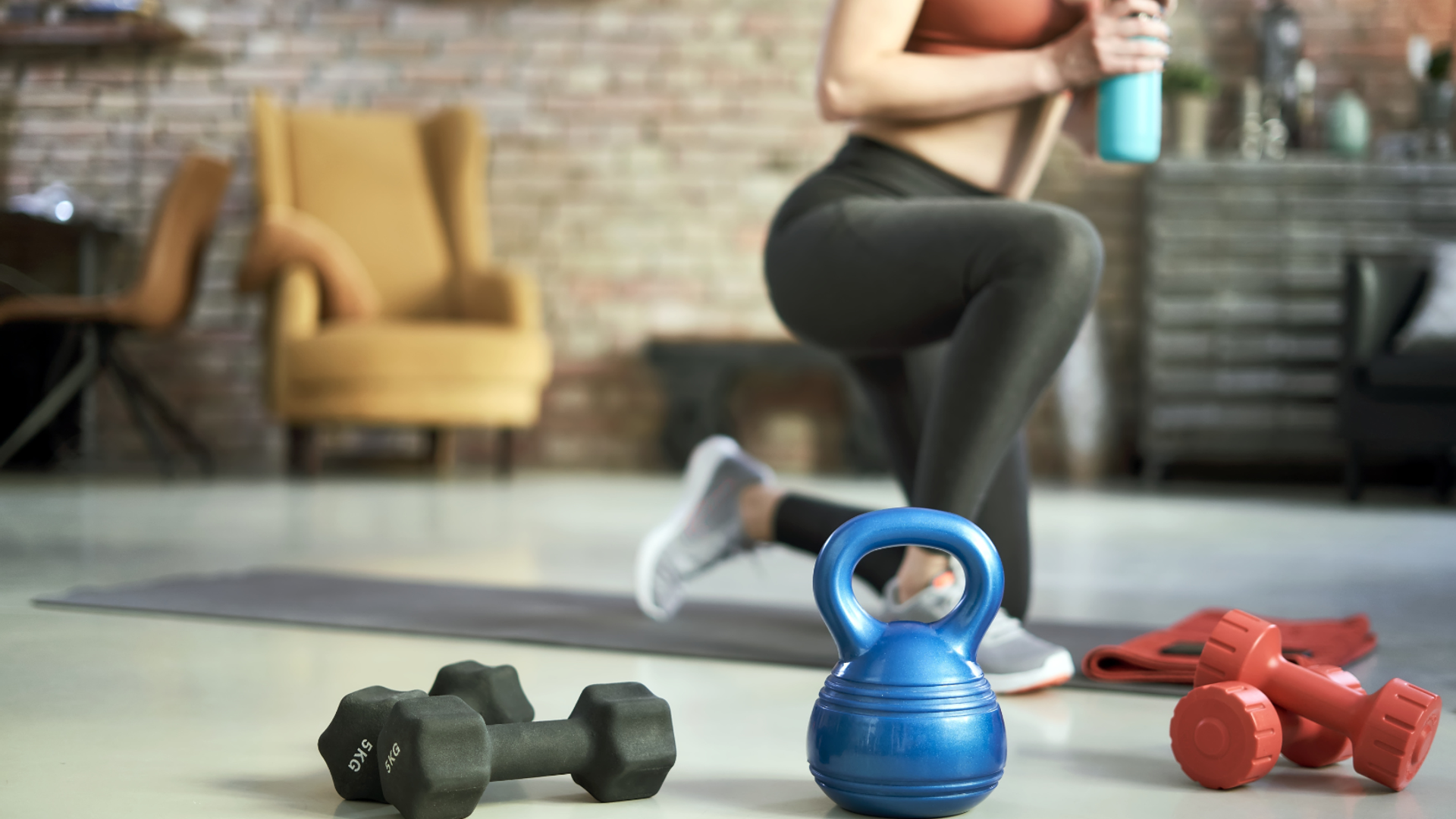
Once you’ve got the basics down, you can slowly add in pieces that match your goals.
A pull-up bar, especially one that fits in a doorway, adds serious value for upper body strength. So does a set of sliders for core and leg work on smooth floors.
If you want to ramp up cardio without leaving the house, a jump rope is a no-brainer. Or consider a compact step or aerobic bench for dynamic lower-body training.
Looking for a full-body strength boost? A suspension trainer (like TRX) is worth it. It uses your bodyweight and takes up barely any space.
If you’ve got a little more room and want variety, a stability ball, medicine ball, or even a mini trampoline can add challenge and fun to your routine. But only grab what you’ll actually use. Don’t shop aspirationally.
Buy New or Used?
Budget-conscious setups often involve second-hand finds, and there’s no shame in that. In fact, it’s often the smartest move. People buy fitness gear with good intentions, only to end up selling it barely used. Facebook Marketplace, Craigslist, Gumtree, or local garage sales can be goldmines.
Still, inspect before you commit. Check for rust on metal, cracks in plastic, or wear in resistance bands. For any weight-bearing equipment, such as benches or bars, ensure the structure is sound and the bolts are tight.
Certain items are best bought new. Resistance bands can degrade over time. So can foam rollers. If hygiene or safety is a concern, go new. But for dumbbells, mats, kettlebells, benches? Used can save you a lot.
Timing helps too. Right after New Year’s and around spring cleaning season, people unload unused gear. That’s when prices dip, and options expand.
How to Know What’s Worth It
Ask yourself three questions: Will I use this at least once a week? Does it fit my current goals? Will it last?
If the answer is yes to all three, it’s probably a solid buy. But if you’re unsure, wait. You can always add it later. There’s no rush.
Also, consider storage. Foldable or stackable gear will keep your space tidy. If something takes up room but only does one thing, it needs to earn its keep.
And if you're ever stuck between two pieces of gear, choose the one that opens up more movement options. Versatility is everything in a budget gym.
How Svetness Trainers Bring Home Gyms to Life
The right gear helps, but knowing how to use it is what actually creates results. That’s where Svetness personal trainers come in. They’re not just guiding workouts. They’re helping you build systems that work in real life, in real spaces, with real budgets.
When someone signs up for training at home, Svetness doesn’t show up with a one-size-fits-all plan. Trainers assess the space, listen to your goals, and review the equipment you already have (even if it’s just a mat and chair), and then build from there. The sessions are customized, practical, and built around what you can actually sustain.
They also save you from decision fatigue. Instead of wondering which resistance band to buy or how to set up a weekly routine, you’ve got a coach walking you through every step.
You’ll know exactly what to do, when to do it, and how to do it right. That kind of guidance is hard to find, and even harder to replace once you’ve had it.
You also get accountability that works. No long commute. No packed class schedules. Just someone showing up (virtually or in person) to keep you focused, correct your form, and build momentum. And for people juggling work, family, or unpredictable schedules, that structure is priceless.
Svetness trainers also teach you how to get more out of your existing gear. That kettlebell in the corner? It becomes part of ten different circuits. That wall? Now it’s a posture trainer. That towel? Core slider. They bring the creativity and the results.
And it’s not just about the workout. It’s the habit. The support. The feeling that someone’s in your corner, adapting the plan when life throws a curveball. With the right trainer, your home gym becomes a training ground for consistency, not just convenience.
> Book a Free Meeting with Svetness
FAQs
How much does it cost to build a home gym on a budget?
You can build a functional starter setup for under $100. Start with a mat, a few resistance bands, and a pair of dumbbells. Add gear gradually based on your routine and space. Many people spend less than they would on a one-month gym membership and get years of use.
Can I get strong without big equipment?
Absolutely. Bodyweight training, resistance bands, and simple gear like kettlebells or suspension trainers can build serious strength. It’s all about how you structure your sessions and push progression.
What’s the best space for a home gym?
Any clear, flat area works; bedroom corner, garage floor, living room rug. You don’t need a full room or a dedicated setup. Just enough room to lie down, move around, and stay focused.
How can I stay consistent with home workouts?
Create a visible space for your gear, set regular training times, and track your sessions. Working with a personal trainer through Svetness can also help build structure and momentum, especially if you’re starting from a blank slate.
Start your Svetness journey today
Get a free consultation and see how our trainers can transform your wellness journey.