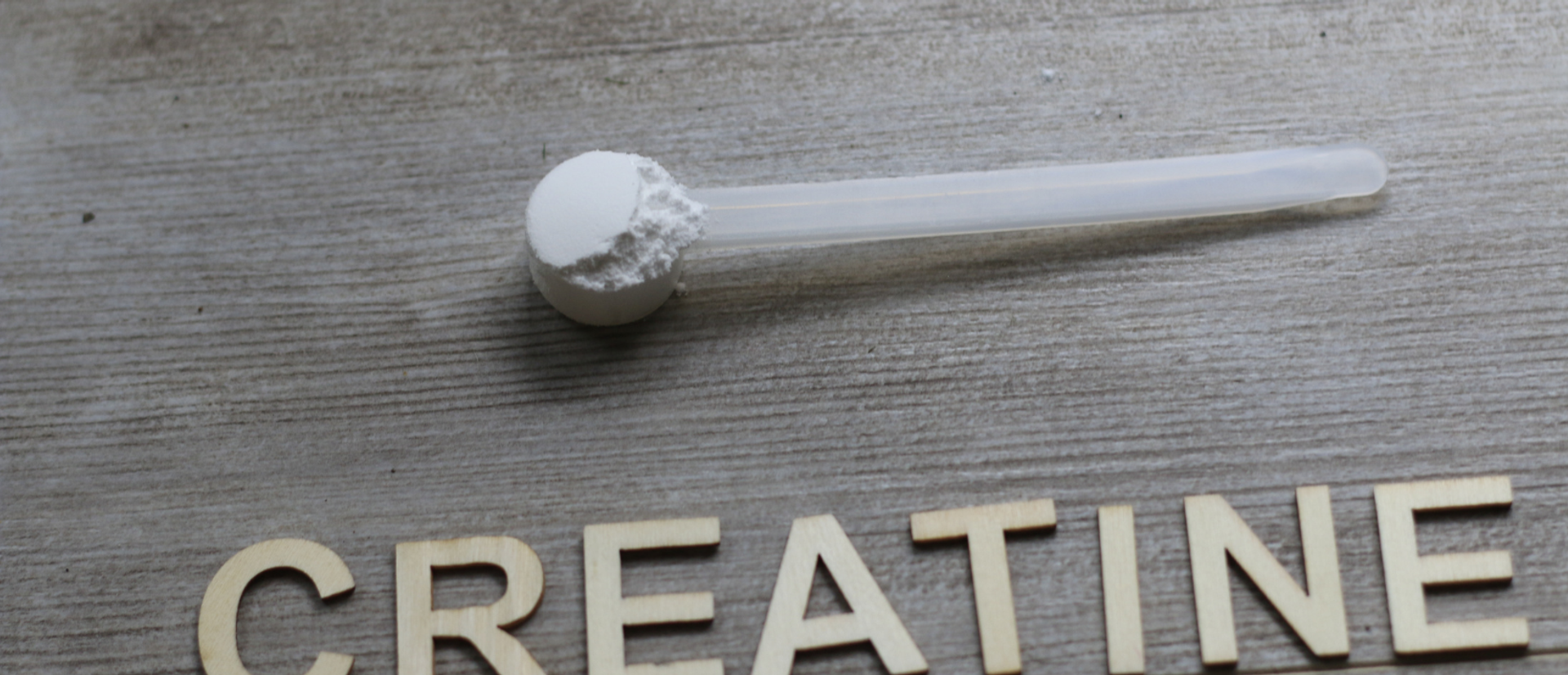
When Should You Take Creatine: Before or After Workout?
Should you take creatine before or after a workout? Learn what timing really matters for strength, recovery, and results with a simple, practical breakdown.
Creatine is one of those supplements most fitness enthusiasts hear about constantly.
Maybe a trainer mentions it. Perhaps a gym friend swears by it. It may show up on your social feed often enough that curiosity takes over. However it enters the picture, it usually brings the same follow-up question with it:
Should you take creatine before or after a workout?
Some people treat it like a pre-workout boost. Others mix it into their post-training shake. Many take it whenever they remember and still feel the benefits. With so many opinions floating around, timing can start to feel like a bigger decision than it really needs to be.
This guide breaks down what creatine actually does, how timing fits into the bigger picture, and how most people use it successfully in real training life. Either way, it’s time we bring some much-needed clarity to this topic.
Creatine’s Role in Muscle Energy and Strength

Creatine already exists inside your body. It is made from amino acids and stored mostly in your muscles. You also get small amounts of it through food, usually from red meat and fish.
Inside the muscle cell, creatine serves one main function. It supports the rapid production of ATP.
ATP is the molecule your muscles use for quick energy during hard, fast movements. Think heavy lifts, sprints, jumps, and short bursts of effort.
When ATP levels drop, performance declines. Creatine helps restore that energy more quickly, so
muscles can keep working at high intensity. Over time, this shows up as:
- Stronger lifts
- Better performance across multiple sets
- Faster recovery between workouts
- Improved training volume across the week
Creatine does not act instantly. It works gradually by building up inside the muscle over days and weeks. Once your muscles are saturated, creatine becomes part of your daily training support system.
This slow build is also why timing causes so much confusion.
Why Timing Became Such a Big Question
Once people learn that creatine supports performance, the next question feels natural. When should I take it to get the most benefit?
Over time, three common habits developed:
- Some people take creatine before training.
- Some take it after training.
- Some take it at the same time each day, training or not.
Each approach sounds reasonable on its own. Pre-workout feels logical for energy. Post-workout feels logical for recovery. Fixed timing feels logical for consistency.
In practice, long-term results between these approaches often look very similar when daily intake stays steady.
Taking Creatine Before a Workout
Pre-workout creatine is often tied to routine. It goes into the same category as pre-workout supplements or just simple carbohydrate sources before training.
However, we want to make one thing clear: creatine doesn’t give you an immediate energy surge. It is not a stimulant like caffeine. The scoop you take before training adds to your long-term muscle stores rather than directly fueling that one session.
This timing works well for people who:
- Train early in the day
- Already use pre-workout drinks
- Like keeping all supplements in one routine
- Tend to forget supplements later
The main advantage here is consistency. When creatine becomes part of your warm-up habit, it is less likely to get missed.
Taking Creatine After a Workout
Post-workout timing became popular once research began exploring how nutrients are absorbed after exercise. After training, muscles are low on energy, and blood flow remains elevated. Many people also consume protein and carbohydrates at this time.
Some evidence suggests there may be a slight advantage to taking creatine after training, as muscles are primed for nutrient uptake during the recovery window. The difference is modest, but it may support recovery when paired with protein and carbohydrates.
In everyday training, post-workout creatine works well because:
- It mixes naturally into protein shakes
- It becomes part of recovery, not preparation
- It pairs easily with post-training meals
- It supports hydration after effort
For people who train later in the day, this often feels like the most natural time to take it.
Taking Creatine at the Same Time Every Day

And finally, regularity, regardless of training, is a routine many experienced trainees settle into.
Once muscle stores are saturated, creatine only needs a steady daily supply to stay effective. Some people take it with breakfast. Others add it to a daily smoothie. Some keep it next to their coffee mug.
This approach works because it:
- Removes the need to match supplements to workouts
- Keeps intake steady on rest days
- Reduces overthinking
- Fits unpredictable schedules
In real life, the best timing is often the one you remember consistently.
Loading Phase vs Daily Maintenance
Creatine instructions often mention a loading phase. This involves taking a higher daily amount for several days to saturate the muscles quickly. After that, intake drops to a smaller maintenance dose.
You can also skip loading entirely and take a standard daily dose right away. This still saturates the muscles. It just happens more slowly. With loading, saturation usually happens within about a week. Without loading, it usually takes three to four weeks.
The long-term outcome is the same when daily use stays consistent. Some people like the faster start. Others prefer avoiding higher doses that may cause stomach discomfort early on. Both approaches work.
Start your Svetness journey today
Get a free consultation and see how our trainers can transform your wellness journey.
How to Use Creatine Without Complicating Your Routine
Creatine works best when it blends into daily habits instead of feeling like another task to manage.
Taking creatine with food or shakes often feels easier on digestion. Many people mix it with protein or carbohydrates simply because it fits their normal routine.
Hydration matters more than many beginners realize. Creatine draws water into the muscle cell. This supports strength and size. It also means fluid needs rise slightly. When water intake stays low, fatigue or cramping can creep in.
Daily use supports stable muscle levels. Creatine does not require frequent cycling for most healthy adults. Long-term daily use at standard doses has been studied widely.
Creatine monohydrate remains the most reliable form available. It is the version used in most research and continues to perform consistently across different age groups and training styles.
What Happens if You Miss a Day?
One missed dose does not undo your progress. Muscle creatine levels decline slowly. Skipping a single day barely changes that.
Repeated missed days are different. When intake becomes inconsistent, muscle stores begin to fall gradually. As levels drop, the benefits of strength and recovery fade little by little.
If you forget a dose, simply continue your normal routine the next day. There is no need to double up.
This is another reason the creatine-before-or-after-workout debate often feels bigger than it needs to be. Consistency matters far more than perfect timing.
Common Misunderstandings About Creatine Timing
One common belief is that creatine works like a stimulant. It does not. There is no quick rush, no alertness shift, no nervous system effect.
Another concern is taking creatine later in the day and sleep disruption. Creatine does not behave like caffeine. Most people tolerate it at any time without affecting sleep quality.
There is also the idea that higher doses bring faster results. Once muscles are saturated with creatine, excess creatine is simply excreted. More does not mean better at that point.
These misunderstandings stick around because creatine is effective enough that people want to optimize it aggressively. In reality, its power lies in steady, regular use.
How Creatine Supports Recovery Inside the Muscle
Creatine plays an important role in recovery after exercise and in strength.
By helping regenerate ATP, creatine supports repeated high-intensity effort with less cellular strain. Recovery between sets feels steadier. Across weeks, cumulative fatigue becomes easier to manage.
Creatine also supports glycogen restoration. After training, muscles work to refill stored carbohydrates. Creatine helps this process move along, which matters for people training several times per week.
Water drawn into the muscle cell helps create an environment that supports repair and growth signaling. These effects unfold gradually. Visible changes appear only after steady, sustained training over time.
What Personal Trainers See With Long-Term Creatine Use

In real training environments, consistency always beats perfect timing. Clients who treat creatine as a simple daily habit tend to stick with it far longer than those who constantly adjust their schedule around it.
Most people feel the performance shift before they ever see physical changes. Sets last a little longer. Recovery between sessions feels smoother. Training weeks stack together with fewer interruptions from excessive soreness or fatigue.
The biggest difference shows up when creatine is paired with a structured training plan. On its own, timing rarely moves the needle much. When it is layered into progressive strength work, recovery routines, and steady nutrition, results feel far more reliable.
At Svetness, our at-home personal trainers help clients place supplements into a realistic routine that actually fits their lifestyle. Creatine becomes one small piece of a larger system built around strength progression, smart recovery, and everyday nutrition habits. The goal is simplicity that lasts, not short-term optimization.
Who Gets the Most Out of Creatine?
Creatine supports several types of training and client goals when it is used consistently and paired with proper programming.
It is especially useful for people focused on resistance training and strength, where short bursts of high effort drive most performance gains.
It also benefits HIIT, sprint work, and other high-intensity formats that rely heavily on repeated power output.
Adults aiming to preserve muscle as they age often respond well when creatine is combined with regular strength training and balance-focused movement. Vegetarians and individuals with low dietary creatine intake sometimes notice a stronger response since their baseline muscle stores tend to be lower.
Creatine is widely regarded as safe for healthy adults when taken at standard doses. Anyone with kidney conditions or ongoing medical concerns should speak with a healthcare provider before supplementing.
The Bottom Line on Creatine Timing
For most people, creatine timing does not need to be complicated.
Taking it after a workout may offer a small recovery benefit when paired with protein and carbohydrates, but the difference is modest. What matters most is steady daily use.
If taking creatine before or after a workout helps you stay consistent, that approach works. If taking it in the morning is easier, that works too. Muscle cells respond to regular supply over time, not exact clock placement.
Creatine works best when it supports a well-built routine instead of becoming the primary focus.
When training is programmed correctly, nutrition stays balanced, and recovery is respected, creatine reinforces the process in the background. If you want help building a system where supplements, strength training, and recovery all work together smoothly, an in-home personal trainer from Svetness can guide that structure from day one.
Ready to get your personalized plan? Book your free Svetness consultation.
> Free Consultation: Get Your Personalized Plan
FAQs
Is it better to take creatine before or after a workout?
Both options work when taken daily. Post-workout timing may offer a slight recovery benefit when paired with protein and carbohydrates. Pre-workout use works well when it supports consistent habits.
Can you take creatine on rest days?
Yes. Creatine works by keeping muscle stores saturated over time. Taking it on both training and rest days helps maintain those levels.
How long does it take to see results from creatine?
Many people notice improved training tolerance within two to four weeks. Visible physical changes depend on training quality, nutrition, and recovery habits.
Does creatine cause weight gain?
Some people see a small early increase in scale weight due to water stored inside muscle cells. This is not fat gain. Long-term weight change depends on total calories and training stimulus.
Start your Svetness journey today
Get a free consultation and see how our trainers can transform your wellness journey.