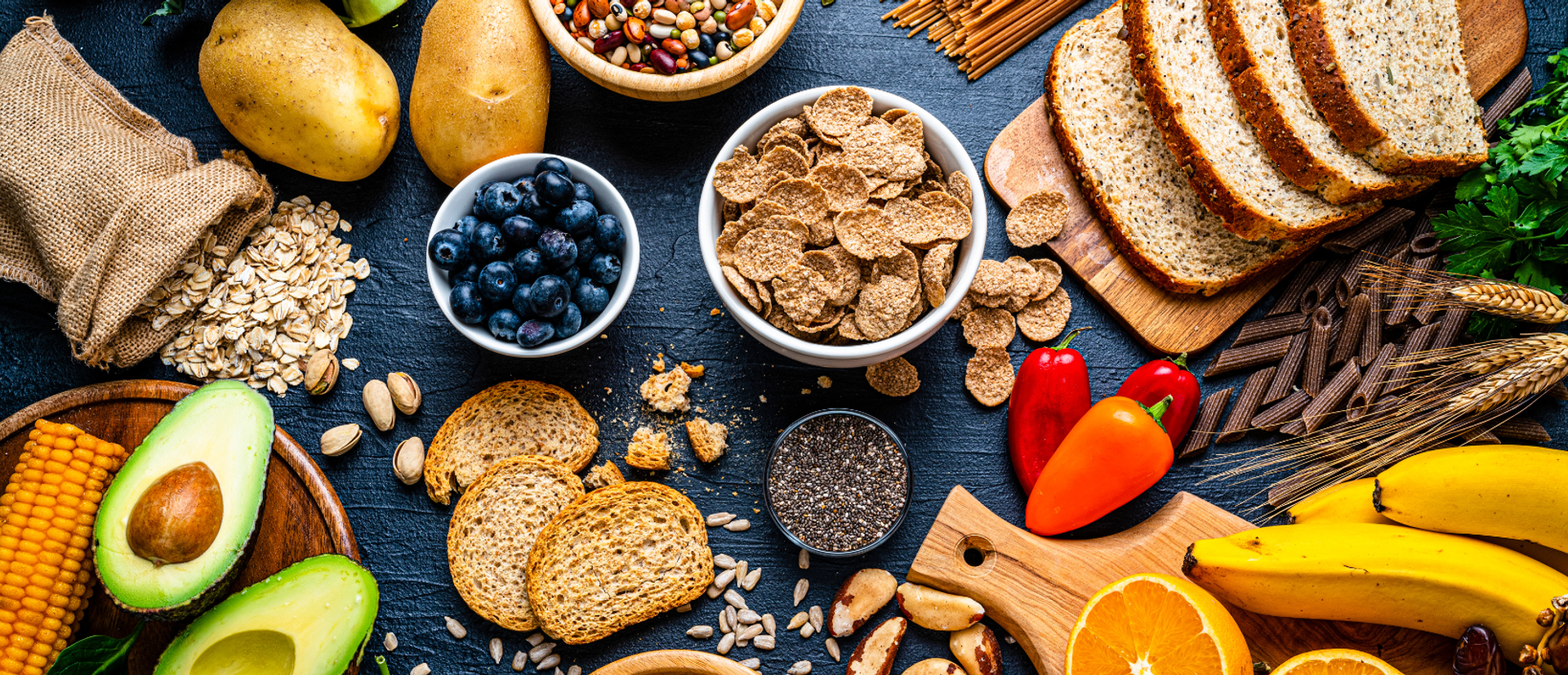
The Beginner’s Guide to Fibermaxxing for Healthier Muscles
Curious about fibermaxxing? Learn what it is, how it supports digestion and muscle health, and how to start safely as a beginner.
When it comes to gains, protein usually steals the spotlight. Shakes after workouts. Chicken breast or mince for every meal. Protein bars in gym bags.
Fiber rarely gets the same attention, yet it influences how your body feels far beyond digestion alone.
If you have ever felt sluggish during workouts, bloated after meals that should have felt “clean,” or caught in a cycle of hunger spikes and crashes, fiber is often part of the missing link.
Lately, more and more clients have started asking about fibermaxxing, especially once their protein intake is solid but their energy and recovery still feel inconsistent.
Fibermaxxing has nothing to do with restriction. It is a way of paying closer attention to how fiber fits into daily nutrition, and the right amount shapes training, recovery, and long-term progress.
Read on to learn all about fibermaxxing and how to introduce it in your daily routine without overhauling your entire meal plan.
What Is Fibermaxxing?
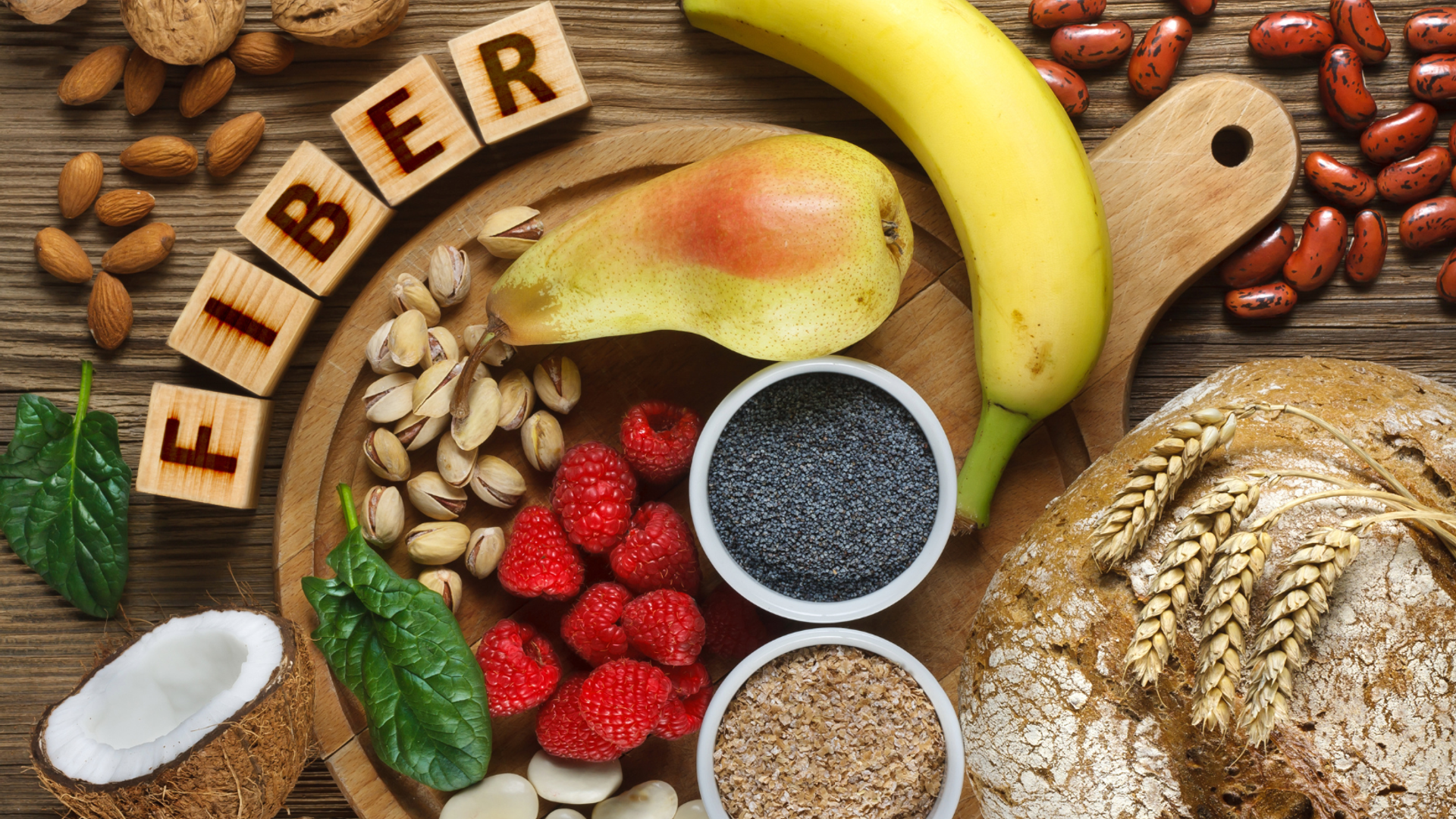
At its core, fibermaxxing simply refers to being mindful about eating enough fiber. Rather than occasionally eating fiber-rich foods, you begin to build most meals around ingredients that naturally contain it.
Most people already consume some fiber without realizing it. A banana with breakfast. A salad with dinner. A slice of whole-grain bread here and there. Fibermaxxing turns those occasional moments into a steady pattern.
The term itself grew out of online wellness spaces where people started focusing on small nutrition habits that improved how they felt. Fibermaxxing gained traction because of its simplicity and effectiveness. You are not asked to overhaul your entire diet. You are simply paying more attention to one key nutrient that influences digestion, appetite, and energy.
Fiber Matters and Muscle Health: What’s the Connection?
Fiber does not directly build muscle, yet it influences the conditions that allow training and nutrition to do their job properly.
If you’ve attended a basic health or biology class, you probably already know that digestion plays a central role in how nutrients move through the body. When digestion runs smoothly, protein, carbohydrates, and minerals reach muscle tissue efficiently. When digestion is slow or inconsistent, energy levels drop, appetite becomes irregular, and recovery tends to feel slower.
Fiber helps regulate the rate at which carbohydrates enter the bloodstream. A steadier release supports consistent workout energy and fewer dramatic crashes later in the day. This matters more than most people realize, especially during weeks of frequent training.
A common misconception is that protein controls appetite. In reality, fiber also affects how satisfied you feel after eating. Meals that contain enough fiber tend to leave you feeling fuller for longer. As a result, you develop steadier eating patterns and fewer impulsive choices later on.
Consider two lunches built around the same portion of chicken. One is served on white bread with a sugary drink. The other includes whole grains and vegetables. Both contain protein, yet the second choice is likely to keep energy steady through the afternoon and support a stronger training session later.
Introducing Fibermaxxing Into Your Daily Life

In practice, fibermaxxing blends into daily habits rather than feeling like a strict nutritional system.
What “Maxxing” Really Means
The word sounds intense, but the idea is simple. Fibermaxxing means choosing fiber-rich foods when you have a choice. For example, adding fruit to breakfast instead of skipping it. Including vegetables at lunch rather than pushing them aside. Reaching for beans or whole grains more often during cooking.
Accidental Fiber vs Intentional Fiber
“Accidental fiber” is when you leave your fiber intake up to chance. You might “accidentally” eat wholegrain bread or broccoli one day, and altogether skip any sources of fiber the next.
Intentional fiber consumption looks different. Breakfast includes oats or fruit by design.
Snacks include nuts or fresh produce. Dinner regularly includes vegetables that make up a good chunk of the plate.
Being consistent and intentional with your fiber intake will soon lead to better digestion, appetite regulation, and stable energy levels.
Food-First vs Supplement-First Approaches
Fibermaxxing begins with real food. Vegetables, fruits, legumes, whole grains, nuts, and seeds provide fiber, along with water and micronutrients, to help digestion stay smooth.
Supplements may sometimes help when food alone falls short due to schedule or appetite. For beginners, building fiber intake through everyday meals is usually the easiest and most comfortable approach, but fiber supplements are still better than nothing.
Signs You May Need More Fiber
Fiber needs can vary from person to person. Your body often signals when intake is falling short.
Digestive changes usually appear first. Irregular bathroom habits. A heavy feeling after meals. Long gaps between hunger and fullness.
Other signs feel less obvious. Midday energy dips. Sudden cravings. Feeling hungry again, not long after eating balanced meals. Training sessions that start to feel harder than they should.
Recovery plays a role as well. When digestion is sluggish, nutrients reach muscle tissue more slowly. Soreness may linger. Sleep quality can also be affected.
Best Foods for Fibermaxxing as a Beginner
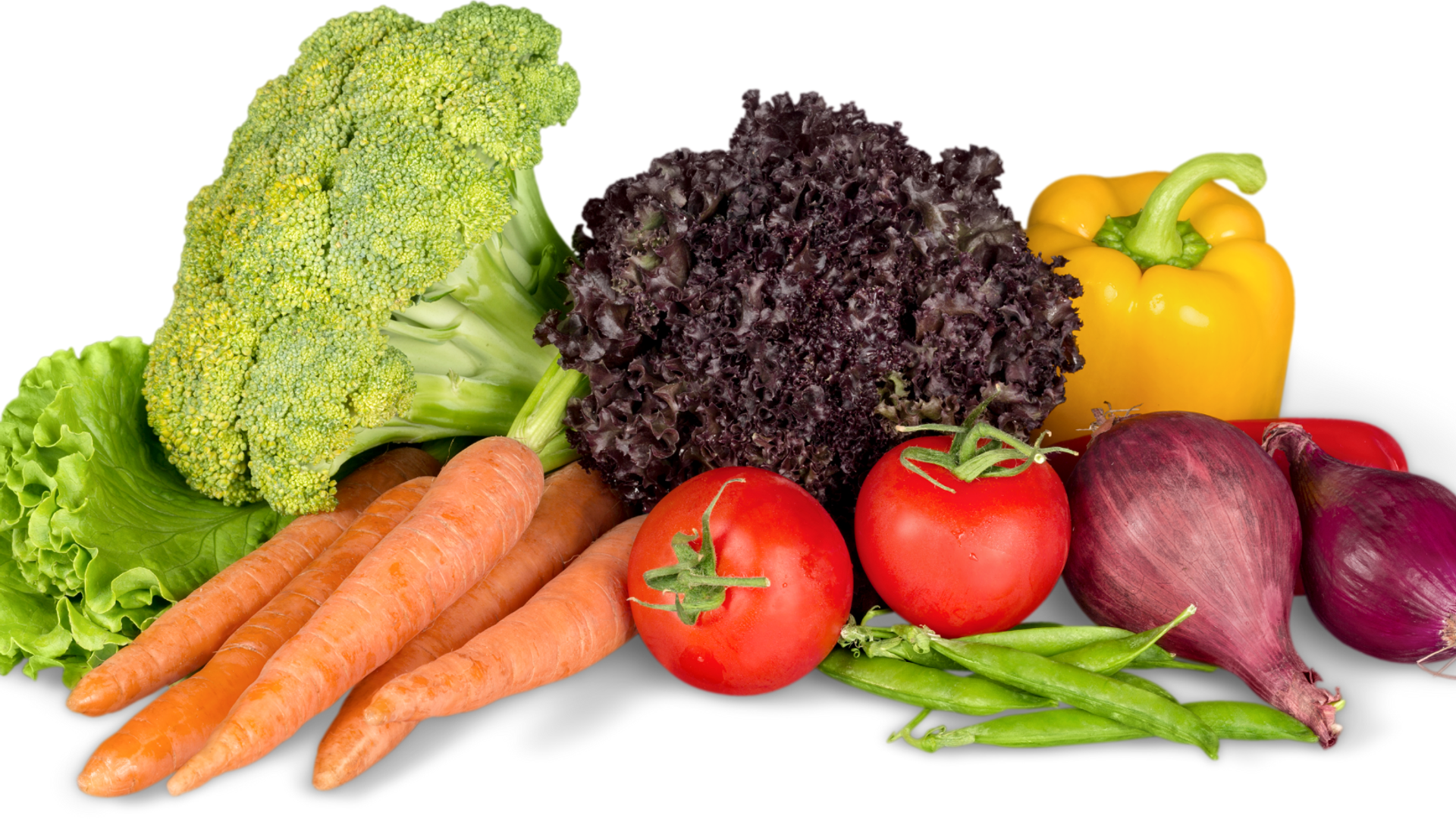
Fiber is not hidden in specialty foods. It lives in many of the basics that most people already recognize (and can easily consume more of).
Vegetables and Leafy Greens
Vegetables add fiber and volume to meals without adding many calories. Spinach folded into scrambled eggs. Bell peppers in stir-fries. Broccoli alongside grilled chicken. A simple salad with olive oil at dinner.
Making sure your fridge is stocked with veggies and making them a staple during mealtime often does more for consistency than any nutrition plan.
Fruits and Berries
Fruits provide fiber, hydration, and natural sweetness. Berries, apples, pears, oranges, and bananas all work well as daily staples. Many people tolerate fruit easily before workouts. It also fits naturally into recovery meals when paired with protein.
Legumes and Whole Grains
Beans, lentils, chickpeas, oats, quinoa, brown rice, and whole-grain bread provide both fiber and steady energy. Think lentils in soup, black beans in a bowl, and oats with nut butter for breakfast. These foods raise fiber intake without making meals feel restrictive.
Nuts and Seeds
Chia seeds, flax, almonds, walnuts, pumpkin seeds, and sunflower seeds provide concentrated fiber in small portions. They mix into yogurt, smoothies, oatmeal, and salads with little effort. But because they are calorie-dense, modest portions tend to feel best early on.
How to Start Fibermaxxing Without Digestive Discomfort
Fiber supports digestion over time. That said, increasing it too quickly can feel uncomfortable at first.
Why Sudden Fiber Increases Feel Uncomfortable
Fiber feeds the bacteria that live in the gut. When intake rises sharply, fermentation increases just as quickly. Gas, bloating, and cramping may follow. The issue is rarely the fiber itself. It is usually the pace of change.
Gradual increases allow the digestive system to adapt without unnecessary discomfort.
The Role of Hydration
Fiber draws water into the digestive tract. Without enough fluid, stools may become harder, and discomfort increases. Hydration does not require rigid tracking. Drinking regularly throughout the day and adding a glass of water with meals is often enough to support rising fiber intake.
Timing Fiber Around Training
Large amounts of fiber immediately before lifting can feel heavy. Many people do better with higher-fiber meals earlier in the day and lower-fiber carbohydrates closer to workouts.
Similarly, you can focus on fiber-rich meals after training, as long as you don’t notice any significant discomfort.
Early Adjustments That Make the Process Smoother
You do not need to change every meal at once. Start with one. Add fruit to your breakfast oatmeal or yogurt bowl. After a few days, add vegetables to your lunch bagel. Let your body adjust for several days before increasing again.
At the end of the day, gradual change always beats jumping into a new plan (even if that plan is called something like “fibermaxxing”).
Start your Svetness journey today
Get a free consultation and see how our trainers can transform your wellness journey.
Fibermaxxing and Weight Training
Strength training places steady demands on digestion and fuel delivery. Fortunately, fiber supports both in more ways than one.
Fiber helps regulate appetite across training weeks. Meals feel more satisfying, making it easier to fuel properly without overeating or skipping meals altogether.
Energy levels also benefit from smoother digestion. Carbohydrates paired with fiber release more gradually into the bloodstream. This combination supports training without dramatic energy swings.
Recovery plays a role here as well. When digestion is efficient, nutrients reach muscle tissue more quickly, supporting consistent training and fewer disrupted weeks.
That said, don’t start neglecting other food groups just because you’re paying more attention to fiber. We’ve seen it happen ourselves: some beginners become so focused on fiber that protein intake drops.
Fibermaxxing for Weight Loss vs Strength Goals
Fiber plays slightly different roles depending on your main goal.
Using Fiber for Appetite Control During Fat Loss
Fiber-rich meals help you feel fuller with fewer calories, supporting better portion control without heavy restriction.
Vegetables, legumes, and whole grains add volume to meals while keeping calories reasonable. This combination makes consistency easier during fat loss phases.
Using Fiber Without Undereating for Muscle Gain
When the focus shifts to building muscle, fiber continues to support digestion as meal sizes increase. It also helps maintain steady energy between sessions.
Balance matters most. Fiber remains present while protein and total calories stay high enough to support performance and recovery.
Common Fibermaxxing Mistakes
Fibermaxxing might sound simple on paper, but beginners are not immune to making mistakes.
A common mistake is relying too heavily on supplements. These can help at times, but they often displace whole foods that offer broader nutritional benefits.
Hydration is another frequent issue. Fiber intake rises without enough water, leading to constipation rather than smoother digestion.
Moving too quickly also creates problems. Rapid increases overwhelm the gut. Slower pacing almost always feels better.
Protein can sometimes fall out of focus. Meals become high in fiber but low in protein, and recovery starts to suffer as a result.
And finally, early discomfort also causes some people to quit too soon. In many cases, slowing the pace resolves the issue without abandoning fiber altogether.
Results and Effects: What to Expect With Fibermaxxing
Early changes tend to feel gradual rather than dramatic. That said, once you start noticing these changes, you’ll know you’re on the right track:
Digestive Rhythm and Regularity
Bathroom habits become more predictable. Meals feel easier to digest, and post-meal discomfort fades.
Energy and Appetite Stability
Energy through the day becomes steadier. Cravings soften. Snacking becomes easier to manage.
Training Consistency
As digestion and energy improve, workouts become easier to attend and complete. Fewer sessions get skipped due to fatigue or stomach discomfort.
Gradual Body Composition Changes
Over time, better appetite control and consistent training begin to influence body composition. Clothing may fit differently even when the scale weight stays similar.
How Personal Trainers Help Clients Apply Fibermaxxing

Fibermaxxing is simple in theory. In real life, it often gets lost between work schedules, rushed meals, and training sessions that move around each week.
This is where a personal trainer becomes useful beyond the gym. Trainers look at how your eating patterns and workouts actually line up across the week. They help adjust meal timing so that higher-fiber foods support energy rather than slowing you down before a session. They also suggest practical food combinations that fit your routine, not just idealised meal plans.
Instead of guessing, you make small, guided changes and track how your body responds. If digestion feels heavy, intake shifts. If energy drops, timing changes. The process stays flexible.
At Svetness personal training, coaches support daily nutrition habits alongside training. Because sessions happen at home, guidance connects directly to where your meals are prepared, which is a neat psychological hack for success. Advice stays practical, realistic, and easy to follow.
In-Home Personal Training and Daily Nutrition Habits
Training at home changes how habits form. There is less friction. No commute. No rushed transitions between the gym and daily life. Workouts fit into the same space where meals, hydration, and recovery already happen.
This overlap matters for fibermaxxing. Post-workout meals happen in your own kitchen. Recovery snacks are close by. Water is always within reach. Food timing becomes part of the routine instead of something that requires extra planning.
Over time, these small shifts add up. Grocery choices become more intentional. Meals begin to reflect training demands without feeling forced. Consistency grows naturally because the environment supports it.
Bottom Line: How Fibermaxxing Supports Training and Recovery
Fibermaxxing works best when it blends into real routines. It relies on repeat habits rather than tracking every gram or following rigid rules.
Most beginners notice digestion settling first. Energy becomes steadier across the day. Appetite feels easier to manage. Training consistency often follows as fuel delivery and recovery improve.
For muscle health, fiber supports the systems that allow protein and training to do their job properly. Results come through steady choices rather than short bursts of focus.
When paired with regular training, fibermaxxing becomes part of a simple loop. Train, refuel, recover, repeat. Daily decisions shape progress far more reliably than quick resets ever will.
Ready to get your personalized training plan? Book a free Svetness consultation.
> Free Consultation: Get Your Personalized Plan
FAQs
What does fibermaxxing mean in simple terms?
Fibermaxxing means intentionally choosing fiber-rich foods throughout the day instead of relying on chance. It focuses on everyday foods such as vegetables, fruits, legumes, whole grains, nuts, and seeds.
Can fibermaxxing support muscle growth?
Fiber does not build muscle directly, but it supports digestion, appetite control, and consistent training. When digestion works well and energy stays steady, recovery becomes more effective.
How much fiber should beginners aim for with fibermaxxing?
Most adults benefit from gradually working toward common dietary fiber guidelines through whole foods. Beginners usually do best by increasing intake slowly and adjusting based on digestion.
Can fibermaxxing cause bloating at first?
Yes, especially if fiber increases too quickly. The digestive system needs time to adapt. Slower increases and steady hydration usually ease discomfort.
Start your Svetness journey today
Get a free consultation and see how our trainers can transform your wellness journey.