The Truth About Pre-Workout Supplements
Pre-workout supplements: are they a necessity, a fad, or just a placebo? This guide breaks down everything you need to know about pre-workout supplements and answers the burning question: Do they actually work?
If you've been to a gym recently, you've probably seen someone mixing a brightly colored powder into a shaker cup before their workout.
Or maybe you have come across a long shelf of pre-workout drinks at the grocery store and wondered if you should be taking one, too. And if you haven’t witnessed any of the above, you’ve probably seen fitness influencers promote pre-workout supplements (oftentimes with very peculiar names).
The truth is, pre-workout supplements have become one of the most common fitness tools used by people trying to boost energy, improve performance, or stay motivated at the gym.
But while these products are everywhere, many people are still unsure what they actually do, how they work, and whether they are truly necessary. Are the benefits real? Are there any risks? And how do you know if a pre-workout is right for you?
This blog breaks it all down. We will look at what pre-workout supplements are, how they work, the pros and cons, and the most common ingredients you will find. By the end, you'll have a clearer idea of whether you really need a pre-workout supplement or if you're better off sticking with the basics.
What Are Pre-Workout Supplements?

Before diving into the details, let’s start with the basics.
Pre-workout supplements are designed to be taken before a workout, typically 15 to 30 minutes beforehand. Most come in powder form and are mixed with water to create a flavored drink. Others come as capsules, ready-to-drink bottles, or even chewable gummies.
The main goal of these supplements is to help you perform better during your workout. For some people, that means having more energy. For others, it means feeling less fatigued, lifting more weight, or pushing through longer cardio sessions.
While different products claim to offer slightly different benefits, most pre-workouts focus on improving energy, strength, focus, or endurance, or a combination of all four.
Common Ingredients in Pre-Workout Formulas
Pre-workouts can include a long list of ingredients, but several show up again and again.
One of the most common is caffeine, which you are probably already familiar with. Caffeine acts as a stimulant to increase energy and alertness. You will also often see beta-alanine, which may help reduce muscle fatigue, and creatine, which supports muscle power and performance.
Other popular ingredients include amino acids like BCAAs (branched-chain amino acids), which may help reduce muscle breakdown, and nitric oxide boosters like L-citrulline or arginine, which are believed to increase blood flow to the muscles. Some pre-workouts also include electrolytes, vitamins, or herbs meant to support energy and hydration.
Each product uses its own unique combination of ingredients, which is why the effects can vary significantly between different brands or formulas.
How Pre-Workout Supplements Are Supposed to Work
The idea behind pre-workout supplements is to give your body a temporary performance boost just when you need it most, right before your workout.
Some ingredients, like caffeine, act quickly to increase mental alertness and reduce the feeling of tiredness. Others, like creatine and beta-alanine, are more effective over time when taken consistently.
In general, these supplements are meant to delay fatigue, help you push harder, and increase the intensity or duration of your workouts. When used appropriately, they can sometimes help people improve training performance and reach fitness goals more efficiently.
Potential Benefits of Pre-Workout Supplements

The growing popularity of pre-workout supplements is not just a marketing phenomenon. Many people use them because they genuinely feel more energized and focused when they do. While results vary from person to person, some benefits are commonly reported by users.
Let’s explore some of the most commonly-reported benefits of pre-workout supplements (not counting coffee or energy drinks, of course):
May Improve Exercise Performance
One of the main reasons people take pre-workouts is to improve performance in the gym. This could mean being able to lift more weight, complete more reps, or maintain better endurance during a cardio session.
Certain ingredients, such as creatine, caffeine, and beta-alanine, have been studied for their impact on physical performance, and some research suggests they may provide small but significant improvements in power and endurance.
Can Help With Energy and Motivation
Let’s face it: some days, you just do not feel like working out. That is where pre-workouts can come in. The caffeine content provides a noticeable jolt that helps many people get out the door or push through a workout they might otherwise skip.
Some pre-workout supplements also increase alertness, which can make workouts feel easier or more manageable, especially after a long day or a morning workout.
Might Support Better Workout Consistency
Even if the ingredients themselves are not always necessary, the act of taking a pre-workout can help people build consistency. For many, it becomes a pre-gym ritual: a mental cue that says, “It’s time to move.” That sense of structure can help build discipline and reinforce the habit of regular exercise, even if it’s just a placebo effect.
Risks and Side Effects

Like anything you put in your body, pre-workout supplements come with risks. Not everyone reacts the same way to these products, and some may cause side effects that are uncomfortable or even unsafe, especially when taken in high doses or without proper guidance.
Here are some of the most common side effects, ranging from mild to considerable:
Possible Overstimulation or Jitters
The most common side effect reported is feeling overstimulated. This sensation usually comes from a high dose of caffeine. If you are sensitive to stimulants, you may experience a racing heart, nervousness, restlessness, or trouble sleeping after taking a pre-workout. For this reason, it's essential to check the caffeine content and avoid taking these supplements too late in the day.
Digestive Discomfort or Sensitivities
Some ingredients, such as beta-alanine, can cause a tingling sensation on the skin, especially in the face or hands. While it is harmless, it can be unpleasant if you are not expecting it. Others may experience bloating, nausea, or stomach cramps, especially when using artificial sweeteners or taking pre-workout on an empty stomach.
Lack of Regulation
Unlike prescription drugs, supplements are not strictly regulated. This means some pre-workout supplements may contain hidden ingredients, inaccurate labeling, or contaminants that are not listed on the packaging.
To stay safe, it is best to choose products that are third-party tested or certified for quality and purity.
10 Most Common Pre-Workout Supplements

Pre-workouts are not just single products. On the contrary, they are combinations of multiple active ingredients. Some of these ingredients can also be taken individually, depending on your fitness goals.
Here are 10 of the most widely used supplements found in pre-workout blends or taken individually as part of a workout routine:
Caffeine
Caffeine is the most common pre-workout ingredient. It stimulates the central nervous system and can increase energy, alertness, and exercise performance. Many people feel more focused and motivated to work out after taking it.
Creatine
Creatine helps muscles produce energy during high-intensity exercise. It is one of the most researched and effective supplements for increasing strength and power, especially during weightlifting or sprinting.
Beta-Alanine
Beta-alanine can help delay muscle fatigue by buffering acid buildup in the muscles. It is especially helpful during short bursts of intense effort, such as interval training or resistance work.
L-Citrulline
L-citrulline is a nitric oxide booster that may improve blood flow to muscles, potentially enhancing oxygen delivery and performance. Some people also report better “muscle pumps” during strength workouts.
Branched-Chain Amino Acids (BCAAs)
BCAAs, including leucine, isoleucine, and valine, are used to support muscle repair and recovery. Some gym goers take them before workouts to help prevent muscle breakdown, especially during fasted training.
Nitric Oxide Boosters
Beyond citrulline, other compounds, such as arginine, are also used to support nitric oxide production. This effect may lead to better endurance and reduced fatigue by improving circulation.
L-Theanine
L-theanine is often paired with caffeine to smooth out the energy boost and reduce jitters. It promotes calm focus, making it easier to stay mentally engaged during workouts without feeling overstimulated.
Electrolytes
Electrolytes like sodium, potassium, and magnesium are important for hydration and muscle function. Some pre-workouts include these minerals to support endurance, especially in hot weather or long sessions.
Adaptogens (e.g., Ashwagandha, Rhodiola Rosea)
Adaptogens are herbs used to support the body’s stress response. Some are included in pre-workout blends to promote calm energy, reduce fatigue, or improve stamina over time.
Protein Powder
While not technically a pre-workout supplement, protein is sometimes consumed beforehand to support muscle recovery and prevent breakdown. A light shake before exercise can offer fuel and aid recovery.
Do You Really Need Pre-Workout Supplements?
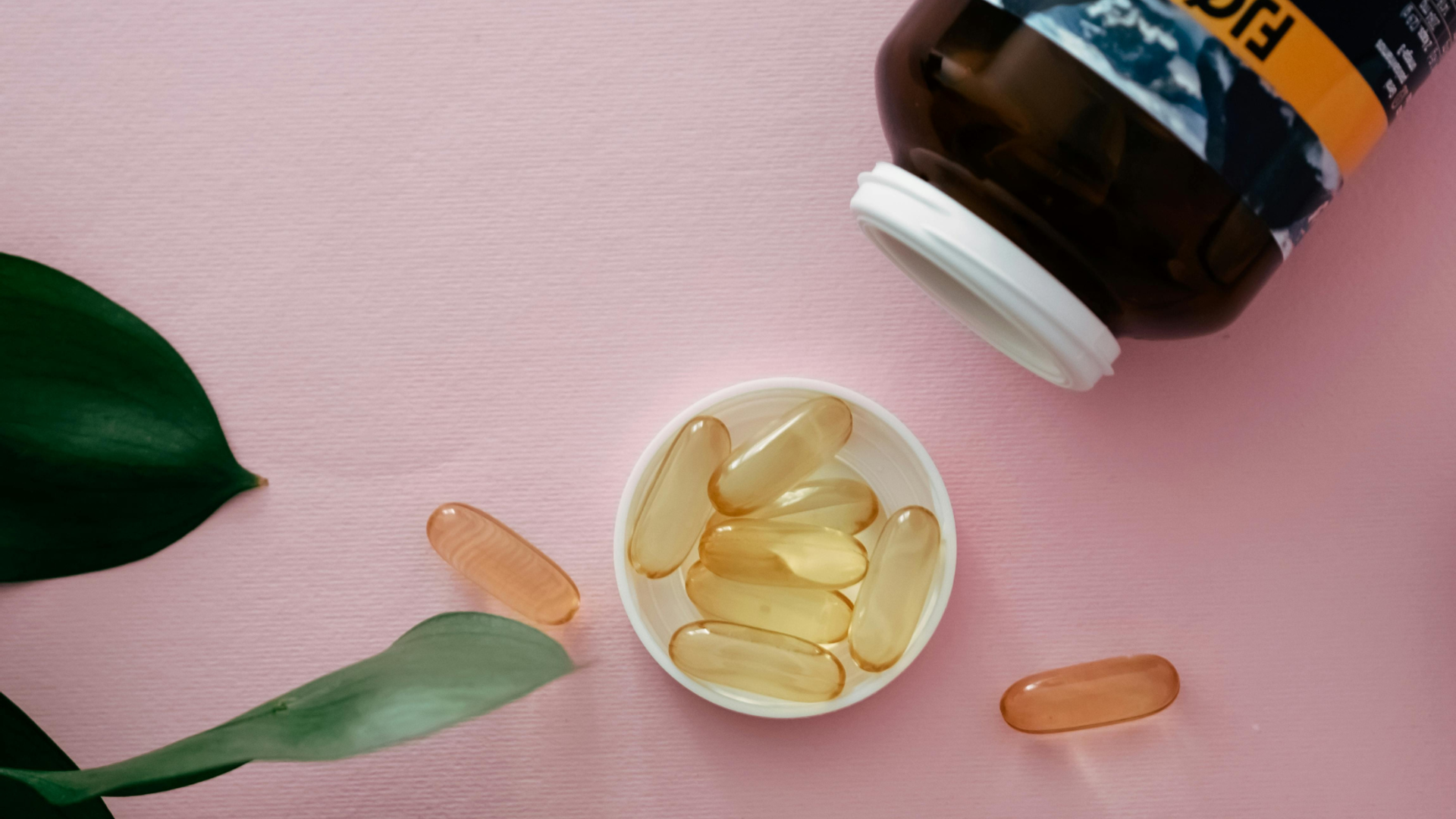
With so many options on the market, it's easy to feel like you're missing out if you don't take a pre-workout. But the truth is, pre-workout supplements are not required to see progress, especially if your workouts are already consistent and fueled by a healthy diet.
Who Might Benefit From Pre-Workout Supplements?
Some people find pre-workouts especially helpful in specific situations. If you work out early in the morning before eating, you may appreciate the energy boost that comes from it. Others use them during long or intense training blocks to push harder or stay focused.
For individuals who feel chronically low on energy, the occasional use of a pre-workout may offer just enough motivation to keep going.
Alternatives to Pre-Workout Supplements
You do not need a supplement to fuel your workout. A small pre-workout meal, such as a banana with peanut butter or a slice of whole-grain toast with eggs, can provide both carbohydrates and protein to support performance.
Many people also use black coffee for a simple, natural energy boost. Staying hydrated, getting enough sleep, and eating regular meals often make a bigger difference than any powder ever will.
How Personal Trainers Can Help You Build Energy Naturally

One of the best ways to boost your energy and performance without relying on supplements is a workout with a personal trainer.
In-home personal training gives you customized support that fits your lifestyle and fitness level. Instead of guessing which supplement might help, you can learn how to optimize your routine for natural, sustainable energy.
A trainer can help you improve your workout timing, incorporate rest days, and adjust your exercise intensity so you feel stronger without burning out. They can also help you identify areas where your sleep, nutrition, or hydration habits might be holding you back.
Many people turn to pre-workout supplements when what they really need is a better plan, and that is precisely what a trainer can provide.
Final Thoughts
Pre-workout supplements can be helpful in certain situations, but they are not a magic solution.
For most people, especially beginners, the best results come from focusing on the basics: moving your body regularly, eating a balanced diet, staying hydrated, and getting enough sleep.
If you choose to try a pre-workout, read reviews, start with a low dose, carefully follow the label instructions, and pay attention to how your body reacts. And if you are unsure about what you need, consider working with a personal trainer who can help you build the energy, confidence, and consistency you need to reach your goals (no powders required).
Frequently Asked Questions
Are pre-workout supplements safe for beginners?
They can be, but it depends on the ingredients and your personal health. If you're new to exercise or have any medical conditions, it's best to consult with a healthcare provider before trying a pre-workout. Starting with a low-stimulant or stimulant-free version can also help you avoid unwanted side effects.
Can I build muscle or lose weight without using a pre-workout supplement?
Absolutely. Many people reach their fitness goals without ever using pre-workout supplements. Consistent workouts, proper nutrition, sleep, and hydration play a much bigger role in fat loss and muscle gain than any supplement.
What’s the best time to take a pre-workout supplement?
Most people take pre-workout 15 to 30 minutes before exercising. This timing gives the ingredients time to take effect. Avoid taking it too late in the day if it contains caffeine, as it may interfere with your sleep.
Do pre-workout supplements cause crashes or withdrawal symptoms?
Some people experience an energy crash a few hours after taking stimulant-heavy pre-workouts, especially if they have not eaten well or are dehydrated. If taken regularly, your body may also become less sensitive to the effects. Cycling off pre-workouts occasionally or using them only when needed can help prevent this effect.