The 90-30-50 Diet Plan: How It Works and Why It’s Popular
Wondering if the 90-30-50 diet is worth it? See how this simple macro plan balances protein, carbs, and fat for steady energy and weight control.
New diets appear all the time. One week it’s intermittent fasting, the next it’s a detox that promises to change everything. Most fade into obscurity after a few months.
But the 90-30-50 diet plan? People keep coming back to it. After several years, this plan feels less like a trend and more like a framework you can actually follow.
Here’s the gist: you build each day around 90 grams of protein, 30 grams of fat, and 50 grams of carbs. That’s it. No massive spreadsheets of calories, no pages of banned foods. Just three numbers to aim for.
Clients ask us about it often. Some want to know if it’s really doable without counting every bite. Others ask if it’s good for weight loss. And some are simply tired of food confusion, so this plan feels like a way to clear the clutter.
What Is the 90-30-50 Diet Plan?

The 90-30-50 method simplifies nutrition by reducing it to three daily targets. Ninety grams of protein. Thirty grams of fat. Fifty grams of carbs. Instead of endless logging, you focus on hitting those amounts.
It looks straightforward, but that’s the appeal. For beginners, especially, it provides direction without overload. You don’t need to read a nutrition textbook or carry a scale to every meal. You just learn what foods help you reach those numbers, and build around that.
Where the numbers come from
Protein sits at the center: 90 grams of protein each day. That’s enough for most adults to support muscle repair, stay full between meals, and manage weight. It’s not extreme, but it’s a noticeable bump from what many people eat.
Fat comes next at 30 grams. That covers the essentials for hormone health, energy, and nutrient absorption. Think avocado on toast, olive oil in a salad, or a handful of nuts. Small additions like these bring you close to the mark.
Carbs round it out at 50 grams. That’s lower than the average Western diet, but it still leaves space for fruit, vegetables, or a serving of rice or potatoes. It trims the excess without stripping carbs completely.
Put together, those numbers are simple enough to remember and balanced enough to feel sustainable.
How the 90-30-50 plan compares to other diets
Other plans tend to swing strongly in one direction or another. Keto slashes carbs down to almost nothing. Low-fat diets take out oils and nuts. Calorie-counting requires daily tracking that often wears people down.
The 90-30-50 diet works differently. Instead of extremes, it pushes for moderation. You’re still eating across all three macronutrients. You just keep portions measured and purposeful. It’s not as rigid as keto, not as joyless as fat-free diets, and not as tedious as logging everything you eat.
You’ll sometimes see people call it the 90-50-30 diet or 90/30/50 diet. While the numbers get flipped, the principle stays the same. A clear target for protein, fat, and carbs.
Who it’s best for
This plan attracts beginners because it feels approachable. You don’t need to overhaul your whole kitchen. You just build meals that stack toward your daily numbers.
It also works for people who’ve bounced between diets and want something steadier. Hitting 90-30-50 diet plan for beginners guidelines can feel like a reset. You learn balance without the pressure of “perfect eating.”
We’ve noticed clients who like structure often do well here. If you’re the type who prefers a plan over “just eat clean,” the 90-30-50 diet plan offers exactly that. And while it won’t suit elite athletes with higher energy demands, it’s a strong foundation for the average person who wants clarity.
Why Protein Gets the Spotlight
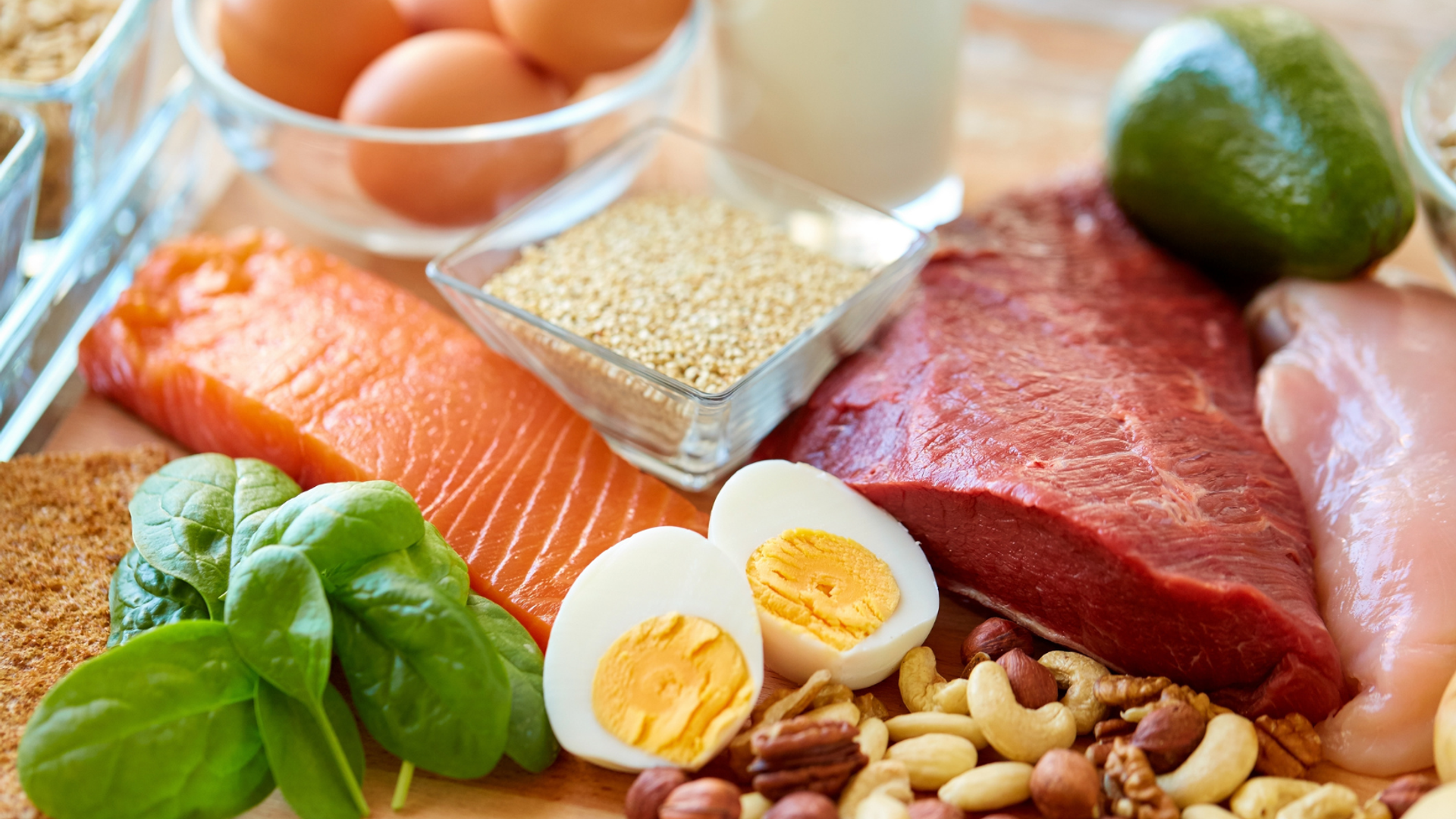
Ask anyone who’s tried this approach what stood out first, and they’ll probably say the protein. Ninety grams may seem like a lot if you’re accustomed to a carb-heavy breakfast or skipping snacks. But protein is the backbone of the 90-30-50 diet for good reason.
Protein keeps you full, steadies blood sugar, and helps muscles recover. Without a normal amount of protein, workouts feel sluggish, cravings spike, and progress slows. That’s why the plan focuses on high-protein meal prep and builds everything else around it.
Why 90 grams of protein specifically?
Protein burns more calories during digestion compared to fats or carbs. It keeps hunger low, which helps with weight management. And it’s the macronutrient most responsible for preserving lean muscle.
For anyone lifting weights, doing cardio regularly, or even just walking more, 90 grams of protein a day gives the body the raw material to adapt. It’s not a magic number, but it’s practical. You notice the benefits quickly: less soreness, more energy, fewer sudden hunger crashes.
How much is 90 grams of protein?
Hearing the number is one thing. Seeing it on a plate makes it click. So, what does 90 grams of protein look like?
- One medium chicken breast gives 25–30 grams.
- A scoop of protein powder adds 20–25 grams.
- A cup of Greek yogurt brings 15–20 grams.
- A cup of cooked lentils contributes 15–18 grams.
Mix those through a day, maybe chicken at lunch, yogurt mid-morning, a shake after training, lentils with dinner, and you’re already there. For many, it’s easier than it sounds.
How to get 90 grams of protein a day
The trick is spreading it out instead of saving it all for one meal. Clients often ask us how to eat 90 grams of protein a day without feeling stuffed. Our advice: aim for roughly 50 grams of protein before dinner. That way, you’re not chasing the rest in the evening.
Here’s a simple rhythm:
- Breakfast: Omelet with vegetables (20 grams).
- Lunch: Chicken salad (25 grams).
- Snack: Protein smoothie (20 grams).
- Dinner: Salmon with quinoa (25 grams).
Even plant-based eaters can make it work with tofu, beans, tempeh, and grains. Variety matters too. Eating chicken three times a day gets old fast. Switching between fish, eggs, dairy, and legumes keeps it interesting.
Hitting 90 grams of protein regularly changes the way meals feel. Hunger fades into the background. Energy lasts longer. Workouts feel more productive. That’s why this part of the plan takes center stage. Once protein is in place, the rest of the 90-30-50 diet plan falls into line more naturally.
How to Eat 90 Grams of Protein a Day

Protein looks simple on paper. Ninety grams doesn’t sound intimidating, but when you actually try to hit it, you realize how quickly meals fall short. A slice of bread? Only about 3 grams. A single egg? Around 6 grams. If you don’t plan for it, protein ends up as an afterthought.
We see this all the time with clients. They’ll tell us, “I eat plenty of protein,” then when we track a day together, it adds up to 40 grams. That’s barely half of what the 90-30-50 diet suggests. Once you see the gap, though, fixing it isn’t complicated.
Breakfast examples
Starting the morning with protein makes the rest of the day easier.
Scrambled eggs with spinach, a Greek yogurt bowl with fruit, or even a protein smoothie sets the tone. Two eggs and a slice of whole-grain toast? That’s 18 grams already. Add yogurt mid-morning, and you’ve built momentum before lunch.
Plant-based dieters can do the same. Tofu scramble with veggies, chia pudding with protein powder, or almond butter on Ezekiel bread all give you a strong start. Hitting 50 grams of protein by midday keeps you from scrambling in the evening to catch up.
Lunch and dinner options
Here’s where the bigger numbers come in. A grilled chicken breast has 25–30 grams. A piece of salmon, about the same. A cup of lentils provides 18 grams, and pairing them with quinoa or rice increases the amount.
Dinner could be stir-fry with chicken and vegetables. Lunch could be a turkey wrap or black bean chili. Nothing extreme, just meals with a protein anchor at the center. Over time, it feels normal to build meals this way, and that’s when consistency kicks in.
Protein hacks that count
The little extras often make the difference between 70 grams and a full 90 grams of protein. A handful of roasted edamame adds 12 grams. A cottage cheese cup gives you 15. A protein bar or shake offers 20 in one go.
We recommend thinking of high-protein snacks as “protein fillers.” They don’t replace meals, but they close the gap. If you’re aiming for how to eat 90 grams of protein a day, this is the easiest lever to pull.
Building a 90-30-50 Meal Plan
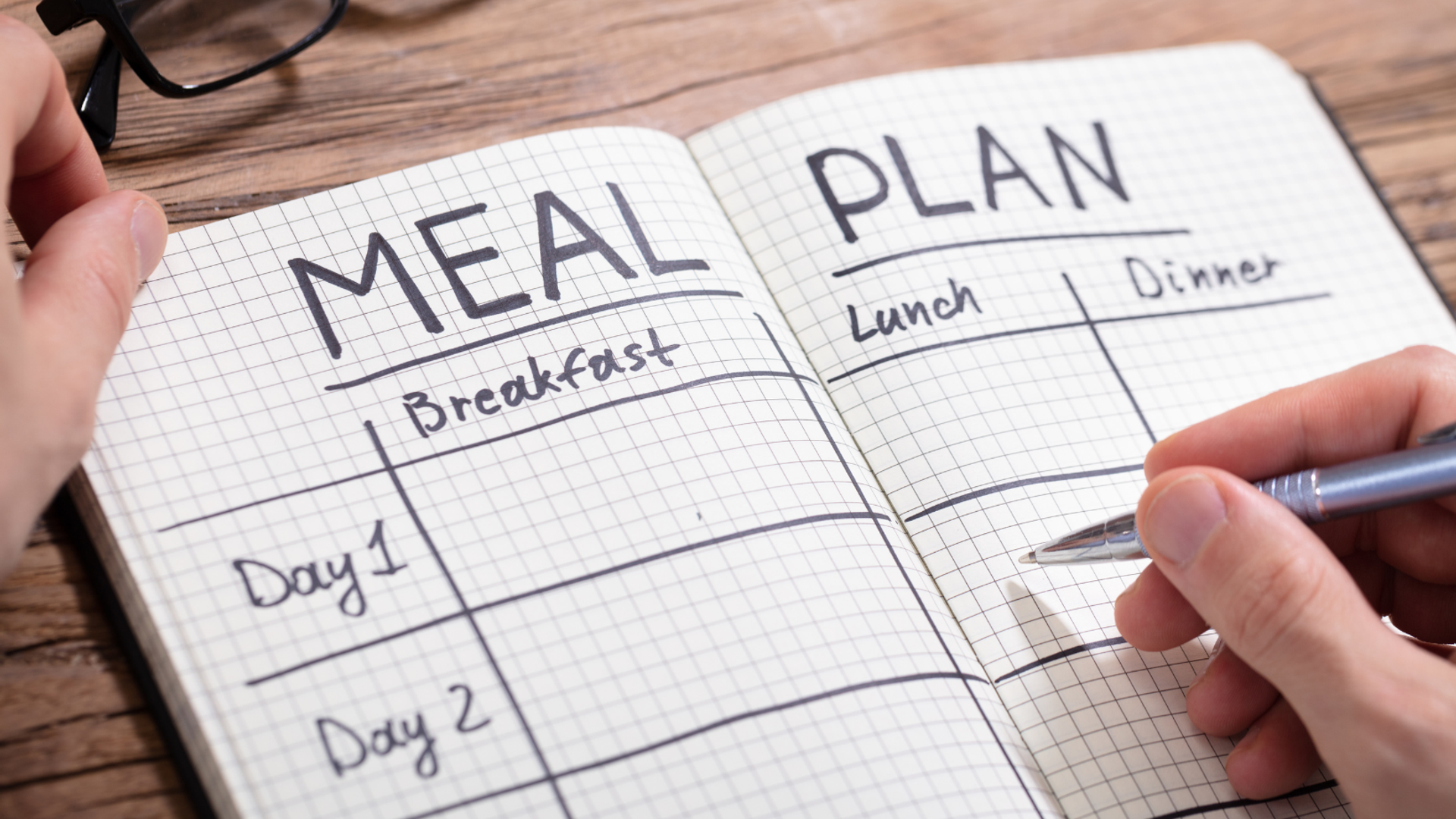
Numbers on their own don’t help unless you know what a day looks like in practice. A 90-30-50 meal plan puts the theory into motion. Clients often say they feel less stressed once they can picture meals that line up with the plan.
Sample 90-30-50 meal plan
Here’s a simple version:
- Breakfast: Greek yogurt with berries and a sprinkle of granola (25g protein, 5g fat, 15g carbs).
- Lunch: Grilled chicken salad with avocado and olive oil (30g protein, 15g fat, 10g carbs).
- Snack: Cottage cheese with pineapple (15g protein, 5g fat, 10g carbs).
- Dinner: Salmon with quinoa and steamed broccoli (25g protein, 5g fat, 15g carbs).
That lands close to the 90-30-50 method meal plan numbers. It isn’t rigid, though. You could swap salmon for lentils or chicken for tofu. The framework stays intact.
What flexibility looks like
People hear “plan” and assume no wiggle room. But flexibility is built in. If you prefer rice over quinoa, swap it. If you’re short on time, grab a protein shake instead of cooking. The 90-30-50 meal plan has free examples available online, and all show variations because the point is balance, not perfection.
Flexibility also helps socially. Out to dinner? Order grilled fish and vegetables. Visiting family? Have turkey and green beans, skip the bread basket. You can bend without breaking the plan.
Tips for beginners
Starting out, we encourage simple habits. Prep a batch of chicken or lentils on Sunday. Keep Greek yogurt in the fridge. Carry a protein bar in your bag. These little moves prevent you from falling short.
The 90-30-50 diet plan for beginners isn’t about gourmet recipes or perfect macros on day one. It’s about learning where protein comes from, how fat sneaks in, and how carbs stack up. Once you know that, adjustments feel second nature.
Pros and Cons of the 90-30-50 Method
No plan fits everyone. Some thrive on the 90-30-50 diet plan, while others find it restrictive. Knowing both sides helps you decide if it’s worth testing.
Potential benefits
Structure is the biggest benefit. Three numbers replace endless tracking. For people tired of calorie-counting apps, this feels refreshing.
The balance also supports steady weight management. Protein keeps hunger steady. Carbs provide fuel without flooding calories. Fat supports hormones and flavor. Together, they create meals that leave you satisfied, not sluggish.
And compared to extremes like keto or ultra-low-fat diets, the 90-30-50 method feels more sustainable. You still eat fruit, you still drizzle olive oil, you still enjoy variety.
Possible challenges
Hitting 90 grams of protein consistently is the most challenging hurdle. Many people underestimate just how little protein is in the average meal. It takes awareness and planning.
The carb target of 50 grams may also feel low if you’re active. Endurance athletes or people training heavily may struggle with energy here. That’s why we frame the 90-30-50 diet as a starting point, not a lifelong prescription.
Another challenge: social settings. When meals are out of your control, sticking close to the plan takes effort. Flexibility helps, but it requires confidence in making adjustments and swaps.
How Svetness helps clients adapt

We don’t just hand clients a 90-30-50 meal plan and say, “Good luck.”
Our in-home personal trainers work with them to test, tweak, and observe how their body responds. Some feel amazing. Others need more carbs. A few prefer a higher fat intake. The numbers are a guide, but personalization is the key to success.
Verdict on the 90-30-50 Diet Plan
The 90-30-50 diet plan appeals for its simplicity. Three numbers, clear targets, and balanced meals. For beginners, it offers direction when everything else feels overwhelming. For those with experience, it provides structure without extremes.
Protein takes the lead role here. Ninety grams a day changes the way you feel. Hunger steadies, energy lasts, and recovery feels smoother. Add thirty grams of fat and fifty grams of carbs, and you’ve got a balance that works in daily life.
We encourage clients to treat the 90-30-50 method as a framework. Use it to learn, reset, and create habits. But don’t treat it as gospel. Some people need more fuel, others prefer different ratios. The strength of this plan is its flexibility; it adapts with you.
At Svetness, we guide people through the trial-and-error stage. We show you how to hit the numbers with real meals, how to adjust when life throws a curveball, and how to make the plan fit your goals.
If you’re tired of complicated rules, the 90-30-50 diet might be worth trying. It won’t fix everything overnight, but it can bring clarity back to eating. And clarity makes consistency easier, which is what really drives results.
> Explore Personal Training for Weight Loss
FAQs
What is the 90-30-50 method?
It’s a way of eating built around three daily macronutrient goals: 90 grams of protein, 30 grams of fat, and 50 grams of carbs. The idea is to simplify nutrition by replacing calorie tracking with clear targets. For many people, this balance supports steady energy, manageable hunger, and easier meal planning.
How to eat 90 grams of protein a day?
The simplest approach is to spread protein through each meal. Start your day with eggs, yogurt, or tofu for breakfast. Add chicken, fish, or beans at lunch. Include a shake or cottage cheese as a snack. Finish with salmon, lentils, or turkey at dinner. Smaller doses add up quickly, and variety keeps it from feeling repetitive.
Is the 90-30-50 diet plan good for beginners?
Yes. It gives structure without overwhelming detail. Instead of tracking every calorie, you focus on three numbers. That makes it approachable for people who want guidance but dislike strict rules. Over time, it teaches you what foods contribute to each macro, building awareness that lasts beyond the plan itself.
What does 90 grams of protein look like?
It’s easier to picture when you break it down. A chicken breast includes about 25–30 grams. A cup of Greek yogurt adds 15–20. A scoop of protein powder contributes 20–25. Lentils, eggs, and fish round it out. Combine a few of these across the day, and you’ll reach 90 grams protein without much effort.
Start your Svetness journey today
Get a free consultation and see how our trainers can transform your wellness journey.