
The Best Home Workouts for Cyclists to Improve Performance
Build cycling strength off the bike with at-home workouts that improve posture, mobility, and core control. Svetness trainers help you ride stronger, longer, and pain-free.
If you're putting in the miles but still dealing with fatigue, slow climbs, or nagging aches, you're not alone.
Many riders hit a plateau because they overlook the importance of strength, mobility, and core training that keep the entire machine (your body) running smoothly. Cycling is repetitive. Same motion, same posture, same muscle groups. That kind of pattern breeds efficiency, but it can also create imbalances.
Adding workouts for cyclists off the bike isn’t about bulking up. It’s about staying injury-free, generating more power with less effort, and maintaining form over long distances. The goal is to build a stronger foundation: one that can handle climbs, sprints, headwinds, and those brutal last few miles.
The good thing about these workouts is that you don’t need a gym. With a bit of floor space and smart programming, you can build a full routine at home that targets the muscles and movement patterns cyclists rely on most.
Core Strength: The Engine Behind Every Pedal Stroke
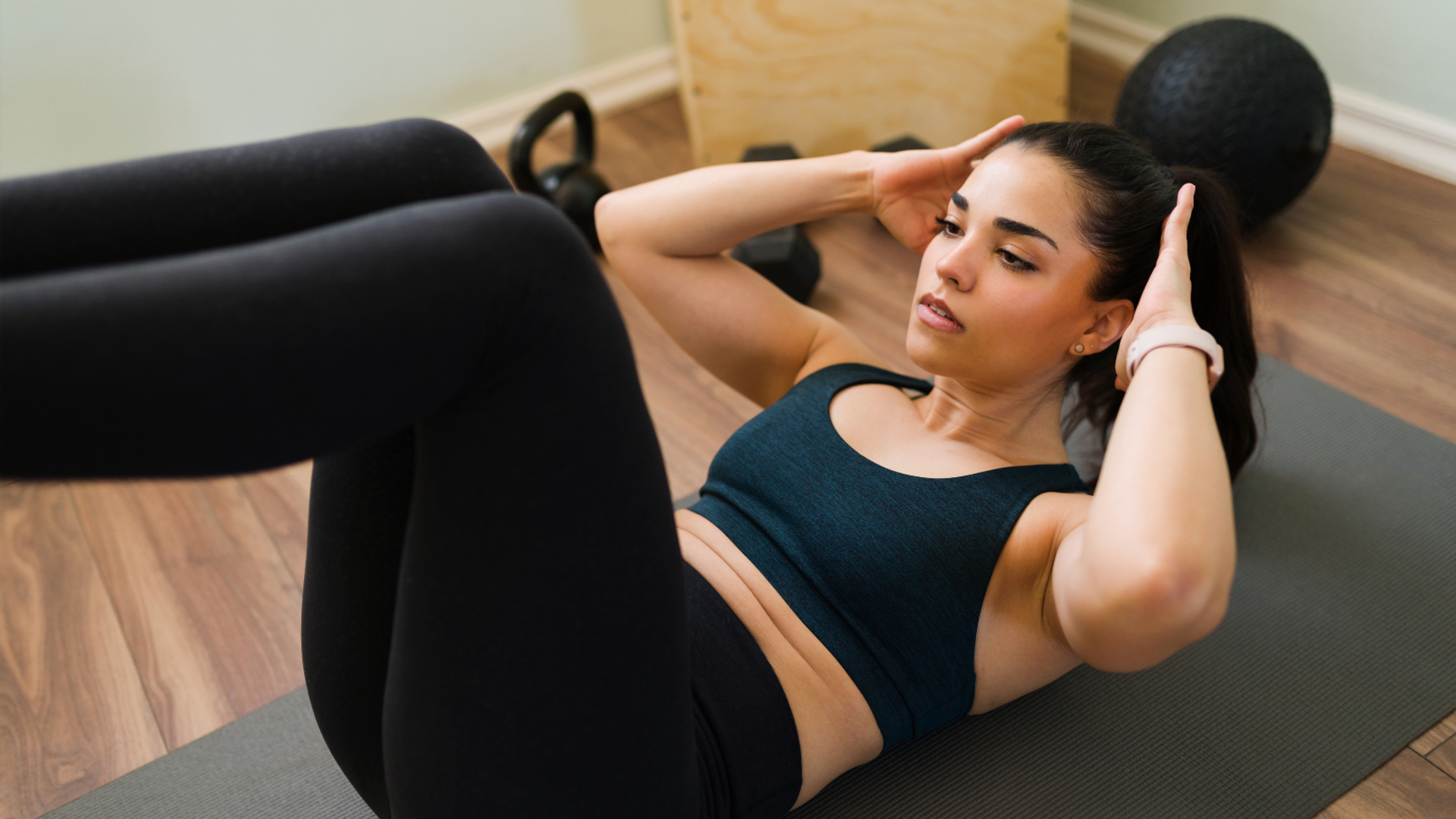
You feel it when you climb. When you accelerate. When you’re holding steady against the wind. Your legs get all the credit, but your core is doing the quiet, constant work of keeping you stable and transferring power efficiently.
A weak core doesn’t just slow you down. It leaks energy. A stronger midline equals more watts to the pedals.
Deep Core Activation: Beyond Crunches
Traditional ab exercises don’t cut it for cycling. You need rotational control, spinal stability, and the ability to resist movement, not just create it. That’s where dead bugs, bird dogs, and hollow holds come in.
Dead bugs help you lock in your pelvis while your limbs move, which is exactly what happens during a pedal stroke. Bird dogs teach control across diagonal lines: right arm, left leg. Sound familiar?
Hold a hollow position, and you’ll quickly realize just how weak your deep core muscles are. But stick with it, and those stabilizers will stop letting you collapse when the climb gets steep.
No equipment needed. Just bodyweight, control, and consistency.
Anti-Rotation and Stability Drills
Cycling might look linear, but your body’s constantly fighting to stay balanced. Every bump, every shift in cadence or road angle—your torso is reacting, stabilizing. That’s why planks and side planks are essential, but it’s also why you should progress to things like Pallof presses and suitcase carries.
Use a resistance band or a heavy book. Stand tall, press out, and hold. You’ll feel your obliques light up. That’s the anti-rotation strength that stops your hips from swaying or your shoulders from rocking as you pedal.
Stability isn’t sexy, but it’s what keeps you locked in when everything starts to burn.
Dynamic Core Circuits for Real-World Strength
Once you’ve got the form down, it’s time to put it together. Build short circuits that cycle through front planks, side planks, reverse crunches, and single-leg glute bridges.
No need for long sessions. All you need is just 10–15 minutes, 2–3 times a week. Think quality, not quantity. Your body will thank you when you're 60km in and still holding form.
Track your progress with reps or time holds, but more importantly, pay attention to how you feel on the bike. That’s the real measure.
Lower Body Strength: Power That Doesn’t Quit
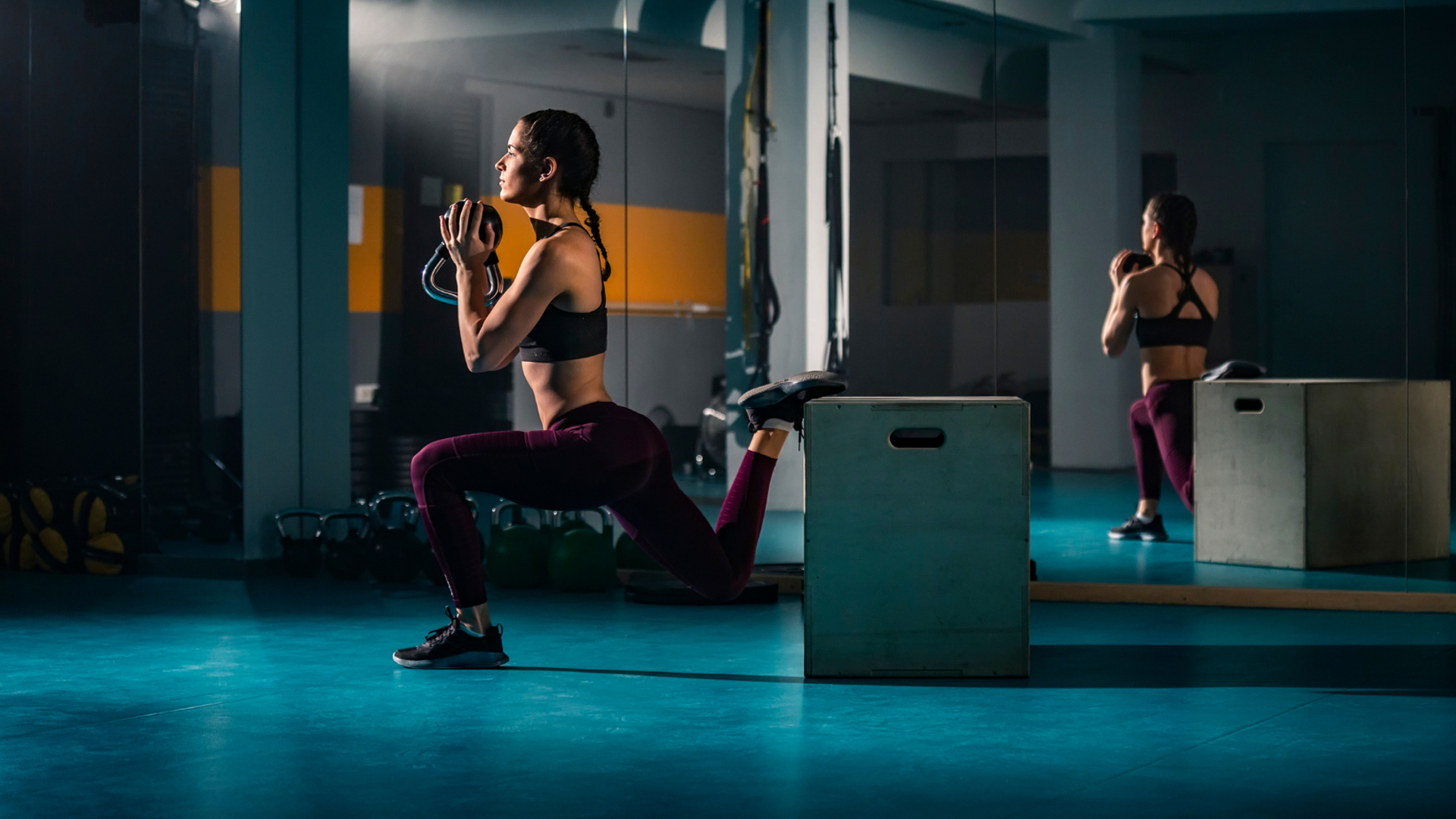
Cycling favors quads and calves, but a balanced lower body routine targets hips, hamstrings, and glutes too. You need more than just a push. You need stability, endurance, and control through every phase of the pedal stroke.
This is where home-based workouts for cyclists can make a huge difference.
Single-Leg Strength Is On Top
Cycling is a bilateral sport since you’re using both legs, but imbalances creep in fast. That’s why unilateral work matters. Bulgarian split squats, step-ups, and single-leg glute bridges isolate weaknesses and force you to stabilize.
Start with bodyweight. Master the movement. Then add a backpack or hold a jug of water. The goal isn’t speed. It’s control.
If one leg wobbles more than the other, you’ve found your homework.
Glute Activation for Better Pedal Mechanics
Most cyclists don’t use their glutes enough. It sounds strange, but it’s true. Long hours in the saddle tighten hip flexors and leave the posterior chain asleep. Waking it back up takes intention.
Glute bridges, clamshells, and monster walks with a resistance band are your go-tos. Do them before rides or as part of a strength day. Small muscles, big impact.
Once those glutes are firing, your hips stay more stable, and you drive more power through every stroke.
Hamstring and Hip Resilience
Tight hamstrings and cranky hips can wreck your ride. Strengthening these areas means fewer overuse injuries and smoother movement patterns.
Romanian deadlifts with a kettlebell (or any weighted object), hip thrusts on a couch, and even floor sliders for hamstring curls can be done in a living room. No need to overcomplicate.
When you hit a climb, and everything’s screaming, it’s the back of your legs that’ll carry you.
Upper Body: The Hidden Link in Cycling Strength
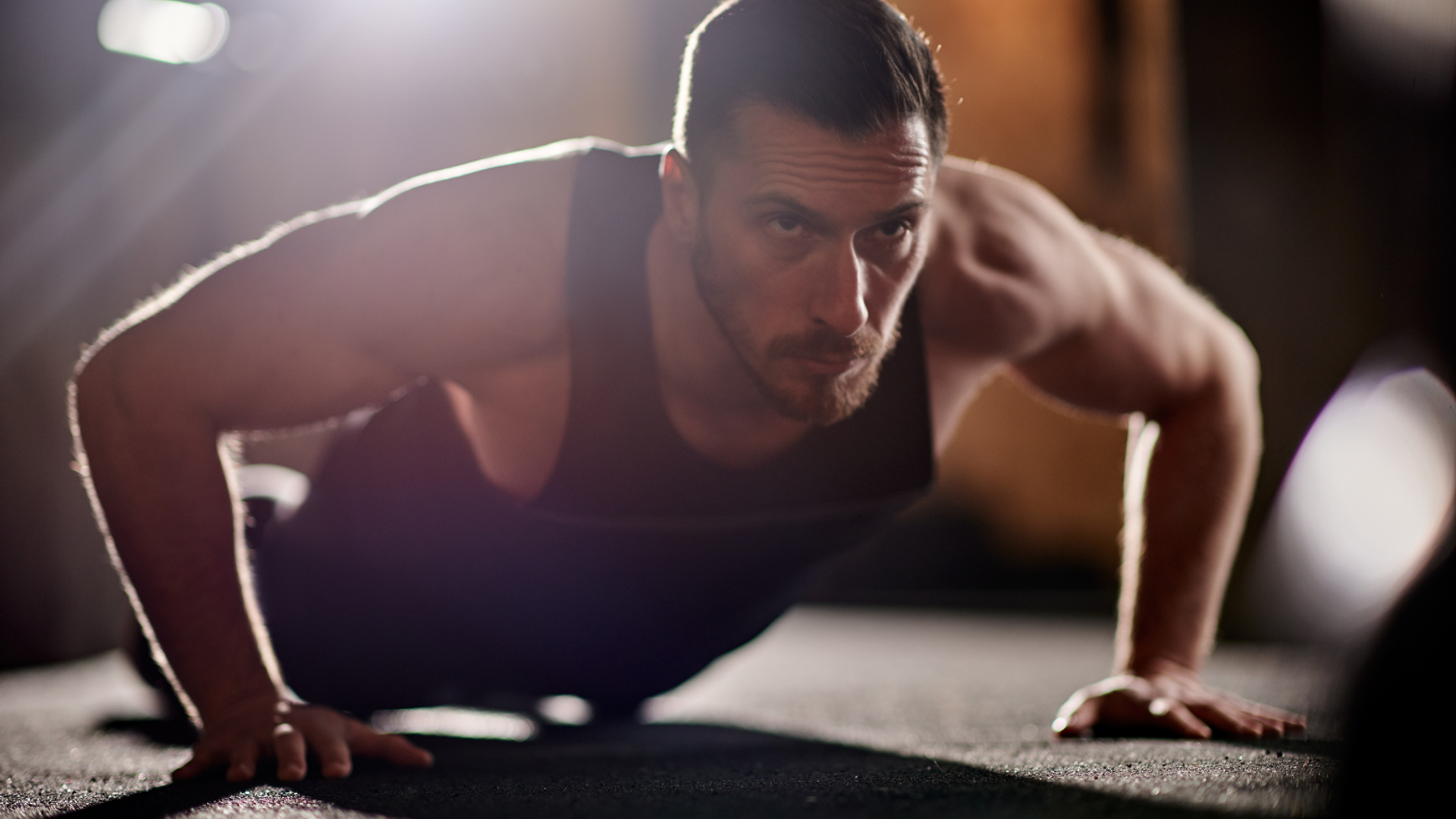
You might not think of your arms and shoulders when you’re riding, but they matter more than you realise. They stabilize your torso, absorb road vibrations, and hold your posture over long hours. Neglect them, and you’ll feel it in the form of neck stiffness, sore wrists, and collapsed shoulders.
Adding a few smart upper body moves to your routine rounds out your workouts in a way that pays off more than any fancy gear upgrade.
Shoulder Stability and Scapular Control
Cycling posture tends to round the shoulders forward. Over time, that strains your traps, weakens your scapular stabilizers, and limits your breathing. Not ideal.
Band pull-a parts, wall slides, and prone YTWs help re-engage those small but mighty postural muscles. Even a few sets a week can improve shoulder mobility and take pressure off your neck and upper back.
Arm Strength for Long Rides
You’re not trying to bench your bodyweight. You just need arms that can hold position without fatiguing. Triceps dips, push-ups, and high-rep curls help build endurance without adding unnecessary bulk.
Focus on control, not momentum. The goal is stamina, not strain.
Grip and Wrist Endurance
Cyclists spend hours gripping handlebars, but few train for it. Over time, that leads to wrist fatigue and hand numbness.
Dead hangs, wrist curls, and even basic grip trainers can make a huge difference. You’ll ride longer with fewer hand breaks and recover faster between sessions.
Mobility: The Missing Piece in Performance
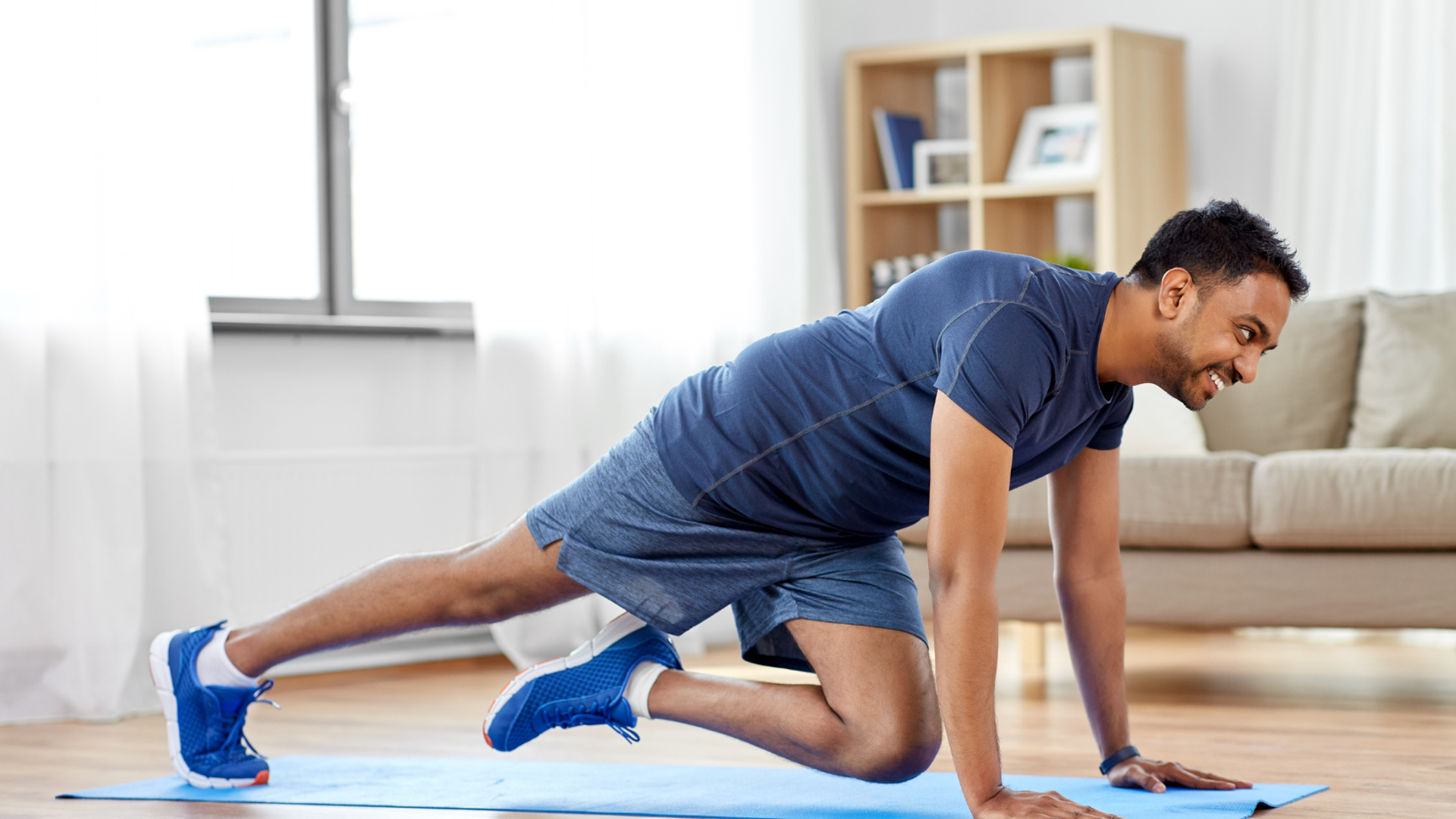
Mobility isn’t glamorous. But it’s often the difference between riding well and riding hurt. When your joints can move through full, healthy ranges, everything else works better, including posture, power transfer, and endurance.
And in a sport that’s all about repetition, mobility is your reset button.
Hips, Ankles, and Lower Back
Tight hips are almost a given in cycling. Long rides shorten your hip flexors, limit glute activation, and stiffen your lower back. That’s why post-ride mobility matters.
Try hip openers, deep lunges, and ankle dorsiflexion drills. Even five minutes a day adds up fast.
Thoracic Spine and Shoulder Openers
The upper back often bears the brunt of long rides. Foam rolling, cat-cow stretches, and wall angels improve thoracic extension and shoulder mobility, which are both crucial for good posture on the bike.
Breathe deeply through each rep. The more space you create, the easier your rides feel.
Daily Movement Snacks
You don’t need an hour. Spread mobility work across your day: first thing in the morning, after rides, or while watching TV. Consistency wins. A few focused minutes at a time keep your body feeling capable and mobile.
How Sports Conditioning Training Ties It All Together
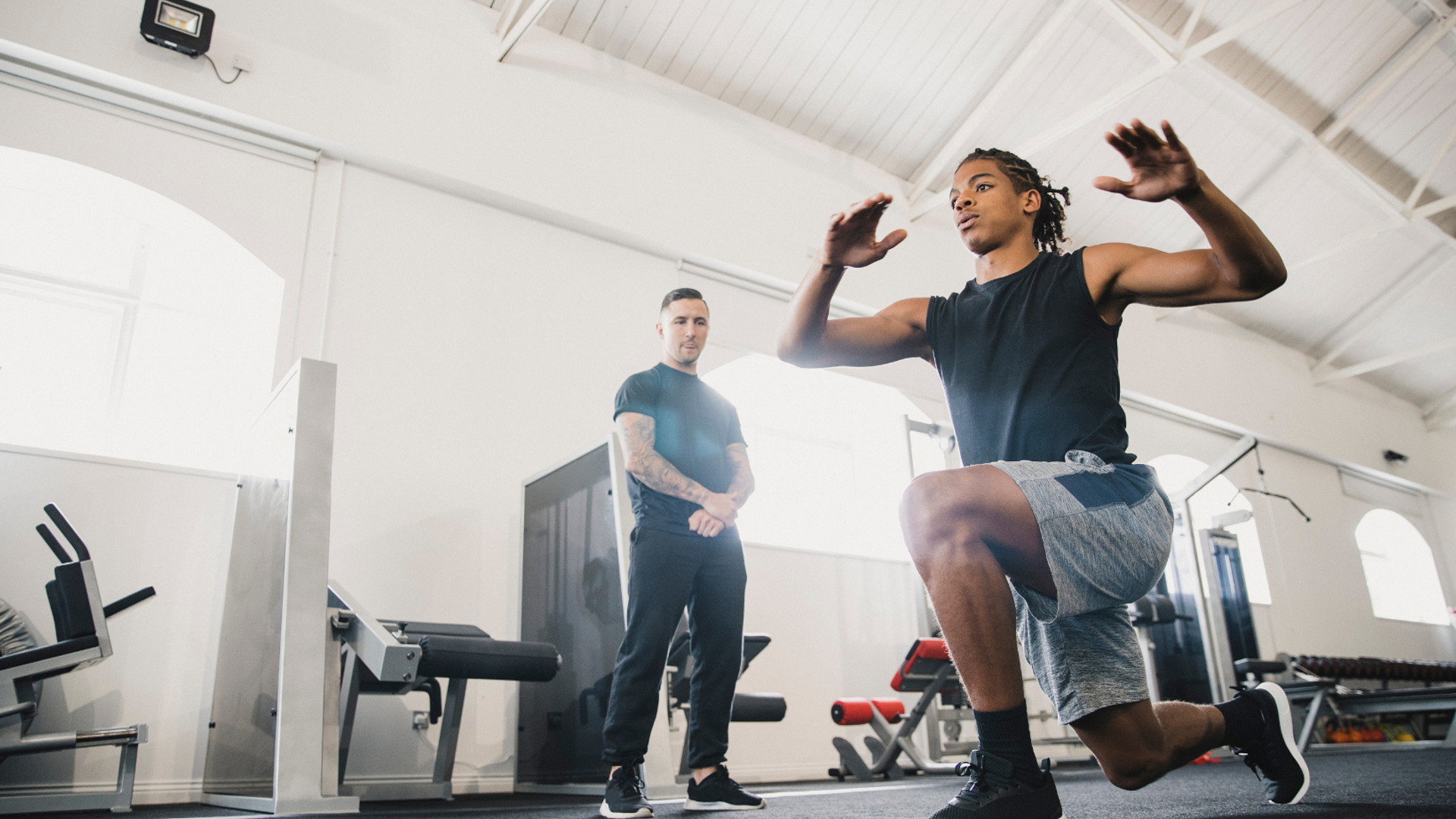
The best workouts for cyclists aren’t just about strength or cardio. They build control, tissue resilience, and energy systems that work together. That’s the essence of sports conditioning training, and why so many cyclists see major gains from it.
Movement Patterns Over Muscle Groups
Instead of isolating individual muscles, sports conditioning training focuses on movement patterns: push, pull, hinge, lunge, and rotate. These aren’t just gym terms. They’re how your body naturally moves, including on a bike.
When you train these patterns, you improve not just force output but efficiency. Your body becomes more efficient at transferring effort into motion.
Periodisation and Progression
Good conditioning follows a plan. You start with mobility and control. Then you build strength. Then speed and endurance. That progression keeps injuries low and yields high gains.
It’s smarter than grinding out reps with no structure.
Real-Life Adaptability
No gym? No problem. Most sports conditioning training can be done at home with minimal equipment. You don’t need the flashiest gear. You just need to be aware you move and what you target.
If you want real improvements in the saddle, this kind of work gives you the foundation.
How Svetness Personal Trainers Help Cyclists Train Smarter at Home
You don’t need to guess your way through strength work or spend hours online building the “perfect” cycling routine. A Svetness personal trainer does that for you, then coaches you through it in the comfort of your own home.
It doesn’t matter whether you’ve been cycling for years or are just getting into it, a Svetness trainer tailors your program to your actual needs: your bike setup, your weekly mileage, your weaknesses, and your goals. Instead of doing generic workouts, you’re training for real-world performance.
They focus on core and hip activation, postural alignment, and injury prevention. That might mean adding lateral lunges to counteract repetitive forward motion. Or using balance drills to improve pedal control. Or simply building a program that matches your on-bike schedule.
The biggest benefit? You get feedback and accountability. No second-guessing your form or wondering if you're doing enough. Your trainer keeps sessions challenging without overloading you, especially on heavy ride weeks.
And because it’s all done in-home, you don’t waste time commuting, waiting on equipment, or navigating gym crowds. You focus on what matters: building the kind of body that makes cycling easier, not harder.
With consistent guidance, realistic planning, and a focus on longevity, Svetness helps you ride stronger, recover faster, and actually enjoy the process.
Final Thoughts
You can only ride as well as your body allows. And workouts for cyclists that focus on strength, mobility, and energy system development create a strong foundation for every ride.
Start with what you’ve got. Use bodyweight, resistance bands, or small weights. Add in mobility and activation. Then build from there.
If you’re serious about improving your performance without burning out, sports conditioning training is the missing link. And with a personal trainer from Svetness guiding you, it’s easier than ever to do it right.
You’ve already got the passion. Now it’s time to build the body to match.
FAQs
How often should cyclists do strength training at home?
Two to three times per week is ideal. Focus on short, targeted sessions that target key cycling muscles, including the glutes, quads, hamstrings, core, and upper back. Rest and recovery still matter, so avoid overexertion on ride-heavy weeks.
Can I improve my cycling performance without riding more?
Yes. Strength, mobility, and conditioning work off the bike can significantly improve your performance on the bike. Better posture, stronger legs, and a more efficient core all mean you can ride faster and longer with less fatigue.
What’s the best home equipment for cyclists?
Start with resistance bands, a stability ball, and a mat. Dumbbells or kettlebells are a great bonus, but not essential. A pull-up bar or sliders can also add variety. Many routines can be done using just bodyweight and household objects.
Do I need a personal trainer for cycling workouts?
Not necessarily, but it helps. A personal trainer ensures you’re training smart, not just hard. They catch form issues, build structure around your ride schedule, and help you avoid burnout. For at-home cyclists, that guidance is often the difference between frustration and real progress.
Start your Svetness journey today
Get a free consultation and see how our trainers can transform your wellness journey.