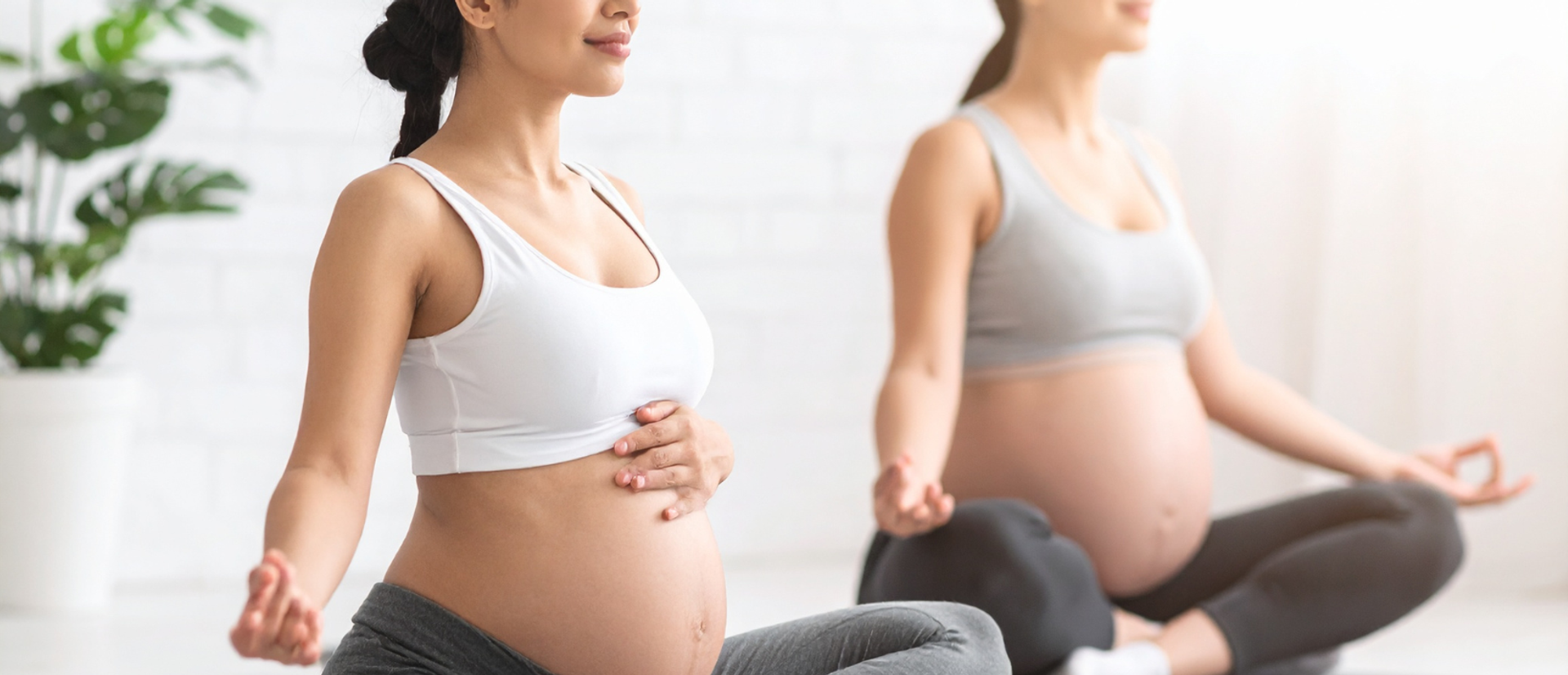
Prenatal Exercises at Home: Safe Stretches and Supportive Routines
Start safe prenatal exercises and pregnancy stretches at home. Relieve hip and back pain, build strength, and stay comfortable during every trimester.
Pregnancy symptoms have a way of sneaking up on you. One day, you’re moving through life as usual. The next, rolling out of bed feels like a half-marathon. Your hips feel stiff, your back sends signals you haven’t felt before, and you’re honestly wondering if the safest option is to sit still until it’s all over.
The good news is you’re not alone. Plenty of women feel that way, and it makes total sense. When your body feels unpredictable, the last thing you want is to push it too far. But staying still doesn’t usually help. Muscles get tighter. Energy dips. Everyday activities like climbing stairs or getting comfortable on the couch turn into challenges.
Here’s the part that surprises people: gentle prenatal exercises and simple pregnancy stretches can ease all that while being completely safe for you and the baby. They build strength where you need it, open up space in tight joints, and prepare your body for delivery.
Even a few minutes of pregnancy exercises at home make a difference. And with a personal trainer specializing in pregnancy, you don’t have to second-guess every move. You just follow their lead and know you’re safe.
Why Gentle Exercise Is Important During Pregnancy
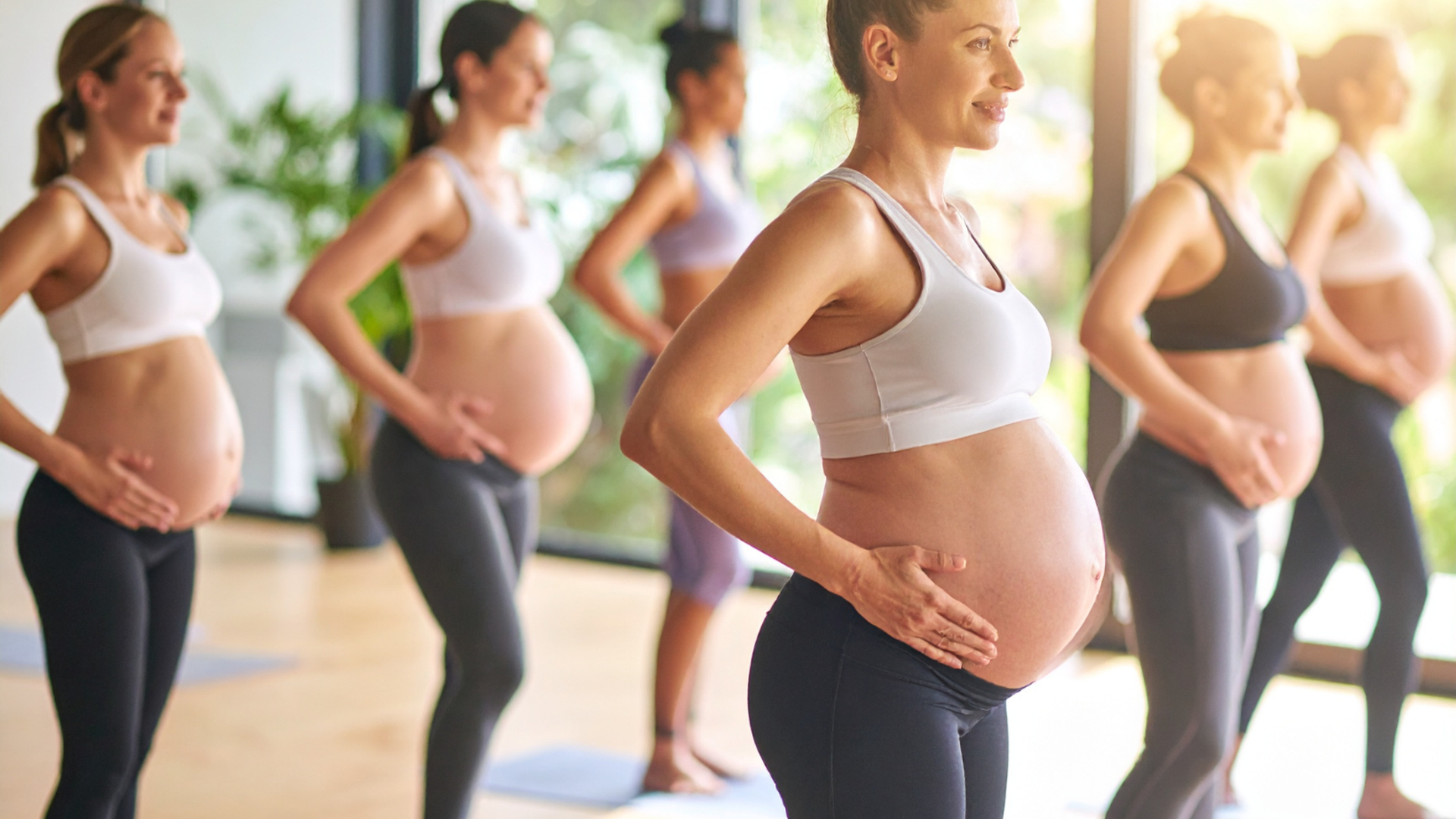
Imagine standing at the sink to do dishes, and halfway through, your lower back tightens. Or walking up two flights of stairs and feeling like you’ve been carrying a backpack full of bricks. These aren’t random aches. They’re signals from muscles and joints working harder than usual.
It’s no secret that pregnancy changes how your body functions. Ligaments loosen, your belly shifts your balance forward, and muscles that were once background players suddenly take center stage. Without movement, those changes transform into discomfort. Stiffness here. Swelling there. Tiredness that no nap seems to solve.
That’s why safe exercises during pregnancy matter so much.
Light strength work helps support your back and core. Pregnancy-safe stretches give your hips and shoulders some relief. Circulation improves, which cuts down swelling. And the real bonus? You start to feel capable again instead of fragile.
Don’t get it twisted. Pregnancy exercise isn’t about becoming a beast at the gym. It’s about moving enough to notice daily life getting easier, like:
- Standing from the couch without groaning.
- Walking to the store and back without that sharp pinch in your spine.
- Getting a full night’s rest because you’ve moved your body enough.
- Feeling less stressed and anxious.
A personal trainer for pregnancy helps you find that sweet spot: safe but effective. They’ll tweak your routine for each trimester so you’re not forcing anything, just moving in ways your body actually appreciates.
Myths About Exercising While Pregnant
Here’s where most of the confusion comes in. Everyone seems to have a story about what you can or can’t do while pregnant. Some of it comes from outdated advice. Some of it is plain fear.
And while these myths sound funny to personal trainers, they actually hold millions of women back from improving their well-being during pregnancy.
Myth 1: Exercise is unsafe
Absolutely false, yet so common. Doctors today encourage activity for most pregnancies. A mix of light strength work and prenatal stretches keeps you more comfortable and even supports your recovery later. The key is choosing the right intensity instead of avoiding exercise altogether.
Myth 2: Stretching is harmful
Gentle stretching for pregnant women is one of the easiest ways to reduce discomfort. Moves like hip stretches for pregnancy or back openers create space where your body feels cramped. The danger comes from forcing deep stretches, not from simple, steady movements.
Myth 3: Beginners shouldn’t start
This one holds too many women back. Safe pregnancy exercises at home are fine even if you weren’t active before. Start small. A walk, some squats to a chair, or a few prenatal stretches. Think of it as maintenance, not athletic training.
Myth 4: The harder you work, the better
While some people believe you should remain still during pregnancy, others continue to exercise with the same intensity as before. But pregnancy is not about intensity.
Regular pregnancy-safe stretches paired with low-impact routines create the biggest difference. They reduce swelling, ease pain, and give you steady energy. Pushing hard usually just leaves you sore and discouraged.
Take away the myths, and what you’re left with is simple: movement helps. The right kind of movement, performed consistently, changes how your body feels day to day.
Common Challenges Pregnant Women Face
Every pregnancy looks a little different, but particular struggles come up often. They’re the ones women swap stories about at appointments or complain about to their partners after a long day.
And guess what? These challenges all have one thing in common: movement makes them easier to manage.
Back pain
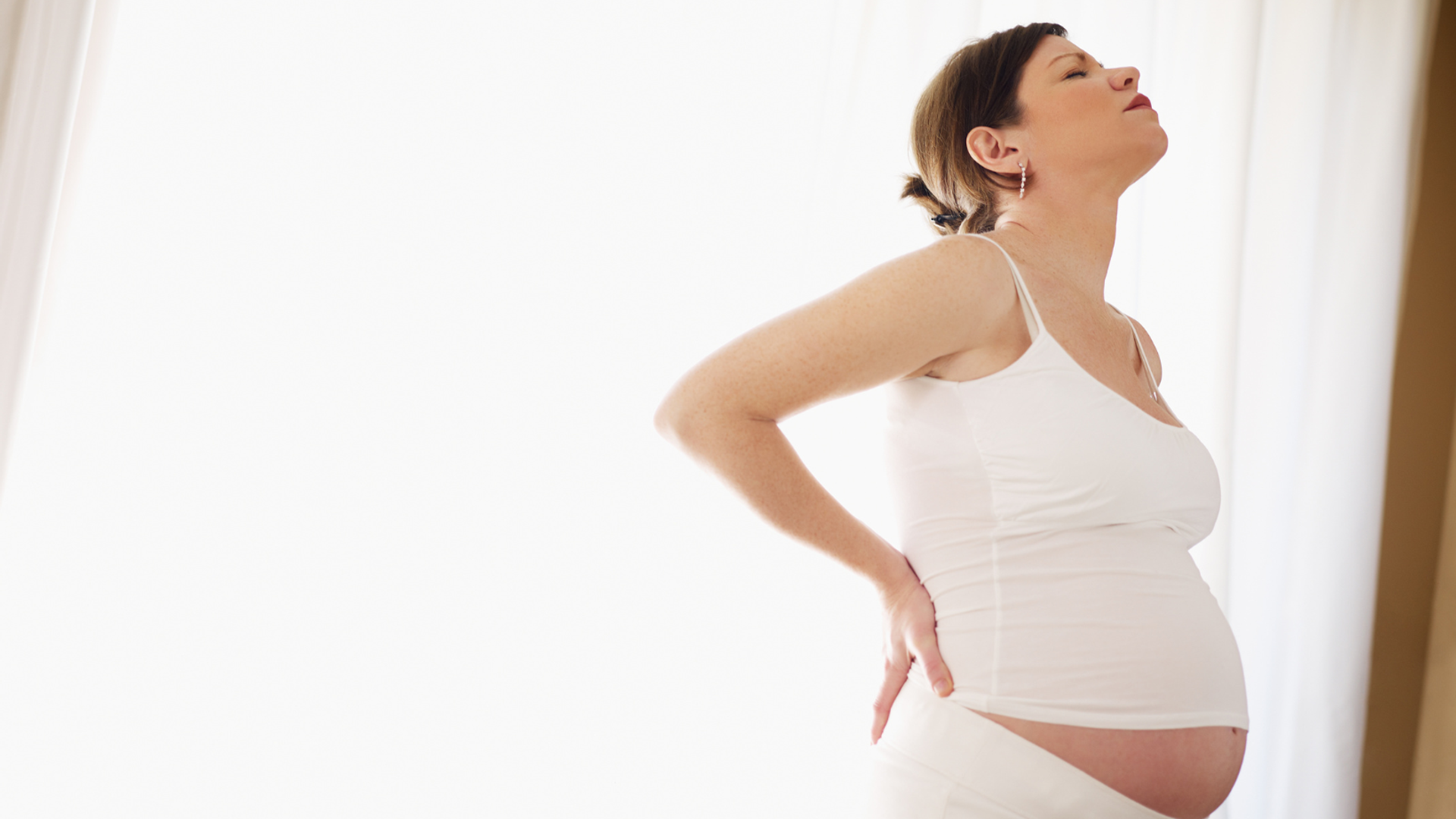
That steady pull in your lower back? It’s the curve of your spine shifting forward. Your muscles are working overtime. Adding pregnancy back pain exercises like bridges or supported tilts gives those muscles backup. Relief doesn’t happen instantly, but the nagging ache begins to soften.
Hip tightness
Hormones prepare your pelvis for labor by loosening the ligaments. Helpful in the delivery room, uncomfortable in daily life. Pregnancy stretches for hips and consistent hip stretches in pregnancy routines ease the stiffness and keep your lower body moving without grinding discomfort.
Fatigue
Everyone talks about pregnancy fatigue like it’s inevitable. And yes, it’s common. But light prenatal exercises often do more for energy than an afternoon nap. Even ten minutes of stretching or walking can shake off that heavy, sluggish feeling.
Worry about safety
Plenty of women want to move but hesitate because they’re unsure what’s okay. That pause sometimes stretches into months of inactivity. With a personal trainer for pregnancy, you skip the guesswork. Every exercise is adapted for your trimester, and you can finally move without wondering if you’re making a mistake.
Balance and mobility
Although you might not feel this issue on day 1, it does sneak up on you. You go to tie your shoes and suddenly feel unsteady. Or you step off a curb and realize your balance isn’t what it used to be.
Practicing pregnancy-safe stretches and gentle balance drills helps your body adjust to the shifting center of gravity. Small tweaks like that cut down on stumbles and awkward moments.
None of these challenges disappear overnight. But you don’t have to live with them at full force either. A little intentional movement, practiced consistently, can soften the edges and make daily life less of a battle.
Effective Prenatal Stretches and Exercises You Can Try at Home
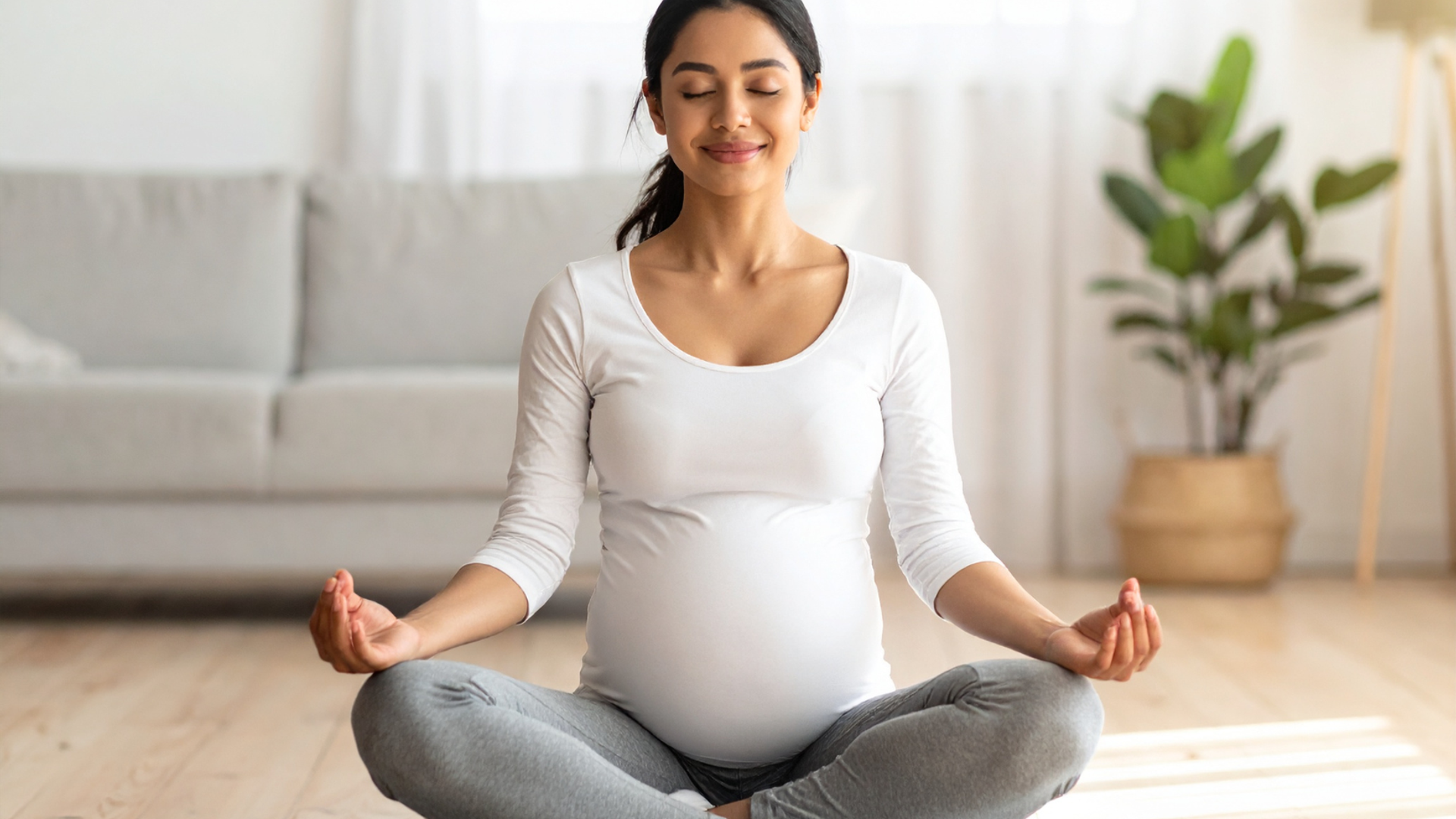
Pregnancy brings a mix of new sensations. Some days you feel steady, maybe even stronger than expected. Other days, it’s as if your body is trying to tell you something with every step. A tight hip here, a tug in the lower back there. This is where a handful of prenatal exercises change the picture.
These movements aren’t complicated. They don’t need to be. A few minutes of stretching or strength work can ease the pressure that builds throughout the day. Over time, those minutes add up to a body that feels more mobile, more comfortable, and better prepared for delivery.
Pregnancy hip stretches
Hips carry the weight of change during pregnancy. They loosen, they shift, and they begin to ache when they’re not cared for. A few simple hip stretches for pregnancy go a long way in keeping them cooperative.
- Seated butterfly: Sit with your feet together, knees open. No need to push them down. Simply sit, breathe, and allow your hips to settle into the position.
- Low lunge hold: Place one foot forward, with one knee on the floor, and keep your hands on a chair for balance. Lean gently until you feel the front of the hip release. Stay there. Breathe again.
- Chair figure-four: Sit on the edge of a chair, cross one ankle over the opposite knee, and fold forward slightly. It targets deeper hip tension without lying flat on your back.
Even short holds feel powerful. Try them when you wake up stiff, after sitting too long, or right before bed.
Pregnancy back pain exercises
Lower back pain has a way of creeping in without warning. You might notice it after a short walk, or simply from standing a little longer than usual. Muscles that once felt reliable suddenly give out. This is where pregnancy back pain exercises keep things manageable.
- Pelvic tilts: Stand against a wall with your feet hip-width apart. Roll your pelvis to flatten your back against the wall, then release. Slow, steady, controlled.
- Cat-cow: On your hands and knees, arch your spine up and then lower it down. Keep this workout gentle and rhythmic, with your breath leading the pace.
- Supported bridges: On your back with knees bent, lift your hips a few inches. Add a pillow or block under you if lying flat feels uncomfortable. The glutes and hamstrings engage, which takes work away from the back.
The difference becomes apparent when you stand, walk, and even when you try to rest. The pressure lightens.
General pregnancy-safe stretches
Not every stretch has to target one spot. Sometimes your whole body asks for release. These pregnancy-safe stretches are small resets you can sprinkle throughout the day.
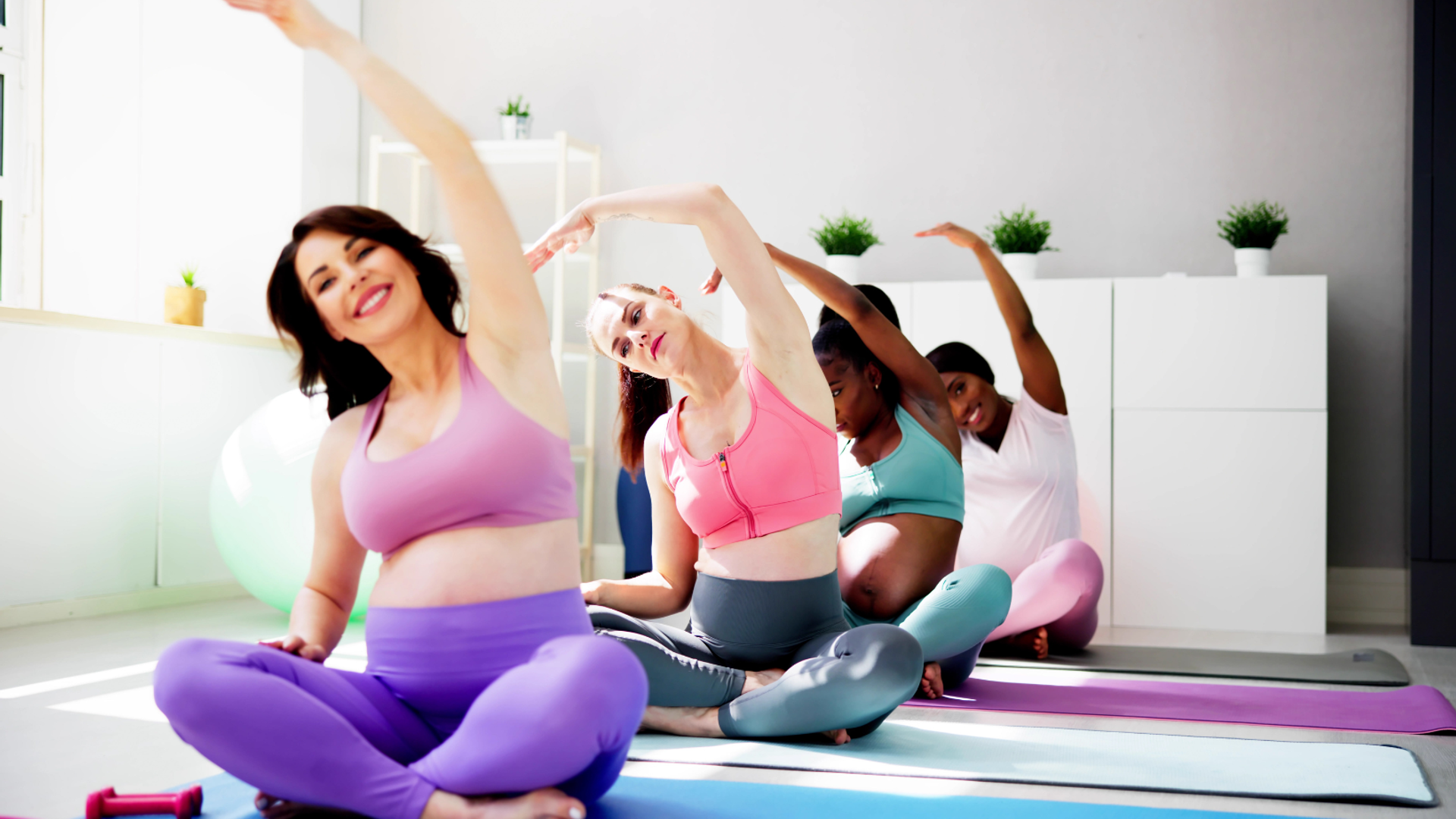
- Reach one arm overhead and lean to the side. Switch and repeat. It makes breathing feel easier, especially as your ribs adjust to less space.
- Roll your shoulders slowly. Tension in the upper back often sneaks in as posture shifts forward.
- Gentle squats with feet wide. Lower only halfway, pause, and stand. The legs engage, hips open, and circulation flows.
Although it might be tempting, your main goal isn’t to hit a checklist. Instead, it’s to notice how your body feels after. Usually lighter.
Pregnancy stretches by trimester
Your body changes month by month, which means prenatal stretches should change too.
- First trimester: Energy levels fluctuate. Full-body mobility routines and light stretching help maintain balance without draining you.
- Second trimester: The belly starts to show, posture pulls forward, and pressure builds in the hips. Focus on openers for the chest, hips, and lower back here.
- Third trimester: Comfort rules. Pregnancy stretches during the third trimester focus on supported positions: chairs, walls, and pillows. Anything that lets you stretch without strain.
These minor adjustments make stretching feel practical throughout.
The Role of a Personal Trainer for Pregnancy
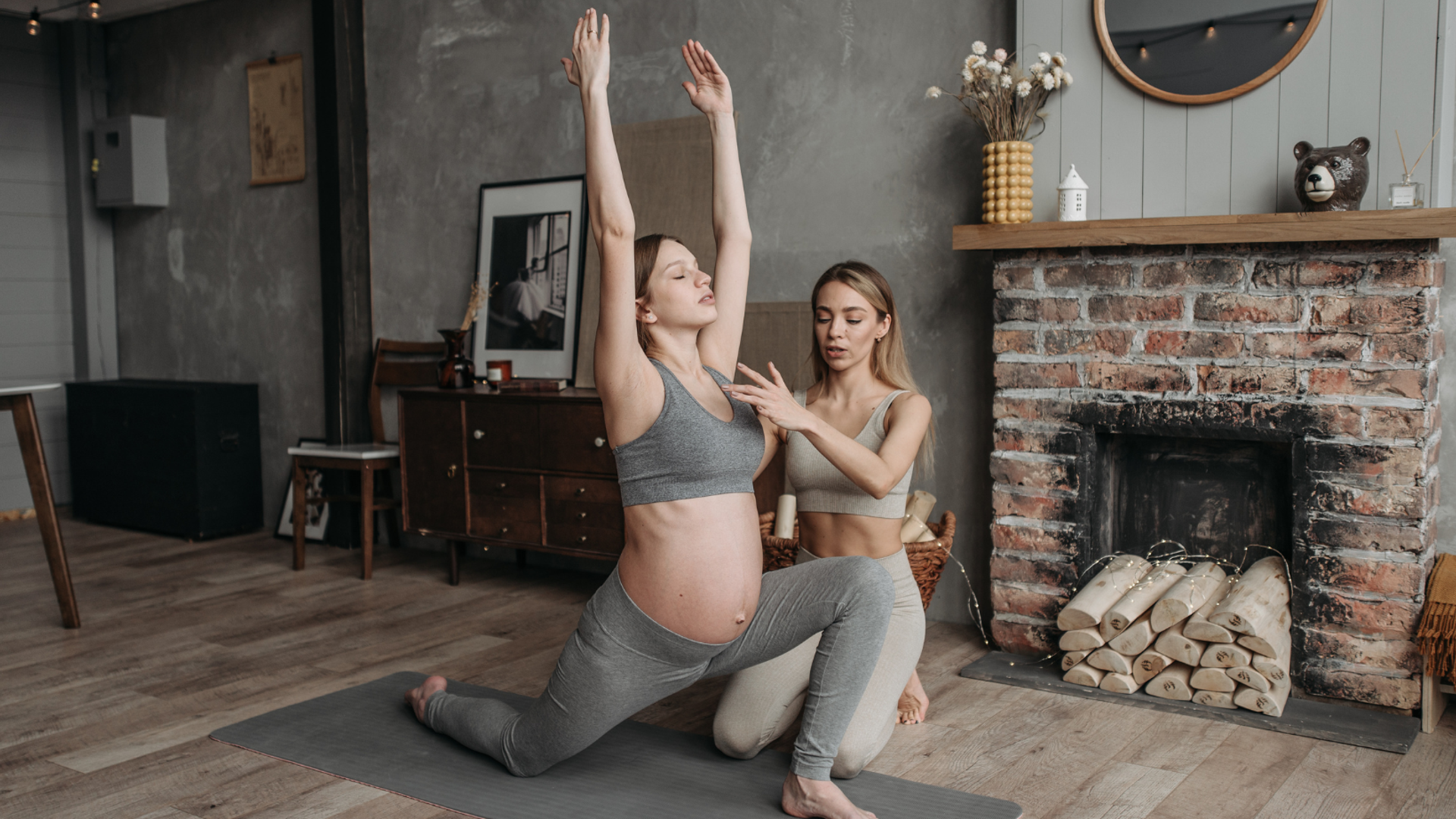
At-home movement works. But sometimes having an expert on your side removes the questions that keep you from starting. A personal trainer for pregnancy builds plans around your exact stage, energy level, and available space.
Instead of wondering if a move is safe, you’re guided through it with clear cues. Trainers notice things you might not, like a tilt in your pelvis, a shoulder compensating, or a breath held too long. Those small corrections build both safety and confidence.
There’s also the matter of consistency. When someone shows up at your home ready to train, the decision has already been made for you. All you have to do is move.
Svetness offers this kind of tailored support. Our in-home personal trainers bring workouts directly to you, adapt them to your surroundings, and adjust them as your pregnancy progresses. It’s fitness without the stress of figuring everything out on your own.
The Verdict on Prenatal Exercises
Pregnancy reshapes the way your body moves and feels, but safe activity helps keep those changes manageable.
A handful of pregnancy-safe stretches and light prenatal exercises can ease back tension, loosen stiff hips, and bring steady energy to your day. The benefits show up in small moments, like standing more comfortably, walking with more confidence, and resting with less strain.
Working with a personal trainer for pregnancy adds reassurance and structure. They adapt movements to your stage and space, so you can focus on feeling good rather than worrying about safety. Over time, those small sessions build a foundation of comfort and resilience that supports you right through delivery.
> Explore At-Home Personal Training
FAQs
What are the best pregnancy stretches for hips?
Hip openers, such as the seated butterfly, chair figure-four, and low lunges, are excellent for relieving tightness. These positions create space in the pelvis, improve circulation, and prepare your hips for the physical demands of labor. Holding each stretch for 20–30 seconds with steady breathing makes them more effective.
Can prenatal stretches help with back pain?
Yes. Movements like pelvic tilts, cat-cow stretches, and supported bridges strengthen the muscles that stabilize your spine and relieve pressure from posture shifts. Practiced regularly, these exercises reduce day-to-day discomfort and improve mobility.
Are prenatal exercises safe in the third trimester?
They can be, especially when modified for comfort. Supported positions using a chair, wall, or pillows keep you stable while still allowing you to stretch and move. Gentle hip openers, seated stretches, and balance-friendly strength drills are all safe options at this stage.
Do I need equipment for pregnancy exercises at home?
Most routines require little more than bodyweight and a stable surface. A mat, a chair, or a pillow for extra support usually covers everything. Resistance bands can add variety, but they’re optional. The focus is on consistency, not equipment.
Start your Svetness journey today
Get a free consultation and see how our trainers can transform your wellness journey.