Mobility Training: What It Is, and Why It's Essential

Mobility training improves joint health, posture, and movement. Learn why it matters, how trainers use it, and how to start mobility work at home.
For many people, fitness still means strength, endurance, or how quickly you can complete a circuit. But if you ask any personal trainer what often gets overlooked, they’ll tell you the same thing: mobility training.
Contrary to popular belief, mobility is about more than just being “flexible.” It’s your body’s ability to move through its full range of motion, comfortably, efficiently, and without compensation. It’s what helps you squat without pinching in your hips, twist without feeling stiff in your spine, or lift your arms overhead without your lower back doing all the work.
At Svetness, we work with people of all ages and abilities. Some are former athletes. Some are complete beginners. Others are managing joint pain, postural imbalances, or the effects of years of desk work. What they all have in common is this: once mobility training becomes part of their plan, everything else gets easier.
In this blog, we’re breaking down what mobility actually is, why it matters more than most people think, and how personal trainers weave it into everyday sessions.
What Is Mobility, Really?

Mobility isn’t just stretching. And it’s definitely not an extension of yoga. It’s a combination of joint function, muscle control, and body awareness, and it plays a role in almost every movement you do.
It Involves Joints and Muscles Working Together
Mobility is different from flexibility. Flexibility is about how far a muscle can lengthen passively. Mobility is about how far you can actively move a joint under control. Think of it this way: flexibility is lying on your back and pulling your leg toward you with a strap. Mobility is lifting that same leg on your own.
This distinction is particularly important when attempting to establish functional movement patterns. You don’t just want to be bendy. You want to move well, with stability and balance.
It Impacts How You Move Day to Day
Tight ankles can affect your squats. A stiff thoracic spine can limit your overhead reach. Poor hip mobility can strain your lower back during simple things like standing, walking, or bending.
Trainers see this all the time: clients compensating in one area of the body because another area isn’t doing its job.
Mobility training helps restore proper joint function, making movement more natural and less taxing.
It Requires Active Control
Improving mobility isn’t about holding a stretch for 30 seconds and hoping for the best. It’s about teaching your body to control its range of motion. This often involves slower, deliberate movements, such as controlled articular rotations (CARs), resistance band work, or low-load strength training through deeper positions.
It’s a Long-Term Investment
Mobility isn’t something you do for a few weeks and check off your list. It’s ongoing, especially if you sit a lot, train hard, or have a history of injury. But the payoff is massive. Better movement means fewer compensations, fewer overuse issues, and more options when it comes to how you train and live.
Why Most People Lose Mobility Over Time

It’s easy to assume that stiffness is just a natural part of aging. And while age can play a role, lifestyle is often the bigger culprit. We move less, sit more, and repeat the same patterns over and over without any real variety.
Daily Habits Limit Our Range
Let’s be honest here. Most of us sit for hours at a time. That position shortens the hip flexors, weakens the glutes, and reduces the need for full-body movement. Over time, our joints adapt by becoming more efficient at doing less.
Without regular movement through full ranges, mobility starts to fade. And once it does, even everyday tasks like tying your shoes or reaching for a high shelf can become harder.
Injuries Lead to Compensation
When you’ve had a past injury, your body naturally finds ways to avoid that area. But in doing so, you build new habits that often reinforce stiffness or imbalance.
Trainers help clients identify these compensation patterns and gradually reintroduce controlled movement to those neglected areas, often starting small and building back confidence.
Lack of Movement Variety
Even if you work out regularly, you might still lack mobility. Repeating the same exercises, speeds, and ranges can limit how well your joints adapt to change.
This is especially common among individuals who focus on lifting heavy weights or running long distances but neglect mobility exercises.
Mobility training introduces movements your body doesn’t get during traditional cardio or strength training. Think circular hip movements, dynamic lunges with rotation, shoulder openers under control, not just reps and sets.
Stress and Breath Mechanics Matter Too
Mobility isn’t just physical. It’s influenced by your nervous system. When you’re stressed, your breathing becomes shallow, your posture shifts, and your muscles can become hyperactive or guarded. That alone can limit how freely you move.
That’s why trainers often incorporate breath-focused drills into their mobility work. When the nervous system calms down, the body moves better.
The Benefits of Mobility Training Most People Don’t Think About

Mobility work doesn’t feel like a big deal at first. It’s slower. You’re not sweating buckets. But it quietly makes everything better. It’s the thing that helps your workouts feel smoother, your joints feel less cranky, and your posture feels more relaxed.
It Improves Joint Health and Reduces Pain
When your joints move the way they’re designed to, everything else works more efficiently.
You’re less likely to grind through movements or rely on compensations that stress the wrong areas. For clients with stiff hips, limited shoulder mobility, or a tight lower back, this alone can be a significant relief.
Trainers often see mobility improvements result in less post-workout soreness, fewer random aches, and better overall energy during sessions. It’s not magic. It’s just that your body works better when the joints can do their job.
It Makes Strength Training More Effective
You can’t squat well if your ankles are stiff.
When mobility is part of your program, your strength gains come from a more solid foundation. You move better under load. Your muscles activate the way they should. And over time, that adds up to better results and fewer setbacks.
It Helps Prevent Injury
Tight areas create vulnerable ones. If your hips don’t rotate well, your knees might take the stress. If your shoulders can’t move freely, your neck or elbows might try to pick up the slack.
Mobility training creates balance. It ensures that no single area is doing too much because another isn’t doing enough. For clients with a history of injuries or those looking to stay active for the long term, injury prevention is invaluable.
How Personal Trainers Integrate Mobility Into Your Routine
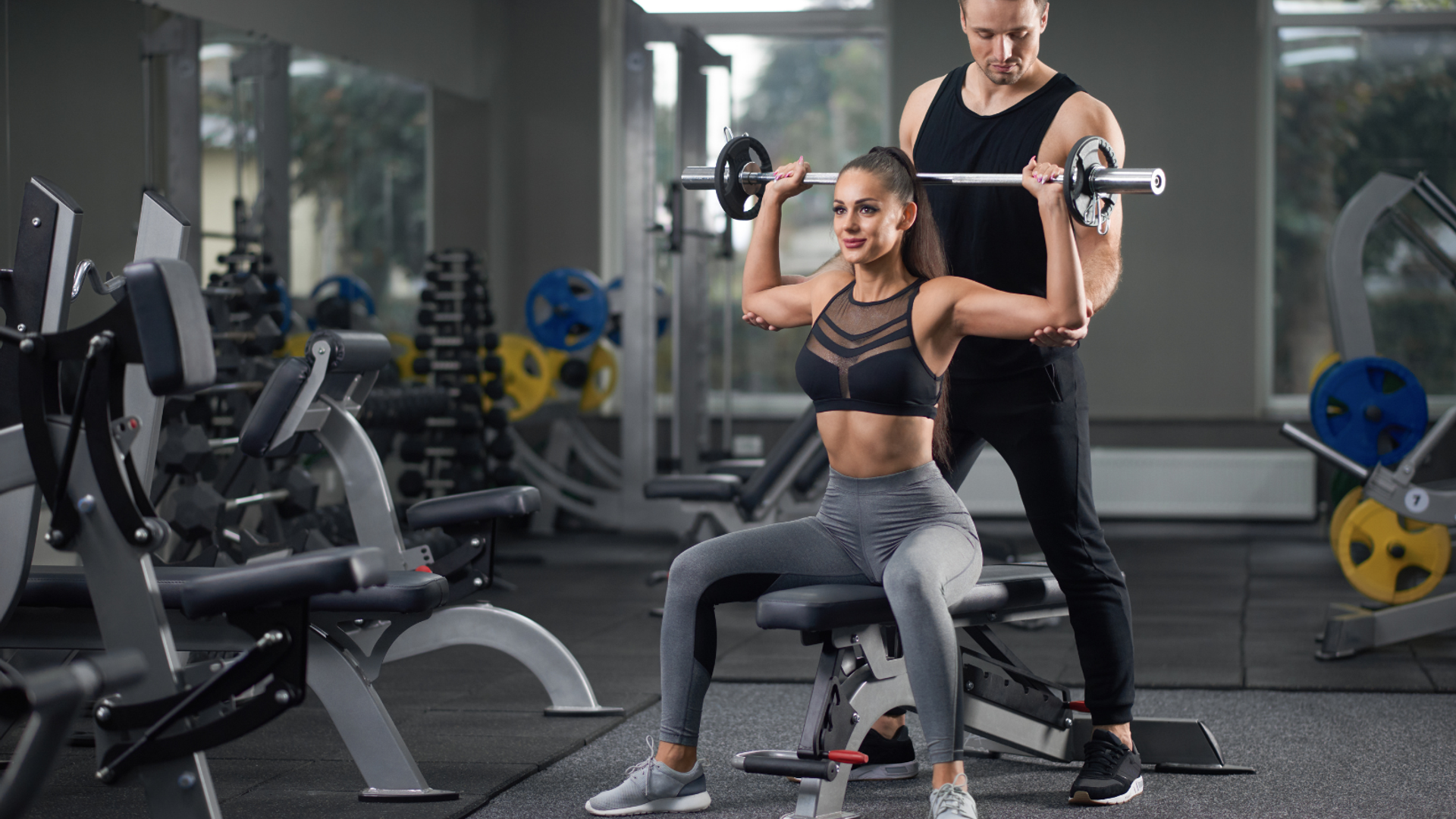
A common myth is that mobility work needs to be a separate routine, such as an hour of yoga or a series of stretches after every workout. In reality, the best mobility work is woven directly into your sessions.
It’s Used in Warm-Ups to Prep the Body
Trainers rarely start sessions cold. A warm-up with mobility elements, such as active hip openers, ankle drills, or thoracic spine rotations, helps prepare your joints for what’s to come.
These movements also help clients connect with their bodies early on, notice how things feel, and ease into intensity.
It’s Part of Strength and Conditioning Work
Mobility doesn’t stop after the warm-up. Trainers often incorporate it throughout the session, especially during breaks or as part of circuit training. You might alternate between a core set and a deep lunge with rotation. Or finish a heavy lift with a banded shoulder opener.
It’s Adapted to Fit Your Body and Goals
Mobility needs are personal. A runner may need to work on their ankles and hips. Someone recovering from shoulder pain might need to focus on scapular control. A client working from home all day might need help reversing hours of slouching.
Trainers assess and adapt. At Svetness, that means delivering at-home personal training for mobility that fits your space, your body, and your specific movement limitations.
It’s Progressively Challenged Over Time
Mobility isn’t static. As you improve, your routine evolves. Movements get deeper, positions get stronger, and your control improves. Trainers guide this progression safely, making sure gains are built on control, not just range.
The Difference Between Mobility and Flexibility

People use these terms interchangeably, but they’re not the same thing. And understanding the difference can change how you approach your training.
Flexibility Is Passive, Mobility Is Active
Flexibility is how far a muscle can lengthen when you apply external force. Think of bending over and reaching for your toes. If gravity or someone else is helping, that’s passive.
Mobility, on the other hand, is how far you can move through a range of motion with control.
Can you reach overhead without arching your back? Can you sink into a squat with your knees and ankles doing their job?
Flexibility Without Control Can Be Risky
Being flexible isn’t inherently bad, but if you can’t control that range, it can lead to issues. Hypermobile clients, for instance, are often more prone to joint instability or injury because they lack the strength to stabilize their end range.
Flexibility Might Feel Better, But Mobility Helps You Move Better
Static stretching can feel good, especially after a long day or a hard workout. But it’s not always functional. You might be able to touch your toes without improving your ability to hinge, squat, or lift.
Mobility drills, though less glamorous, often translate more directly to daily movement. Trainers know this, which is why they emphasize movement-based prep, not just passive stretching.
How to Start Mobility Training at Home
You don’t need a gym, fancy gear, or even a lot of time. Starting with just a few focused movements a day can make a noticeable difference.
Keep It Simple and Repeatable
Start with three or four movements that target your tightest spots, like the hips, shoulders, ankles, or thoracic spine. Perform them slowly, with control, and avoid rushing through the reps. Consistency matters more than variety in the beginning.
If you're unsure where to start, working with someone who understands your goals can be beneficial. That’s where at-home personal training becomes especially helpful. A trainer sees how you move and builds your plan around what will actually help.
Make It Part of Something You Already Do
You don’t have to carve out a new chunk of time. Add mobility work to your warm-up. Do it while the coffee brews. Use it as a wind-down before bed. The more integrated it is, the more likely it is to stick.
Over time, those small sessions build up. Clients often notice they feel looser during their workouts, recover faster, and even stand or sit with more ease.
Don’t Push Into Pain
Mobility training should feel like effort, not strain. You might feel tension, but you shouldn’t feel sharpness or pinching. Trainers always encourage clients to move up to their limit, not through it.
Track What Feels Different Over Time
Progress might not show up in the mirror, but you’ll feel it in your movement. Maybe squats feel easier. Maybe your balance improves. Maybe you should stop cracking every time you roll out of bed.
Trainers help clients track these changes and build on them. It keeps the work rewarding, even when the movements themselves feel subtle.
Final Thoughts
Mobility might not be the first thing people think about when starting a fitness routine.
But once it’s in place, it changes everything.
It’s the difference between working hard and moving well. Between pushing through workouts and actually enjoying them. Between stiffness and freedom.
At Svetness, we help clients establish strong, sustainable routines that support their full range of motion, regardless of their age, goals, or starting point. Our approach to mobility training is personal, practical, and grounded in what works.
We meet you in your space. We bring what you need. And we help your body move the way it was designed to.
Frequently Asked Questions
Is mobility training the same as stretching?
Not exactly. Stretching is about lengthening muscles, usually passively. Mobility training focuses on active movement through the full range of your joints.
Can I improve mobility without a gym?
Absolutely. Many effective mobility exercises use just your body weight or light equipment like resistance bands. At Svetness, we offer at-home personal training for mobility so clients can improve their movement in the space they already live in.
How long does it take to see results?
It depends on your starting point, but many clients notice improvements in just a few sessions, such as reduced stiffness or increased control in familiar movements. Long-term change comes from consistency. With 2–3 focused sessions a week, most people feel a big difference within the first month.
Who benefits most from mobility training?
Everyone. It’s helpful for beginners, experienced lifters, runners, older adults, and anyone dealing with joint stiffness or past injuries. If you want to move better, hurt less, or support your workouts with more balance and control, mobility work will help.
Start your Svetness journey today
Get a free consultation and see how our trainers can transform your wellness journey.