Personal Trainers Answer: Should You Eat Before or After a Workout?
Trainers answer the big question: eat before or after a workout? Find out how timing your meals boosts performance and recovery.
As personal trainers, we hear this one all the time: should you eat before a workout or after?
This question comes up in gyms, at kitchen tables, even in casual conversations with friends. Some people say you should train fasted to burn fat more efficiently. Others argue that food beforehand is the only way to power through a tough session. Everyone’s an expert, yet their advice doesn’t always line up.
We see this debate firsthand with clients. One person eats a full meal right before training and ends up sluggish, trying to push through with heavy legs and low focus. Another skips food altogether and feels strong at first, only to crash midway.
Then there are people who figure out their timing, opting for a light snack that sits well or a meal eaten far enough in advance. They’re the ones who move steadily through their workouts, recover more quickly, and actually enjoy the process.
So, is it better to eat before or after a workout? That depends on your goals, your training style, and how your body responds.
If you’ve ever asked yourself should you eat before working out, let’s dive into why timing matters, what kinds of food help the most, and where people tend to go wrong.
Understanding Workout Nutrition Timing
Food is more than fuel. It’s what tells your body where to pull energy from during a workout and how to rebuild once you’re done. That’s why “Is it better to eat before or after a workout?” isn’t a silly question. The answer changes the way your body feels and performs.
Eat before training, and your muscles rely primarily on glycogen, the stored form of carbohydrates. That steady stream of energy supports endurance, heavier lifts, and high-intensity sessions.
Skip food, and your body shifts gears. It leans harder on fat reserves and, in some cases, even dips into muscle protein for backup energy. Some people like that approach, especially those interested in fasted cardio, but many end up feeling lightheaded or weaker.
Neither method is automatically wrong. A relaxed yoga class might not require much fuel. But a heavy strength session, a sprint, or a long run? Food beforehand often makes the difference between powering through and burning out.
Then comes the recovery side. Every workout leaves behind small muscle tears and depleted glycogen stores. What you eat afterward provides your body with what it needs to recover. Carbs refill the tank. Protein supplies the building blocks for repair. Skip that meal or delay it too long, and recovery drags. Soreness lasts longer, and energy the next day feels lower.
That’s why so many people also ask if it is better to work out before or after you eat. The truth is, both pre- and post-workout windows matter. Fueling before helps with performance. Refueling after helps with repair. Think of them as two halves of the same picture. Ignore one, and your progress slows.
Fueling Up: What to Eat Before a Workout
Walking into training without food can feel like trying to start a road trip on an empty tank.
Some people make it work, but most end up stalling halfway. Pre-workout fuel isn’t about stuffing yourself. Rather, it’s about giving your body just enough to move steadily without discomfort.
Pre-workout foods that work well

The formula is simple: carbs for quick energy, a bit of protein for muscle support, and low-fat and fiber so digestion stays smooth. The best snacks are light, easy to digest, and reliable.
Here are some that come up often with our clients:
- Banana or apple slices with nut butter: The fruit provides fast carbs for energy, while the nut butter enhances your performance.
- Greek yogurt with berries: A creamy, refreshing mix of protein and natural sugars that works well in the morning.
- Small smoothie: Blend fruit with milk or a non-dairy alternative, plus a scoop of protein powder, if desired. Easy to sip and easy on digestion.
- Half a turkey sandwich: A little more filling, but great if you’ve got at least 60–90 minutes before training.
Notice how none of these are full meals. They’re more like pit stops. And the timing matters as much as the food itself. A small snack 30 minutes before training feels very different from a light meal eaten an hour and a half earlier. That’s why we remind clients to experiment.
Remember: your digestion is unique, and finding your sweet spot takes a little trial and error.
Common pre-workout mistakes
Most mistakes fall into the same handful of traps, and they can turn even the best workout into a struggle:
- Relying purely on pre-workout supplements instead of paying attention to nutrition.
- Eating too much, too close. A burger or plate of pasta right before training forces your body to focus on digestion instead of movement. Discomfort usually follows.
- Leaning on sugar or caffeine alone. A candy bar or energy drink feels good at first, but the crash hits hard. By the second half of your workout, you’re dragging.
- Skipping digestion time. Even healthy snacks can backfire if you don’t give your stomach space. A smoothie might be great fuel, just not if you’re sipping it while tying your shoes.
The solution isn’t complicated. Keep your food light, choose familiar options, and give your body enough time to process it. When you hit that balance, workouts feel more controlled, and you’ll notice you can push further without as much fatigue.
Refueling After a Workout: The Right Meal Goes a Long Way

The last set finishes, your heart rate starts coming down, and sweat is still running. That’s the point where recovery begins.
Muscles that have worked hard now need fuel to repair, and glycogen stores need to be replenished. People often ask us, “Do you eat before or after a workout?” as if it always has to be one or the other. The honest answer: food before and food after play very different roles.
A meal or snack after training feeds the recovery process. Carbs restore energy reserves so your next workout doesn’t feel heavier than it should. Protein provides the amino acids that strengthen and rebuild muscle tissue. Eat soon, and you usually notice less soreness and a bit more energy the following day. Wait too long, and the recovery feels slower, even when the workout itself was solid.
We usually recommend eating within an hour after finishing. That’s when your body is most ready to use nutrients to bounce back. It doesn’t need to be a fancy meal either: a well-balanced plate is more than enough.
What to include in a post-workout meal
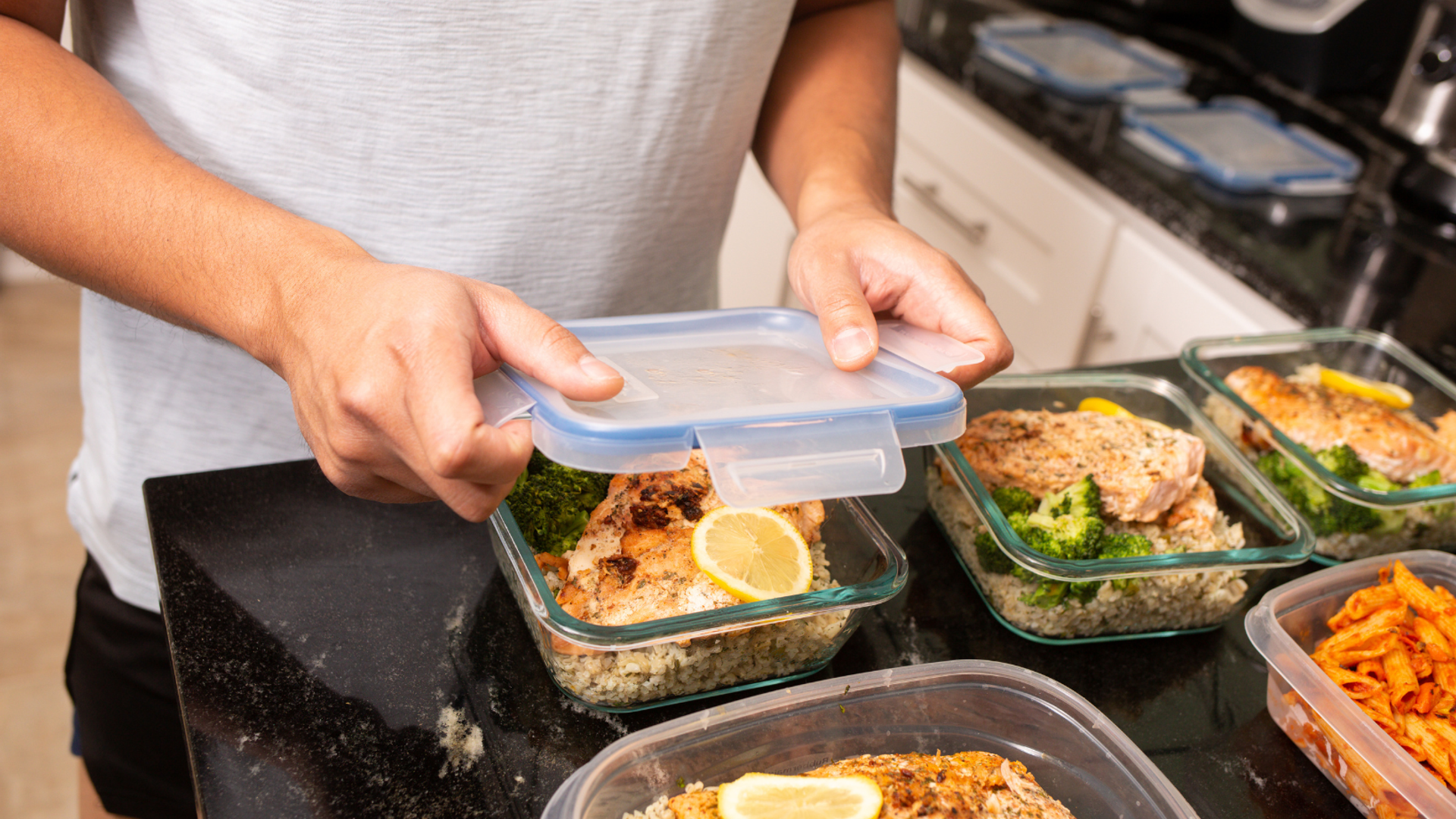
The best post-workout meals are practical and balanced. Here are some favorites we suggest to clients, depending on the time of day:
- Grilled chicken with rice and vegetables (lunch or dinner)
- A smoothie with protein powder and fruit (breakfast)
- Eggs with whole-grain toast and avocado (breakfast)
- Salmon with sweet potato and greens (lunch or dinner)
Hydration fits into this, too. Even moderate sweating means fluid loss, so water is always helpful. And if the session was long or intense, an electrolyte drink can restore balance quickly.
Should You Eat Before or After Training to Lose Weight?

The question shifts when weight loss enters the conversation. Many ask if they should eat before or after a workout to lose weight. The simple truth is that fat loss occurs when you maintain a calorie deficit. But timing meals well makes it much easier to hit that target without feeling drained or overly hungry.
Eating a light snack before training usually makes you feel more energized and stronger. With more energy to push, you often burn more calories overall. A banana with nut butter or a small smoothie can provide enough fuel without feeling too heavy.
Food afterward helps just as much. Eating in the recovery window reduces hunger later in the day. Clients who eat a balanced meal soon after training usually find it easier to keep meals steady rather than reaching for whatever’s quick.
Timing for better results
When clients ask when to eat after a workout to lose weight, we often recommend within 30–60 minutes.
This time window provides your body with what it needs before hunger becomes too strong. Even simple meals or snacks like yogurt with granola, a shake with fruit, or lean protein with a carb work well here.
The best pattern often looks like this: a light snack before training, followed by a balanced meal afterward. That rhythm keeps workouts effective, recovery smoother, and appetite more predictable.
Clearing Up the Confusion Around Timing
We often hear: Is it better to eat before the gym or after? Or is it better to eat before or after working out? The answer depends on your goal:
- Performance thrives on food before.
- Recovery thrives on food afterward.
So when someone asks if it's better to work out before or after you eat, we remind them that both ends matter. It isn’t either-or. It’s about creating a balance that fits both your workouts and your lifestyle.
Some feel strong with a small snack before training. Others rely on a full meal earlier in the day. Both can be right, as long as you notice how your body responds and adjust from there.
How We Guide Clients Through These Choices
Every client has different needs. Some come in asking, Is it better to eat before the gym or after? Others zero in on protein and ask, Should I eat protein before or after a workout to lose weight?
At Svetness, we help cut through the confusion. Instead of following strict rules, our in-home personal trainers look at your goals, schedule, and energy levels. Then we test options. One week it might be fruit before training, the next a shake afterward. Soon patterns appear. You feel steadier, recovery feels quicker, and progress feels smoother.
That’s the advantage of working with us. You don’t have to guess or piece advice together from random sources. You get guidance tailored to you, your workouts, and your life.
Final Remarks
So, should you eat before a workout or after? The answer is both, but in different ways.
Food before training helps you step into the workout ready, energized, and focused. Food afterward helps you recover faster, rebuild stronger, and feel steadier as you head into the next session. Together, they form the rhythm that makes workouts sustainable.
For weight loss goals, timing also makes a difference. A small snack before training supports performance so you can burn more calories. A balanced meal afterward prevents cravings from derailing your plan. This rhythm keeps energy stable, recovery smoother, and appetite manageable.
At Svetness, we build plans that fit into your lifestyle. We know the advice out there can feel overwhelming. Our role is to simplify, personalize, and guide you through choices that actually work. With us, you’ll know what to eat, when to eat, and how to fuel workouts in a way that feels natural.
Nutrition timing doesn’t need to feel complicated. With a little consistency and the right support, it becomes second nature. When you lock in the rhythm that suits you, workouts become easier, recovery feels quicker, and results last.
> Schedule a Free Consultation
FAQs
Should I eat before or after a workout to lose belly fat?
Belly fat responds to the same rules as the rest of the body. Fat loss happens with a calorie deficit, but timing meals helps you stick to the plan. A snack before training often boosts energy so workouts feel productive. A meal afterward keeps recovery smooth and appetite in check, which supports fat loss over time.
When to eat after a workout to lose weight?
Eating within 30–60 minutes after training works well. That’s when the body absorbs nutrients most efficiently. It doesn’t have to be big: a smoothie, yogurt with fruit, or lean protein with a carb all support recovery and reduce hunger later. This timing helps you keep meals steady without feeling deprived.
Is it better to eat before the gym or after?
Both have value. Eating before fuels performance. Eating afterward speeds up recovery. The most effective approach blends the two, creating a rhythm that supports energy, performance, and results.
Should I eat protein before or after a workout to lose weight?
Protein helps preserve lean muscle and supports fat loss. A portion before training can keep muscles strong during a calorie deficit. A portion afterward helps rebuild and repair. What matters most is consistent daily protein intake, but splitting it around workouts provides steady benefits.