Weak Middle Traps Are Ruining Your Upper Body Strength

If you have poor posture, shoulder pain, or weak upper back strength, weak middle traps might be the culprit. Here's how to identify and fix the problem.
Upper-body strength is easy to associate with the muscles you can see in the mirror. Many people focus on the chest, shoulders, arms, and abs because those areas feel more obvious during training. The upper back often gets less attention, especially the smaller muscles that help your shoulder blades move well.
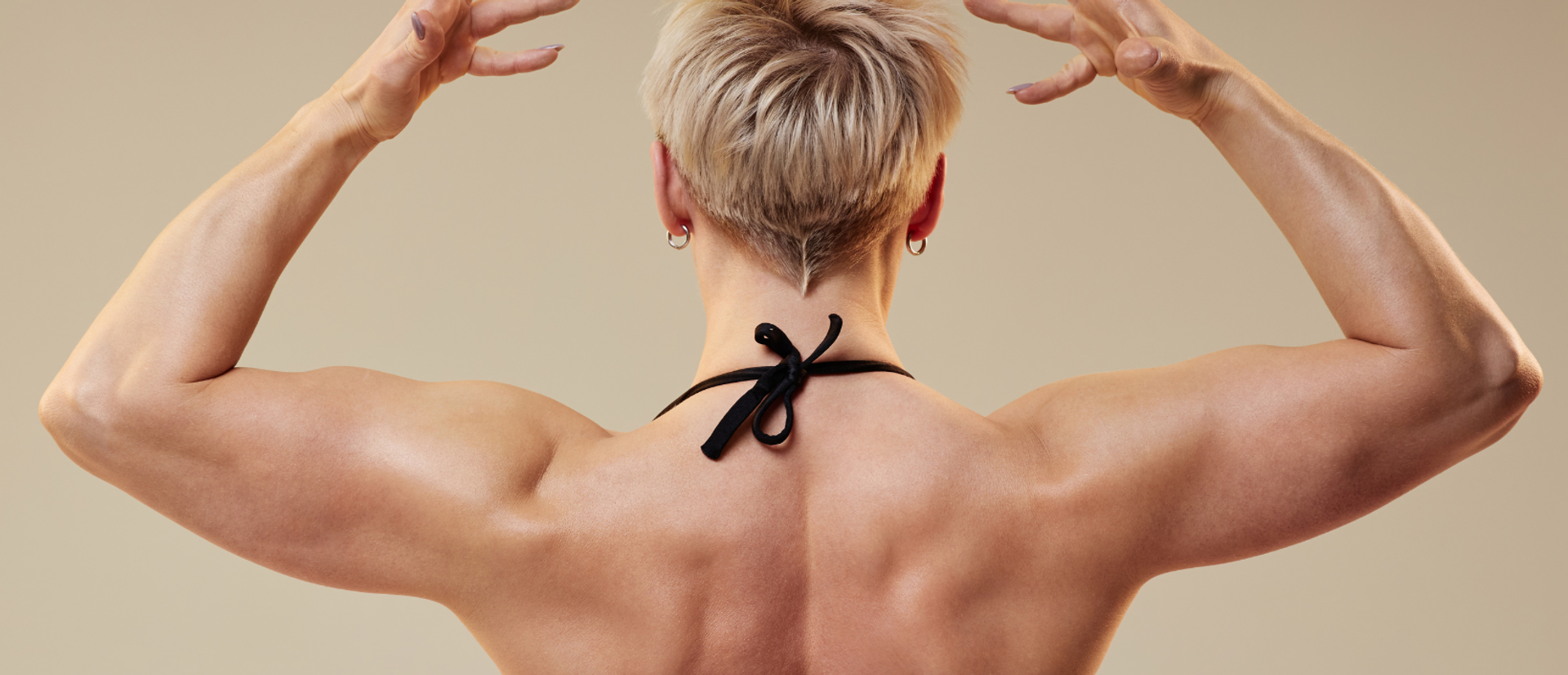
Middle traps are one of those overlooked areas. They sit across the upper back between the shoulder blades and help pull the shoulder blades together. That may sound like a small job, but it affects posture, pulling strength, shoulder comfort, and the way your upper body feels during daily movement.
If your shoulders round forward, rows feel weak, or your neck and shoulders feel tense after sitting, your upper back may need more attention. Training in this area can help you move with better control and feel stronger in exercises that involve pulling, posture, and stability.
At Svetness, we often see clients who train consistently but still feel limited by shoulder discomfort or weak upper-back strength. Once their program includes focused work for the middle traps, they often feel more balanced, more stable, and more confident during upper-body at-home strength workouts.
Start your Svetness journey today
Get a free consultation and see how our trainers can transform your wellness journey.
What Middle Traps Do for Your Upper Body

The trapezius is a large muscle across the upper back. It has upper, middle, and lower sections. Each section helps with different shoulder blade movements.
The middle portion sits between the shoulder blades. Its main job is scapular retraction, which means pulling the shoulder blades toward each other. You use this action during rows, band pull-aparts, face pulls, and many posture-focused exercises.
This movement matters because your shoulder blades act as the base for many upper-body exercises. If that base is weak or unstable, pressing, pulling, and overhead movements can feel less controlled. Your shoulders may also start to take on more stress than they should.
Strong middle traps can help you hold better posture, especially if you sit for long periods. They can also support stronger rows and better shoulder positioning during workouts. This does not mean they fix every shoulder issue, but they are often an important part of a balanced upper-body plan.
Many people train the front of the body more often than the back. Push-ups, bench presses, shoulder presses, and chest exercises can all be useful, but they should be balanced with pulling and upper-back work. A stronger back helps the shoulders feel more supported.
Signs Your Middle Traps May Need More Work
Weakness in this area can show up in different ways. You may notice rounded shoulders, upper-back fatigue, difficulty squeezing your shoulder blades together, or poor control during rows. Some people also feel discomfort around the shoulder or neck, especially after long hours at a desk.
These signs do not always mean one muscle is the only issue. Posture, stress, sleep, training history, mobility, and daily habits can all play a role. Still, the middle traps are a smart place to examine if your upper back feels undertrained.
A simple check is to stand tall and gently pull your shoulder blades toward each other without shrugging. If that feels weak, awkward, or hard to control, your upper back may need focused strengthening.
You may also notice that your shoulders rise toward your ears during rows or band exercises. That often means your upper traps are taking over. The upper traps are not bad, but they should not do all the work. Good form helps the middle traps contribute more effectively.
Another sign is struggling to feel your back during pulling exercises. If rows mostly feel like biceps or neck tension, your setup, grip, posture, or shoulder blade control may need adjustment.
Why Desk Posture Can Affect Upper-Back Strength

Many people spend hours sitting with their shoulders slightly rounded, head forward, and arms reaching toward a keyboard or phone. Over time, this position can make the upper back feel stiff and weak.
The body adapts to what it does often. If your shoulder blades spend much of the day spread apart and rounded forward, pulling them back may feel unfamiliar. Training can help rebuild that awareness and strength.
Desk posture does not mean you are doomed to pain or poor movement. It means your workouts should include exercises that support the opposite position. Rows, face pulls, band pull-aparts, and controlled scapular work can help teach the shoulder blades to move better.
Breaks during the day can help too. Standing up, opening the chest, gently squeezing the shoulder blades, and moving the neck and upper back can reduce stiffness. These small habits are not a replacement for strength training, but they can support it.
A trainer can help connect the dots between daily posture and workout performance. If your shoulders feel tight during push-ups or your back feels weak during rows, your daily positions may be part of the story.
The Best Exercises for Middle Traps
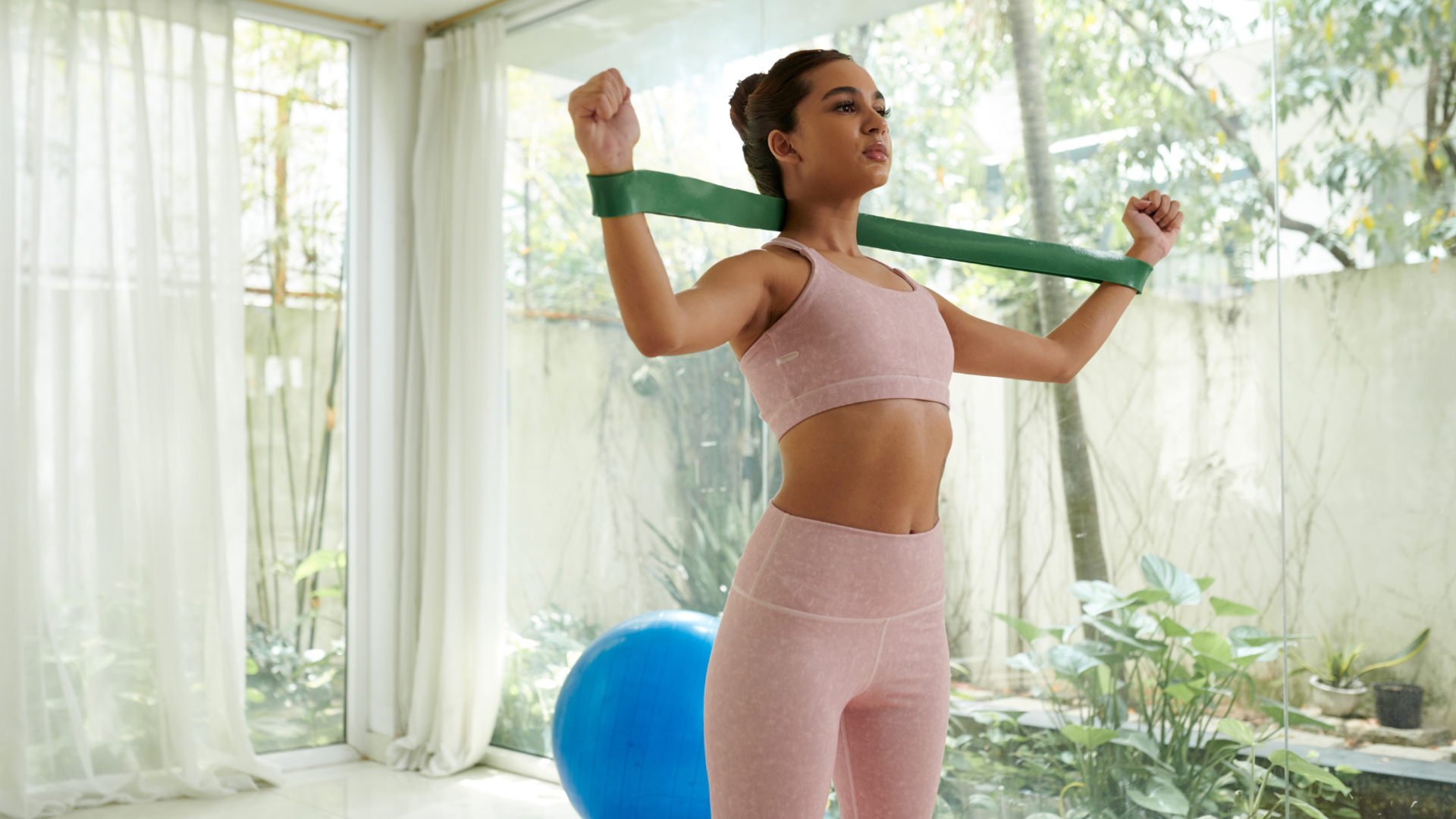
The exercises below can help strengthen the upper back and improve shoulder blade control. This is the one list in the blog, so use it as a simple reference. Choose exercises that fit your equipment, ability, and comfort level.
- Band pull-aparts: Hold a resistance band in front of your chest and pull it apart with control, focusing on the shoulder blades moving together.
- Face pulls: Use a resistance band or cable and pull toward the upper chest or face area, keeping the shoulders relaxed and the elbows lifted.
- Bent-over rows: Hinge at the hips and row the weight toward your torso, thinking about drawing the shoulder blades back.
- Inverted rows: Use a stable bar or safe setup and pull your chest upward while keeping your body aligned.
- Prone Y raises: Lie face down and lift your arms in a Y shape with light resistance or bodyweight.
- Prone T raises: Lie face down and lift your arms out to the sides, squeezing the upper back gently.
- Chest-supported rows: Use an incline bench if available to reduce momentum and focus on the upper back.
- Seated cable rows: Pull the handle toward your torso while keeping your chest lifted and shoulder blades controlled.
- Reverse flys: Use light dumbbells or bands to move the arms out to the sides with slow control.
- Scapular squeezes: Sit or stand tall, gently pull your shoulder blades together, pause, then release.
These exercises work best when performed with patience. Heavy weight is not always needed. In fact, going too heavy often makes people shrug, swing, or lose the feeling in the target muscles.
Start your Svetness journey today
Get a free consultation and see how our trainers can transform your wellness journey.
How to Train This Area With Better Form
Form matters more than load when training the upper back. The goal is to feel the movement between the shoulder blades without turning every rep into a neck or arm exercise.
Start by setting your posture. Keep your chest open, ribs controlled, and shoulders away from your ears. During rows or band exercises, think about moving the shoulder blades first, then letting the arms follow.
Avoid yanking or rushing. A slower tempo helps you feel the target area. Pull with control, pause briefly, then return to the starting position. The return phase matters too. Letting the band or weight snap back removes tension and can make the movement less useful.
Your neck should stay relaxed. If you feel tension building near your ears, lower the resistance or slow down. The upper traps may try to take over, especially if the weight is too heavy.
Breathing can help as well. Exhale gently as you pull and keep your jaw relaxed. This can make the movement feel less strained.
A good trainer can watch for small form issues that are hard to spot alone. Slight changes in elbow path, shoulder position, or tempo can make the exercise feel completely different.
How Often to Train Middle Traps

Most people can train this area two or three times per week. Since the muscle group is smaller and often undertrained, moderate volume works well.
A simple starting point is two exercises per session, with two or three sets each. Reps often work well in the 10 to 20 range because lighter, controlled reps help build awareness and endurance.
For example, you might add band pull-aparts and face pulls after an upper-body workout. Another day, you might use rows and prone T raises. The exact plan should depend on your goals and current routine.
Recovery still matters. More is not always better. If your upper back feels sore, tight, or fatigued for several days, reduce the volume or give yourself more rest.
Progress can come from better control, more reps, a stronger pause, or slightly more resistance. You do not need to chase heavy weight right away.
Building a More Balanced Upper Body
Upper-body strength is not only about pressing more weight or doing more push-ups. Pulling strength, shoulder blade control, and posture all affect how your body performs.
A balanced plan should include pushing exercises, pulling exercises, core work, and mobility. If your routine includes many chest and shoulder exercises but very little back work, your shoulders may start to feel less stable.
Rows are a strong foundation. They train the back, arms, and shoulder blade muscles. Face pulls and band pull-aparts can add focused upper-back work. Mobility drills can help you move through a better range.
For beginners, this may mean adding one or two upper-back exercises a few times per week. For experienced exercisers, it may mean improving exercise selection, adjusting volume, or correcting form during rows and pull movements.
Middle traps do not need to dominate your program, but they should have a place in it. Small changes in training can make a noticeable difference in how your upper body feels.
How Svetness Helps With Upper-Back Strength
Svetness trainers look at how your body moves, not only which exercises you complete. This matters because upper-back weakness, posture habits, shoulder discomfort, and pulling strength are often connected.
Your trainer can assess your form during rows, push-ups, planks, and shoulder movements. They can choose exercises that match your current ability and adjust the plan as you get stronger.
This support is helpful if you are new to strength training, returning after discomfort, or unsure why certain exercises do not feel right. A trainer can help you train the back without overloading the neck or shoulders.
In-home personal training can make this work easier to maintain. You do not need a full gym to train your upper back. Resistance bands, dumbbells, bodyweight exercises, and smart coaching can create a strong plan in your own space.
If the middle traps are weak or underused, Svetness trainers can build them into your program in a way that supports your larger goals.
Give Your Upper Back the Support It Has Been Missing
A stronger upper body needs more than chest, arms, and shoulders. The muscles between your shoulder blades help support posture, pulling strength, and shoulder control. When they are ignored, other areas often have to work harder.
Training the middle traps can help your upper body feel more balanced and stable. Start with controlled exercises, focus on form, and build gradually. Small improvements in this area can change how rows, push-ups, daily posture, and shoulder movement feel.
If you want help building a stronger, more balanced upper body, contact Svetness today to get matched with a personal trainer.
> Book Your Free Svetness Consultation
FAQs
What are the middle traps?
The middle traps are the middle section of the trapezius muscle. They sit across the upper back between the shoulder blades and help pull the shoulder blades together.
How do I know if my middle traps are weak?
Signs may include rounded shoulders, weak rows, difficulty squeezing the shoulder blades together, upper-back fatigue, or shoulder discomfort during workouts. A trainer can help assess your movement more clearly.
Can weak middle traps cause shoulder pain?
They may contribute to shoulder discomfort by affecting shoulder blade position and control. Shoulder pain can have many causes, so persistent pain should be assessed by a qualified healthcare professional.
How often should I train middle traps?
Two to three times per week works well for many people. Use controlled reps, moderate resistance, and enough recovery between sessions.
Do I need heavy weights to train this area?
No. Light to moderate resistance often works well. The goal is control, shoulder blade movement, and good form rather than lifting as much weight as possible.
What exercises are best for this muscle group?
Band pull-aparts, face pulls, rows, prone T raises, reverse flys, and scapular squeezes are all useful options. The best choice depends on your equipment, comfort, and current strength.
Start your Svetness journey today
Get a free consultation and see how our trainers can transform your wellness journey.