
20-Minute Tabata Workouts at Home: Beginner and Intermediate Options

Tabata workouts at home can feel intense in only 20 minutes. The real surprise is how simple the setup can be.
Finding time for fitness can feel difficult when your day is already full. Work, family, errands, meals, and sleep all compete for attention. A full gym session may sound good in theory, but it feels impossible once the day gets moving.
That is where Tabata training can be useful. It is short, structured, and easy to do in a small space. You do not need a gym. You do not need complicated equipment. You need a timer, a little room to move, and exercises that match your current fitness level.
Tabata workouts at home can be especially helpful for people who want a focused session without spending an hour training. The format uses short bursts of effort followed by brief rest, so the workout feels fast but purposeful.
At Svetness, we often work with clients who feel stuck because they believe fitness needs more time than they have. One client, Sarah, was a busy parent who kept postponing workouts because she could not find a long open window. Her trainer started with beginner-friendly Tabata sessions in her living room. Within weeks, she felt stronger, had more stamina, and felt more confident fitting movement into her schedule.
Start your Svetness journey today
Get a free consultation and see how our trainers can transform your wellness journey.
How Tabata Workouts at Home Fit Busy Schedules
Tabata training follows a simple timing pattern: 20 seconds of work, then 10 seconds of rest, repeated for 8 rounds. One full Tabata block takes 4 minutes. A 20-minute workout usually includes several exercise blocks with short recovery periods between them.
The short format is part of the appeal. Many people can fit 20 minutes into a morning, lunch break, or evening routine more easily than a longer gym session. The structure also removes guesswork. You know when to move, when to rest, and when the block ends.
Tabata is often associated with high-intensity training, but that does not mean every person should sprint through every round. A beginner can use low-impact exercises and steady pacing. Someone with more experience can increase speed, difficulty, or range of motion.
The goal is to work hard for your level. That may mean controlled squats, incline push-ups, marching high knees, or slow mountain climbers. Intensity should feel challenging, but your form should stay steady. If your movement becomes sloppy, slow down or choose an easier version.
Tabata workouts at home work best when they are scaled properly. The same timing format can support different goals, including improved endurance, stronger muscles, better consistency, and more confidence with movement.
What Makes Tabata Training Different
Many workouts are built around sets and reps. Tabata is built around time. You work for 20 seconds, rest for 10 seconds, then repeat until the 4-minute block is complete.
This changes how the workout feels. The work periods are short enough to stay focused, but the rest periods are brief enough to keep your heart rate elevated. That creates a workout that feels efficient and demanding.
A Tabata session can include strength exercises, cardio movements, core work, or a mix of all three. Bodyweight squats can train your legs. Push-ups can train your chest, shoulders, arms, and core. Mountain climbers can challenge both cardio and trunk control. Glute bridges can support hip strength and lower-body activation.
Plain language matters here. The workout is not effective because it feels frantic. It is effective when the exercises are chosen well and performed with control. Moving fast with poor form can reduce the value of the session and increase discomfort.
For clients training at home, a well-built Tabata plan can create a clear rhythm. You warm up, move through the timed blocks, cool down, and finish. That structure can help people who struggle to decide what to do once they start exercising.
What to Know Before You Start

A Tabata workout can be intense, so preparation matters. Start with a warm-up that raises your heart rate gradually. March in place, roll your shoulders, circle your hips, perform slow squats, and take a few controlled breaths. Three to five minutes can help your body feel more ready.
Choose a safe space. You need enough room to step, squat, lie down, and move your arms freely. Clear away rugs, cords, shoes, and anything that could cause a trip. Wear shoes if your floor is hard or slippery.
Use a timer so you do not have to count in your head. Many free timer apps can be set for 20 seconds of work and 10 seconds of rest. This lets you focus on movement.
Match the exercises to your current ability. A beginner may start with bodyweight squats instead of jump squats, incline push-ups instead of floor push-ups, and marching high knees instead of fast high knees. A good workout should challenge you without making you feel unsafe.
Pay attention to warning signs. Muscle effort and breathlessness can be normal during hard intervals. Sharp pain, joint pain, dizziness, chest pain, or numbness are signals to stop.
Beginner 20-Minute Tabata Workout
This beginner workout is built for people who are new to fitness, returning after time away, or getting used to interval training. The goal is steady effort, safe movement, and confidence.
The workout uses five 4-minute blocks. Each block follows the same format: 20 seconds of work, 10 seconds of rest, repeated 8 times. Rest for 60 to 90 seconds between blocks if needed.
Here is the full beginner session:
- Bodyweight squats: Keep your chest lifted, sit your hips back, and stand with control.
- Incline push-ups: Place your hands on a couch, bench, or sturdy surface to reduce difficulty.
- Marching high knees: Drive one knee up at a time and keep your posture tall.
- Glute bridges: Lie on your back, press through your heels, lift your hips, and lower slowly.
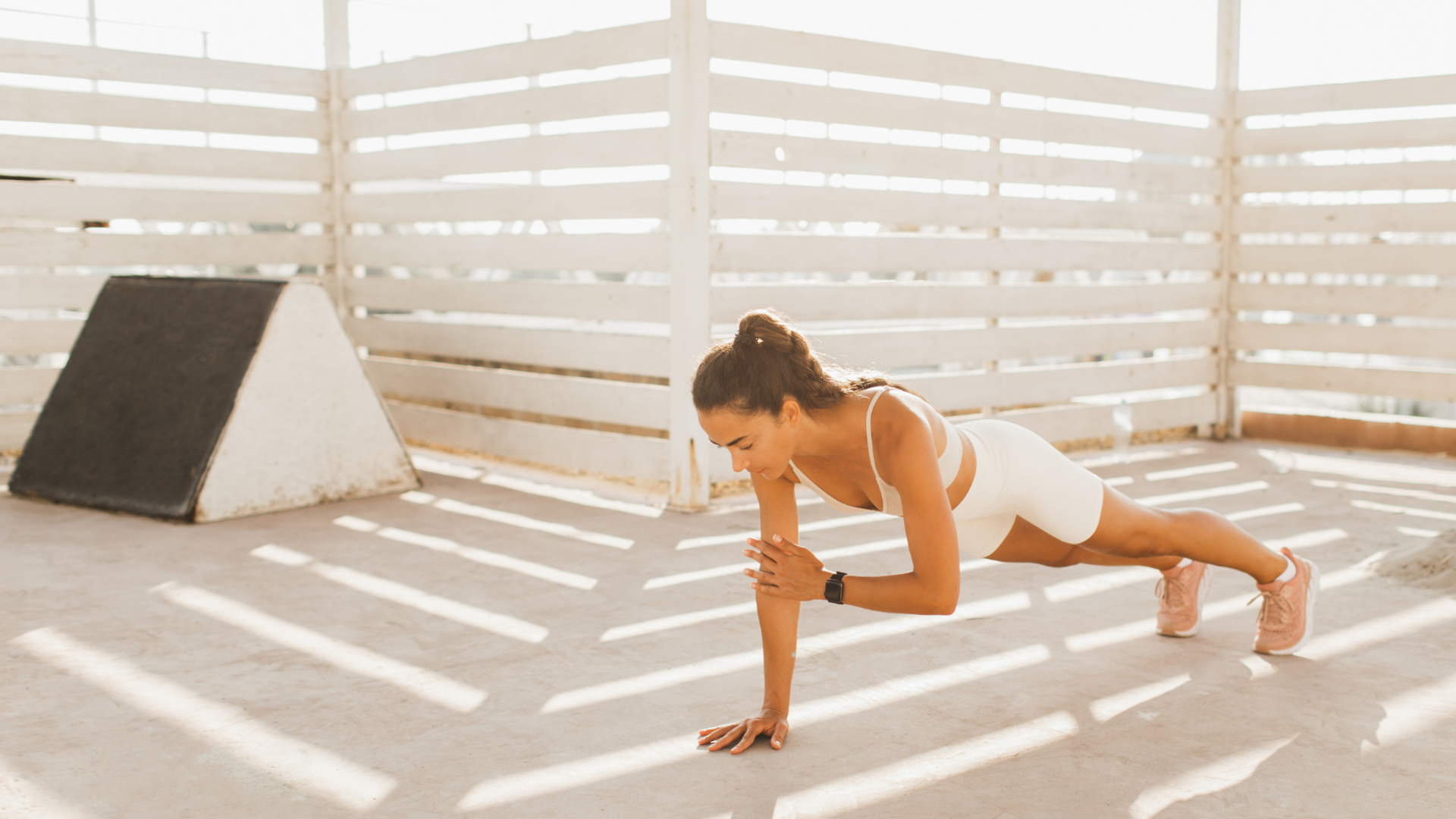
- Slow mountain climbers: Start in a plank and bring one knee forward at a controlled pace.
This workout should feel challenging by the final rounds, but not chaotic. If you need extra rest between blocks, take it. If incline push-ups feel too hard, use wall push-ups. If mountain climbers bother your wrists, switch to standing knee drives.
Beginner Tabata workouts at home should leave you feeling like you completed real work without feeling defeated. Consistency is more valuable than trying to make the first session overly difficult.
Start your Svetness journey today
Get a free consultation and see how our trainers can transform your wellness journey.
Intermediate 20-Minute Tabata Workout
This intermediate workout is designed for people who already exercise sometimes and feel comfortable with basic bodyweight movements. It adds more intensity, more coordination, and more lower-body demand.
Start with a warm-up that includes arm circles, hip circles, slow squats, gentle lunges, and a light jog in place. Once you feel ready, move into the same Tabata timing: 20 seconds of work, 10 seconds of rest, 8 rounds per exercise block.
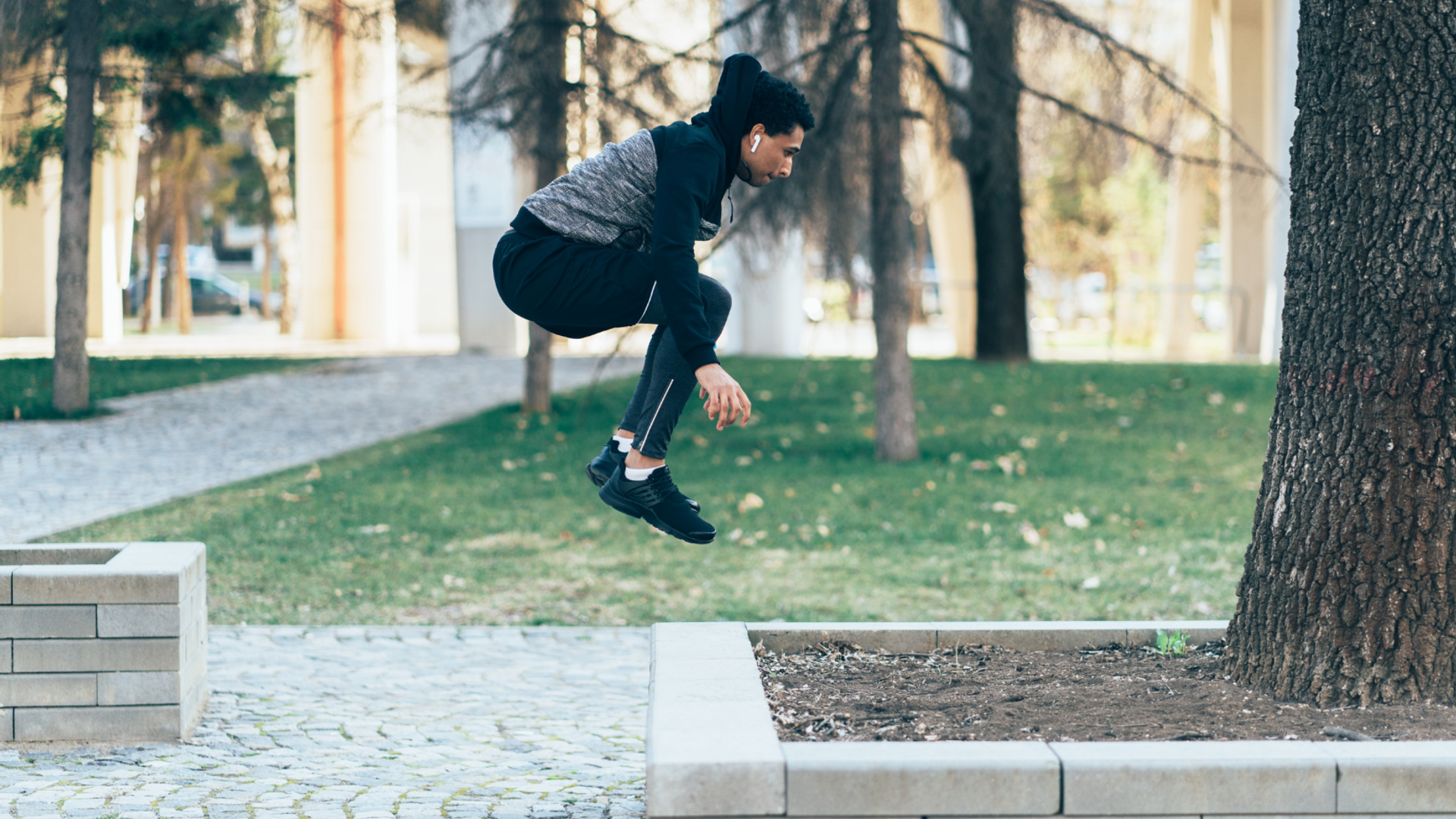
Begin with jump squats if your knees and ankles tolerate impact well. Land softly and reset your position before each rep. If jumping does not feel right, use fast bodyweight squats instead.
Move next to push-ups. Use standard push-ups if your form stays strong. Switch to incline push-ups if your hips sag or your shoulders feel strained.
The third block can be burpees or step-back burpees. Full burpees are demanding, so choose the version that lets you move with control. Step-back burpees reduce impact and still raise your heart rate.
For the fourth block, use alternating reverse lunges. Step backward, lower with control, and return to standing. This builds leg strength and balance without requiring equipment.
Finish with mountain climbers. Keep your core engaged and your shoulders stacked over your hands. Speed is fine only if your position stays stable.
This session should feel more intense than the beginner version, but every exercise can still be modified. Intermediate training is about better control under fatigue, not pushing through poor form.
How Often to Do Tabata Training
Tabata is demanding, even when the workout is short. Most people do well with 2 to 4 sessions per week, depending on fitness level, recovery, and other training.
Beginners may start with 1 or 2 sessions per week. That gives the body time to adapt. Intermediate exercisers may use Tabata 2 or 3 times per week, especially if the sessions are mixed with strength training, walking, mobility, or rest days.
Daily hard Tabata sessions are not the right fit for most people. Your muscles, joints, and nervous system need time to recover. If you feel unusually tired, sore for several days, or less coordinated than normal, take a rest day or choose lighter movement.
A balanced week might include one or two Tabata sessions, two strength sessions, and a few walks. The exact mix should match your goals, schedule, and body.
How to Make Tabata Safer and More Effective
The biggest mistake people make with Tabata is treating every round like a race. Speed can help, but control matters more. A fast squat with poor knee position is less useful than a controlled squat with good alignment.
Form should stay consistent across the rounds. If your reps fall apart by round five, adjust the exercise. You can slow down, reduce the range of motion, or change to a lower-impact version.
Breathing matters too. Try not to hold your breath during the work intervals. Breathe steadily and use the 10-second rest to reset your posture.
Progress gradually. You can increase difficulty by choosing harder exercises, adding more blocks, reducing rest between blocks, or improving the number of clean reps you complete in each round. You do not need to change everything at once.
Track your workouts, so you know how your body responds. Write down the exercises used, how many blocks you completed, and how hard the session felt. This makes it easier to progress without guessing.
Nutrition and Recovery for Tabata Workouts
Short workouts still require recovery. Tabata can raise your heart rate quickly and challenge several muscle groups at once. Your body needs enough fuel, hydration, and sleep to respond well.
A light meal or snack before training can help if you feel low on energy. Some people do well with fruit, yogurt, toast, or another easy option before a session. Others prefer training after a meal has had more time to digest.
Protein supports muscle repair. Carbohydrates help fuel higher-intensity work. Hydration can affect energy, focus, and how you feel during intervals.
Sleep matters more than many people expect. If you are training hard and sleeping poorly, workouts may feel harder, and recovery may slow.
A personal trainer at home can help you understand how your workouts, schedule, and recovery fit together. The goal is not to make fitness complicated. The goal is to help the plan feel realistic and repeatable.
How Svetness Builds Tabata Into Home Training
Svetness trainers can bring Tabata workouts at home into a larger plan that fits your goals, fitness level, and available space. This matters because the timing format is simple, but the right exercise choices make a major difference.
A trainer can watch your form, adjust movements, and control intensity so the session stays productive. If you are new to fitness, your trainer may use low-impact exercises and longer recovery between blocks. If you are more experienced, your trainer may add harder variations or combine Tabata with strength training.
In-home coaching also helps remove common barriers. You do not need to commute to a gym, wait for equipment, or decide what workout to do. Your trainer arrives with a plan and adapts it to how you feel that day.
This kind of support can be especially helpful for people who have limited time. A 20-minute session can still feel organized, focused, and personal when it is coached well.
Make 20 Minutes Feel Like a Real Training Session
A short workout can still be meaningful when it has structure, intention, and the right level of challenge. Tabata gives you a clear format, and home training makes the routine easier to fit into daily life.
Start with exercises that match your current ability. Keep your form steady. Rest when your body needs it. Build slowly as your strength and stamina improve.
If you want a personal trainer to build safe, effective Tabata workouts around your schedule and fitness level, contact Svetness today to get started.
> Book Your Free Svetness Consultation
FAQs
Are Tabata workouts safe for beginners?
Yes, when the exercises are scaled to the person. Beginners should use low-impact movements, focus on form, and take extra rest between blocks if needed.
Can I do Tabata workouts every day?
Most people should not do hard Tabata workouts every day. The format is intense, and your body needs recovery time. Two to four sessions per week is a better fit for many people.
Do I need equipment for Tabata workouts at home?
No. Bodyweight exercises such as squats, incline push-ups, glute bridges, mountain climbers, lunges, and step-back burpees can create a strong session.
How long is a Tabata workout?
One Tabata block lasts 4 minutes. A 20-minute workout often uses five exercise blocks, with short rest periods between them.
What if I cannot keep up with the timer?
Slow down or switch to an easier version. You do not need to match anyone else’s pace. Clean movement is more useful than rushing.
Can Tabata help with weight loss?
Tabata can support weight loss when paired with consistent movement, balanced nutrition, and recovery. The short format can also make consistency easier for busy people.
Start your Svetness journey today
Get a free consultation and see how our trainers can transform your wellness journey.