These Are The Best Leg Workouts, No Equipment Required

Leg workouts no equipment can leave your legs shaking faster than machines when tempo, balance, and single-leg work are used well.
Leg training does not have to depend on a squat rack, leg press, or a full gym setup. Many people think stronger legs require heavy machines, but bodyweight exercises can create a serious challenge when they are performed with control and progressed over time.
This matters for anyone training at home, returning to fitness, managing a busy schedule, or trying to build consistency without extra costs. Your legs support nearly every daily movement. Walking, climbing stairs, standing up, carrying groceries, playing with your kids, and exercising with confidence all rely on lower-body strength.
At Svetness, we often meet clients who think they cannot train their legs properly without equipment. One client, James, was a runner who wanted stronger legs to feel more stable and reduce his risk of setbacks. His trainer built a bodyweight plan using squats, lunges, step-ups, bridges, and single-leg work. After several weeks, James felt stronger during runs and more confident during strength sessions.
Leg workouts with no equipment can help beginners build a foundation and give experienced exercisers a demanding home workout. The key is choosing the best at-home leg workouts for you and progressing with patience.
Start your Svetness journey today
Get a free consultation and see how our trainers can transform your wellness journey.
Leg Workouts No Equipment Can Be More Challenging Than Expected
Bodyweight leg training works because your lower body contains large, powerful muscle groups. Your quads, glutes, hamstrings, calves, hips, and core all work together during squats, lunges, step-ups, bridges, and jumps.
No-equipment training can feel surprisingly intense because many exercises use one leg at a time. A bodyweight squat may feel manageable, but a split squat or single-leg bridge can create a much stronger challenge. Single-leg work also trains balance and control, which are important for daily movement and athletic performance.
Tempo changes can make simple exercises harder. Lowering into a squat for three seconds, pausing at the bottom, then standing with control increases time under tension. That means your muscles work longer during each rep.
Range of motion matters too. A shallow squat may not challenge your legs as much as a controlled squat with good depth. Depth should match your mobility and comfort. Pain is not the goal. Good movement is.
A smart plan for leg workouts, no equipment, should include knee-dominant movements such as squats and lunges, hip-focused movements such as glute bridges, calf work, and some balance or power training when appropriate.
How to Train Legs Safely at Home
Home leg training begins with space and control. You need enough room to stand, step forward or backward, and lie down for floor exercises. A chair, a stair, a couch, or a wall can help with certain movements, but each surface should feel stable before you use it.
Start each session with a warm-up. March in place, perform gentle bodyweight squats, circle your hips, do slow lunges, and roll through your ankles. A few minutes of movement can make your legs feel more prepared.
Form should come before speed. During squats and lunges, your knees should track in a comfortable direction. Your feet should stay planted. Your torso should feel controlled. During glute bridges, press through your heels and squeeze your glutes at the top without arching your lower back.
Jumping exercises can be useful, but they are not required. Beginners may get plenty of benefits without jumps. If your knees, ankles, or hips feel uncomfortable during impact, choose slower strength movements instead.
Leg training can create soreness, especially if you are new to it. Mild muscle soreness is common. Sharp pain, joint pain, dizziness, or numbness is a signal to stop and change the plan.
The Best Bodyweight Leg Exercises to Use
The exercises below give you practical options for leg workouts with no equipment. Choose movements that match your current ability and space. You do not need to use every exercise in one session. A strong lower-body workout can be built with four to six movements.
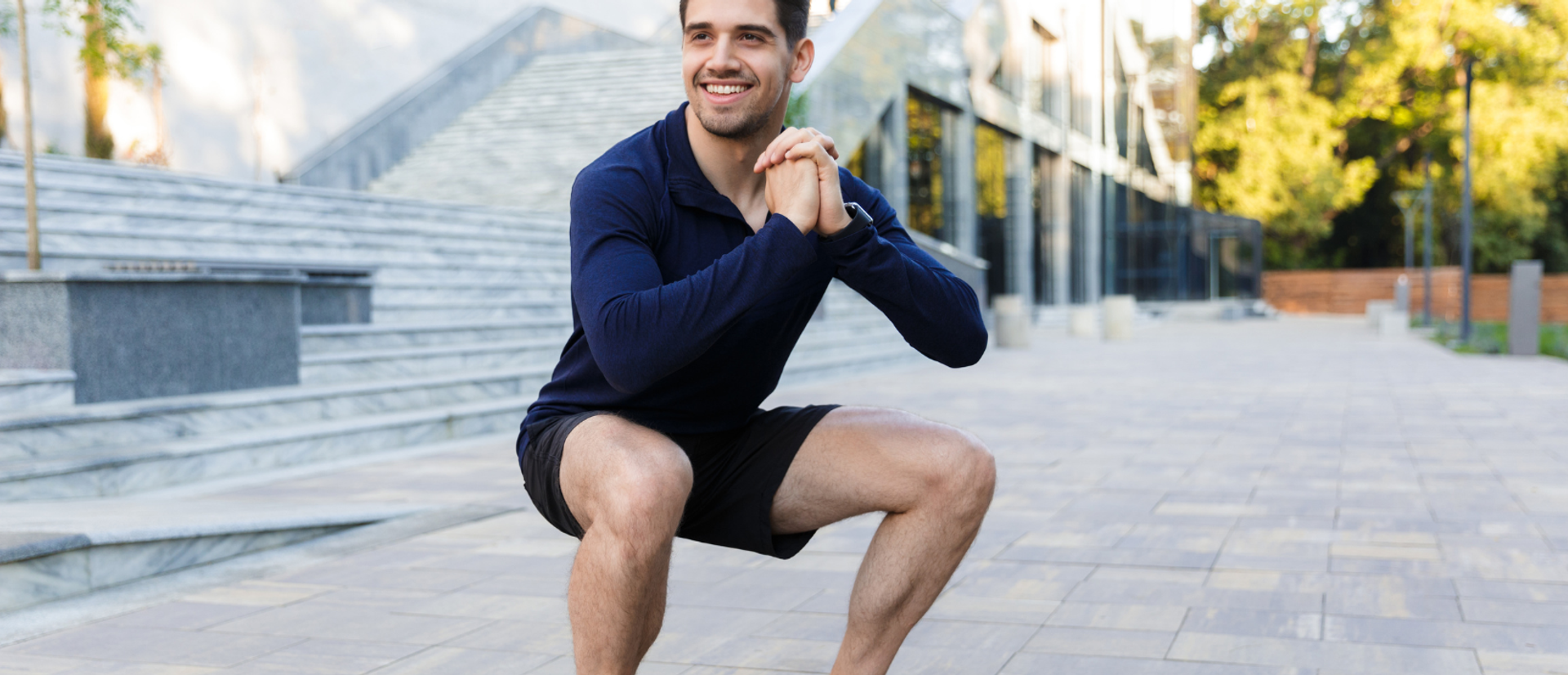
- Bodyweight squats: Train the quads, glutes, and hamstrings by sitting your hips back and standing with control.
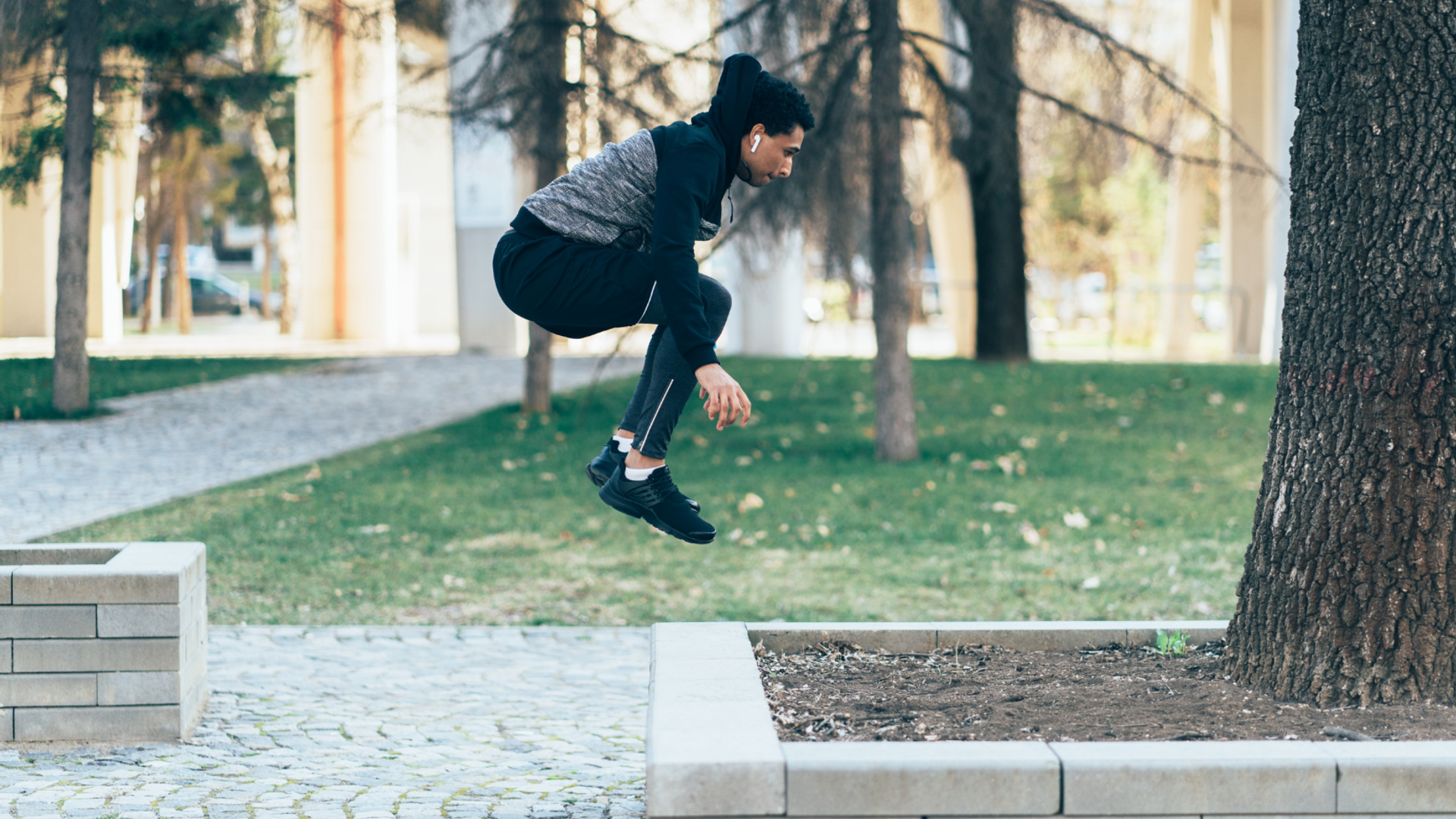
- Jump squats: Add power and cardio by jumping out of a squat and landing softly.
- Forward lunges: Step forward, lower both knees, and press back to standing.
- Reverse lunges: Step backward for a lunge variation that often feels gentler on the knees.
- Walking lunges: Move forward with alternating lunges to challenge strength and coordination.
- Bulgarian split squats: Place one foot behind you on a stable surface and lower through the front leg.
- Glute bridges: Lie on your back, bend your knees, and lift your hips by pressing through your heels.
- Single-leg glute bridges: Perform the bridge with one leg extended for a stronger glute challenge.
- Step-ups: Use a sturdy stair or step to train leg strength and balance.
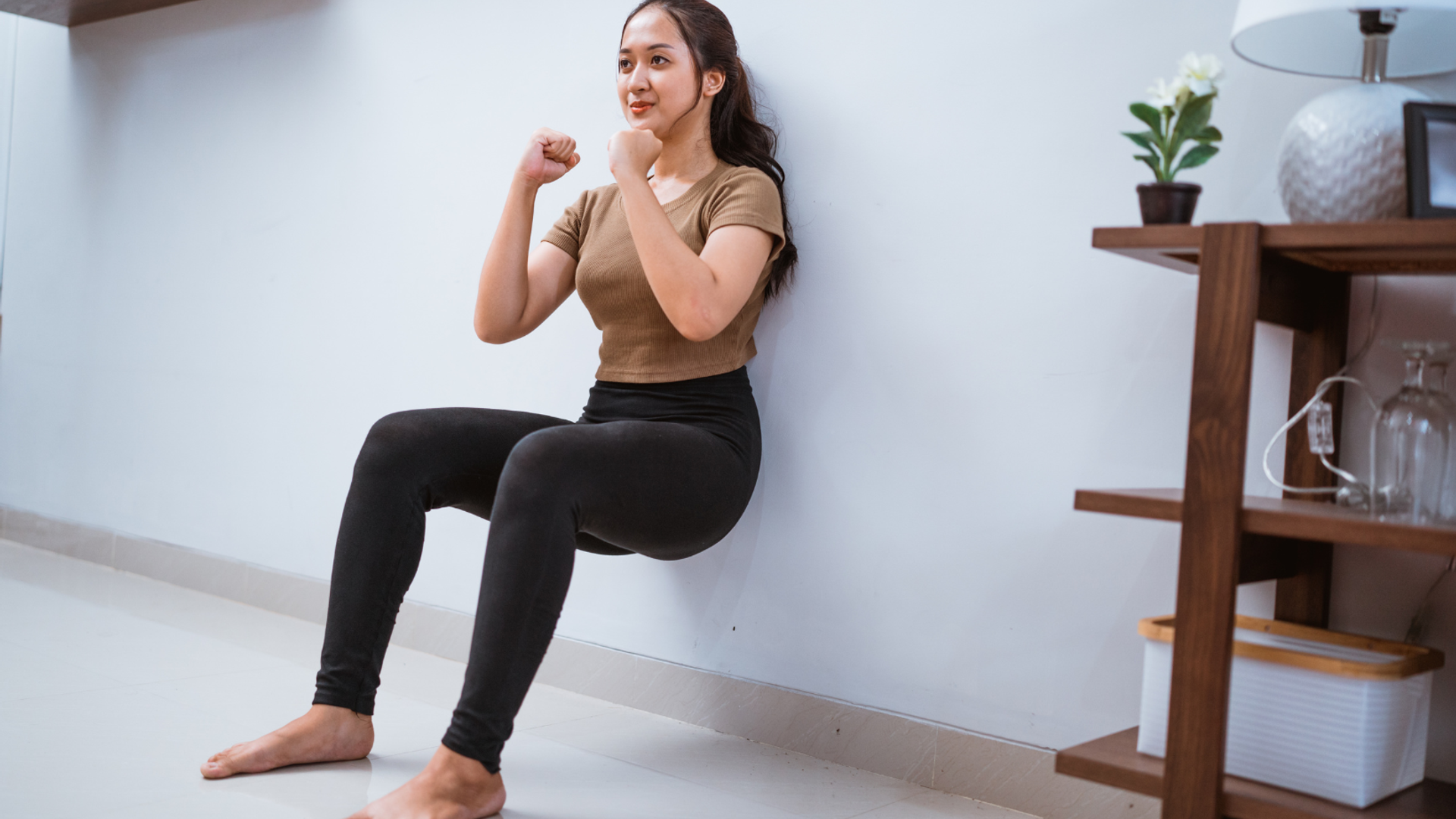
- Wall sits: Hold a seated position against a wall to build leg endurance.
- Calf raises: Rise onto the balls of your feet, pause, and lower slowly.
- Pistol squat progressions: Use a chair, wall, or partial range before attempting a full single-leg squat.
- Lateral lunges: Step to the side and bend one knee while keeping the other leg straighter.
- Split squats: Hold a staggered stance and lower straight down without stepping between reps.
- Hamstring walkouts: Start in a bridge position and walk your feet forward slowly, then back in.
This exercise library gives you enough variety to train strength, balance, endurance, and power. The right selection depends on your level. A beginner may start with squats, bridges, wall sits, and calf raises. A more advanced exerciser may use Bulgarian split squats, single-leg bridges, jump squats, and pistol squat progressions.
Beginner Leg Workout at Home
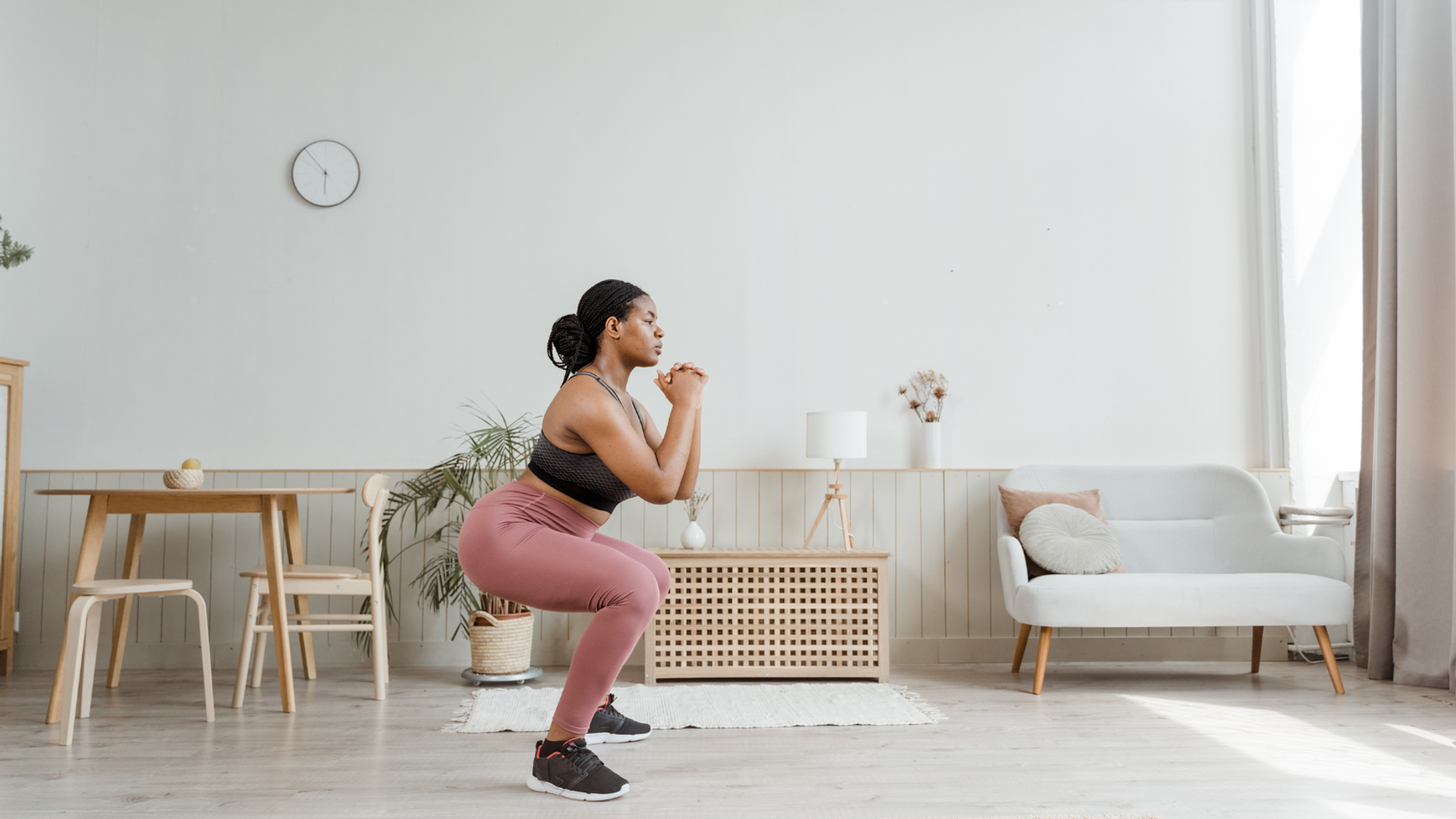
Beginner leg day workouts should feel challenging but manageable. The goal is to build control, confidence, and consistency before adding harder variations.
Start with a short warm-up. March in place, do 10 slow squats, circle your hips, and perform a few gentle calf raises. Then begin with bodyweight squats for two sets of 10 to 12 reps. Rest for 45 to 60 seconds between sets.
Move into reverse lunges for two sets of 6 to 8 reps per leg. If balance feels difficult, hold a wall or chair lightly for support. Next, perform glute bridges for two sets of 12 to 15 reps. Finish with calf raises for two sets of 15 to 20 reps and a wall sit for 20 to 30 seconds.
This routine can be performed two or three times per week. Give yourself at least one rest day between sessions. Your legs may feel tired at first, but your body should adapt as the movements become more familiar.
Start your Svetness journey today
Get a free consultation and see how our trainers can transform your wellness journey.
Intermediate Leg Workout at Home
An intermediate routine can include more single-leg work and higher intensity. It should still feel controlled. Rushing through reps often makes leg exercises less effective and harder on the joints.
Start with a warm-up that includes slow squats, reverse lunges, hip circles, and ankle rolls. Begin the workout with split squats for three sets of 8 to 10 reps per leg. Rest for 60 seconds between sets.
Next, perform bodyweight squats with a slow tempo. Lower for three seconds, pause briefly, then stand. Complete three sets of 10 to 12 reps. Move into step-ups for three sets of 8 to 10 reps per leg using a stable stair or step.
Single-leg glute bridges can come next for two or three sets of 8 to 12 reps per leg. Finish with a wall sit for 30 to 45 seconds, and calf raises for two sets of 20 reps.
This workout can be done two or three times per week. If your legs stay sore for several days, reduce one set per exercise or add more recovery time.
Advanced Leg Workout at Home
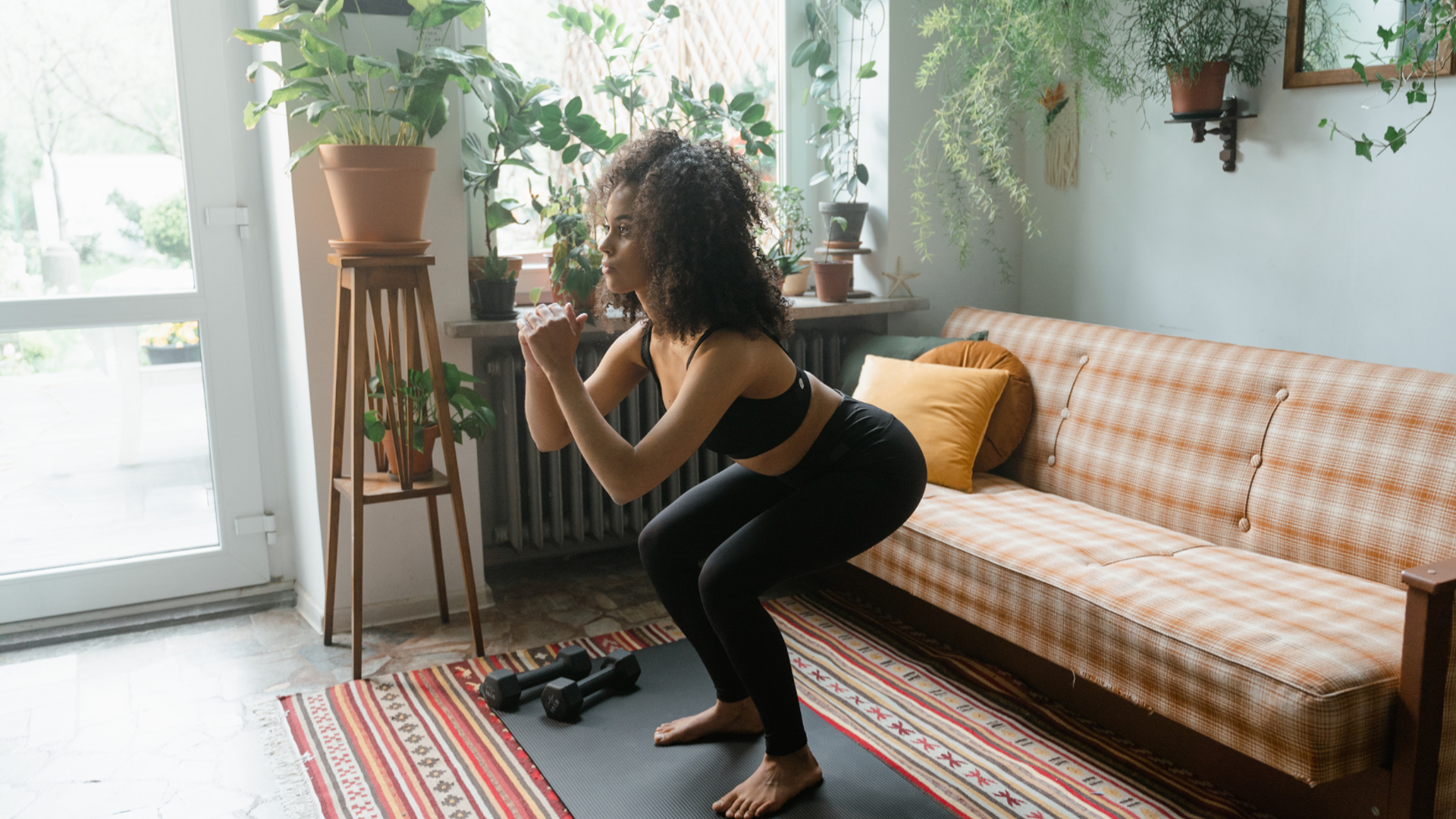
Advanced bodyweight leg training should be demanding, but it should not sacrifice alignment or control. Warm up with squats, lunges, glute bridges, and light hops if impact feels good.
Start with Bulgarian split squats for four sets of 8 to 12 reps per leg. These are challenging even without weight because one leg does most of the work. Rest for 60 to 90 seconds between sets.
Move into jump squats for three sets of 8 to 12 reps. Land softly and reset your position before the next rep. Next, perform lateral lunges for three sets of 8 to 10 reps per side. This adds side-to-side strength that many routines miss.
Single-leg glute bridges can be performed for three sets of 10 to 12 reps per leg. Then use pistol squat progressions for two or three sets of 3 to 6 controlled reps per side. Finish with calf raises and a wall sit.
This level of training can be intense. Two lower-body sessions per week may be enough if you are also doing upper-body workouts, running, cycling, or other activities.
How to Progress Without Weights
Progress is the part that turns basic movement into training. If your leg workout never changes, your body may stop responding.
You can progress by adding reps, adding sets, slowing the tempo, increasing the range of motion, shortening rest periods, or choosing a harder variation. A squat can become a slow squat. A slow squat can become a split squat. A split squat can become a Bulgarian split squat. A glute bridge can become a single-leg glute bridge.
Tempo is one of the most useful tools for leg workouts with no equipment. A slow three-second lowering phase increases the challenge without adding weight. Pauses can help too. Holding the bottom of a squat or lunge for one or two seconds builds control.
Rest periods can be adjusted as well. Longer rest helps strengthen. Shorter rest increases the conditioning challenge. Both can be useful, but the choice should match your goal.
Track your sessions. Write down your exercises, reps, sets, and how each workout felt. Progress becomes easier when you can see what you did last time.
Mistakes That Can Limit Leg Training Results
Many people make bodyweight leg workouts too easy by moving too quickly. Fast reps can reduce control and make it harder to feel the target muscles. Slower reps often create better tension.
Another mistake is skipping single-leg exercises. Squats are useful, but lunges, split squats, and step-ups can reveal strength differences between sides and help improve balance.
Some people add jumping too soon. Power exercises can be helpful, but they require good landing mechanics. If you cannot squat with control, build that skill before adding jump squats.
Recovery is another common issue. Your legs are large muscle groups, and hard lower-body sessions can be demanding. Training legs every day may slow progress if soreness and fatigue build up.
Nutrition matters too. Protein, hydration, sleep, and enough overall food can affect how your body responds. A strong workout is only part of the process.
How Svetness Helps With Leg Training
A personal trainer can make leg workouts safer, more structured, and easier to follow. Svetness trainers can assess your movement, choose the right exercises, and adjust your plan based on your goals and current fitness level.
This is valuable for beginners who are unsure where to start. It is also useful for active clients who feel stuck or want better performance. A trainer can help with squat form, lunge depth, balance, pacing, and progression.
In-home personal training also removes common barriers. You do not need to commute, wait for equipment, or wonder which workout to do. Your trainer brings structure and guidance into your space.
Leg workouts no equipment can be a strong way to build strength at home, and coaching can help turn those workouts into a consistent plan.
Build Lower-Body Strength Without Waiting for a Gym
Strong legs support daily movement, athletic performance, posture, balance, and confidence. You do not need machines to begin. You need exercises that fit your level, a plan that progresses over time, and enough recovery for your body to respond.
Start with the basics. Move with control. Add challenge gradually. Give your legs time to recover between harder sessions. Over time, bodyweight lower-body training can become much more powerful than many people expect.
If you want a personalized leg training plan you can do at home, contact Svetness today to get matched with a personal trainer.
> Book Your Free Svetness Consultation
FAQs
Can I build strong legs without equipment?
Yes. Bodyweight exercises can build leg strength when they are challenging enough and progress over time. Squats, lunges, step-ups, bridges, wall sits, and single-leg movements can all support lower-body strength.
How often should I do leg workouts without equipment?
Most people do well with two to four leg sessions per week. Beginners may start with two sessions. More experienced exercisers may train their legs more often if recovery is strong.
Are squats enough for leg training?
Squats are useful, but they should not be the only movement. A balanced leg routine should include lunge patterns, glute-focused work, calf training, and single-leg exercises when appropriate.
Why are my legs so sore after bodyweight workouts?
Soreness can happen when your body is exposed to new movements or more volume than usual. Mild soreness is normal. Sharp pain or joint pain is different and should be taken seriously.
Should I do cardio on leg days?
Light cardio can be fine. Intense cardio may feel harder after a demanding leg session. Your schedule should leave enough recovery so your legs can adapt.
Can beginners do leg workouts at home?
Yes. Beginners can start with squats, glute bridges, calf raises, and supported reverse lunges. The routine should match your current ability and progress gradually.
Start your Svetness journey today
Get a free consultation and see how our trainers can transform your wellness journey.