What Are the Best Ab Workouts To Do at Home?
Did you know that you can build a strong core without setting foot in a gym? If that sounds too good to be true, our comprehensive list of at-home ab exercises will certainly change your mind.
Building a strong core is one of the most important steps toward improving your health, posture, and functional strength. The benefits of a strong core extend far beyond aesthetics, helping with balance, stability, and daily movement.
The good news is that you do not need a gym membership or expensive machines to get results. You can strengthen your abs in your living room, bedroom, or even your backyard. The key is to know which exercises effectively target your core and how to perform them with purpose and control.
This blog will break down the best ab workouts at home, explain what makes them so powerful, and provide guidance on how to build a routine that supports long-term results, even if you are just getting started.
Why Training Your Abs Matters Beyond Aesthetics

When most people think of ab training, they picture six-pack abs and lean midsections.
While that visual result may be part of your goal, there is so much more to core training than looks. Your abdominal muscles act as the center of your body’s strength and stability. They impact everything from your balance and posture to how you move, lift, and recover.
Before diving into the best ab workouts, let’s explore the benefits of a strong core in more detail:
Core Strength Improves Posture and Alignment
When your core is strong, your entire body stands taller and moves with better control.
Core muscles, especially the transverse abdominis and obliques, help support the natural curvature of your spine. Better alignment prevents excess strain on the lower back and allows your body to distribute weight evenly when standing, sitting, or walking.
Poor posture often results from weak core muscles. If your abs are not working properly, other muscles overcompensate, leading to discomfort in the shoulders, hips, and neck.
Strengthening your core reduces that burden and helps you feel more upright and supported throughout the day.
Ab Training Supports Functional Movement
Your abs do not work in isolation. They are engaged whenever you bend, twist, reach, lift, or balance. A strong core improves performance in everyday activities and makes workouts like squats, deadlifts, and overhead presses safer and more effective.
Beyond fitness, your abs help stabilize your body when climbing stairs, carrying groceries, or picking up your kids. Without core strength, these basic movements can become inefficient or even painful. Training your abs consistently enhances your ability to move well and stay injury-free.
A Strong Core Helps Prevent Injury
When your core is weak, your body relies on other areas, like your lower back or hip flexors, to carry the load. Over time, this compensation can lead to imbalances and chronic pain. Core training helps correct these imbalances and reinforces healthy movement patterns.
A balanced core also improves coordination and balance, leading to stronger muscles and fewer injuries. By strengthening the muscles around your spine and pelvis, you create a foundation that supports every other part of your body. That makes ab training essential for long-term joint health and physical resilience.
What To Look For in an Effective Home Ab Routine

Not all core routines are created equal. Some focus only on crunches or fast-paced circuits that feel intense but skip key areas of the core. To get lasting results, your ab workouts at home need to be intentional, well-rounded, and built to match your current fitness level.
Use Exercises That Target Multiple Muscle Groups
The core is a complex group of muscles, not just the front-facing abdominals.
A complete routine should activate the rectus abdominis (the “six-pack” muscle), the obliques (along the sides), and the deep transverse abdominis, which wraps around the spine like a corset. Movements that engage the lower back, glutes, and hip stabilizers also contribute to core health.
Incorporating different angles and movement patterns helps target these muscles evenly. That means combining planks with leg lifts, and rotational movements with static holds. This diversity builds a stronger, more balanced core that is both functional and aesthetic.
Train With Intention and Good Form
It is easy to rush through ab exercises and rely on momentum rather than muscle activation. But speed does not build strength; control does. Slowing down your movements and focusing on proper breathing, alignment, and activation makes each repetition more effective.
Good form prevents workout injuries and ensures that your abs do the work, not your neck or lower back. Before increasing your reps or trying advanced variations, make sure your technique is solid. It is better to do fewer high-quality reps than a large number of sloppy ones.
Keep the Routine Short, but Consistent
One of the benefits of core training is that it does not take much time. You can build a strong foundation in just 10 to 15 minutes, a few times per week. What matters more than duration is consistency. Showing up regularly, even for short sessions, will lead to better workout results than occasional long workouts.
If you are building a home routine, start by choosing five to six core exercises. Perform two to three sets of each, focusing on control and range of motion. As you build strength, you can increase difficulty by adding more reps, slowing down your tempo, or trying more advanced variations.
The Best Ab Workouts To Do at Home
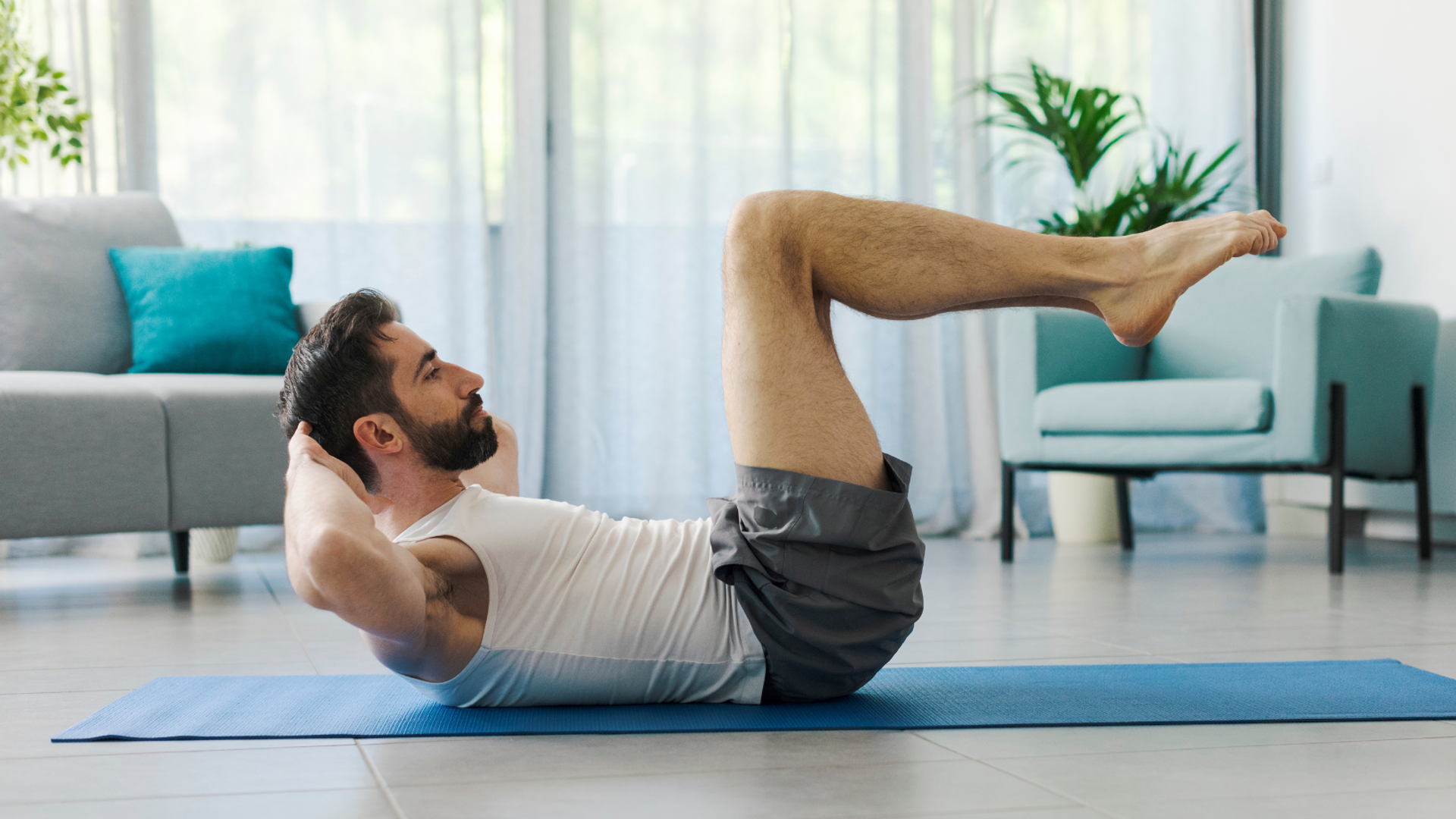
You do not need any equipment to train your core effectively. These bodyweight exercises can be done anywhere and adapted to any level of experience. You can perform them individually or combine them into a well-rounded routine.
Here are some beginner-friendly workouts to try out:
Planks and Variations
Planks are a foundational core exercise that engages the entire abdominal wall. A standard forearm plank builds endurance in your deep core and improves shoulder and hip stability. To keep your form strong, press through your forearms, keep your shoulders stacked above your elbows, and engage your glutes and thighs.
Once you have mastered the basic plank, try variations like side planks (to target the obliques), shoulder taps (to improve anti-rotation control), or plank reaches (to challenge stability). These options keep your core working hard without the need for crunching or bending.
Leg Raises and Reverse Crunches
These exercises focus on the lower part of the rectus abdominis and help build strength through the hips and pelvis. Start with bent-knee reverse crunches to master the movement and avoid straining your lower back. As you get stronger, progress to straight-leg raises while keeping your lower back pressed firmly into the floor.
For added control, place your hands underneath your hips for support. Keep the motion slow and focus on lifting with your abs, not swinging with your legs. Lower your legs with control to maximize engagement and avoid using momentum.
Bicycle Crunches and Russian Twists
Rotational movements train your obliques and improve your ability to stabilize while twisting. Bicycle crunches are great for engaging both the upper and lower abs while targeting the sides. Make sure your elbow moves toward the opposite knee, not just across your body, while keeping your back flat on the ground.
Russian twists add another layer of challenge by forcing your body to resist rotation. Sit upright with your knees bent and feet elevated or resting on the floor. Twist slowly from side to side, keeping your spine long and your core engaged. If needed, hold a light object for added resistance.
Dead Bug and Bird Dog
Despite their funny names, these are two of the best exercises for building core stability and coordination.
The dead bug is performed lying on your back, extending the opposite arm and leg while keeping your lower back connected to the floor. It teaches you how to move your limbs while keeping your torso stable, which is essential for protecting your spine.
Bird dog is a similar movement performed on hands and knees. Extend one leg and the opposite arm while keeping your hips level.
These exercises strengthen the deep core muscles that support your spine and improve balance and posture.
How To Support Your Ab Training With Recovery and Nutrition

Even the best ab workouts at home will fall short if your recovery and nutrition are not aligned with your goals. Supporting your body outside of training helps you get more out of every workout and avoid setbacks.
Get Enough Sleep for Muscle Recovery
The importance of recovery in your fitness routine should not be underestimated.
Like any form of strength work, core training creates microscopic muscle damage that your body needs to repair. Sleep is where most of that recovery happens. Aim for seven to nine hours of quality sleep each night to support muscle growth, reduce soreness, and keep your energy levels high.
When sleep is disrupted, your recovery slows down. You may notice reduced performance, increased fatigue, or lingering soreness. Making rest a priority ensures your hard work translates into real progress.
Stay Hydrated and Fuel Your Body
Hydration plays a major role in muscle function, circulation, and energy levels. If you are dehydrated, your muscles may cramp more easily and your endurance may suffer. Make sure you are drinking enough water throughout the day, especially around your workouts.
Nutrition also supports core development. Focus on fitness nutrition essentials like whole foods that contain protein, healthy fats, complex carbohydrates, and a variety of vitamins and minerals. Protein is particularly important for muscle repair, so make sure you are getting enough through meals or snacks after your workouts.
Give Your Muscles Time To Recover
It may be tempting to train your abs every day, but like any muscle group, your core needs time to rest. Overtraining can lead to fatigue, tightness, and poor form.
Give your abs at least one full rest day between training sessions. If you still want to move, choose mobility work, walking, or light stretching to stay active without overloading your muscles.
Tips for Building a Sustainable Core Routine
Sticking with ab training is about finding a system that works with your life and not against it. These tips can help make core workouts a lasting part of your routine instead of something you abandon after a few weeks.
Start Small and Build Consistency
It is better to do two short workouts per week consistently than try to commit to five and burn out. Start with achievable workout goals and build from there. Once your routine becomes part of your weekly rhythm, you can gradually add more volume or intensity.
Track Your Progress and Adjust as Needed
Pay attention to how your body feels during and after your workouts. Keep a journal, film your form, or check in with a trainer if needed. If something feels too easy or too hard, make minor adjustments. Progress comes from listening to your body and refining your approach rather than pushing harder every time.
Make It Enjoyable and Rewarding
The best workout is the one you will actually stick with. Choose exercises you enjoy, create a playlist you love, or set a timer so you know when you are done. Celebrate small wins like holding a longer plank, doing more reps with good form, or sticking to your plan for the week.
When your workouts feel good and fit into your lifestyle, you are far more likely to stay consistent and see results.
Final Thoughts
Training your abs at home is possible and highly effective when done with purpose and consistency. You do not need equipment, a fancy space, or hours of time. You just need a plan, a few key exercises, and the commitment to show up regularly.
The best ab workouts at home combine stability, strength, and mobility.
When performed with control and supported by proper recovery and nutrition, these routines can lead to noticeable changes in how your body looks, feels, and performs. More importantly, a strong core will help you move more confidently, reduce injury risk, and support your long-term health goals.
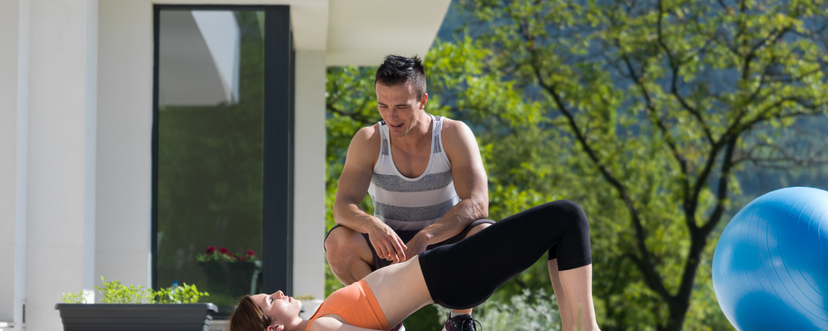
If you’re still feeling a bit lost, consider working with an in-home personal trainer who can support you with the right exercises and tips. Services like Svetness offer affordable in-home personal training designed to align with your goals and abilities.
Frequently Asked Questions
How often should I train abs at home?
Two to four sessions per week is a great starting point. Give your core time to rest between sessions for better results and reduced risk of overtraining.
Do I need equipment to train my core?
No. Most effective ab exercises can be done using just your bodyweight. If you want to add variety, resistance bands or light dumbbells can be helpful.
Can ab workouts help reduce belly fat?
Core exercises strengthen your abs but do not specifically target fat loss in that area. A combination of strength training, cardio, and proper nutrition supports fat loss across your entire body.
What if I have lower back pain during core exercises?
If you feel pain, reduce your range of motion and focus on exercises that support spinal alignment, such as dead bugs, planks, and bird dogs. Avoid movements that cause discomfort and check your form closely.
Start your Svetness journey today
Get a free consultation and see how our trainers can transform your wellness journey.