Walking Backwards: Benefits, Workouts and Top Tips
Walking backwards might look unusual, but it's gaining popularity for a reason. From improving balance to engaging forgotten muscles, this guide explores the benefits of backward walking, how to do it safely, and tips to make it part of your routine.
If you've ever seen someone walking backwards at the park or on a treadmill, your first reaction might have been curiosity or confusion.
Did that person get the wrong memo? Aren’t they supposed to be moving in the other direction? Not exactly. What initially appears unconventional at the gym is actually backed by real science and growing interest.
Walking backwards isn't just a social media trend or quirky exercise variation. It's a low-impact, high-reward practice with a range of physical and cognitive benefits.
This altered walking style improves balance and posture, leading to better coordination and joint health. As the benefits become more known, many people are beginning to incorporate this simple yet effective movement into their daily routines.
And while it may feel awkward at first, the payoff is worth it.
Backward walking requires you to slow down, focus on your steps, and engage muscles you might not activate during regular forward movement. As a result, increased awareness adds both physical and mental benefits that extend far beyond your daily walk.
This blog explores the benefits of walking backwards, compares it to walking forwards, and provides the best ways to incorporate it into your workouts safely and effectively.
If you’re curious about the trend or ready to incorporate it into your routine, this guide has everything you need to get started (without tripping over your feet in the process).
Understanding the Origins and Methods of Walking Backwards
While walking backwards may seem like a modern novelty, its origins go back much further than social media.
Ancient martial arts traditions, particularly in East Asia, have long included backward walking and movement patterns as part of their training. Practices like Tai Chi and Qigong use backward steps to train balance, internal focus, and coordination.
In recent decades, physical therapists have begun using backward walking as a rehabilitative tool for patients recovering from knee injuries, neurological conditions, or postural imbalances.
Its therapeutic potential eventually made its way into mainstream fitness spaces, and now, it’s finding new popularity as people seek smarter, more functional movement habits.
Where You Can Walk Backwards
One of the great things about backward walking is that it’s incredibly adaptable. You can practice it in a variety of settings, including:
- Outdoors: Parks, sidewalks, or running tracks, provided the area is flat and obstacle-free, are great for natural movement and fresh air.
- Indoors: Hallways, gyms, and fitness studios offer safer, more controlled environments, especially for beginners.
- On a treadmill: This is a popular method for those who want to maintain a steady pace or walk in place during colder months. Start slow and always use the handrails until you feel confident.
- On inclines: More advanced practitioners sometimes walk backward uphill to increase the strength and cardiovascular challenge. This should only be attempted when you’ve built a solid foundation and can do so safely.
Styles and Variations
Backward walking is more versatile than it seems. Once you’re comfortable with the basics, you can incorporate variations such as:
- Backwards jogging: A gentle, light jog in reverse increases cardiovascular intensity without excessive joint impact.
- Side-step to backward combo: Alternating between sideways and backward movement improves lateral stability and footwork.
- Resistance walking: Using a light resistance band or light sled adds muscular challenge and simulates sports performance drills.
- Balance-focused drills: Try walking backward in a straight line or on a painted path to enhance control and core stability.
Some physical therapy programs even include walking backwards while tossing a ball or following verbal cues, making the exercise even more cognitively demanding.
Ultimately, how you approach backward walking depends on your goals. If you’re easing back into movement after an injury, the focus might be on posture and control.
If you’re an athlete looking to improve footwork, you might integrate short, fast bursts into agility training. Whatever your intention, this deceptively simple movement has a place in almost every routine.
Why Walking Backwards Works
While walking forward is second nature, reversing direction challenges the body in new ways. That small change forces your brain and muscles to adapt, making it both mentally and physically stimulating.
It Engages Underused Muscles
One of the biggest differences between walking forwards and backwards is which muscles are activated.
When walking backwards, your quads, calves, and core work harder to stabilize each step.
This movement reverses the dominant muscle pattern of forward walking, shifting the emphasis to the anterior chain muscles that are often neglected. In addition to helping you develop strength and muscular balance, this shift is also likely to improve posture.
As many people spend long hours seated each day, their posterior chain tends to be overworked while the front side of the body weakens. Backward walking re-engages those dormant muscles and creates better structural alignment over time.
It Improves Balance and Coordination
Walking backwards demands greater body awareness. Because you can’t rely on your usual visual cues, your brain must work harder to maintain balance and orientation.
The challenge forces your vestibular system and proprioceptors to become more active. As a result, you’ll likely notice improvements in agility, movement control, and coordination after consistent practice.
These benefits are particularly valuable for older adults, athletes, or anyone recovering from an injury, as they help reduce the risk of falls and improve performance in everyday movement.
It Reduces Joint Impact
Surprisingly, walking backwards can be gentler on your knees. Unlike forward walking, which often puts pressure on the patellar tendon, backward walking shifts that pressure and creates a different load pattern.
This unique benefit makes it a useful option for people with knee discomfort or those returning to exercise after injury.
Additionally, backward walking improves gait mechanics by encouraging a shorter stride length and softer landing through the forefoot. This can reduce repetitive strain on the joints and promote healthier movement patterns that carry over into other activities.
Key Benefits of Walking Backwards
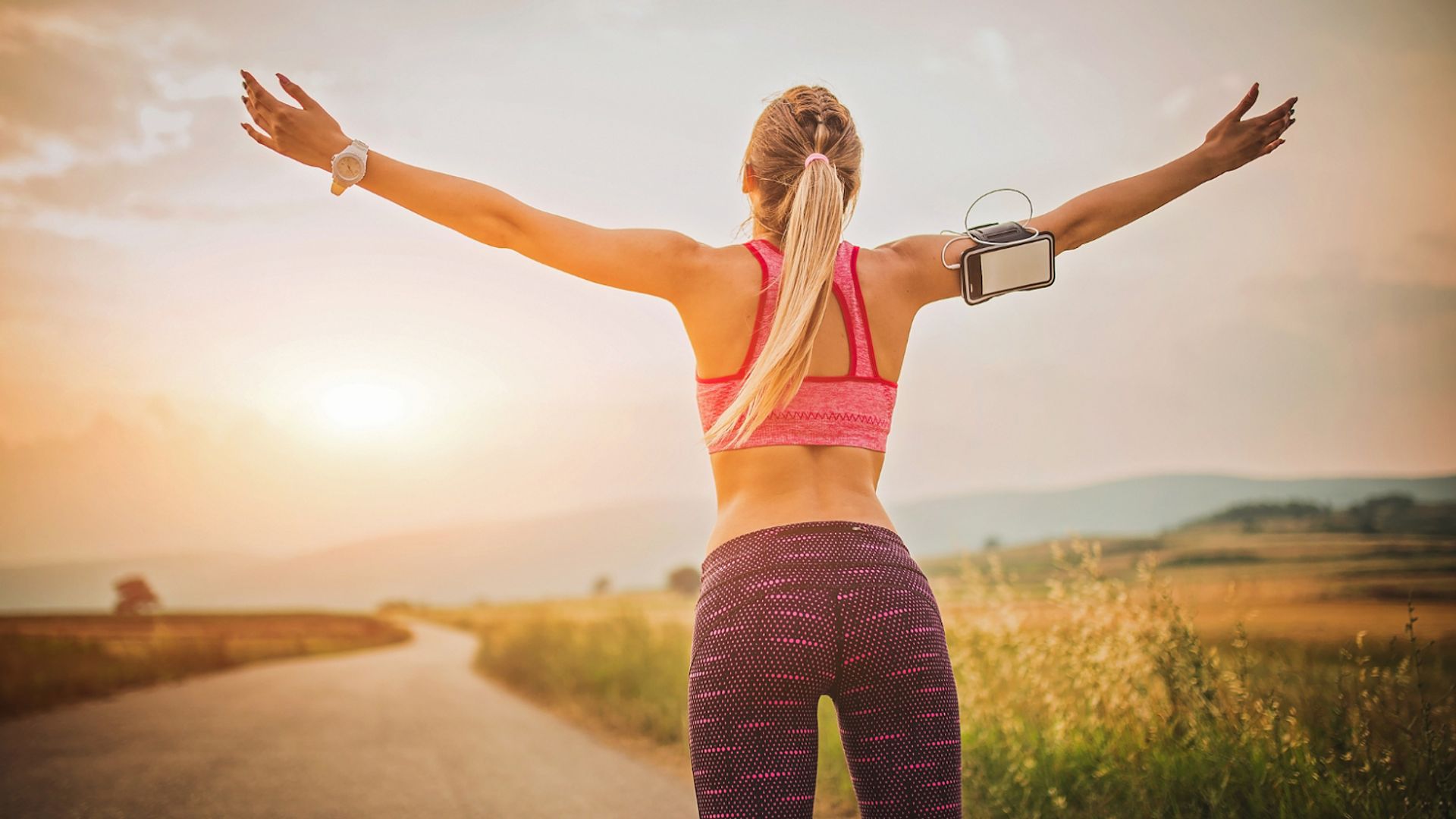
The growing popularity of backward walking isn’t just about novelty, although that’s certainly a key selling point in viral trends. It’s also rooted in measurable benefits.
Here are some of the most well-documented advantages:
Supports Knee Health
For people managing knee pain or arthritis, walking backwards may help alleviate strain.
Studies suggest that this movement pattern reduces compressive forces on the knee joint and strengthens surrounding muscles that stabilize the knee. By targeting the quadriceps and encouraging an upright posture, backward walking enhances joint control and creates a more stable foundation.
For those in rehab programs or dealing with chronic pain, it can serve as a valuable low-impact option that rebuilds strength without aggravating symptoms.
Enhances Cognitive Function
Because backward walking requires more mental engagement, it stimulates cognitive areas of the brain responsible for attention, coordination, and movement planning. Even short sessions can improve focus and mental clarity.
In fact, researchers have explored how reversing typical movement patterns can increase neural activity and support memory retention. It’s a simple way to challenge your brain while moving your body, making this exercise style ideal for people seeking mindful movement or ways to stay mentally sharp as they age.
Burns More Calories
Walking backwards increases heart rate more than walking forwards at the same pace. That means you can get more cardiovascular benefits in less time. It’s a subtle yet effective way to ramp up the intensity of your walks without adding impact.
Some estimates suggest that backward walking can burn up to 40% more calories than forward walking. This calorie-burning ability makes it a great addition to fat-loss routines or as a time-efficient option for busy schedules.
It doesn’t matter if you're adding a few backward intervals to your daily walk or dedicating full sessions to the practice. Either way, you’ll likely notice increased calorie burn and cardiovascular conditioning.
Builds Ankle Strength and Stability
Each backward step requires you to push off from the toes and maintain control through your ankle. Over time, this strengthens small stabilizing muscles that are often overlooked, especially in people who walk primarily on flat, predictable surfaces.
These muscles are crucial for maintaining balance, facilitating lateral movement, and preventing injury. Stronger ankles support smoother gait transitions, help prevent ankle rolls or sprains, and enhance your performance in other exercises, such as running, hiking, or agility training.
How to Incorporate Backward Walking Into Your Routine
Getting started doesn’t require much; just a safe space and a bit of awareness. But as with any new movement, it’s important to ease in and stay mindful of your form.
Start Slowly and Choose the Right Environment
Begin on a flat, open surface like a park path, sports field, or a spacious hallway. If you're using a treadmill, make sure to hold the rails until you feel stable.
Start with brief intervals, 30 seconds to one minute, either at the beginning or end of your walk. As your confidence improves, increase your time and explore different terrains. Some people even include backward walking on hills or stairs for a greater challenge (once they're experienced).
Safety always comes first. Make sure your walking surface is free of obstacles, and turn your head occasionally to scan what's behind you. The goal is to build confidence without creating unnecessary risks.
Focus on Posture and Control
Avoid leaning too far back or looking down. Instead, keep your chest lifted, core engaged, and eyes scanning side to side to stay oriented. Take shorter steps and keep a slight bend in your knees to stay balanced.
Keep your feet close to the ground and move with intention. Remember, you’re not rushing. You're just training your brain and muscles to work together with precision.
Over time, this diligence will help improve your posture during both backward and forward movement.
Use It as a Warm-Up or Cooldown
Because it's low-impact and activates multiple muscle groups, backward walking makes a great warm-up before strength training or dynamic workouts. It can also be a helpful cooldown to reset your posture and re-engage your core after more intense sessions.
Warming up with backward walking helps wake up stabilizing muscles and increases circulation in the joints. Cooling down with it can serve as an active recovery tool that calms the nervous system while reinforcing good mechanics.
Pair It With Guidance for Better Results
If you're not sure where to start, or you’re dealing with joint pain or balance concerns, working with a fitness professional can help you build confidence and stay safe.
Some trainers even incorporate backward walking drills into customized programs, especially for those focused on mobility, strength, or rehab.
And if heading to the gym isn’t your thing, an in-home personal training workout, such as the ones offered by Svetness, makes it easy to get personalized instruction in your own space, without the pressure of a busy studio or crowded track.
A trainer can observe your form, tailor your sessions, and help you progress more effectively with less guesswork.
Final Thoughts
Backward walking may seem unconventional at first glance, but its benefits are anything but gimmicky.
It’s an innovative, low-impact way to challenge your body in new ways while supporting joint health, cognitive performance, and full-body coordination. Best of all, you don’t need a gym or any fancy equipment to get started. Just a bit of space, a willingness to try something new, and a little patience as you build the skill.
With time, walking backwards can become a refreshing and practical addition to your weekly routine, and one that pays off in both strength and confidence.
And for those who enjoy structure or want expert input, working with a personal trainer can ensure you’re getting the most out of every step, whether you’re walking forward, backward, or side to side (yes, that’s also a thing).
Frequently Asked Questions
Is walking backwards good for knee pain?
Yes, it can be. Walking backwards reduces the compressive load on the knees and strengthens muscles that stabilize the joint. It may help relieve discomfort, particularly in people recovering from injury or managing arthritis.
How long should I walk backwards?
Start with 30-second to 1-minute intervals and gradually increase the duration. Many people benefit from 5–10 minutes, two to three times a week, depending on their fitness level and goals.
Can walking backwards improve balance?
Absolutely. Because it requires greater spatial awareness and neuromuscular control, walking backwards helps enhance balance, coordination, and posture over time.
Is it safe for beginners?
Yes, as long as you take precautions. Begin on flat, open ground and take it slow. If you're concerned about stability, use handrails or consult a trainer to make sure your form is solid.
Does walking backwards burn more calories?
Yes, it tends to raise your heart rate faster than forward walking, which means you can burn more calories in less time, especially if you increase your speed or include slight inclines.
Start your Svetness journey today
Get a free consultation and see how our trainers can transform your wellness journey.