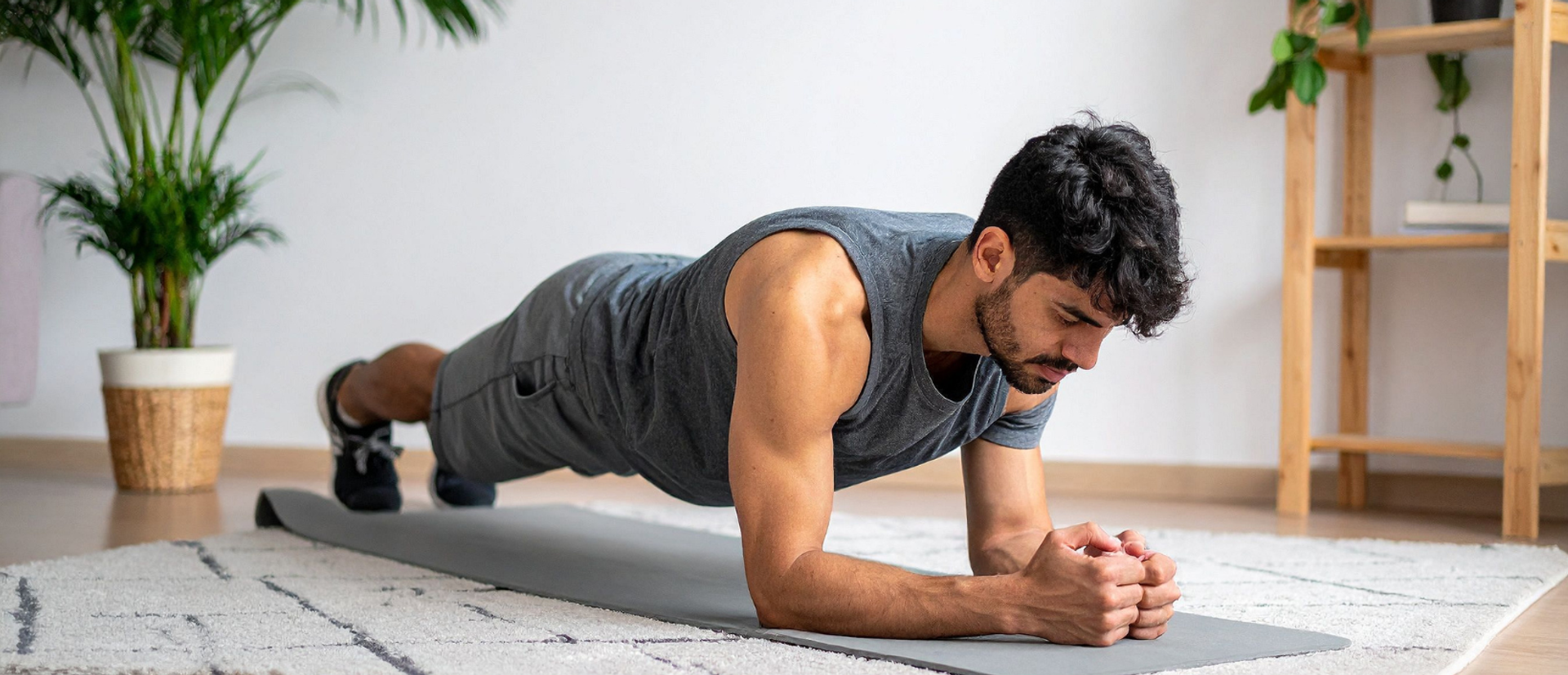
Tips From Personal Trainers: How to Build Muscle at Home
Find out how to gain strength at home with bodyweight training, resistance hacks, and consistency. Trainers share strategies that actually work.
Most people assume muscles can only be built in gyms. Big weights. Rows of machines. Crowded rooms full of mirrors and chalk dust. The picture is so strong that training anywhere else feels like “less than.”
Here’s the funny thing, though: muscles don’t care where you train. They only care about effort. Resistance. Repetition. And you can get all of that without ever setting foot in a gym.
Still, the doubt is real. Can push-ups and squats really add size? Can you actually grow stronger with nothing more than bodyweight or a couple of resistance bands? It feels too simple to be effective. But it isn’t. Plenty of people have figured out how to build muscle at home, and once they stop waiting for the “perfect setup,” progress finally happens.
Think about it: not everyone has an hour to drive, train, and drive home. Not everyone wants to spend money on memberships or machines. Life is busy. Family, work, energy: all of it competes with fitness. Training at home removes the commute, the excuses, the “I’ll go later” lie we’ve all told ourselves. Suddenly, consistency is easier, and when consistency is easier, muscle growth follows.
One client once laughed at the idea of building muscle at home. He thought bodyweight meant “just toning.” A few months later, after sticking to push-ups, squats, and backpack rows with weight added week by week, he noticed his shirts fitting tighter in the shoulders. No machines. No gym. Just steady work in his living room. That’s when he stopped laughing.
So yes, you can build strength without the commercial setup. The question isn’t “Is it possible?” The question is “How do I set this up so it actually works for me?”
Can You Really Build Muscle at Home?
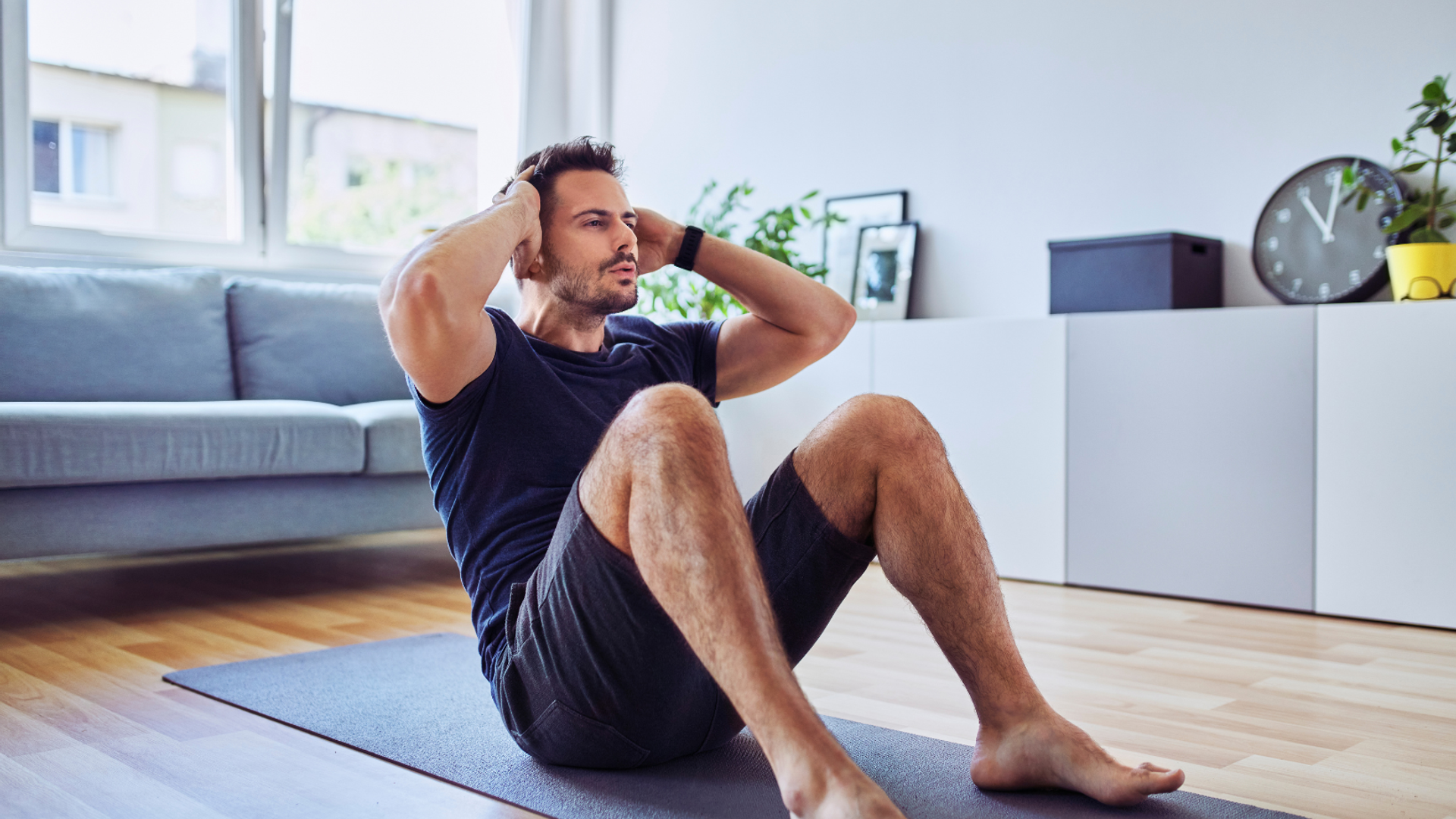
Yes. But let’s go deeper.
The myth that muscles only grow in a gym comes from convenience. Gyms make progression obvious. Want to lift more? Add five pounds to the bar. At home, it feels trickier, but the principles are the same. Muscles don’t respond to the equipment. They respond to stress. Challenge them, and they grow.
Can I gain muscle at home without equipment?
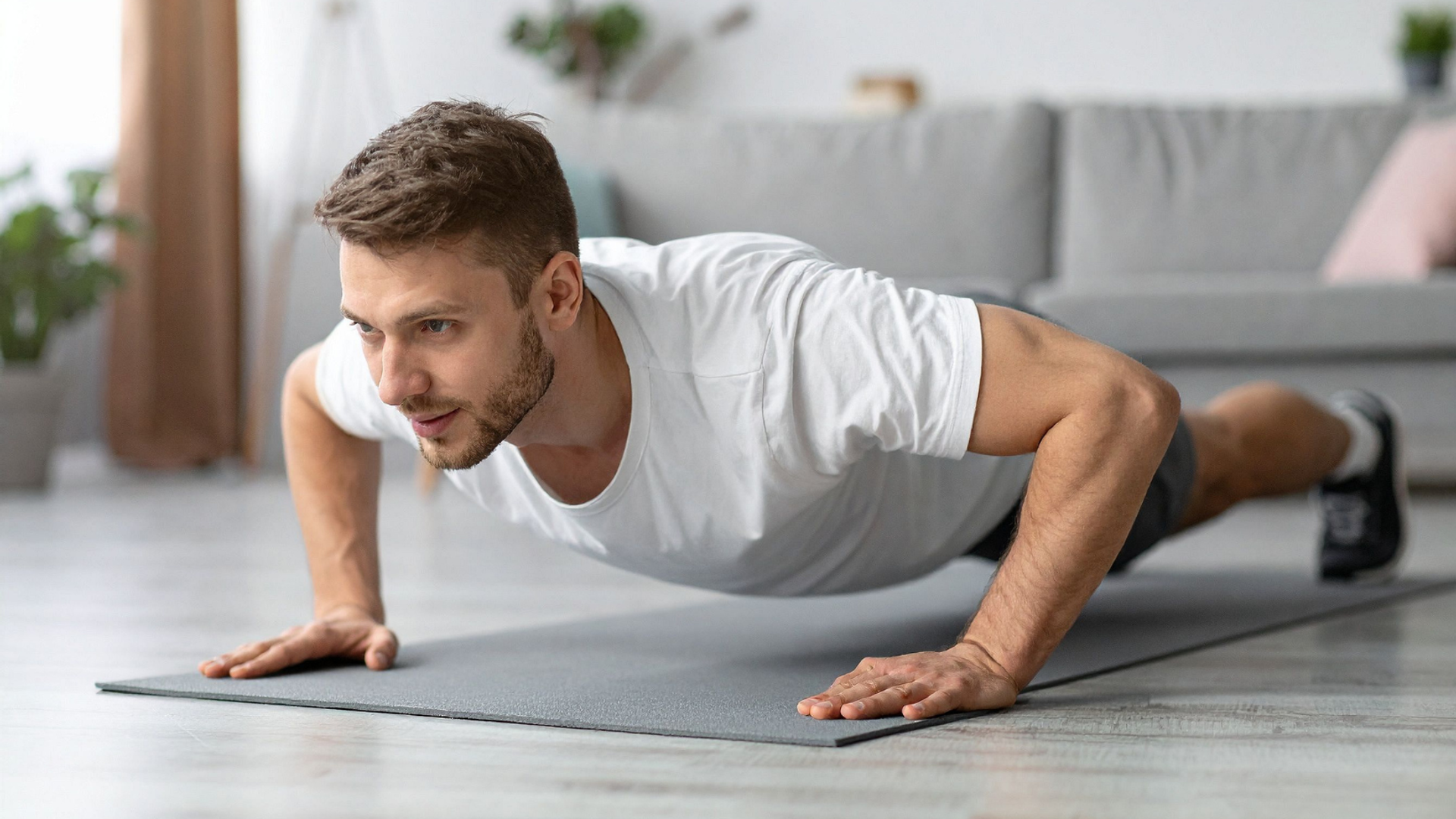
You can build muscle at home, no problem. Push-ups, pull-ups, squats, and planks are classics for a reason. Adjust the tempo, add pauses, and stack reps, and the difficulty skyrockets. Most beginners quit not because exercises are weak, but because they underestimate how far bodyweight progressions can go.
There’s a saying among gymnasts: “If you think bodyweight isn’t enough, try holding a handstand.” Their shoulders and arms didn’t come from bench pressing; they came from using gravity and leverage to the extreme.
How muscle building at home compares to the gym
Let’s be clear. Gyms are convenient for gradual overload. Barbells make it easy to add five pounds when you need a boost. At home, you’ll need creativity:
- A backpack filled with water bottles or books.
- Resistance bands looped around a doorframe.
- A sturdy chair for step-ups.
- Towels for sliding core work on a smooth floor.
It may not be the most trendy or social media-friendly setup, but it’s undoubtedly effective.
Getting Started with Muscle Building at Home
The truth is, the first steps are often the hardest. Not because the movements themselves are complicated, but because people psych themselves out before they even begin.
They spend days scrolling through programs, comparing influencers, and wondering if they should buy equipment first. Analysis replaces action, and nothing gets done. That’s why when it comes to how to start building muscle at home, the most important advice is this: stop trying to perfect the plan.
Just start, and think about building your home gym once you’ve established some consistency.
How to build muscle at home without equipment for beginners
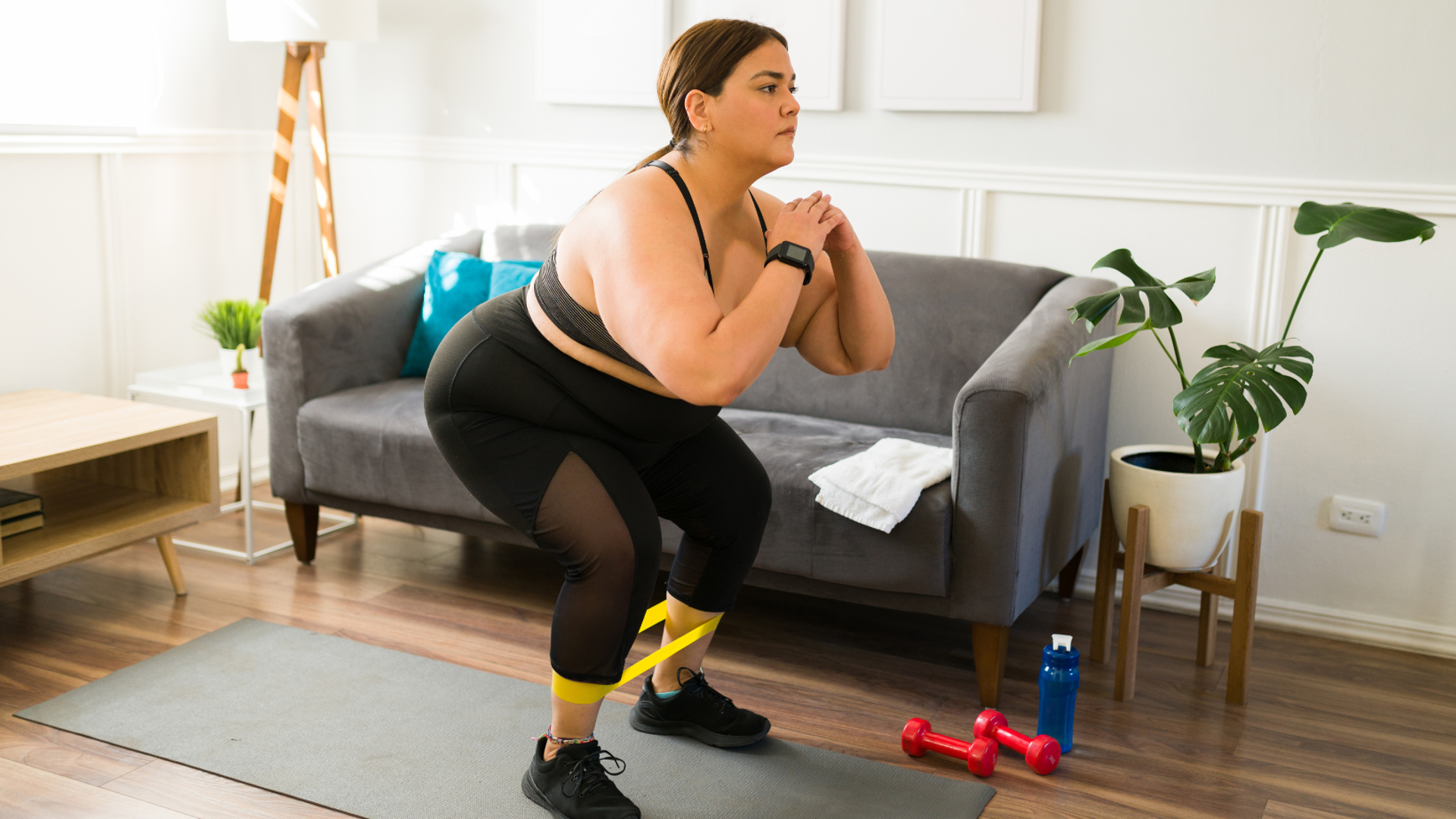
Begin with the basics, always. Push-ups, squats, lunges, planks. These aren’t glamorous, but they’re the backbone of strength. Adjust them to your level.
If push-ups on the floor are out of reach, use a countertop or a sturdy table instead. If bodyweight squats feel too easy, slow them down until your thighs are on fire. The principle is progression, not perfection on day one.
One beginner we worked with insisted on doing a “100 push-ups a day” challenge. By day five, their shoulders ached, their wrists hurt, and the routine collapsed. Another person started with 10 push-ups, three times a week. They added one or two more every session. A year later, they were doing sets of 40 without breaking form. Guess who actually built strength? The one who started small and consistently.
Another mistake is chasing novelty. Beginners hop from one YouTube video to another, swapping routines every week because the last one “got boring.” But boredom isn’t the enemy here. Inconsistency is. Muscles need repeated stress. Do the same moves, push them harder each time, and results appear. Skip around, and the body never adapts.
The importance of consistency in bodyweight training
This can’t be stressed enough: muscles don’t grow from a single workout. They grow from repeated tension, week after week. That’s why "Gain Muscle at Home" routines are built on consistency, not intensity.
If you’re unsure where to start, here’s an imperfect but practical template:
- Push-ups or countertop push-ups (choose the level you can do for 8–12 reps).
- Squats, slow and controlled.
- Lunges or step-ups on a chair.
- Plank variations — front, side, or moving planks.
That’s four moves. Not ten. Not fifteen. Keep it simple. Do them three times a week. As you get stronger, layer on more: add pause reps, increase time under tension, or hold a backpack filled with books. That’s how you turn a starter plan into building muscle at home without needing endless variety.
And here’s the bonus most people overlook: rest and recovery matter. Beginners often think they need a daily grind to see change. In reality, muscles repair and grow when you rest. That means a three-day-a-week plan can outperform a seven-day streak that burns out in two weeks. Slow and steady wins here.
Training Strategies That Work at Home
Once the basics are in place, the next question is how to actually grow muscle over time.
Push-ups and squats are fine for a few weeks, but what happens when they start feeling easy? This part is where people often stall, because they think “easy” means “done.” The truth is, easy means it’s time to adjust. That’s the principle behind progressive overload.
Progressive overload sounds technical, but it’s really simple: make the exercise harder over time. That can mean adding reps, slowing down tempo, pausing at the hardest point, or adding resistance with whatever you have. The body doesn’t grow from repeating the same thing forever. It grows when you push it just a little past what it’s used to.
How to build muscle without equipment using bodyweight progressions
Take push-ups. First, you do them on your knees. Then on your toes. Then you pause halfway down. Then you elevate your feet. Eventually, you’re knocking out single-arm push-ups. That’s progressive overload.
Same with squats: start with bodyweight, then slow them down, then add a jump, then hold a backpack while you move. Each tweak is a new challenge, and muscles adapt.
Creative resistance: bands, backpacks, and household items
Not everyone wants to invest in equipment, but even the simplest tools can change everything.
Workouts at home with resistance bands are affordable yet challenging in all the right ways. A backpack stuffed with books or water bottles can serve as a substitute for a dumbbell during rows, presses, or squats. Chairs, towels, and even walls can become part of the workout. It looks scrappy, but it works.
We had a client who swore training at home was “too limited.” Once he started adding loaded backpacks to his push-ups and step-ups, his strength jumped in weeks. His words later: “Turns out I didn’t need the gym. I just needed to stop underestimating what I had.”
How to build muscle at home without equipment for females
There’s a common worry, especially for women, that lifting, even at home, will lead to bulk. The reality? Without extreme calorie surpluses and heavy weightlifting, most women won’t bulk. They’ll build lean muscle, improve their strength, and achieve a toned appearance.
For anyone searching for how to build muscle at home for females, the path is the same as for men: bodyweight, resistance, and progression.
Nutrition: The Other Half of Building Muscle

Here’s what surprises many people: workouts break down muscle. Food builds it back up. Without the right fuel, you can do push-ups every day and never see the results you want. That’s why nutrition is the other half of gaining muscle at home.
A balanced approach is essential to muscle-gaining meal prep. Protein is the obvious piece, but it’s not the only one. Carbs refill energy. Fats support hormones. Water keeps the whole system running. Cut too much, and growth slows. Eat enough, and suddenly strength sessions actually translate into visible change.
How to gain muscle at home with smart nutrition
Start simple: aim to include a protein source at every meal. Chicken, beans, fish, eggs, tofu, protein shakes: it doesn’t matter which as long as it’s consistent. Pair that with carbs like rice or oats, plus vegetables and healthy fats. The combination fuels training and recovery.
How to build muscle mass at home through diet choices
For real growth, calories matter. If you’re under-eating, you won’t gain. That doesn’t mean overeating junk, but it does mean giving your body enough building blocks. A simple check: if your weight never budges despite consistent training, your calorie intake is probably too low.
A quick food list to keep things simple:
- Protein sources include chicken, turkey, fish, eggs, lentils, and Greek yogurt.
- Carbs: rice, oats, potatoes, fruit.
- Fats: nuts, olive oil, avocado.
- Recovery: water, sleep, consistent meals.
Muscle doesn’t come from workouts alone. It comes from fueling workouts properly and recovering afterward.
How Personal Training Helps You Build Muscle at Home Faster
Here’s where it all clicks. Plenty of people try to figure this out solo. Some succeed, but most stop, restart, and stall again. Having guidance changes the game.
A trainer doesn’t just design workouts. They make sure you actually do them, and they adjust them when progress slows. For anyone serious about muscle building at home, that support is the difference between dabbling and developing.
Form matters more at home: trainers keep it safe
Without machines to guide you, form becomes everything. Do a push-up incorrectly, and it’s the shoulders and elbows that take the brunt of the impact, not the chest. A trainer can watch, correct, and cue adjustments in real time. Correct form allows you to prevent workout injuries and continue progressing.
Programs designed for your space and equipment
Not every home setup looks the same. Some people have a mat and resistance bands. Others have a spare room and a set of dumbbells.
A trainer designs a program for what you actually have, not what you wish you had. That customization keeps things realistic, and realistic routines are the ones that stick.
Accountability and progress tracking keep you consistent
This is the big one. Accountability. It’s easy to cancel on yourself. It’s harder to cancel when someone shows up at your door, ready to work. Trainers track progress too, so when you feel stuck, they show you the numbers: more reps, heavier loads, better endurance. That’s fuel to keep going.
Why Svetness makes consistency easier than going solo
At Svetness, we’ve seen this transformation countless times. Someone starts and stops for years. Then they bring an in-home trainer in, and suddenly workouts happen three times a week without fail. Progress becomes steady, and results finally appear.
For anyone wondering how to build muscle at home without equipment, our trainers demonstrate that it’s not only possible, but also practical, efficient, and sustainable.
Verdict: Can You Build Muscle at Home?
So, can you gain muscle at home? Absolutely. With bodyweight progressions, creative resistance, smart nutrition, and consistency, strength grows whether you’re in a gym or in your living room. What matters most isn’t the equipment. It’s the effort and the structure.
But structure is the piece most people miss. They know the moves, but not how to apply
them consistently. That’s where personal training fills the gap. With Svetness in-home training, the excuses vanish, the plan is clear, and the accountability is built in. Suddenly, building muscle at home stops being an idea and becomes a reality.
Muscles don’t care if you’re under bright gym lights or on a yoga mat by your bed. They care about challenge, fuel, and recovery. Put those in place, and with the proper guidance, the results will come.
> Svetness Bodybuilding Services
FAQs
Can you gain muscle at home without equipment?
Yes. Bodyweight training can be incredibly effective if you progress over time. Push-ups, pull-ups, squats, and planks all build strength. Add resistance through tempo changes, backpacks, or bands, and muscles will respond.
How to build muscle at home for females without equipment?
The process is the same for both men and women. Start with bodyweight, add resistance, and progress gradually. The worry about “getting bulky” is unfounded. Most women build lean, toned muscle that supports strength and confidence, not size beyond what they want.
How to gain muscle at home if you’re a beginner?
Start small. Pick a handful of moves, like push-ups, squats, or planks, and repeat them three times a week. Add reps or intensity gradually. Beginners often fail because they try to do too much too soon. Less at first, done consistently, leads to more later.
Is building muscle at home as effective as working out at the gym?
It can be, especially for beginners and intermediates. Gyms offer convenience for progression, but at-home training removes barriers that cause people to quit. Consistency beats potential. A good at-home plan, especially with a trainer, delivers results that rival the gym.
Start your Svetness journey today
Get a free consultation and see how our trainers can transform your wellness journey.