Training for a Triathlon at Home? Svetness Trainers Share Their Secrets

Learn how to train for a triathlon at home with expert tips on swim, bike, and run substitutions, strength work, and smart planning that fits your space and schedule.
Training for a triathlon at home isn’t as far-fetched as it sounds. You might not have a lap pool in your backyard or a private cycling studio, but that doesn’t mean you’re out of options.
Plenty of athletes build their foundations from home, ranging from first-timers to seasoned competitors. The key is to be creative and stay consistent.
Maybe you’re balancing work, family, and trying to squeeze in workouts between Zoom calls. Or perhaps you just prefer the comfort and convenience of your own space. Either way, at-home triathlon training is doable with structure, smart planning, and a bit of trial and error.
The biggest challenge? Knowing where to start.
Unlike a single-discipline sport, triathlon training means juggling three very different types of movement. But that also means there’s more room to switch things up and avoid burnout. Your swim might become a resistance-band session. Your bike workout can become a spin class in the living room. And your daily run? A treadmill incline workout.
The goal isn’t to mimic a professional training plan. More so, it’s to make your training fit into your life. That’s where most people get stuck: they assume triathlon prep has to be rigid. But in reality, it’s about learning to be flexible and committed at the same time.
That shift in mindset is half the work. Once you stop trying to copy someone else’s routine and start building your own, things fall into place. And when it gets tough? That’s when you learn what kind of athlete you really are.
Without further ado, let’s dive into the secrets of Svetness personal trainers when it comes to triathlon training at home.
The Three Core Pillars of Triathlon Prep

You’ve probably heard it a hundred times: triathlon is about swimming, biking, and running.
But to train well (and avoid injuries), you need to think beyond just the workouts. Planning, recovery, and strength training all play a major role in how far, and how fast, you’ll go.
Instead of maxing out your energy reserves each day, effective triathlon prep is all about building sustainable habits across all three disciplines. You don’t need a pool, an open road, or a track to start seeing improvements.
Building Endurance Without a Pool
Swimming at home is the toughest nut to crack, but it’s not impossible. When you can’t hit the water, Svetness trainers often turn to dryland drills that simulate swim movements.
Resistance bands are great for mimicking freestyle pulls, helping you build the right muscles even when you’re nowhere near a pool.
There’s also breath control work, which involves holding your breath while walking or engaging in light activity. By committing to this exercise, you strengthen your lung capacity and learn to pace yourself. Core stability exercises like planks and swimmers (yes, that’s a thing) help reinforce body positioning.
Some clients use tools like swim cords anchored to a wall or fence to practice the motion in place. It’s not glamorous, but it works.
And if you need to replace swim days altogether? High-rep cardio sessions, like shadowboxing or kettlebell flows, can help simulate the heart rate patterns and breathing rhythms of a swim workout.
Another trick is combining breath holds with movement. For example, doing jumping jacks while holding your breath every third rep. This workout style builds endurance and discipline simultaneously.
Indoor Cycling That Actually Works
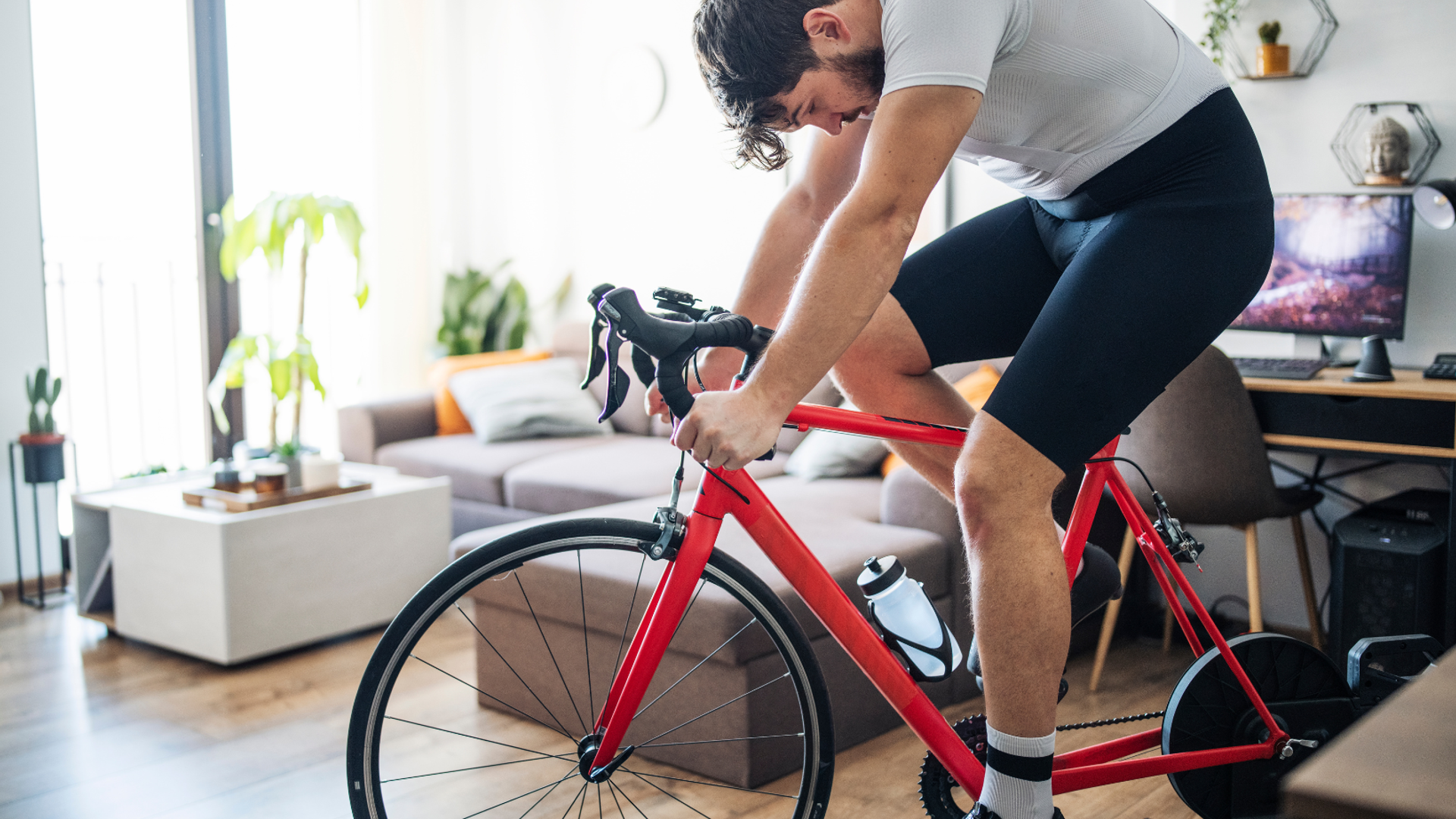
Bike training indoors is arguably the most accessible part of triathlon prep. If you’ve got a stationary bike, spin bike, or turbo trainer, you’re already halfway there.
Svetness trainers usually focus on cadence control (maintaining a steady pace) and form cues, such as keeping the spine neutral and shoulders relaxed.
Virtual apps like Zwift or Peloton add an interactive layer to indoor riding. You can race, climb hills, or just go for time trials. Even a basic ride becomes more engaging when there’s a goal or scenery to look at.
Interval training is another staple. Trainers often build workouts with short sprints, climbs, and rest periods to build speed and stamina without riding for hours.
And if your bike setup is minimal? No problem. Even bodyweight leg circuits, like wall sits, step-ups, and jump squats, can help build the power and endurance needed for cycling.
The key is consistency. You don’t need long rides every day. All you need is focused, intentional sessions that build over time.
Running Prep Without Outdoor Miles
Running indoors isn’t always ideal, but it’s still effective. Treadmills are the obvious choice, but even without one, you can build running endurance using HIIT intervals and footwork drills.
Trainers might design incline-based workouts, alternating between steep walk and jog sessions to mimic hill training. It builds strength, stamina, and mental grit.
Foot strength and joint resilience also play a role. At-home routines may include calf raises, ankle mobility drills, or single-leg balance exercises to improve form and reduce the risk of injury.
You’ll also see pace control training. Even without GPS, you can track effort using heart rate, breath rate, or perceived exertion. That internal sense of pace pays off come race day.
Some workouts combine running mechanics with strength, like alternating squats and lunges with high-knees or jumping drills. They keep the body used to impact and intensity, even in tight spaces.
What People Get Wrong About Triathlon Training

A lot of people assume triathlon prep has to be brutal, involving early mornings, long hours, and expensive gear. But that’s not the full picture.
The reality is, most people overtrain early and burn out fast. Or they overcomplicate the process, thinking they need fancy tech and elite programming. What matters most? Consistency, rest, and knowing your limits. It’s not all about the gear. It’s also about grit.
It’s Not Just About Cardio
You can swim, bike, and run all you want. But if you’re neglecting strength, mobility, and stability, you’re not building a well-rounded athlete. Svetness trainers integrate functional movements like lunges, core circuits, and resistance training to support all three sports.
Mobility work is another big one. Think shoulder openers, hip stretches, and dynamic warm-ups. In addition to preventing injury, mobility drills also improve form and efficiency. The stronger and more mobile you are, the less energy you waste with each movement.
Recovery days often include foam rolling or active mobility sessions, not just resting on the couch. It’s about tuning your body instead of just taxing it.
Some triathletes skip strength work thinking it slows them down. But the opposite is true. Stronger muscles equal more force, more control, and better endurance.
Even 15–20 minutes a few times a week can create a noticeable difference over time.
Overtraining Is Easier Than You Think
With three sports to juggle, it’s easy to do too much. Especially if you’re training alone, without structure. Svetness trainers are trained to spot burnout before it happens. Signs like irritability, poor sleep, or plateaued performance often show up before pain or injury.
They’ll help you schedule rest days, shift intensities, and alternate high-load weeks with deload phases. You don’t need to feel exhausted to get better.
Often, the hardest thing to do is slow down. But recovery is where the magic happens. It’s when the body adapts and grows stronger. Ignoring that is what holds most people back.
When you train smarter, not harder, you give yourself the space to grow.
Even mental burnout is a sign. If you’re dreading workouts or losing focus, that’s worth adjusting. Svetness trainers help you notice and respond early.
How Svetness In-Home Trainers Build Triathlon Plans
People are different, and so are their indoor setups. That’s why in-home triathlon training looks different for everyone. Svetness trainers start with an assessment: your goals, your space, your schedule, and your baseline fitness.
From there, they’ll create a progressive plan that includes cardio, strength, and recovery. These workouts are all tailored to your equipment, preferences, and time constraints. It’s training that fits your life, not the other way around.
Their job isn’t just programming. It’s translating athletic goals into your actual daily routine.
Real-Life Modifications for Real Homes
Triathlon training in an apartment? No problem. Trainers might swap out long runs for intervals, use stairs instead of a hill, or set up bike intervals with a simple turbo trainer.
No pool access? Not to worry! They’ll sub in resistance bands and breath drills.
Limited space? They’ll get creative with circuit-based routines that combine cardio and strength. Backyard workouts, hallway intervals, even living room yoga flows; it’s all fair game.
The goal is to keep things consistent, adaptable, and realistic. There’s no “perfect” setup. Just progress. Triathlon prep is about doing the best you can with what you’ve got. And honestly? That’s what most endurance athletes are doing too.
Accountability That Doesn’t Let You Off the Hook
Having a trainer show up at your door adds another level of commitment that most people need. After all, it’s harder to skip a session when someone’s waiting for you.
Svetness trainers do more than guide workouts. They help you stick to your plan when motivation dips, remind you of your goals, and keep you honest about your effort.
They’ll push when needed, dial things back when necessary, and offer feedback that helps you train smarter. It’s the kind of consistency that builds real results.
When you’re juggling multiple disciplines, that check-in becomes even more important. It keeps everything moving in sync.
Final Thoughts
At-home triathlon training comes down to structure more than setup. You don’t need ideal conditions or top-tier gear to make progress. What matters is having a plan you can stick to, one that makes room for real life.
It’s possible to build endurance without a pool, improve cycling power indoors, and prep for a run even if you don’t step outside. Dryland swim drills, turbo trainers, incline walks, and targeted strength work can all move the needle. And with the right approach, they do.
What throws most people off is the belief that triathlon prep has to look a certain way. Long hours. High mileage. Fancy tools. But consistency and smart recovery usually matter more.
Strength and mobility are just as important as speed. And progress doesn’t always feel dramatic. Sometimes it’s just sticking to the plan, even on off days.
There’s also no single formula. Everyone’s space, schedule, and fitness level is different. That’s why personalized coaching makes such a difference. A good trainer adjusts your plan to fit your environment, not the other way around. That kind of support keeps you consistent, even when life gets busy.
The path won’t be perfect, but it doesn’t have to be. You just need something sustainable. And if you want help building a plan that actually works in your home, a Svetness trainer can get you started.
FAQs
Can I really train for a full triathlon at home?
Yes, many people do. With smart substitutions for swim, bike, and run workouts, plus structure and consistency, you can prep for all triathlon legs without needing a full gym or pool. The key is adaptability and tracking your progress.
What equipment is essential to get started?
A stationary bike or trainer, a set of resistance bands, running shoes, and a yoga mat are enough for most plans. If you have a treadmill, great, but it’s not required. Most movements can be modified based on your space and gear. A heart rate monitor is helpful but optional.
How many days a week should I train for a triathlon?
Four to six days is typical. This includes 2–3 cardio-focused sessions, 1–2 strength or mobility days, and at least one full rest day. The exact split depends on your fitness level and race timeline. The trick is consistency over time, rather than aiming for perfection.
Is strength training necessary for triathlon prep?
Absolutely. Strength training improves endurance, reduces injury risk, and supports better movement patterns across all three disciplines. It’s an essential part of any complete triathlon training plan. And it doesn’t need to be complicated either, just consistent and targeted.
Start your Svetness journey today
Get a free consultation and see how our trainers can transform your wellness journey.