Top Tricep Workouts At Home, With Dumbbells

Build strong, balanced arms with dumbbell tricep workouts at home. Learn effective exercises, form tips, and how personal trainers help you train smarter.
Training your triceps at home doesn’t require a significant investment in gear. All you need is a set of dumbbells, some space to move, and a bit of structure.
However, despite how straightforward that sounds, this part of the body is often overlooked in home routines.
The triceps sit at the back of your upper arm and are responsible for straightening the elbow. They come into play whenever you push, press, or stabilize through the arms. Training them properly can lead to better performance in other exercises and help reduce strain on your shoulders and wrists.
This is where dumbbells come in. They allow you to isolate the triceps without needing machines or complex equipment. Even a few well-chosen exercises, performed consistently and with good form, can make a visible and functional difference.
In this guide, we’ll walk through the most effective tricep workouts at home with dumbbells, offer tips on improving your form, and help you build a balanced routine that works in any space.
Let’s get those triceps trained!
Why Do Triceps Deserve Dedicated Training?

Triceps aren’t just a supporting muscle. They’re one of the primary drivers of upper body strength.
You might not notice them when you’re focusing on larger movements like bench presses or rows, but if they’re underdeveloped, they’ll make themselves known quickly. That shaky last push in a workout? That slow lockout in your overhead press? That’s where tricep fatigue tends to show up.
They Carry the Load in Pressing Movements
Every time you press something upward or away from your body, your triceps are in play.
They work to extend your elbows and finish the push. When they’re strong, you get a smoother, more powerful movement. When they’re not, other muscles try to compensate.
That’s when technique breaks down and progress stalls.
Strengthening the triceps enables the rest of your upper body to move as it should.
They Stabilise and Protect Your Joints
Strong triceps help your arms move better, which is also vital for joint health. When your triceps can handle their share of the work, your elbows track better, and your shoulders don’t need to overcompensate.
Training triceps reduces inflammation and fatigue after workouts, especially for people who experience tightness or discomfort during pressing exercises. It also contributes to smoother movement in daily tasks, such as pushing a shopping cart, carrying groceries, or even getting up from the ground.
They Create Balance in the Upper Arm
Focusing only on biceps because they’re more visible in the mirror leaves your arms looking and feeling unbalanced. The triceps actually make up a larger portion of the upper arm, and when they’re ignored, everything else tends to feel a bit off. Not only visually, but also functionally.
They Make Bodyweight Movements More Manageable
Exercises like push-ups, planks, and dips put a surprising amount of load on your triceps. Strengthening your triceps makes these foundational movements more accessible and more effective.
Instead of pushing through with poor alignment, you can support your body with confidence and avoid the small compensations that lead to long-term discomfort.
Guidelines for Safe and Effective Dumbbell Training

Strength training at home offers flexibility, but it also requires taking responsibility for maintaining proper form and structure.
The following guidelines can help you maximize the benefits of your tricep workouts and minimize the risk of injury or frustration:
Prioritise Form Over Load
When it comes to tricep work, heavier isn’t always better. Because the muscle group is smaller and more isolated in most exercises, you’ll feel the burn even with modest weights if your form is good.
Start light. Five to ten pounds is enough to challenge the triceps through a full range of motion. Pay attention to your elbow position, your grip, and how much you’re swinging or compensating.
Control the Full Range of Motion
Partial reps might feel easier, but they also reduce the amount of work the triceps actually have to do. To make real progress, you want to take the muscle through its full range of motion, lowering until you feel a stretch and pressing back up until your arms are extended but not locked.
Keep Elbows Stable
Many people let their elbows drift during tricep exercises. When that happens, the shoulders step in and the load gets redistributed. That makes the movement less effective and opens the door for joint strain.
One way to fix this is by imagining your elbows pinned in place. They shouldn’t be locked, but they also shouldn’t swing. In our at-home programs, we often guide clients through small cues to improve elbow positioning before adding any extra load.
Train to Technical Fatigue, Not Total Failure
It’s tempting to go until the arms give out, but that kind of failure-based training isn’t necessary for progress, and it often leads to poor reps. Instead, focus on stopping when your form starts to break down or the target muscles are no longer doing the work.
The Best Tricep Workouts At Home With Dumbbells
These strength training exercises are all accessible with a standard pair of dumbbells and require minimal space. Focus on slow, deliberate movement and full range of motion. There’s no need to rush or overload. Mastering the basics will carry you much further.
1. Dumbbell Overhead Tricep Extensions

This movement targets all three heads of the triceps and is great for building strength and control. It’s done by holding one or two dumbbells overhead and lowering the weight behind your head, then extending your arms to return to the starting position.
Keep your elbows close to your ears and your core engaged. If you experience discomfort in your shoulders or lower back, reduce the range of motion or adjust your stance. The key is control. You should feel the triceps stretch on the way down and contract firmly at the top.
Start with three sets of 10–12 reps, using a weight that challenges you without forcing you to shift position. Focus on smooth transitions and avoiding any jerky or rushed movement.
Over time, you can incorporate variations, such as alternating arms or using a staggered stance, to engage more core stability. These small adjustments keep the movement fresh, allowing you to track improvements in strength and form.
As your mobility and confidence grow, you can also explore tempo work, which means slowing the descent to three or four seconds to increase time under tension. This is one of the most effective ways to get more from the same weight.
2. Dumbbell Kickbacks
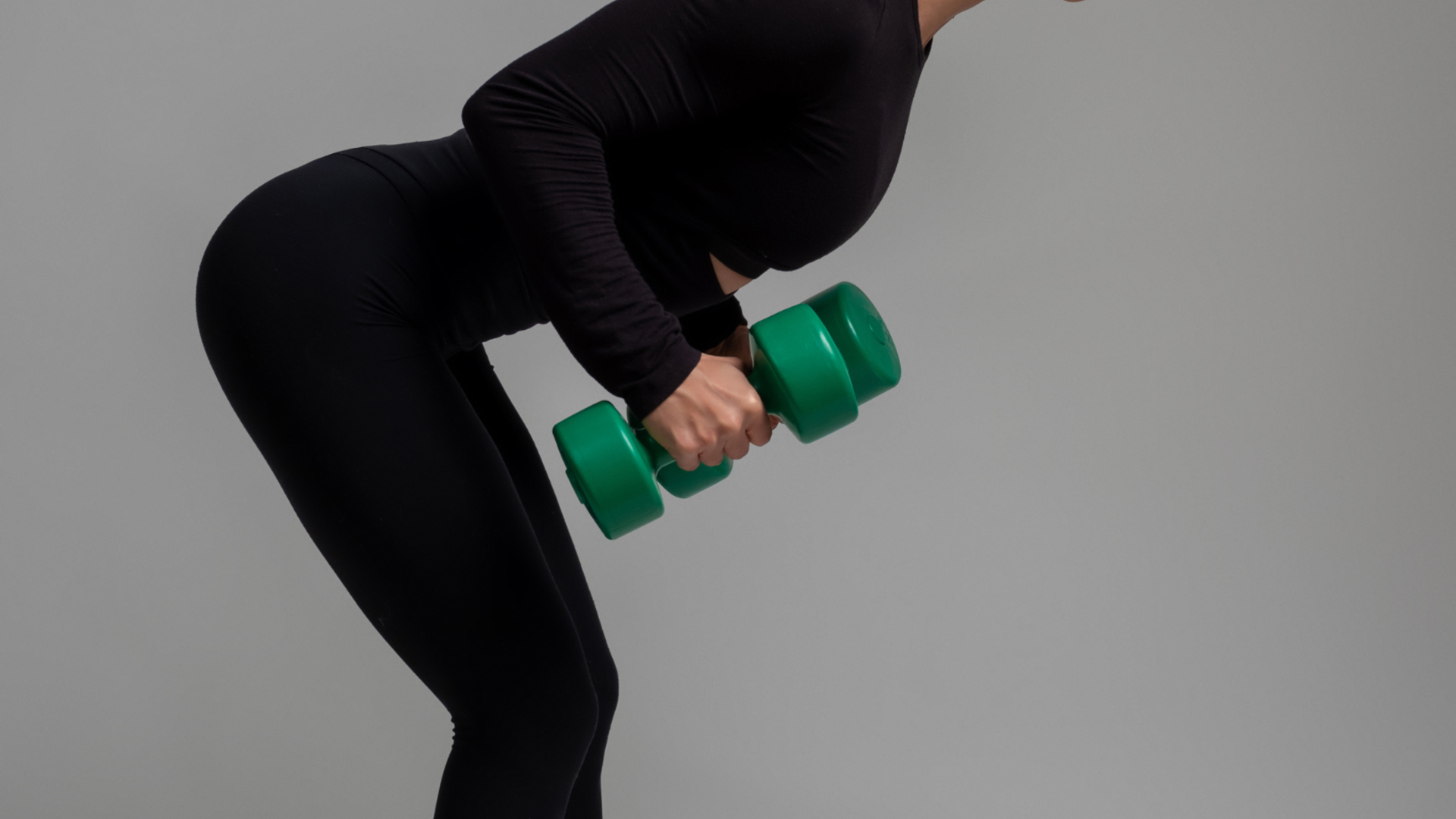
This classic tricep exercise isolates the muscle well, provided it is performed with precision. The most common mistake is using momentum instead of muscular control. To avoid that, use a lighter weight and focus on perfecting your form.
Begin in a bent-over position with a flat back. Keep your elbows high and stationary as you extend your arms behind you, then return slowly to the start. The movement is small but powerful. If your upper arm drops or swings, you’re taking tension off the triceps.
Aim for three sets of 12–15 reps. Use a mirror or record yourself to check elbow placement. The triceps should stay engaged the entire time. No part of this move should feel passive or loose.
Some people like to rest one hand on a bench or surface for stability, especially when starting out. That’s fine, as long as you don’t rely on it too much or twist your body. The movement should stay clean and symmetrical.
With regular practice, kickbacks become one of those go-to exercises that feel reliable and efficient. They're a staple in many of our in-home client sessions because they work, and they’re easy to adjust as you get stronger.
3. Dumbbell Skull Crushers
Despite the intimidating name, skull crushers are a staple tricep move for a reason. They target the long head of the triceps and allow for consistent progression when done correctly.
You’ll start by lying on the floor or a bench, dumbbells in hand. Lower the weights toward your forehead, bending only at the elbows, and then extend your arms back to the starting position. Keep your upper arms perpendicular to the floor and avoid flaring the elbows too wide.
Use moderate weight and keep the reps in the 8–10 range for starters. The movement should be smooth and controlled. Remember, this is not a speed drill. Any bouncing or jerking indicates that the load is too heavy or the range is too large.
You can also make small changes to target different parts of the triceps. Lowering the dumbbells slightly behind your head instead of directly above can change the angle and increase the stretch, which many people find more effective.
Over time, this movement builds not just strength but stability through the elbow joint. It’s a smart addition to any upper body routine and works especially well when paired with compound pressing exercises.
How In-Home Personal Training Can Improve Tricep Training
One of the biggest hurdles with home workouts is staying consistent and knowing what to focus on. That’s where structured support makes all the difference.
At Svetness, our in-home personal trainers work with clients who want real results, without the guesswork, without commuting, and without needing a full gym setup.
Personalised Workouts for Your Space and Goals
Svetness trainers design routines tailored to your home environment, available equipment, and personal goals.
That means tricep training isn’t just thrown into a general program. Instead, it’s adapted to your posture, strength level, and movement patterns. If you’ve been doing the same handful of exercises for months, a trainer can help refresh your routine and fix the weak links.
Real-Time Feedback and Coaching
Form matters, especially in isolation work like tricep exercises. Minor tweaks, like your elbow angle or wrist position, can completely change the effectiveness of a movement. In-home trainers guide you through those corrections in real time, which leads to faster progress and fewer setbacks.
Accountability Without Stress
One-on-one training adds structure to your week without adding pressure. You’re not left wondering what to do next or whether you’re doing it right. Your trainer handles the planning and adjusts based on how you’re feeling each session.
Focus on Long-Term Progress
Svetness trainers take the time to understand your starting point and gradually guide you toward long-term goals (e.g., improved tricep definition, enhanced push-up performance, or simply greater comfort in your shoulders and arms).
Final Thoughts
Building strong triceps at home isn’t complicated, but it does take consistency, proper form, and a plan that evolves with you.
The right combination of dumbbell exercises can build serious strength without requiring machines or bulky equipment. Focus on controlled movement, steady progression, and enough volume to challenge the muscles over time.
If your goal is to feel stronger in daily life, reduce joint discomfort, or finally get through those bodyweight exercises with confidence, tricep training deserves a spot in your routine.
Dumbbells are one of the most versatile tools for home workouts, and triceps respond well to moderate loads and clean reps. Keep checking in on your form, make small adjustments where needed, and give each movement the attention it deserves.
And if you're ready to take your training further or want expert help refining your form and structure, working with a personal trainer at home can provide the focus and feedback needed to reach your goals in a fraction of the time.
FAQs
How often should I train my triceps at home?
Triceps can be trained two to three times per week, depending on your overall routine and recovery. They recover fairly quickly, especially if you’re using moderate loads. Aim to give them at least 48 hours between sessions and adjust based on soreness and fatigue.
Can I train triceps without dumbbells?
Yes, but results may take longer to appear. Bodyweight movements, such as close-grip push-ups or tricep dips, can build strength, but using dumbbells allows for more targeted control and progression.
How do I know if I’m using the right weight?
You should feel muscle fatigue by the last few reps of each set, but without losing form. If you’re swinging the weights, using momentum, or cutting your range short, the load is probably too heavy. If it feels too easy and you're not challenged by the end of the set, increase gradually.
What if I don’t feel my triceps working?
This usually comes down to form. Elbow placement, range of motion, and tempo all affect how well the triceps are activated. Slowing down, watching your alignment, and reducing weight can help re-engage the right muscles. If you're still unsure, consider a session with a personal trainer for guidance.
Start your Svetness journey today
Get a free consultation and see how our trainers can transform your wellness journey.