Svetness Photos Show What In-Home Personal Training Really Looks Like

Svetness photos reveal the part most people never picture: real workouts in living rooms, garages, parks, and small spaces.
Many people picture personal training in a busy gym. They see loud weight rooms and crowded machines. Mirrors cover every wall. People seem to know exactly what they are doing. For someone new, returning, or unsure about their fitness level, that image feels intimidating.
In-home personal training looks different. It is more personal, more flexible, and often much simpler than people expect. A session might take place in a living room, an apartment gym, a garage, a backyard, or a local park. Svetness workout plans might use bodyweight exercises, resistance bands, dumbbells, a mat, or equipment that the trainer brings. The space does not need to look perfect. It needs to give you room to move safely.
That is why Svetness photos help people who are curious about training at home. They show what a real session looks like. There is no stage. No crowded gym floor. You do not need a full home gym before starting, only a personal trainer that comes to your home.
Start your Svetness journey today
Get a free consultation and see how our trainers can transform your wellness journey.
What Svetness Photos Reveal About Training at Home
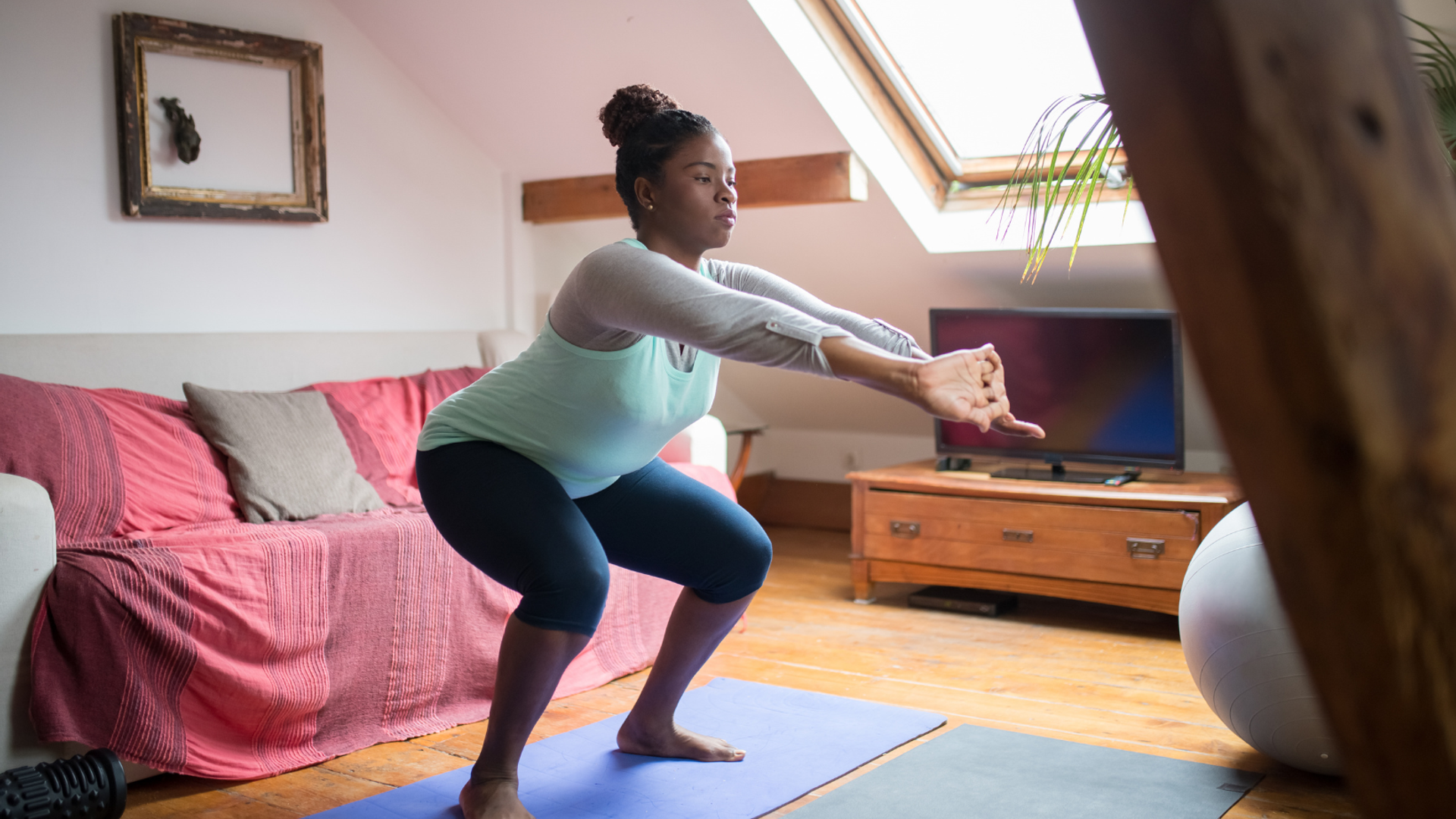
Svetness photos often reveal what people don't expect: in-home training looks normal, comfortable, and approachable. The setting is a clean living room corner, a small apartment gym, a driveway, or a grass patch. The trainer guides the session, not judging the space.
Many people delay starting fitness until they think conditions are perfect. They wait to have equipment. They wait until they feel confident. They wait until life slows down. In-home training removes many barriers by bringing structure into your current space.
A workout does not need a huge room. Many strength exercises can be done on a yoga mat. Squats, lunges, planks, push-ups, glute bridges, dead bugs, and resistance-band movements can all fit into small spaces. If more room is available, the trainer can add walking drills, cardio intervals, or larger movement patterns.
Svetness photos also help people understand the experience's tone. In-home personal training is focused, supportive, and guided. The trainer watches how you move, explains each exercise, and adjusts the workout to your level. The goal is to help you feel capable, not overwhelmed.
What a Typical Svetness Session Looks Like
A Svetness session usually begins with a check-in. Your trainer may ask how you are feeling, how you slept, whether you have any soreness, and if anything has changed since your last workout. These questions are part of good coaching because your body can feel different from one session to the next.
The warm-up comes next. This may include light cardio, mobility work, bodyweight movements, or dynamic stretches. A warm-up helps your body prepare for training and gives your trainer a chance to see how you are moving that day.
The main workout depends on your goals: strength, weight loss, balance, mobility, endurance, or confidence. Sessions can include squats, rows, presses, core work, step-ups, band exercises, or cardio intervals. Your trainer explains the instructions, watches form, and adjusts the intensity based on your ability.
A beginner may work on basic movements at a slower pace. Someone with more experience may use harder variations, heavier resistance, or shorter rest periods. A client returning after an injury may need a gentler plan with careful modifications.
The session often ends with a cooldown. This might be stretching, breathing, or recovery tips. Your trainer may talk through what went well, what needs work, and what to focus on next.
The Spaces Used for In-Home Personal Training
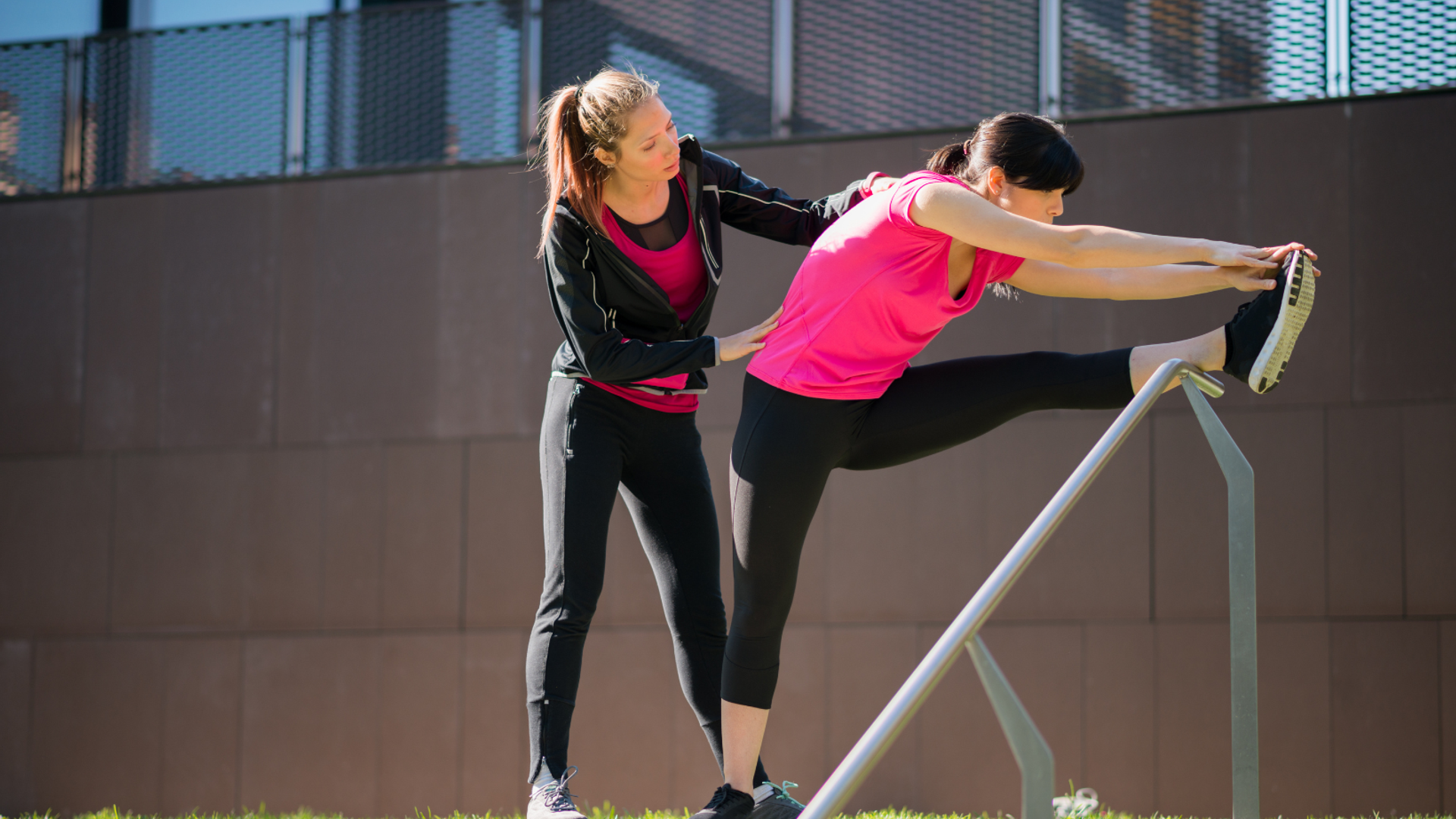
Before starting, people often ask if they have enough space. Usually, yes.
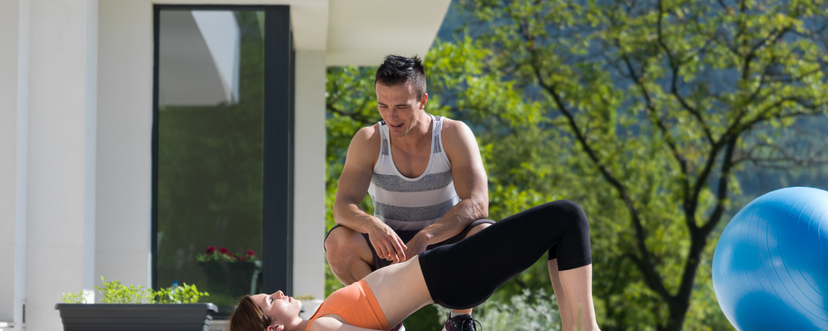
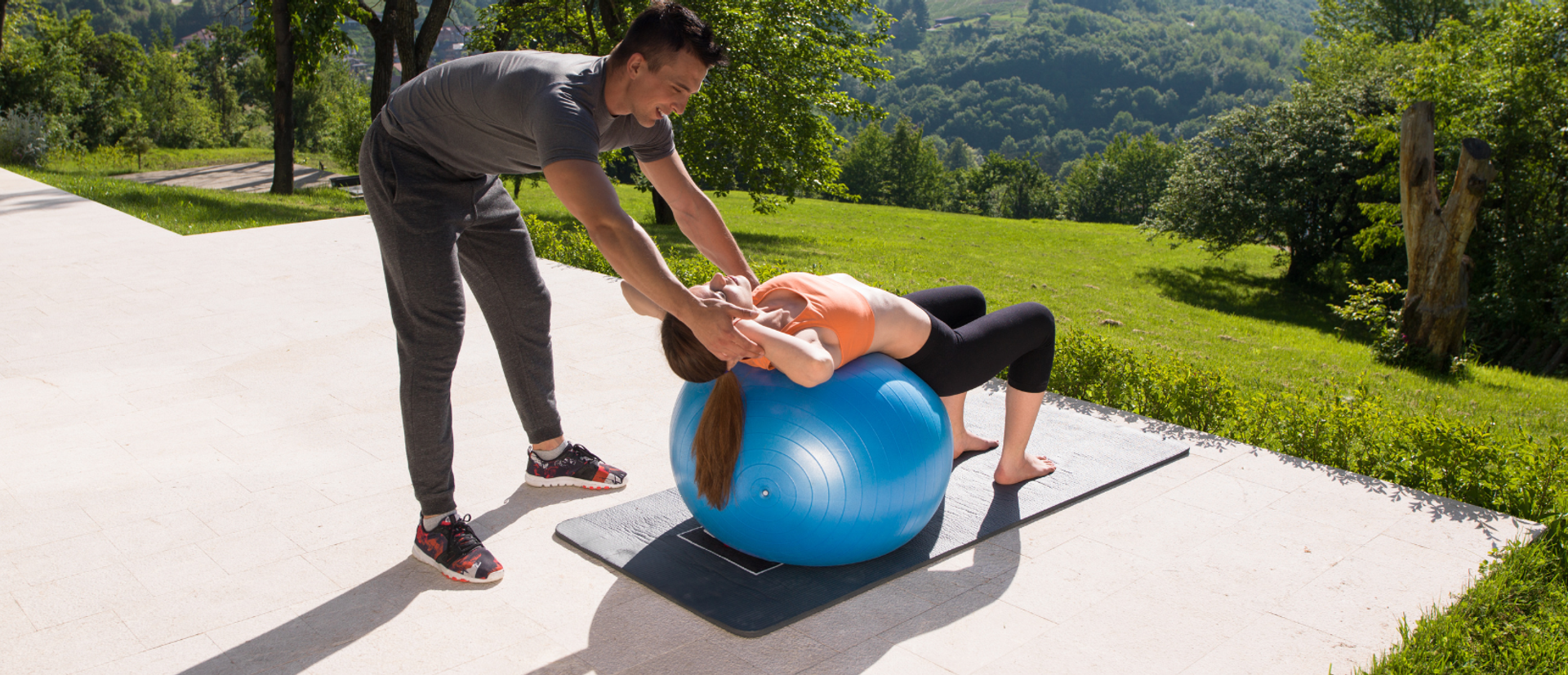
Svetness trainers work in many places. A living room is good for strength and core work. A garage is useful for resistance training or circuits. A backyard works for movement drills, cardio, and bodyweight exercises. An apartment gym adds access to dumbbells, cables, treadmills, or benches. A local park offers more space and fresh air.
Small spaces still allow strong workouts. If you can lie down, stand, step forward, and extend your arms, there are options. Trainers select exercises to suit the space.
Some clients train in the same spot, others move based on weather, privacy, schedule, or equipment. This flexibility is why many choose in-home training.
Our Svetness photos make this easy to picture. They show that real training spaces are not always magazine-style home gyms. They look like real homes, apartments, outdoor spaces, and people who fit fitness into their lives.
The Equipment You May See in a Session
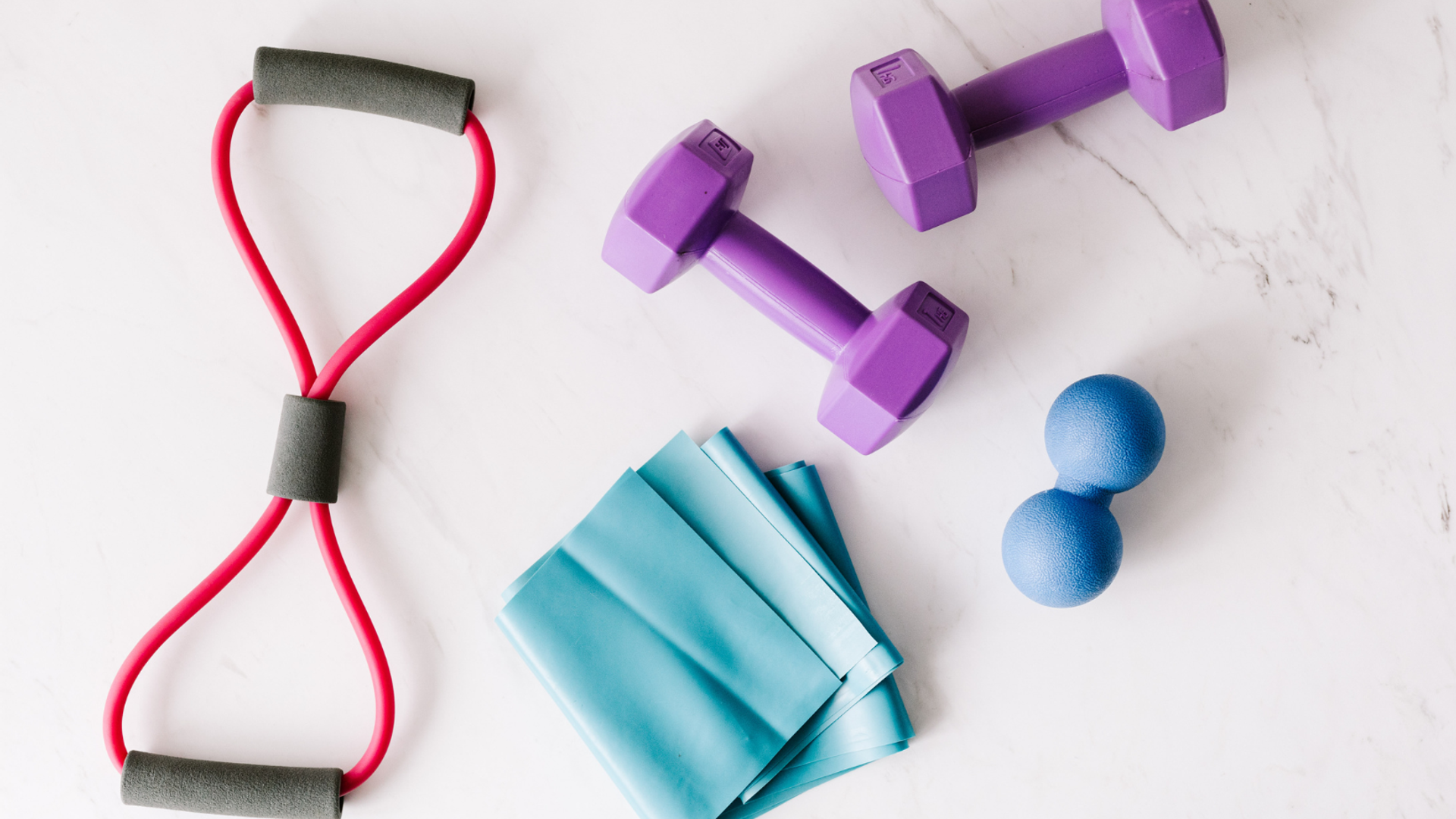
In-home training requires little equipment, especially at first. Trainers build effective sessions with bodyweight moves and simple tools.
Common equipment may be a mat, resistance bands, dumbbells, kettlebells, medicine balls, sliders, or a suspension trainer. Some trainers bring portable equipment based on your plan. If you already have equipment, your trainer can show you how to use it.
Many clients are surprised by how challenging simple equipment can feel. A resistance band can train the back, shoulders, glutes, and core. A pair of dumbbells can support full-body strength training. A mat can make the floor work more comfortably. A sturdy chair or step can be used for step-ups, incline push-ups, or supported balance work.
Equipment should support the plan, not overcomplicate. Trainers choose tools based on their goals, ability, safety, and space.
What Your First Session May Feel Like
It can be hard to know what to expect from your first session. Your first session often feels different from later workouts. It is partly about movement and partly about understanding you.
Your trainer may ask about your fitness history, current routine, injuries, medical considerations, schedule, goals, and comfort level. These details help shape your training plan. If you are nervous, say so. A good trainer will meet you where you are.
The first session's physical part may include light exercises and checks. Your trainer might look at how you squat, hinge, press, balance, or move through basic patterns. This helps them see what feels good, what needs support, and which exercises make sense for you.
You should not feel like you are being tested or judged. The first session is a starting point. It gives your trainer the information needed to build a safe, realistic, and personal plan.
For many, the first session is also a relief. The experience is often less intimidating than expected. The trainer explains the process, answers questions, and makes the workout manageable.
Why In-Home Training Feels Different From the Gym
Training at home changes how you feel about exercise. Privacy helps; many are more comfortable trying new moves without being watched.
Time matters. Gym workouts also mean driving, parking, waiting, and returning home. In-home training removes much of that friction. When trainers come to you, sessions fit busy schedules.
Consistency becomes easier when the workout is built around your space and schedule. You do not have to find the energy to leave the house after a long day. You do not have to plan around gym traffic. Your trainer arrives with a plan, so your focus stays on the session.
In-home training offers personal accountability. The trainer knows your goals, barriers, and progress, making it easier to stay on track.
Svetness photos show that the difference isn't a perfect scene. They reflect personal training shaped by clients' real lives.
Start your Svetness journey today
Get a free consultation and see how our trainers can transform your wellness journey.
How Trainers Adapt the Workout to You
Strong in-home sessions aren't random routines. Trainers adapt plans to your goals, ability, space, equipment, and how you feel that day.
If an exercise feels too difficult, your trainer can provide a modification. A floor push-up can be performed as an incline push-up. A jump squat can be performed as a controlled bodyweight squat. A plank can be shortened or adjusted. If something feels too easy, your trainer can increase the challenge by adjusting tempo, resistance, reps, or to a harder variation.
This flexibility helps beginners and experienced clients. Beginners need confidence and clear instruction. They need safe progressions. Experienced clients may want stronger programming, better form coaching, and more progression.
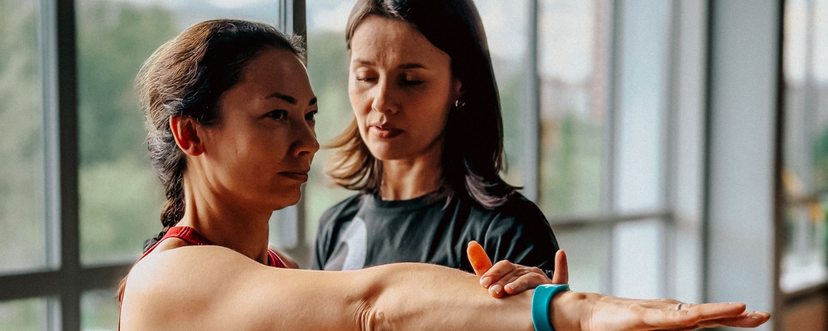
A trainer also watches for details that are easy to miss on their own. Knee position, posture, breathing, range of motion, and control can all affect how an exercise feels and how well it works. Real-time feedback helps you improve while you train.
How to Prepare for Your First Svetness Session
Preparation should feel simple. Wear comfortable workout clothes and supportive shoes if your trainer recommends them. Keep water nearby. Clear a small area where you can move without bumping into furniture. Have a towel or mat available if you have one.
Be honest with your trainer about how you feel. If you are tired, sore, nervous, or dealing with discomfort, say so before the workout begins. Your trainer can adjust the session.
You do not need to impress anyone. You do not need to be fit before hiring a trainer. You do not need to know every exercise. The point of personal training is to get guidance that fits your starting place.
If you have equipment, show your trainer what you own. If you do not, that is fine. Your trainer can build the session around bodyweight exercises, portable tools, or equipment they bring.
What Clients Often Notice First
Many clients notice how personal the experience feels. Instead of trying to keep up with a crowded class or copy an online workout, they get direct instruction. The trainer can slow down, explain, correct, and encourage.
Clients also notice how much can be done in a short session. A focused 45 or 60 minutes can include warm-up, strength work, cardio, core training, and cooldown without wasted time.
Confidence is another early change. Once clients see that they can train in their own space, the process feels less intimidating. They start to understand that fitness does not require a perfect setup. It requires guidance, consistency, and a plan they can repeat.
That is the story many Svetness photos tell. They show training that feels real, personal, and possible.
Picture a Training Routine That Fits Your Life
Svetness photos can help people see what in-home training really looks like, but the bigger picture is how the experience feels. It is personal, flexible, and built around your goals.
You do not need a crowded gym or a perfect home setup to begin. You need a safe space to move, a plan that matches your ability, and support that helps you stay consistent.
If you are ready to see how personal training can fit into your home, schedule a consultation with Svetness today.
FAQs
Do I Need Equipment Before Starting With Svetness?
No. Many clients start with bodyweight exercises and portable tools. If you have equipment, your trainer can use it. If you do not, your trainer can still build a strong session.
How Much Space Do I Need for In-Home Training?
Most clients need enough space to lie down, stand up, and move their arms and legs freely. A living room, bedroom, garage, backyard, or apartment gym can work.
What Should I Wear for a Svetness Session?
Wear comfortable clothes that allow you to move. Supportive shoes are helpful for many workouts, especially if the session includes standing strength exercises or cardio.
What If I Feel Embarrassed About My Fitness Level?
That feeling is common, especially for beginners or people returning after a break. Your trainer is there to support you, not judge you. Training at home can also make the experience feel more private and comfortable.
Can Svetness Training Happen Outside?
Yes. Many clients train in a backyard, a park, a driveway, or another outdoor space. Outdoor sessions can work well when the weather and location are safe.
What Happens If an Exercise Feels Too Hard?
Your trainer can adjust the exercise. They may change the range of motion, reduce impact, lower resistance, slow the pace, or choose a different movement.
Start your Svetness journey today
Get a free consultation and see how our trainers can transform your wellness journey.