Personal Trainer for Weight Loss at Home: What Works Best

Looking for a personal trainer for weight loss at home? See how home coaching supports strength, habits, food choices, and progress.
A personal trainer for weight loss can help home workouts feel less random and far easier to keep. Weight loss at home works best when the plan goes beyond a few sweaty sessions in the living room. You need strength training that suits your body, daily movement that fits your schedule, food habits you can repeat, and progress checks that do not rely on the scale alone.
Home training can be especially useful if gyms feel uncomfortable, travel time gets in the way, or your schedule changes often. Your trainer can work with the space you have, bring portable equipment, and build sessions around your current ability. That could mean bodyweight strength, resistance bands, dumbbells, low-impact conditioning, mobility work, or a mix of all of these.
The goal is not to chase punishing workouts or extreme food rules. Strong home-based weight loss coaching should help you build a routine you can return to week after week. The best results usually come from simple habits repeated well, with enough structure to keep you moving and enough flexibility to keep the plan realistic.
Start your Svetness journey today
Get a free consultation and see how our trainers can transform your wellness journey.
What Works Best With a Personal Trainer for Weight Loss at Home?
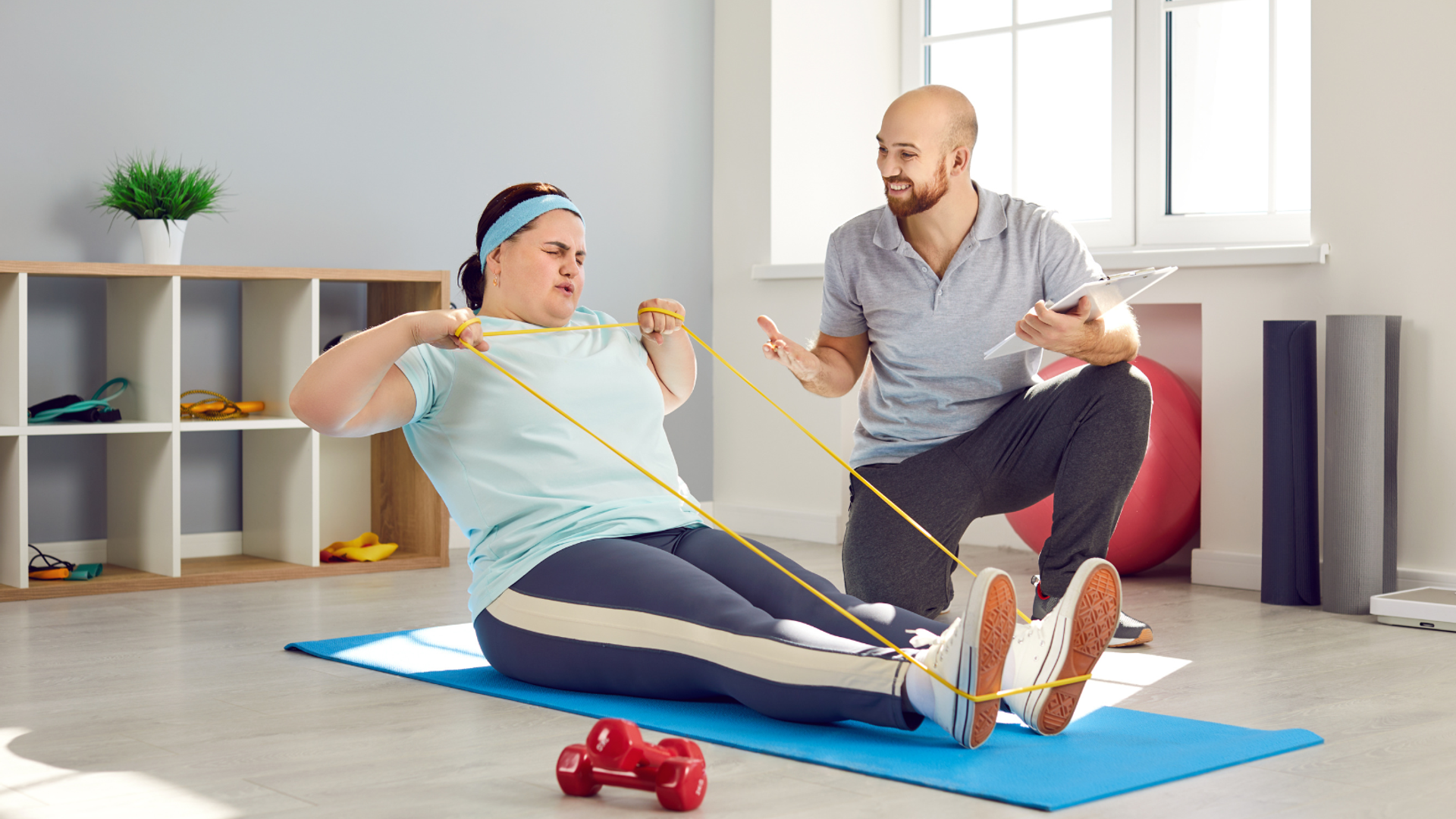
A personal trainer for weight loss at home works best when the plan combines structured strength training, realistic nutrition habits, daily movement, and regular progress reviews. The trainer should adapt workouts to your space, fitness level, schedule, and any physical limits.
The most useful plan usually includes:
- Strength training two or more times per week
- Low-impact conditioning that fits your current fitness level
- More daily movement outside formal workouts
- Simple food habits built around protein, fiber, hydration, and routine
- Progress checks using energy, strength, measurements, clothes fit, and consistency
- Exercise adjustments when soreness, stress, or schedule changes get in the way
That combination gives weight loss a stronger base than short bursts of effort followed by burnout.
Why Home Training Can Help Weight Loss Stick
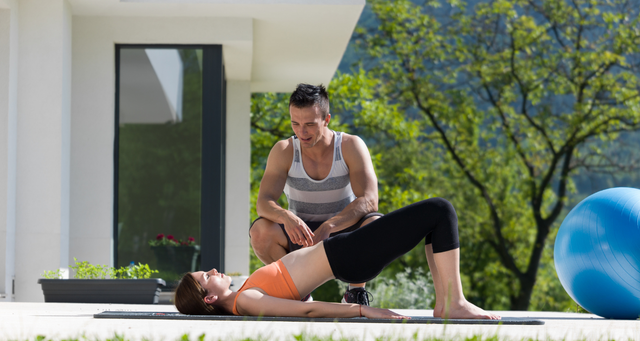
Home training removes several barriers that often interrupt weight loss plans. You do not need to drive to a gym, wait for equipment, work out around strangers, or reshape your evening around a class timetable. The session can happen in your living room, spare room, garage, apartment gym, backyard, or another suitable space.
That convenience can make consistency easier. A trainer arriving at your home also adds accountability. It is harder to talk yourself out of a session when the appointment is already built into your day.
Privacy helps too. Many clients feel more comfortable practicing new exercises away from a crowded gym floor. A private setting gives you room to ask questions, work on form, and build confidence without feeling rushed.
Our article on the benefits of personal training at home explains how home-based coaching can support people who want a more flexible way to train.
Strength Training Should Be the Base
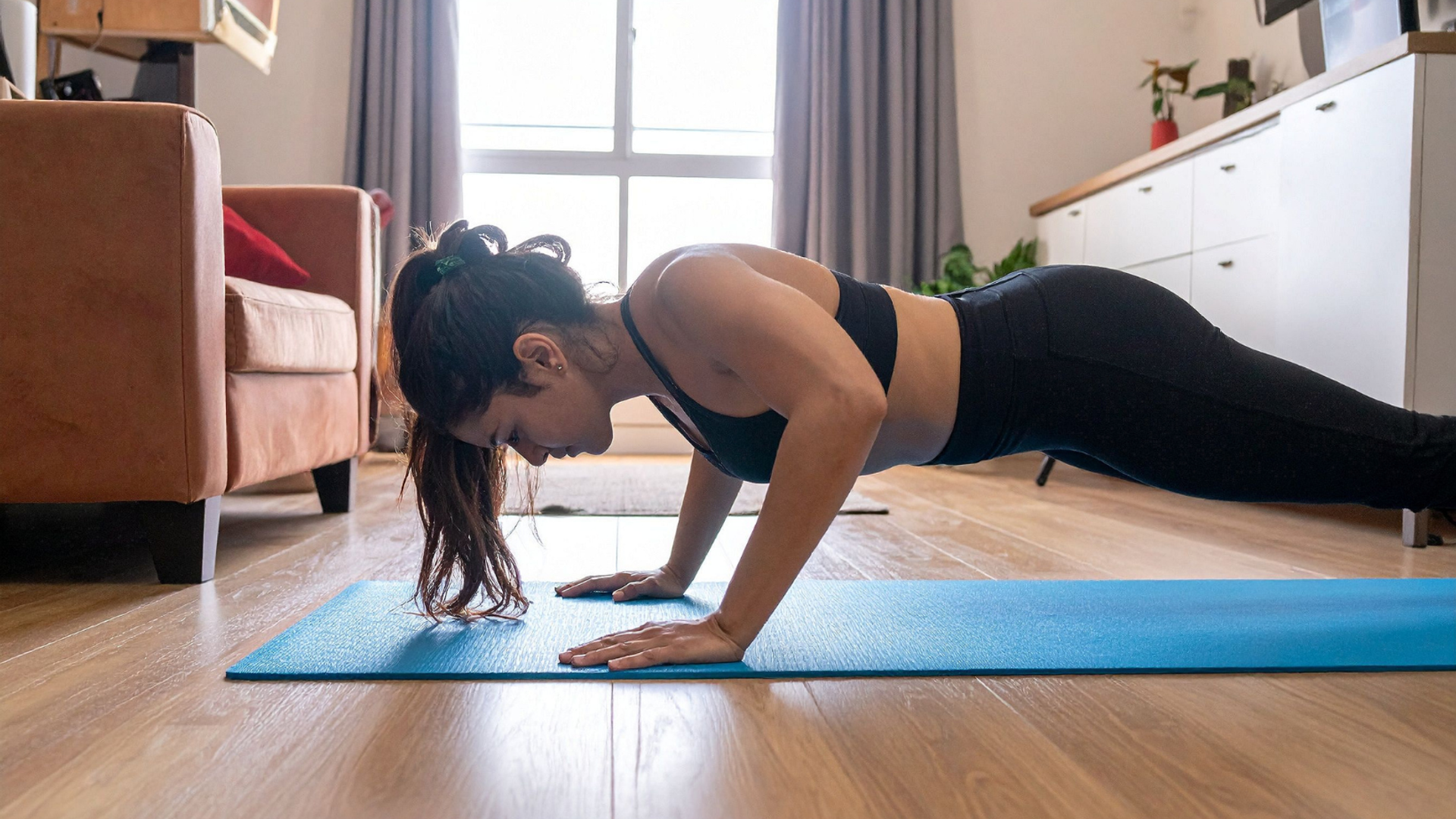
Weight loss programs often focus too much on cardio and too little on strength. Cardio can be useful, but strength training helps preserve and build muscle while you lose weight. That can support better movement, better posture, and a stronger body for daily life.
At home, strength training can be simple and effective. Your trainer may use squats, step-ups, hip hinges, rows, presses, carries, planks, glute bridges, and controlled lunges. Equipment may include dumbbells, bands, kettlebells, or bodyweight variations.
The plan should progress over time. Your trainer may adjust reps, sets, tempo, rest, range of motion, or resistance. Small increases can create steady challenge without making every workout feel extreme.
A personal trainer for weight loss should also protect your form. Better technique helps you train with confidence and reduces the chance that a small movement issue turns into a painful setback.
Conditioning Should Match Your Current Fitness Level
Conditioning can support weight loss, heart health, and stamina, but the style should fit your starting point. A beginner does not need high-impact intervals on day one. A client with knee discomfort may need low-impact conditioning. A busy parent may need short circuits that fit into a smaller window.
Home conditioning can include marching intervals, step-ups, low-impact circuits, incline walking, bike work if you have access to a bike, shadow boxing, or strength-based circuits with controlled rest periods.
The right intensity should challenge you without leaving you wiped out for days. Soreness, fatigue, stress, and sleep can all affect how hard a session should be. A trainer can adjust the day’s workout while still keeping the overall plan moving.
Weight loss training should create a rhythm you can repeat. Exhaustion is not the same as progress.
Start your Svetness journey today
Get a free consultation and see how our trainers can transform your wellness journey.
Food Habits Need to Be Practical

Exercise helps, but food habits play a major role in weight loss. A personal trainer can often support general nutrition habits, while medical nutrition needs should be handled by a licensed professional.
Good home-based weight loss coaching may include simple discussions about routine. That could mean planning protein at meals, adding more fiber-rich foods, drinking enough water, reducing mindless snacking, or preparing easy options for busy days.
The best food plan is one you can live with. Extreme restriction can backfire by increasing cravings, lowering energy, and making workouts feel harder than they need to.
A trainer should help you connect nutrition to performance and recovery. If you feel drained, dizzy, or constantly hungry, the plan needs a closer look. Sustainable weight loss depends on repeatable choices, not punishment.
Daily Movement Fills the Gaps Between Sessions
Formal workouts are only part of the week. Daily movement can help support weight loss without turning every day into a hard training day.
Your trainer may help you look at simple ways to move more. That could include short walks, standing breaks, household tasks, light mobility, stairs, or a short movement snack between meetings.
This is where home training can blend naturally into your routine. A trainer can suggest small movement habits that fit your actual day instead of asking you to overhaul everything at once.
Those small additions can build confidence too. When movement becomes part of normal life, the full plan feels less fragile. A missed workout does not have to derail the week if your daily routine still includes activity.
Custom Programming Beats Guesswork
Many people trying to lose weight at home bounce between random online workouts. One day is a hard cardio video. The next is abs. The next is a challenge that does not match their body or fitness level.
A custom plan gives the week a purpose. Your trainer can decide which movements to repeat, which ones to progress, which ones to replace, and when your body needs a lighter day.
Our guide to custom workout plans vs generic fitness programs explains how individualized planning can help when standard routines do not fit your goals, space, or starting point.
Personalization is especially useful if you have past injuries, limited equipment, low confidence, or a busy schedule. The plan should feel specific enough that you understand why each session is there.
Progress Should Be Reviewed in More Than One Way
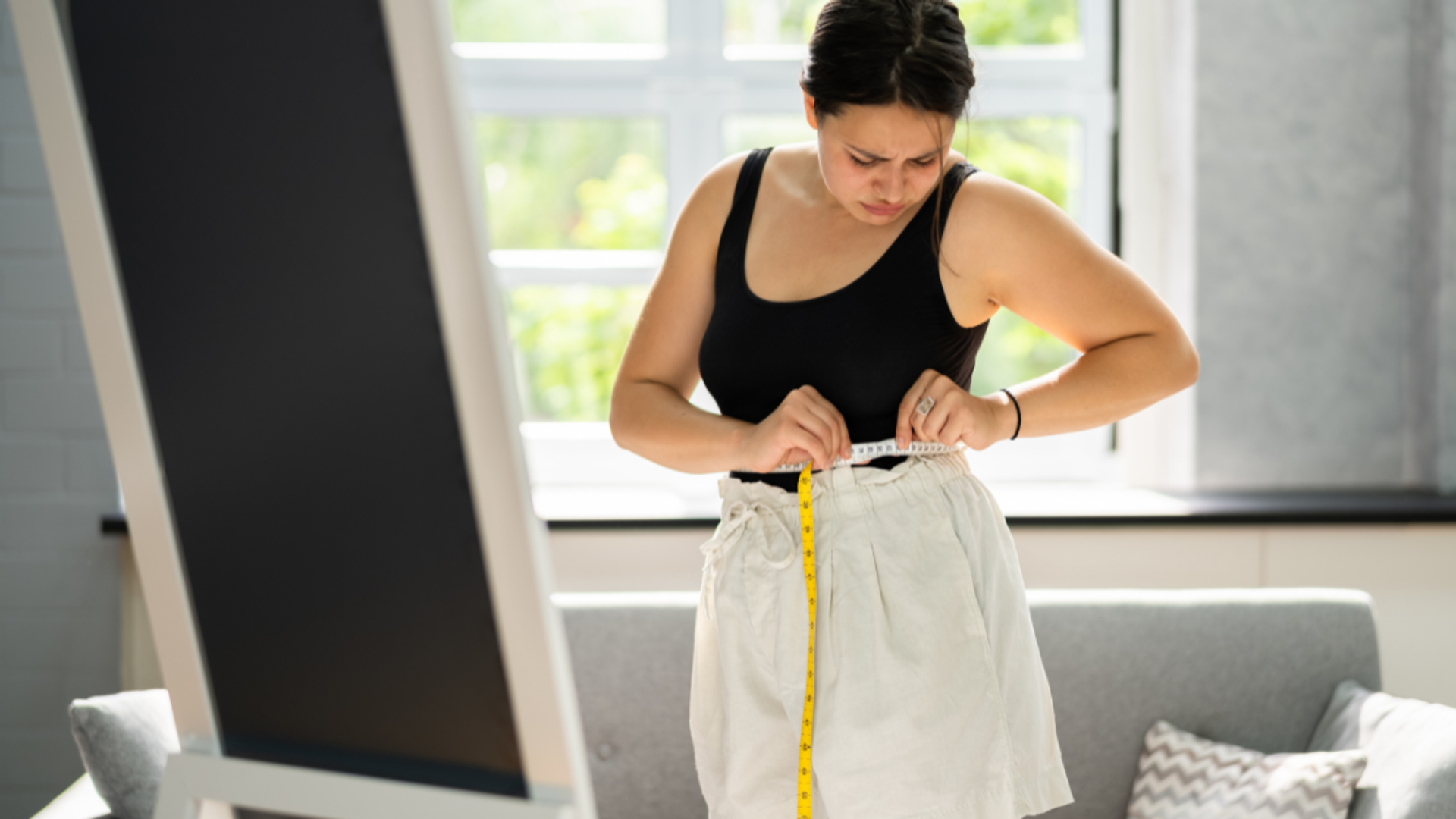
The scale can be useful, but it does not tell the whole story. Strength, stamina, waist measurements, energy, sleep, consistency, clothing fit, mood, and confidence can all show meaningful progress.
A trainer can help you review these signs without turning the process into a daily judgment. Weekly or biweekly check-ins can show what is working and where the plan needs adjustment.
Progress reviews also help prevent plateaus. If strength is improving but energy is low, recovery may need attention. If workouts are consistent but food habits feel chaotic, the next focus may be meal structure. If motivation drops, the plan may need a simpler path for the week ahead.
Weight loss works better when the plan can respond to real life.
When Medical Guidance Should Be Part of the Plan
Personal training can support exercise, habits, and accountability, but it does not replace medical care. Some situations call for a licensed healthcare professional before or alongside training.
That includes unexplained pain, chest discomfort, dizziness, fainting, recent surgery, pregnancy-related concerns, heart conditions, metabolic conditions, eating disorder history, or symptoms that worry you.
A responsible trainer should respect those limits. They can adapt exercise and support movement, but they should not diagnose, treat injuries, prescribe medical diets, or promise health outcomes outside their scope.
Safe weight loss coaching works best when the right professionals are involved at the right time.
Find a Personal Trainer for Weight Loss With Svetness
Home-based weight loss works best when the plan is structured, realistic, and built around the person doing it. Strength training, daily movement, practical food habits, and regular progress reviews can all work together when your trainer helps you stay consistent.
At Svetness, we match clients with certified trainers who bring coaching to homes, apartment gyms, outdoor spaces, and other suitable locations. If you want a personal trainer for weight loss who can help you train at home with more clarity and support, we can help you take the next step.
Book Your Free Svetness Consultation
FAQs
Can a personal trainer help with weight loss at home?
Yes. A trainer can build home workouts around strength, conditioning, mobility, and daily activity while helping you stay accountable. They can also support general habit changes that make the plan easier to keep.
What type of exercise works best for weight loss at home?
A mix of strength training, low-impact conditioning, and daily movement often works well. The right balance depends on your fitness level, schedule, equipment, and any physical limits.
Do I need equipment for home weight loss training?
No. Many sessions can begin with bodyweight movements and portable equipment your trainer brings. Dumbbells, bands, mats, and kettlebells may be useful as you progress.
How often should I train for weight loss?
Many clients train with a coach one to three times per week and add independent movement between sessions. The best schedule is one you can maintain without burning out.
Should I follow a strict diet with weight loss training?
Strict diets are often hard to maintain. A better approach is to build repeatable habits around protein, fiber, hydration, meal timing, and portion awareness. Medical nutrition needs should be handled by a licensed professional.
Start your Svetness journey today
Get a free consultation and see how our trainers can transform your wellness journey.