Personal Trainer Dallas: How to Find the Right Coach

Svetness covers how to find the right personal trainer in Dallas, including credentials, coaching style, safety, and schedule fit.
A personal trainer in Dallas should make your fitness routine clearer, safer, and easier to maintain. The right coach can help you understand your goals, train with better form, build strength at a realistic pace, and stay consistent through busy workweeks, family commitments, hot Texas afternoons, and the normal interruptions that throw people off track.
The search can feel harder than expected because many trainers look similar online. Photos, short bios, and bold claims do not always show how someone coaches in real life. You need to know how they assess new clients, how they communicate, how they handle pain or limitations, and how they adapt sessions when your schedule or energy changes.
Choosing a personal trainer in Dallas should come down to fit. Credentials matter. Safety matters. Personality matters. Location and scheduling matter too. A coach may have strong experience, but the partnership still needs to feel workable in your weekly routine. The goal is to find someone who can help you build a routine you can return to again and again.
Start your Svetness journey today
Get a free consultation and see how our trainers can transform your wellness journey.
How to Tell if a Trainer in Dallas Is Worth Your Time
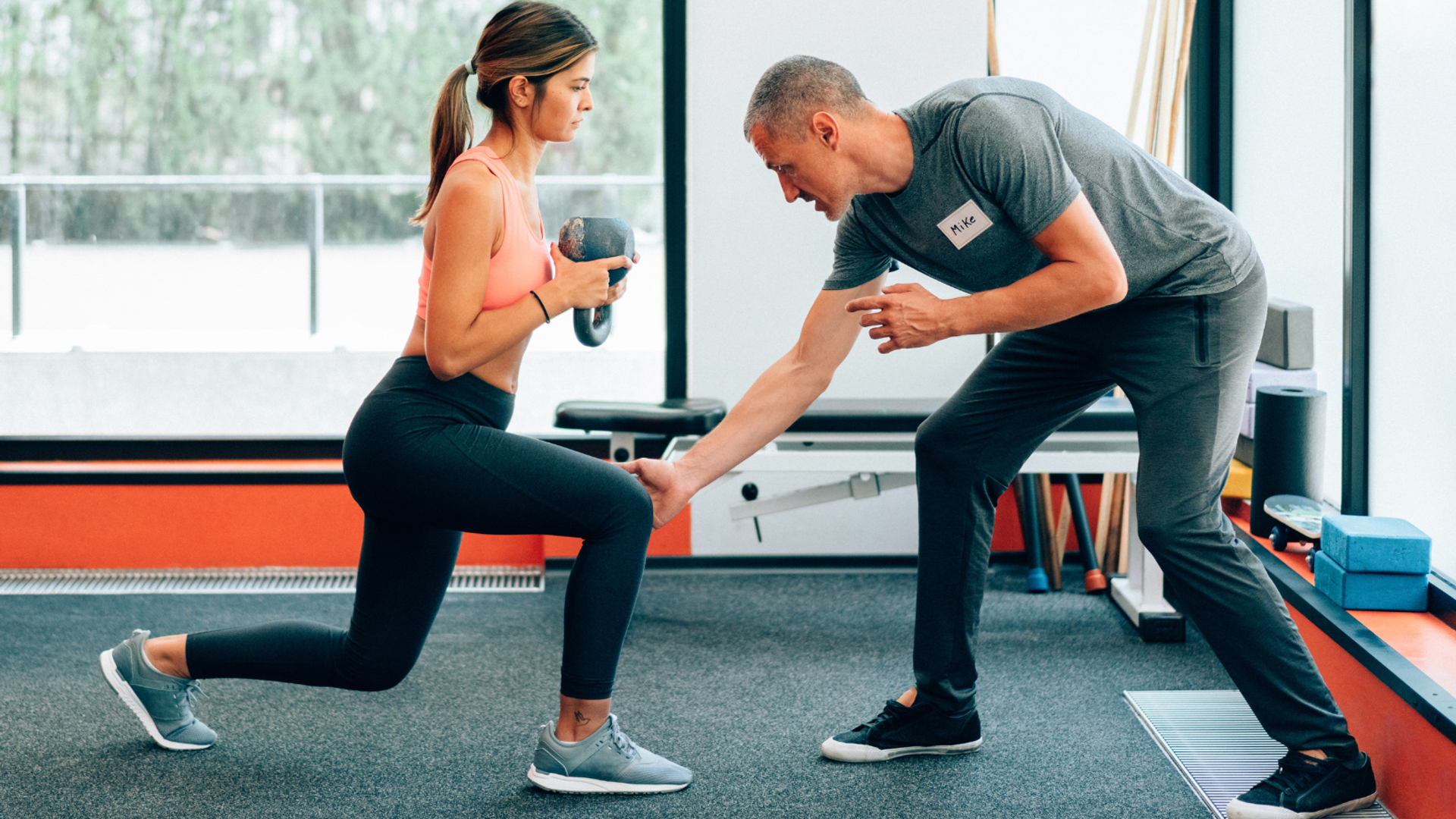
The right coach should be qualified, clear, adaptable, and realistic about your life. A good first conversation should leave you with a better sense of what training will look like, how progress will be measured, and how the plan will account for your body.
Look for signs such as:
- Current certification and CPR/AED training
- Questions about your goals, health history, pain, and current activity level
- Clear exercise cues and patient form corrections
- Reliable session times that fit your week
- A plan that changes as you improve
- Straight answers about pricing, policies, and what support includes
Be cautious if the trainer gives vague answers about credentials, jumps straight into hard exercise, dismisses discomfort, seems distracted during the session, or uses the same routine for every client.
Check Credentials Without Getting Lost in Acronyms
A trainer’s certification should be easy to explain. You do not need to know every fitness organization by heart, but you should ask who certified them, whether the certification is current, and whether they maintain CPR/AED training.
Recognized fitness certifications often cover anatomy, exercise programming, basic physiology, safety, and client assessment. That foundation matters because a coach is responsible for choosing exercises, adjusting intensity, and spotting movement problems before they become setbacks.
Experience matters too. A trainer may be certified but still be new to the kind of support you need. Someone focused on bodybuilding may not be the right match for a client rebuilding strength after years away. A coach who works often with beginners, older adults, weight loss clients, or strength-focused clients may be better suited to those goals.
Our guide on how to find a personal trainer can help you think through the questions worth asking before you commit.
Make Sure the Coach Understands Your Goal

A good coach should ask what you want, then keep asking until the goal becomes specific enough to guide the plan.
“I want to get in shape” is a useful opening, but it leaves too much room for guessing. Getting in shape may mean losing weight, lifting heavier, improving balance, moving without pain, building endurance, increasing energy, or feeling more confident in daily life.
Your trainer should connect your goal to the way you live. A parent with limited time may need efficient full-body sessions. A desk worker with tight hips and back discomfort may need mobility and strength work before harder conditioning. A client preparing for an event may need a different structure again.
The best coaching feels personal because it is built around your starting point, not the trainer’s favorite workout.
Ask About Similar Clients
During the consultation, ask whether the trainer has worked with people who share your goals or limitations. Their answer should feel specific. Listen for examples of how they adjusted sessions, tracked progress, and changed the plan over time.
A trainer does not need to share private client details. They should still be able to explain their experience clearly.
Talk About Past Attempts
Your past fitness attempts can help your trainer avoid repeating what failed. Tell them what you liked, what bored you, what hurt, and what made you stop.
That information helps the coach choose a plan that feels realistic instead of forcing you into a routine you already know does not suit you.
Look Closely at the First Assessment

The first assessment should help your trainer understand how your body moves. It should not feel like a punishment workout.
A thoughtful coach may ask about your health history, injuries, activity level, sleep, work routine, exercise confidence, and current limitations. They may also watch basic movements such as squats, hinges, reaches, balance drills, core control, or bodyweight exercises.
This process gives your trainer useful information. They can see how you control your knees, hips, spine, shoulders, and breathing. They can also spot areas where mobility, stability, or strength may need extra attention.
A clear assessment protects you from random programming. It gives the plan a starting point and helps the coach explain what should happen next.
Pay Attention to Communication and Personality
Coaching style can make a big difference. Some clients respond well to high-energy instruction. Others need calm explanations, a quieter pace, or more detail before they feel comfortable.
The right trainer should be able to correct your form without making you feel embarrassed. They should explain exercises in plain language and check how movements feel. They should listen when you describe discomfort, stress, low energy, or confusion.
A trial session can be useful here. Notice whether the coach is focused on you, prepared for the session, and able to adapt. Notice how you feel afterward too. You should feel supported and clear on what comes next.
Our article on what makes a good personal trainer explains the coaching qualities that tend to support better long-term consistency.
Match Training to Your Dallas Routine
Dallas routines can be busy. Work schedules, traffic, family commitments, and summer heat can all affect how easy training feels to keep up.
A trainer who comes to your home, apartment gym, outdoor space, or another suitable location can remove several barriers at once. You spend less time driving, avoid gym crowds, and train in a space that feels familiar.
Gym-based training can still work well for some people, especially if the location is close and the equipment fits the goal. The key is honesty about what your week can support. A strong plan on paper will not help much if the location creates friction every time.
Ask about session times, travel, cancellation rules, and rescheduling. A reliable training routine needs clear expectations on both sides.
Start your Svetness journey today
Get a free consultation and see how our trainers can transform your wellness journey.
Watch for Red Flags Before You Pay
Some concerns should make you pause. Be cautious if a trainer avoids questions about certification, skips the consultation, pressures you into a large package, or promises extreme results quickly.
Pain is another important signal. A trainer should take sharp or unusual discomfort seriously. They should adjust exercises and recommend medical guidance when needed. No coach should dismiss your health history or push a plan that ignores your current ability.
Poor attention during sessions is also a problem. If a trainer checks their phone often, chats with other people, or leaves you unsure what to do, the service may not be worth the cost.
Clear pricing and policies matter too. You should understand what is included, how scheduling works, and what happens if you need to reschedule.
Know What You Are Paying For
The cost of personal training should reflect more than the time spent exercising. You are paying for assessment, planning, coaching, progression, accountability, and support that fits your goals.
Ask what happens between sessions. Some trainers provide workout notes, habit guidance, progress check-ins, or plans for independent movement. Others focus only on the session itself.
Ask how progress will be measured. Depending on your goals, progress may include better strength, improved mobility, better energy, increased consistency, more confidence, or changes in body composition.
A good trainer should be able to explain the value of the service in simple terms. If the answer feels unclear, keep asking before you commit.
Find a Personal Trainer in Dallas with Svetness

The right coach should help training fit your life without making fitness feel like another source of pressure. That means choosing someone qualified, attentive, safe, and realistic about your goals and schedule.
At Svetness, we match clients with certified trainers who bring structured coaching to homes, apartment gyms, outdoor spaces, and other suitable locations. If you want a personal trainer in Dallas who can support your goals with a plan that fits your routine, we can help you take the next step.
Book Your Free Svetness Consultation
FAQs
How do I choose the right personal trainer in Dallas?
Look at certification, communication style, experience with your goals, training location, schedule fit, and how the trainer handles assessment. A consultation or trial session can help you judge the fit before committing.
What certifications should a personal trainer have?
Look for current certification from a reputable fitness organization and current CPR/AED training. Experience with your specific goal or limitation can also help.
What should happen during the first assessment?
The first assessment should include questions about your goals, health history, injuries, and current activity level. Your trainer may also check basic movement patterns before building the full plan.
Can a personal trainer come to my home in Dallas?
Yes. Svetness trainers can bring coaching to your home, apartment gym, outdoor space, or another suitable location. Portable equipment can be used when a full gym setup is not available.
How often should I meet with a personal trainer?
Many clients train one to three times per week, depending on goals, schedule, budget, and recovery. The best frequency is one you can maintain consistently.
Start your Svetness journey today
Get a free consultation and see how our trainers can transform your wellness journey.