Personal Trainer Austin: At-Home Training Options and Costs

Svetness covers at-home personal trainer options and costs in Austin, including space, equipment, scheduling, and pricing factors.
A personal trainer in Austin can make fitness easier to fit around work, family, traffic, heat, and the routines you already have at home. For many Austin residents, the hardest part of training is not the workout itself. It is driving across town, finding parking, arriving on time, waiting for equipment, and then getting back to the rest of the day.
At-home training removes many of those barriers. Your coach can come to your home, apartment gym, backyard, garage, or another suitable space with portable equipment and a plan built around your goals. That can make training feel more realistic if you work long hours, live in a busy household, prefer privacy, or want a routine that does not rely on a crowded gym.
Pricing for a personal trainer in Austin can vary, but the cost should reflect the full service: assessment, planning, coaching, travel, equipment, accountability, and support between sessions. Before you compare rates, look closely at what each option includes and how well the setup fits your life.
Start your Svetness journey today
Get a free consultation and see how our trainers can transform your wellness journey.
What At-Home Training in Austin Usually Includes
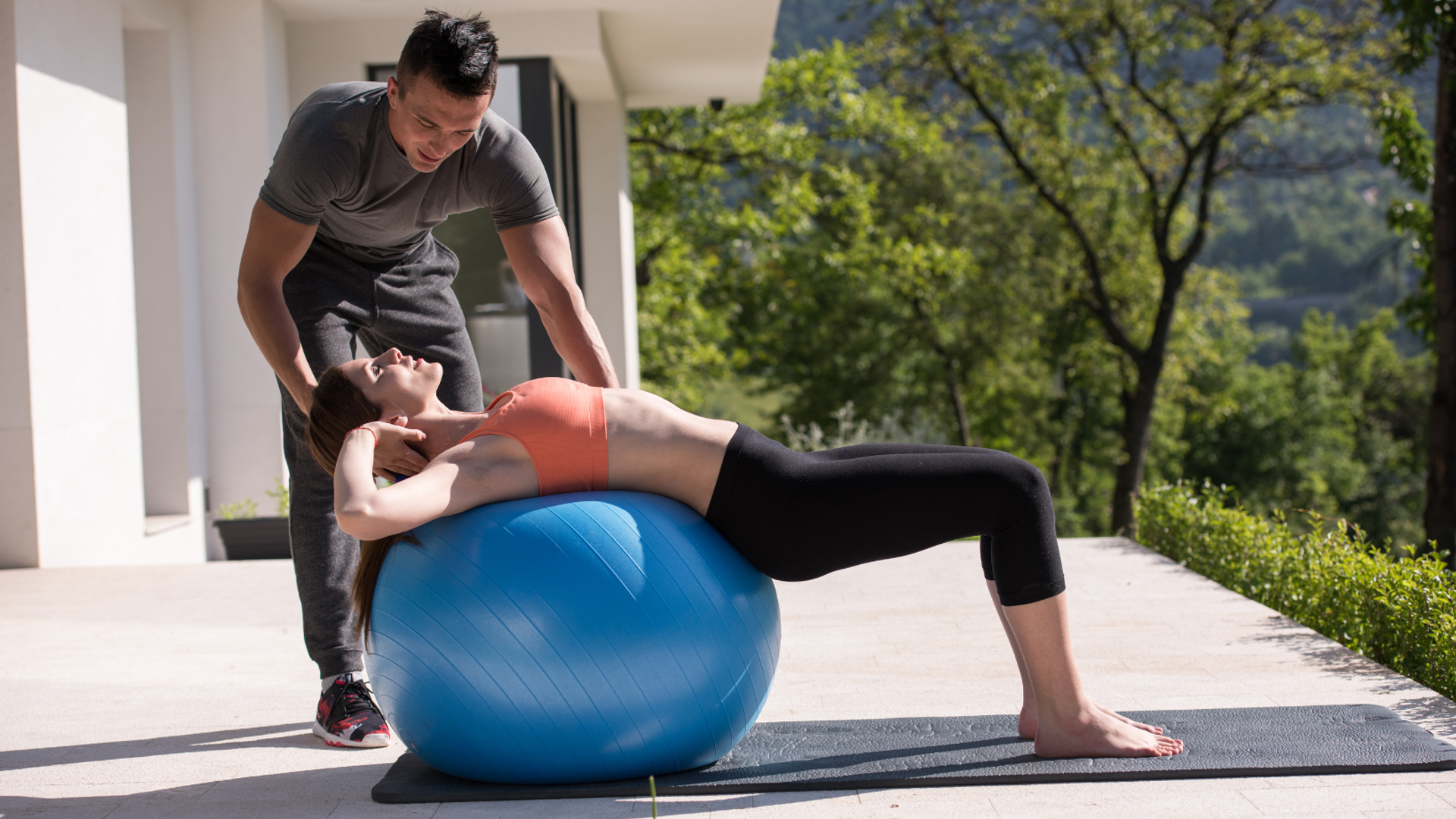
At-home personal training should give you more than a workout written on a clipboard. A good service should make the session easier to repeat and easier to trust.
- A consultation about your goals, schedule, health history, and current fitness level.
- A movement assessment that helps your trainer choose a safe starting point.
- Portable equipment brought to your home or used in your available space.
- A workout plan adapted to your room size, flooring, noise limits, and comfort.
- Progression over time so sessions do not feel random.
- Accountability that helps you keep training through busy weeks.
The right setup should help you train consistently without turning your schedule upside down.
What Affects Pricing for a Personal Trainer in Austin
Pricing for a personal trainer in Austin can change based on several factors. Session length, trainer experience, session frequency, travel distance, package size, and the level of customization can all affect the final cost.
A lower hourly rate may look appealing, but it does not always show the full value. Ask what is included before you compare options. Some trainers offer a basic workout session with little planning outside the appointment. Others provide assessments, progress tracking, equipment, programming, and communication between sessions.
Our guide to personal training costs can help you understand how pricing works and what may be included in a stronger coaching package.
At-home training can also reduce other expenses. You may avoid gym initiation fees, monthly dues, parking costs, childcare costs, or extra travel time. The right comparison should include the time and money around the session, not only the session fee.
Why Austin Schedules Make Home Training Useful

Austin life can get busy quickly. Workdays run long, traffic changes your timing, school pickups interrupt plans, and summer heat can make outdoor exercise feel less appealing during parts of the day.
At-home training gives you a simpler route into the workout. Your trainer arrives at the agreed time, the session takes place in a familiar space, and you can return to your day without a commute.
This can be especially useful for people who work remotely, parents with tight calendars, beginners who feel uncomfortable in gyms, and clients who want privacy. It can also help if your energy changes across the week and you need the workout adjusted rather than canceled.
A personal trainer in Austin should help you build a routine that feels possible during normal weeks, not only during rare weeks when everything goes smoothly.
What Equipment You Need at Home
You do not need a full gym to train well at home. Many sessions can be built with bodyweight movements, resistance bands, dumbbells, kettlebells, mats, sliders, and other compact tools.
Your trainer may bring equipment to each appointment. They may also recommend a few simple items if you want to train on your own between sessions. Any suggested equipment should match your goals, space, and budget.
A good coach can create effective strength, mobility, balance, and conditioning sessions with limited gear. The plan should focus on movement quality, safe progression, and exercises that make sense for your body.
If you want to see how normal rooms can support effective sessions, our article on real Svetness workouts in small spaces shows how home training can work without a large setup.
How Much Space At-Home Training Needs

A small Austin apartment, condo, or spare room can still support a strong workout. Most clients need a clear area roughly the size of a yoga mat, plus enough room to move arms and legs without bumping furniture.
Your trainer can adapt the session to your environment. Low-impact exercises can help in upstairs apartments. Controlled strength movements can work well in smaller rooms. Outdoor patios, garages, driveways, and apartment fitness rooms can also be useful if they are safe and available.
Before the session, clear loose rugs, fragile items, and clutter. Good lighting and a stable floor help your trainer coach your form more clearly.
The space should support safe movement and focus. It does not need to look like a studio.
How Trainers Build Programs Around Your Goals
At-home training should still be personal. The setting may be your living room, but the program should be built with the same care as any professional coaching plan.
Your trainer should ask about your goals, current activity level, injuries, medical considerations, schedule, and past workout experience. They may assess basic movements such as squats, hinges, lunges, pushes, pulls, balance, and core control.
That information helps shape the plan. Someone training for weight loss may need a different structure than someone rebuilding strength after a long break. A client managing knee discomfort may need different exercise choices than someone focused on general conditioning.
The program should also change over time. As you get stronger, your trainer can adjust reps, sets, tempo, resistance, rest periods, and exercise difficulty.
Start your Svetness journey today
Get a free consultation and see how our trainers can transform your wellness journey.
What Scheduling Flexibility Can Look Like
Scheduling is one of the biggest reasons people choose at-home training. Removing the commute can make morning, lunch-hour, and evening sessions easier to manage.
Ask how your trainer handles rescheduling, cancellations, travel windows, and recurring appointments. Clear policies help prevent confusion later. If your work schedule changes often, talk about that during the consultation.
Families and couples may also ask about shared sessions. This can reduce the cost per person, but the trainer still needs to account for each person’s goals, ability, and limitations.
A good schedule should support consistency. If the training time feels realistic, you are more likely to keep it.
How to Compare At-Home Training Options

When comparing trainers or companies, look beyond the price per session. Ask how the trainer is selected, what credentials they hold, what equipment is provided, and how your plan will be built.
Certifications, CPR/AED training, background checks, communication style, and experience with your goals should all factor into the decision. You should also ask how progress is tracked and how the trainer handles pain, fatigue, or physical limitations.
A strong consultation should feel specific to you. The trainer should listen before suggesting a plan. They should also explain what happens after the first session, how often you may train, and what support is available between appointments.
If the answers feel vague, the value may be unclear. Your investment should buy structure, safety, and support, not guesswork.
Book At-Home Personal Training in Austin With Svetness

At-home personal training can make fitness easier to maintain by bringing coaching into the space where your life already happens. The right service should account for your goals, your schedule, your home setup, and the level of support you need.
At Svetness, we match clients with certified trainers who bring structured coaching to homes, apartment gyms, outdoor spaces, and other suitable locations. If you want a personal trainer in Austin who can help you understand your options, compare costs, and train in a way that fits your home routine, we can help you get started.
Book Your Free Svetness Consultation
FAQs
How much does an at-home personal trainer in Austin cost?
Cost can vary based on session length, frequency, trainer experience, travel, and what is included in the service. Ask about assessment, equipment, progress tracking, and package options before comparing prices.
Do I need equipment for at-home training?
No. Your trainer can bring portable equipment and adapt the workout to your space. They may suggest a few simple items if you want to exercise between sessions.
Can I train in a small Austin apartment?
Yes. Many workouts can be adapted to an area roughly the size of a yoga mat. Your trainer can choose low-impact, space-efficient exercises that fit your apartment.
Are shared sessions available for couples or families?
Shared sessions may be possible when schedules and goals align. Each person should still receive appropriate modifications based on fitness level, comfort, and any physical limitations.
What happens during the first at-home training session?
The first session usually includes a goal discussion, health-history questions, movement checks, and a beginner-friendly workout. Your trainer uses that information to build the next stage of your plan.
Start your Svetness journey today
Get a free consultation and see how our trainers can transform your wellness journey.