Personal Trainer NYC: How to Choose the Right Fit

Svetness covers how to choose a personal trainer in NYC, including location, coaching style, credentials, trial sessions, and fit.
A personal trainer in NYC needs to fit more than your fitness goal. They need to fit your neighborhood, schedule, personality, apartment space, commute, energy level, and comfort with different training environments. In New York City, those practical details matter. A trainer may be excellent, but if getting to the session takes longer than the workout itself, the routine can become hard to keep.
The right coach should make fitness feel more structured, not more complicated. They should understand what you want to improve, ask about your health history, adapt to your current ability, and explain the plan in plain language. They should also help you choose a setup that works with city life, whether that means training at home, in your building gym, outdoors, or in another suitable space.
A personal trainer NYC clients can trust should give you more than a hard workout. The best fit should help you feel safe, understood, and able to stay consistent long after the first burst of motivation fades.
Start your Svetness journey today
Get a free consultation and see how our trainers can transform your wellness journey.
What to Look For Before You Choose an NYC Personal Trainer
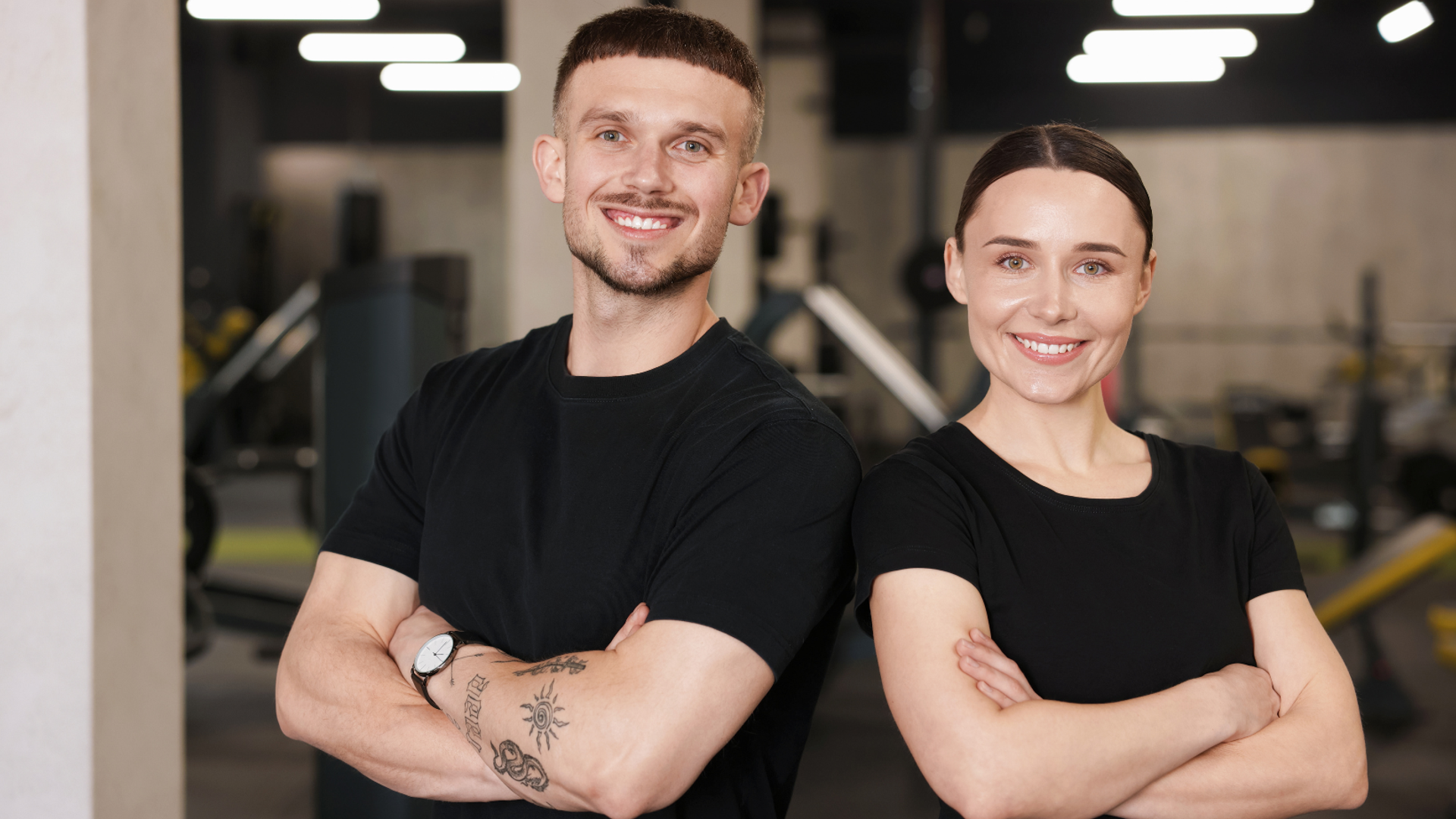
A smart trainer search should focus on the details that affect consistency, comfort, and results.
- The training location should fit your weekly routine.
- The coach should have current certification and CPR/AED training.
- Their communication style should match the support you respond to.
- The plan should reflect your goals, injuries, and current ability.
- The trainer should explain progress clearly.
- Trial sessions should leave you feeling informed, not pressured.
The right fit should make your next step feel more manageable, not more stressful.
Why Location Matters So Much in NYC
Your options can look similar online, but location can change the entire experience when choosing a personal trainer in NYC. A trainer across town may seem like a good match until subway delays, late meetings, weather, or weekend plans start interfering.
New York routines can be tight. A session that requires too much travel may become the first thing to disappear during a busy week. That is why neighborhood fit matters. Training close to home, near work, inside your building, or in your apartment can remove the friction that keeps people from staying consistent.
In-home training can be especially useful for clients who do not want to spend extra time crossing boroughs or waiting for machines. Your trainer can bring equipment, adapt to your space, and build a session that respects your schedule.
In NYC, the right training location is the one that fits your routine well enough to keep you coming back.
Match Your Goals to the Right Expertise

Before choosing a trainer, get clear about what you want the plan to support. Strength, weight loss, mobility, endurance, balance, postpartum fitness, senior fitness, injury-aware training, and general health all require different coaching decisions.
A good trainer should ask about your goals, but they should also ask what has stopped you before. Past injuries, work stress, low confidence, travel, poor sleep, and inconsistent routines can all affect the plan.
Credentials help you understand whether the coach has a strong foundation. Look for current certification from a reputable fitness organization, CPR/AED training, and experience with clients who have goals similar to yours.
A good fit should feel specific. You should not feel as if your program could have been handed to any other client in the city.
Pay Attention to Coaching Style
The way a trainer speaks to you matters. Some clients like direct instruction. Others need patience, education, encouragement, or a calmer coaching style. There is no single right personality, but there is a right match for you.
During the consultation, notice whether the trainer listens before giving advice. Notice whether they ask follow-up questions. Notice whether they make you feel comfortable talking about injuries, goals, limitations, and motivation.
Our guide to finding a personal trainer who fits your personality can help you think through the kind of coaching relationship you are most likely to stick with.
The goal is to find someone who can challenge you without making training feel intimidating or impersonal.
Check Credentials and Safety Practices

Credentials are not everything, but they should be part of the baseline. A professional trainer should be able to tell you which certification they hold and whether it is current.
Recognized certifications may come from organizations such as NASM, ACE, NSCA, ACSM, or another reputable fitness body. Current CPR/AED training also matters, especially for in-person coaching.
Ask how the trainer handles pain, old injuries, and movement limitations. A good coach should modify exercises when needed and should never pressure you to push through sharp or unusual discomfort.
Safety should feel built into the process. Your trainer should ask about health history, explain movement choices, and know when to recommend speaking with a licensed medical professional.
Start your Svetness journey today
Get a free consultation and see how our trainers can transform your wellness journey.
Use the First Session to Test the Fit
A first session can show you how the trainer works in real time. Pay attention to preparation, punctuality, communication, form correction, and how they adjust when something feels too easy, too hard, or uncomfortable.
The workout should feel purposeful. You should understand why certain exercises are included and how they connect to your goals. A trainer who only tries to exhaust you may not be giving you the structure you need.
The post-session conversation matters too. A good trainer should ask how the workout felt, explain what comes next, and answer questions without rushing you into a decision.
If the first session leaves you feeling confused, ignored, or pressured, keep looking. The right coach should help you feel more confident about the process.
Choose a Training Setup That Fits Your Space
NYC homes and apartments vary widely. Some clients have building gyms. Others have a small living room, a hallway, or a shared outdoor space. A skilled trainer can adapt to the space available.
In-home sessions can use bodyweight movements, resistance bands, dumbbells, mats, kettlebells, and other portable tools. You do not need a full home gym to build strength, mobility, or conditioning.
A trainer should also understand how to work respectfully in apartments. Low-impact exercises can reduce noise. Smart exercise selection can protect furniture and flooring. Clear setup instructions can help the session run smoothly.
Training should feel realistic inside the life you already have. If the setup requires perfect conditions, it may not last.
Build Consistency Through Realistic Scheduling
Consistency is easier when the training plan respects your week. A session time that looks possible during a calm week may not work once deadlines, school pickups, subway delays, or travel enter the picture.
Talk honestly about your schedule during the consultation. If mornings work better, say that. If evenings are unpredictable, build around it. If work travel happens often, ask about hotel-room workouts or lower-maintenance plans for busy weeks.
Our article on what makes a good personal trainer covers qualities like clear communication, adaptability, and support. Those qualities matter when real life interrupts the plan.
A sustainable routine should have room for adjustment. The goal is not perfection. The goal is a structure you can return to without feeling like one busy week ruined everything.
Find a Personal Trainer in NYC With Svetness
The right trainer should make fitness feel easier to understand and easier to keep. In New York City, that means matching the coach, training location, schedule, personality, and program to the way you actually live.
At Svetness, we match clients with certified trainers who bring coaching to homes, apartment gyms, outdoor spaces, and other suitable locations. If you want a personal trainer in NYC who can support your goals with structure, flexibility, and practical city-friendly training, we can help you get started.
Book Your Free Svetness Consultation
FAQs
How do I choose the right personal trainer in NYC?
Look at location, certification, communication style, experience with your goals, scheduling flexibility, and how comfortable you feel during the consultation.
Can I train at home in a small NYC apartment?
Yes. A trainer can adapt workouts to small spaces using bodyweight movements, resistance bands, dumbbells, mats, and other portable equipment.
What certifications should a personal trainer have?
Look for current certification from a reputable fitness organization and current CPR/AED training. Experience with your specific goals is also helpful.
How often should I train with a personal trainer?
Many clients train one to three times per week, depending on goals, schedule, budget, and recovery. The best frequency is one you can maintain.
What should I expect during a first training session?
Expect a conversation about goals, health history, current activity, and limitations. Your trainer may also assess basic movement before building the full plan.
Start your Svetness journey today
Get a free consultation and see how our trainers can transform your wellness journey.