Trainer-Approved Pilates at Home Workouts
Contrary to popular belief, you don’t need an expensive membership or fancy studio to do Pilates. In fact, you can achieve the same transformative effect by doing Pilates exercises from the comfort of your own home.
You do not need a fancy studio or expensive equipment to enjoy the full benefits of Pilates.
With proper guidance and a dedicated space, practicing Pilates at home can become a regular way to improve strength, mobility, posture, and overall health, all without needing to set foot in a gym.
Pilates is often misunderstood as being too gentle to offer real results, but the truth is that it works the body in a unique and effective way. The slow, controlled movements train deep core muscles, build flexibility, and improve balance. When done correctly and consistently, it creates a strong foundation for all types of movement.
Whether you are brand new to Pilates or just looking for creative ideas to make it part of your home fitness routine, this blog will walk you through how to build a Pilates practice that supports long-term wellness and core strength.
What Makes Pilates Effective for At-Home Fitness?

One of the biggest reasons people love doing Pilates at home is down to convenience.
You do not need heavy weights or loud music to get a full-body workout. The method is based on alignment, precision, and breath control, making it incredibly effective even when done on a yoga mat in your living room.
Unlike other forms of exercise that rely on momentum or fast-paced repetitions, Pilates focuses on activating specific muscle groups with control. These movements create deeper muscle engagement while protecting the joints and reducing unnecessary strain.
All of these reasons make Pilates an excellent option for people at all fitness levels, including beginners, older adults, or anyone recovering from injury.
Why Pilates Works for Strength and Flexibility
Pilates is all about balance between strength and flexibility, effort and ease, movement and stillness. While many workouts focus solely on building muscle or burning calories, Pilates does both while also improving your mobility and general well-being.
With each exercise, you are reinforcing alignment, posture, and control. Over time, this type of exercise helps improve flexibility, build long, lean muscle, and reduce the risk of pain caused by muscular imbalances or poor movement patterns.
Minimal Equipment, Maximum Control
Another reason Pilates is so effective is that it doesn't require much space or equipment.
Many classic Pilates exercises can be done using only your body weight. A mat is often all you need to get started.
As you become more advanced, you can choose to add simple tools like resistance bands, light ankle weights, or a Pilates ring. These extras can increase resistance or help you activate muscles in new ways, but they are not necessary to begin or to see results.
Core Benefits of Practicing Pilates at Home
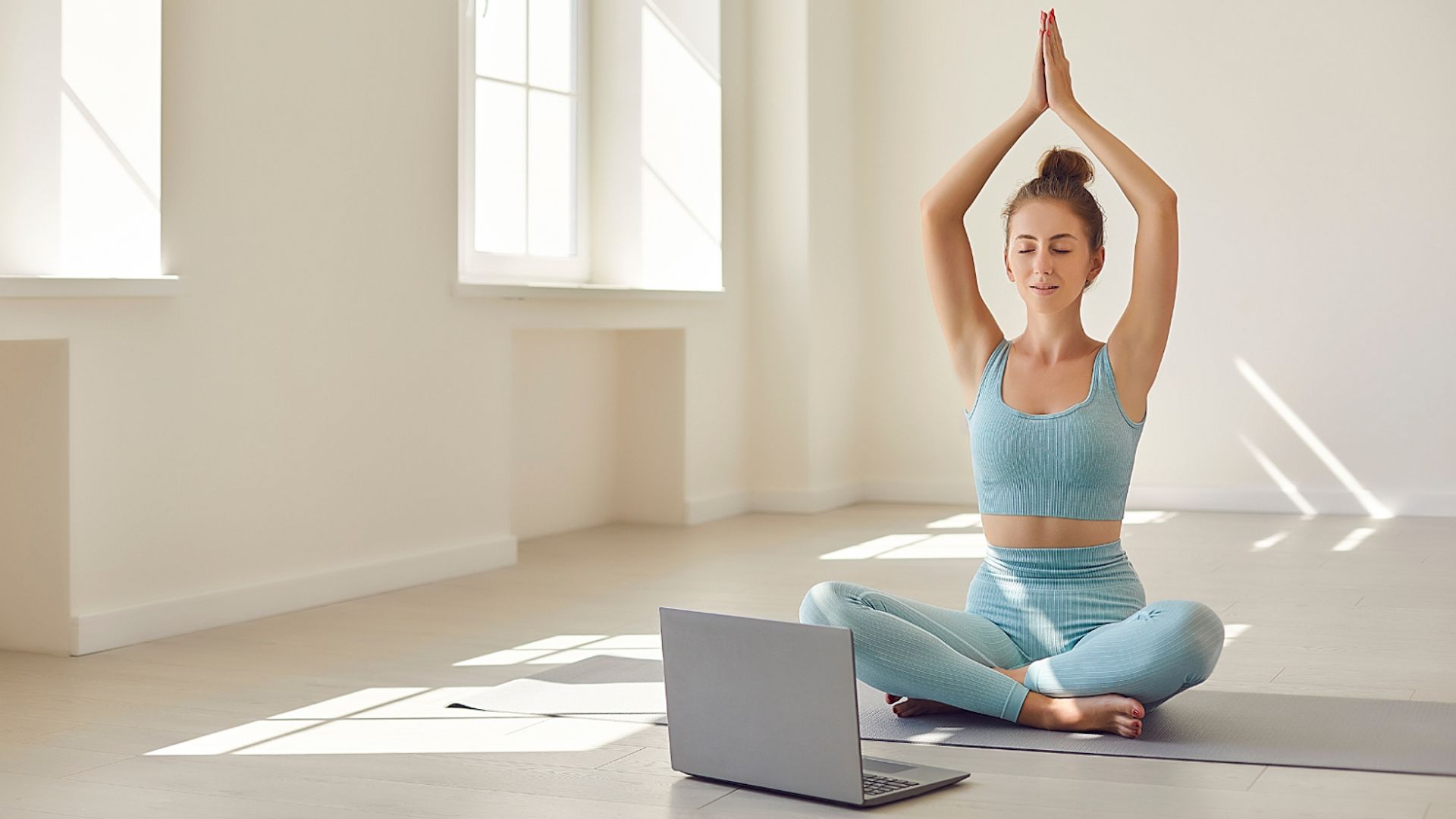
Practicing Pilates at home regularly can have a significant impact on how your body feels and functions. In addition to improving your appearance, Pilates also supports long-term health by enhancing movement, muscle control, and mental focus.
What makes Pilates stand out from other home workouts is the way it connects your mind and body. Each movement is performed with intention, helping you stay present while strengthening the muscles that support daily movement.
Improves Core Strength and Stability
Pilates is best known for its ability to strengthen the core, and for good reason. It targets the deep muscles that surround your spine, hips, and pelvis. These muscles are crucial for maintaining good posture, balance, and everyday mobility. A strong core can also reduce strain on the lower back and improve overall coordination.
Even short Pilates sessions at home can help you build stability in these key areas, making other types of movement, such as walking, lifting, or running, feel easier and more controlled.
Reduces Stress and Enhances Body Awareness
Because Pilates requires focus and slow, steady breathing, it also works as a form of stress relief.
Yes, that’s right. Pilates is also known for calming the nervous system, reducing tension, and promoting mental clarity. At home, this can be a welcome break from the noise and hassle of daily life.
The more you practice, the more aware you become of your posture, your breath, and your muscle engagement. This awareness carries over into daily life, from how you sit at your desk to how you move through a workout.
Supports Better Posture and Injury Prevention
Pilates teaches you how to move with intention. Instead of simply going through the motions, you learn to control each part of your body as it moves. This attention to form leads to better alignment, which improves posture and reduces stress on the joints.
By strengthening weaker muscles and improving mobility in tight areas, regularly practicing Pilates at home helps reduce the risk of injury in both exercise and daily activities. It also promotes more balanced muscle development, resulting in smoother and more efficient movement patterns.
How to Set Up for Pilates at Home

Getting started with Pilates at home does not require much. That said, setting things up in advance helps you feel motivated to start. After all, the more comfortable and focused you feel in your space, the easier it will be to stay consistent and enjoy your workouts.
Thankfully, Pilates exercises don’t demand a separate workout room or high-end studio setup. A small space with enough room to move freely, a quality mat, and a quiet atmosphere is all you need to begin.
Creating a Comfortable and Safe Workout Space
Choose a space with a flat, non-slip surface and good lighting so you can see your form and avoid tripping. Make sure you have enough room to extend your arms and legs without bumping into furniture. Try to minimize distractions so you can stay focused on your breath and movement throughout the session.
If possible, store your mat and gear nearby so you can easily roll everything out and start your session without delay. The more accessible your setup is, the more likely you are to stick with it.
Equipment You Might Want to Add Over Time
As you build your practice, you might want to experiment with small tools that enhance your Pilates sessions. Resistance bands, Pilates rings, foam rollers, or light hand weights can add variety and challenge.
These tools can help deepen muscle activation, increase resistance, or support mobility work, but they are not necessary to build strength or improve flexibility. Many people practice Pilates for years using just a mat and their body weight, and still achieve incredible results.
Example Home Workout Structures
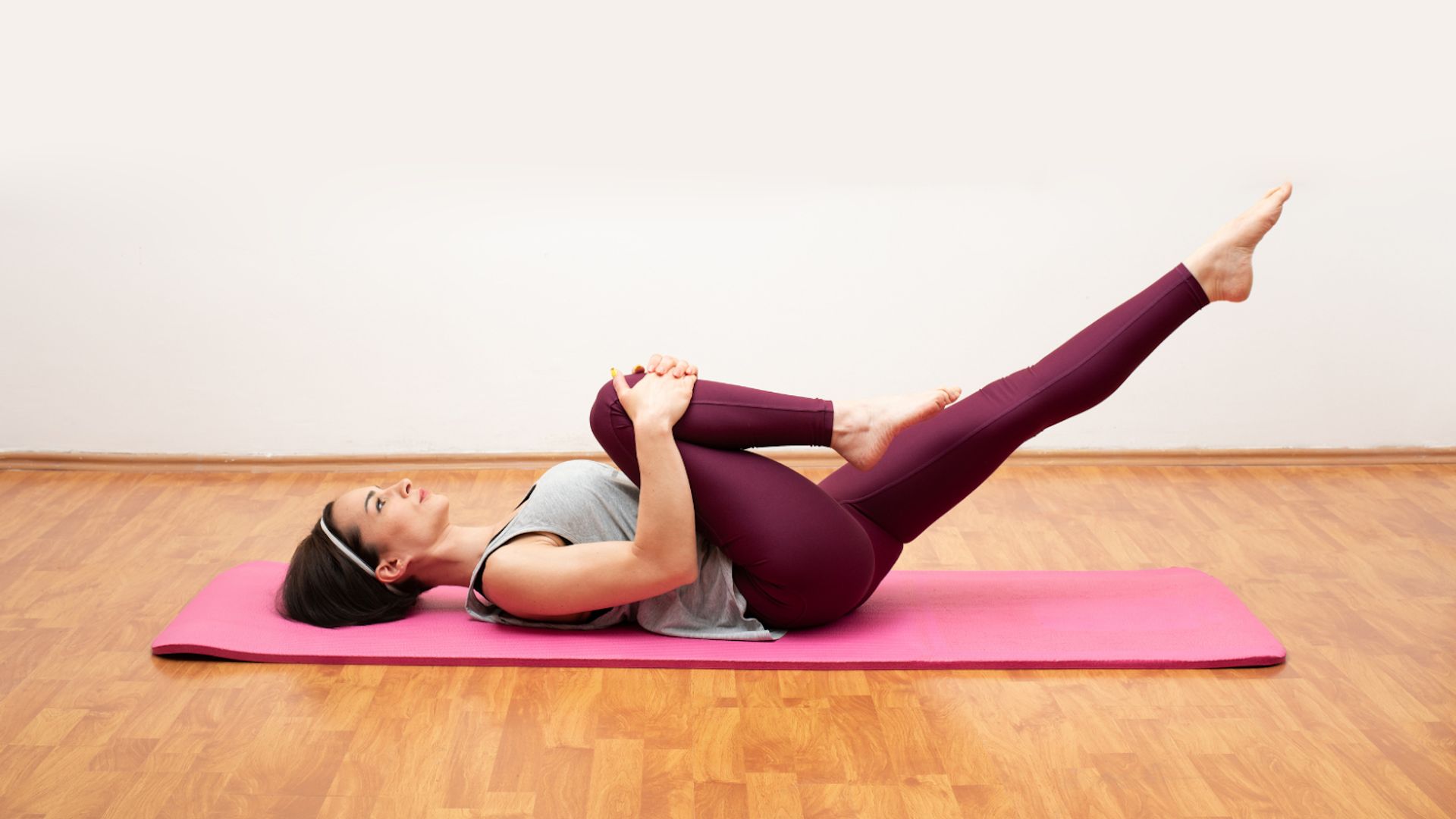
If you're new to doing Pilates at home, knowing how to structure your sessions can help you feel more confident and get the most out of each workout.
While classes can vary in length and focus, most follow a similar rhythm: warm up, core activation, flowing movement, and a gentle cooldown.
Pilates sessions can be as short as 10 minutes or as long as 45 minutes. The key is staying consistent and moving with control, not rushing through exercises just to check a box.
1. Full-Body Pilates Flow
A well-rounded Pilates flow includes exercises that target the core, hips, glutes, shoulders, and spine.
You can start with a few minutes of breathwork and pelvic tilts, then move into exercises like bridges, leg lifts, side-lying glute work, and spinal articulation. The pace is slow, but the burn is real. These sessions often leave you feeling energized and connected rather than exhausted.
Practicing two to three full-body sessions per week is a great place to start if your goal is improved strength and flexibility.
2. Quick Core-Focused Routine
On days when time is tight, a shorter core session can still make a big impact.
Ten to fifteen minutes of focused core work, using classic Pilates exercises like the Hundred, single-leg stretch, and Teaser, can strengthen your midsection and improve your posture.
These mini workouts can also be paired with other training or added at the end of a walk or strength session.
Why Form and Guidance Matter in Pilates

When it comes to Pilates, how you move matters just as much as what you do.
Every movement is intentional, and even minor adjustments in alignment or breath can completely change the effectiveness of an exercise. That's why proper form and mindful movement are crucial when practicing Pilates at home.
Many Pilates exercises appear easy from the outside, but they are designed to target specific muscles with control and precision. Moving too fast or without focus can reduce their benefits, or worse, create strain while you're trying to build strength and support.
The Risk of Overcompensating Without Supervision
It is easy to compensate with stronger muscles when you are not fully aware of how your body is moving. For example, using your hip flexors instead of your core during leg lifts is a common mistake, and it can lead to unnecessary tension in the lower back over time.
Without proper feedback, these small misalignments can build into habits that limit your progress or even cause discomfort. That's why it's vital to approach Pilates with patience and attention to detail, especially when practicing on your own.
How Trainers Help You Master Technique
A personal trainer with experience in Pilates can help you fine-tune your form, teach you how to engage the right muscles, and design a routine that fits your current strength and flexibility. They offer real-time feedback, personalized adjustments, and accountability that you may not get from following along with a video.
Even just a few sessions with a trainer can provide clarity and confidence, setting you up for safer and more effective practice in the future. When it comes to building a strong foundation, professional guidance can make all the difference.
How Svetness Personal Trainers Support Pilates at Home
If you're looking for a way to start Pilates at home with confidence and consistency, working with a Svetness personal trainer is one of the best ways to do it. Svetness brings certified trainers directly to your home, so you do not have to worry about travel, crowded studios, or adjusting to unfamiliar schedules.
With a Svetness trainer, your Pilates sessions are tailored to your needs, your space, and your goals. You'll get personalized attention in real-time, helping you get the most out of every movement.
At-home personal training also offers privacy and comfort. You can focus on your breath, your form, and your body without distractions. And because your trainer comes to you, staying consistent with your Pilates practice becomes much easier.
If you're ready to experience the benefits of doing Pilates at home and want to ensure you're doing it safely and effectively, Svetness makes it possible. It’s like having your own private studio, built around your lifestyle and individual goals.
Final Thoughts
Pilates is not just a trendy fitness routine. On the contrary, it is a system that builds deep strength, improves posture, and helps your body move with more control and ease.
And the best part is that you don't need a studio membership or complicated gear to get started. With a bit of space, a mat, and consistent practice, Pilates at home can transform how you feel inside and out.
The key is to stay consistent, move mindfully, and listen to your body. And if you want help staying on track, working with a personal trainer, like the in-home trainers at Svetness, can provide the structure and support you need to build a practice that actually lasts.
Frequently Asked Questions
Do I need equipment to get started with Pilates at home?
No. Most Pilates exercises can be done using just your bodyweight and a mat. Optional tools like resistance bands or light weights can be added later to increase challenge, but they are not required to see results or build a strong practice at home.
How often should I do Pilates to see results?
Practicing Pilates two to three times per week is a great place to start. Consistency is more important than intensity, and even short sessions can lead to noticeable improvements in strength, flexibility, and posture over time.
Can beginners safely do Pilates without prior experience?
Yes, Pilates is beginner-friendly and can be safely practiced at home, especially when you focus on alignment and move with control. If you are unsure about form, working with a personal trainer can help you get started with confidence and avoid common mistakes.
What makes Pilates different from yoga or other bodyweight training?
While Pilates and yoga both involve bodyweight movement and breath control, Pilates focuses more on core strength, alignment, and small, controlled movements. It is especially effective for building stability, correcting posture, and improving body mechanics.