Lean vs Bulky: How to Get Lean Instead of Bulky
Worried about looking bulky? Learn how to train and eat for a lean, toned physique with the right mix of weights, cardio, and nutrition tips.
We’ve all been there. You finally decide it’s time to get serious about fitness, maybe even pick up a pair of dumbbells for the first time, and then the worry hits: “What if I end up looking bulky instead of lean?”
For women, this usually means dreading the idea of a thick, square look instead of the toned, defined shape they want. For men, it can mean packing on size in ways that feel uneven or make them look heavier than athletic (think Johnny Bravo).
The truth is, the lean vs bulky outcome is rarely an accident. It’s almost always the result of how you train, how you eat, and how consistent you stay.
At Svetness, we hear this question frequently. Women don’t want to look like bodybuilders, and even men often want to achieve the “shredded” or “ripped” look. The good news is that you’re in control!
A bulky physique doesn’t just appear overnight. It takes deliberate training, lots of food, and years of effort. What most people actually need is a clear plan for building lean muscle and trimming fat without straying into the “too bulky” territory.
And once you understand how lean vs bulky really works, you’ll never waste another workout worrying that you’re training “wrong.”
Let’s dive in!
Lean vs Bulky: What’s the Difference?
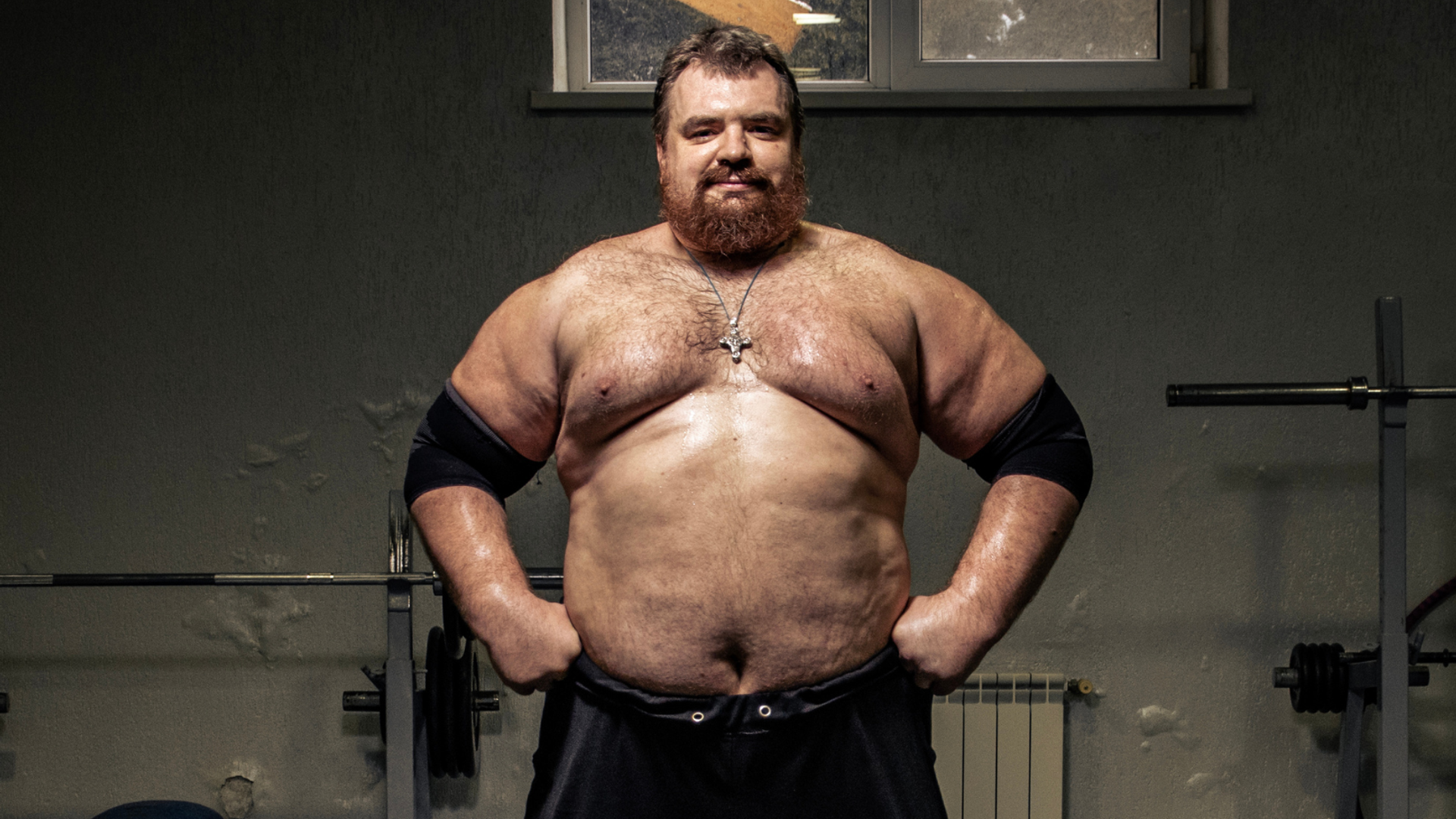
When people say they’re afraid of getting “bulky,” what they usually mean is a body that looks blocky, heavy, or overly muscular. But here’s the thing: that look is much harder to achieve than Instagram myths would have you believe.
If you’re training naturally (without performance enhancers) and not eating in a significant calorie surplus, a bulky body doesn’t appear out of nowhere.
Signs of a lean physique
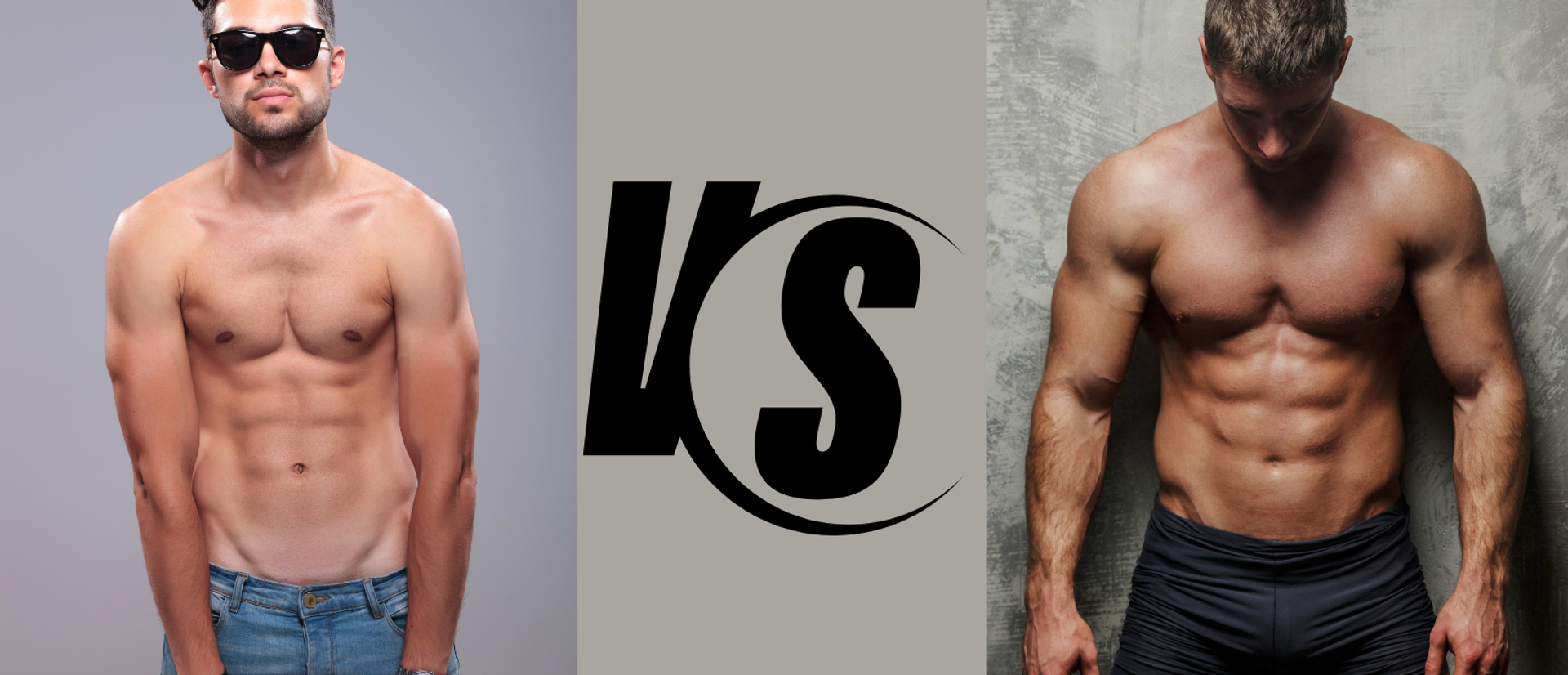
A lean physique typically exhibits muscle definition without excessive bulk. You can see tone in the arms, shoulders, and legs, but the overall frame stays sleek.
For women, this often looks like sculpted arms, a flat midsection, and visible strength without the “thick” look. For men, it means a V-shaped torso, strong chest and arms, and abs that show through even when relaxed. Lean bodies are athletic but balanced. They move easily, look fit in clothes, and feel light on their feet.
What a bulky physique actually looks like
A bulky physique, on the other hand, comes from either carrying too much body fat on top of muscle or from chasing muscle size with heavy lifts and lots of calories.
For women, this can manifest as broader shoulders, thicker thighs, or a more defined waistline. For men, it often means a dense, blocky torso with less definition: bigger overall, but not necessarily lean. Some people love this look and actively work toward it. Others find it makes them feel heavier than they’d like.
And here’s the kicker: most beginners who think they’re getting “too bulky” are usually just in an in-between stage where fat and new muscle overlap. Stick with training and fine-tune nutrition, and that “bulky” stage almost always leans out over time.
Training Approaches That Shape Your Look
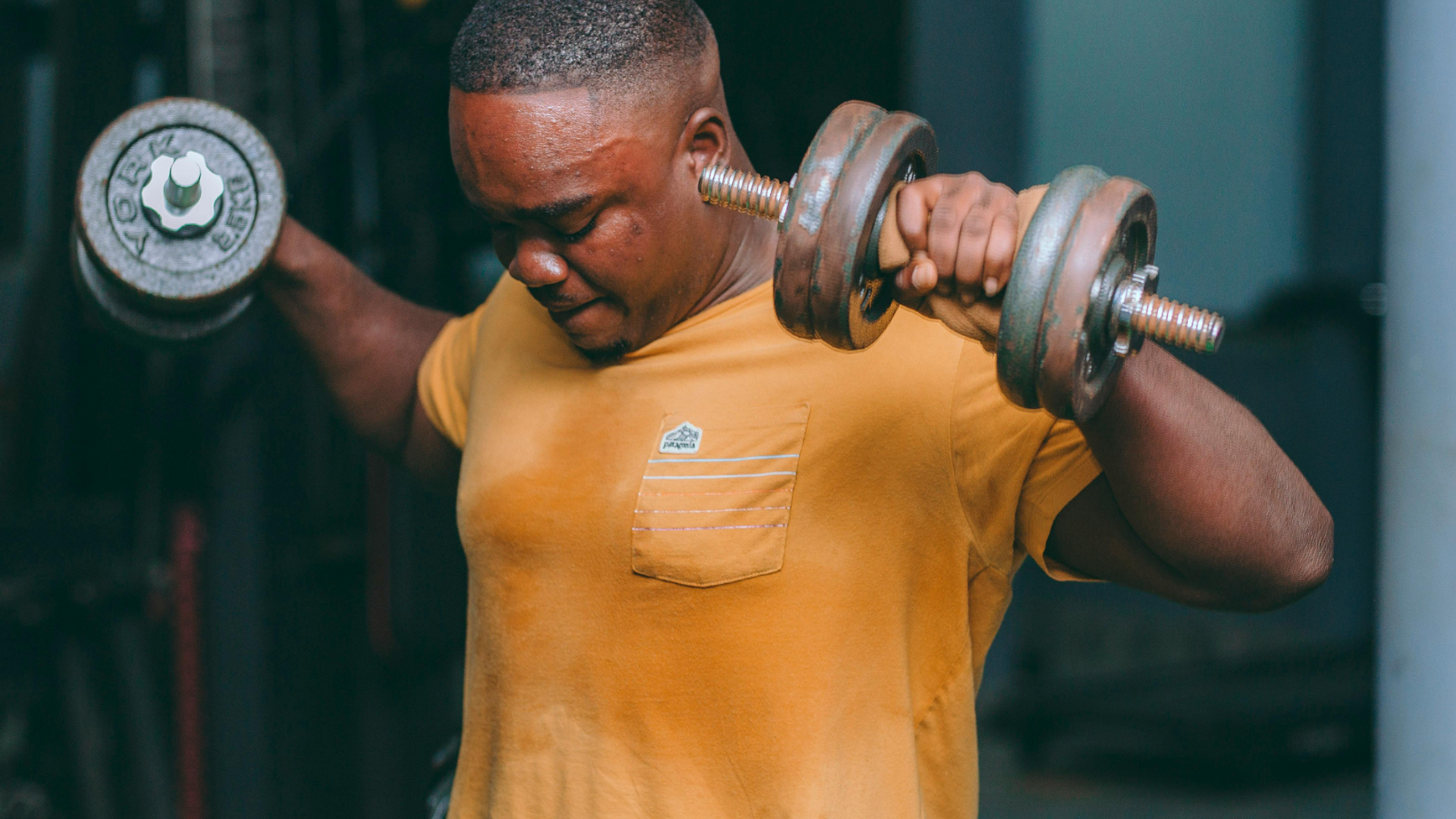
Training is where people start to overthink: “If I lift heavy, will I get a bulky body? If I do cardio, will I lose all my muscle?” The reality is more nuanced.
Your body doesn’t transform into something you didn’t ask for unless your training tells it to. Understanding how to get lean muscle without bulking comes down to a few core principles:
How to lift weights without getting bulky
Weight training is essential for building shape, but the way you lift matters. If your goal is how to get lean and toned, keep the weights moderate and the reps a bit higher. Think 10–15 reps per set with good form.
This signals your muscles to grow stronger and more defined without adding dense size. Long rest times and max-effort lifting tend to create mass. Shorter rests, steady tempo, and variety create tone.
A simple framework could look like:
- 3–4 sets of 10–15 reps for most exercises
- Rest for 45–60 seconds between sets
- Focus on the full range of motion and controlled movement
This style of training encourages a muscular but lean look, not a “bulky physique.”
Cardio for leaning down
Cardio isn’t the enemy of strength training when performed in moderation. If your goal is to lean down, cardio helps burn extra calories and improve endurance without erasing your hard-earned muscle.
The trick is to keep cardio smart. Too much steady-state cardio can make you feel drained, while too little leaves fat loss stalled. A mix of moderate-intensity cardio, such as jogging or cycling, and high-intensity interval training (HIIT) pairs beautifully with strength training.
Rep ranges and rest: the real difference between lean vs bulk
One of the biggest differences between a bulky vs lean outcome is how you structure reps and rest periods.
Bulking programs often focus on heavy lifts, low reps (4–6), and long rests. That’s what builds dense mass. Lean-focused training flips the script: higher reps, shorter rest periods, and a wider variety of movements that challenge both endurance and strength.
A practical example:
- Bulky approach: heavy squats for 5 reps, 3–5 minutes rest
- Lean approach: lighter squats for 12 reps, 45–60 seconds rest
Both build strength, but the lean method keeps muscle sleek and defined.
Why strength training still matters for toning
Here’s the part people often miss: skipping weights altogether doesn’t make you lean, it just makes you soft. Without resistance training, you’ll lose muscle along with fat, and the result is a smaller but weaker frame (or what some people refer to as “skinny-fat”).
If you want that firm, lean physique male or female look, weights are non-negotiable. The trick is adjusting the style so you stay strong without chasing mass.
And honestly? Most people who commit to a year of balanced strength training find themselves looking leaner than they ever imagined, not “too bulky.” The bulk fear fades once they see the toned arms, sculpted legs, and better posture that come with smart lifting.
Eating for a Lean, Not Bulky, Body
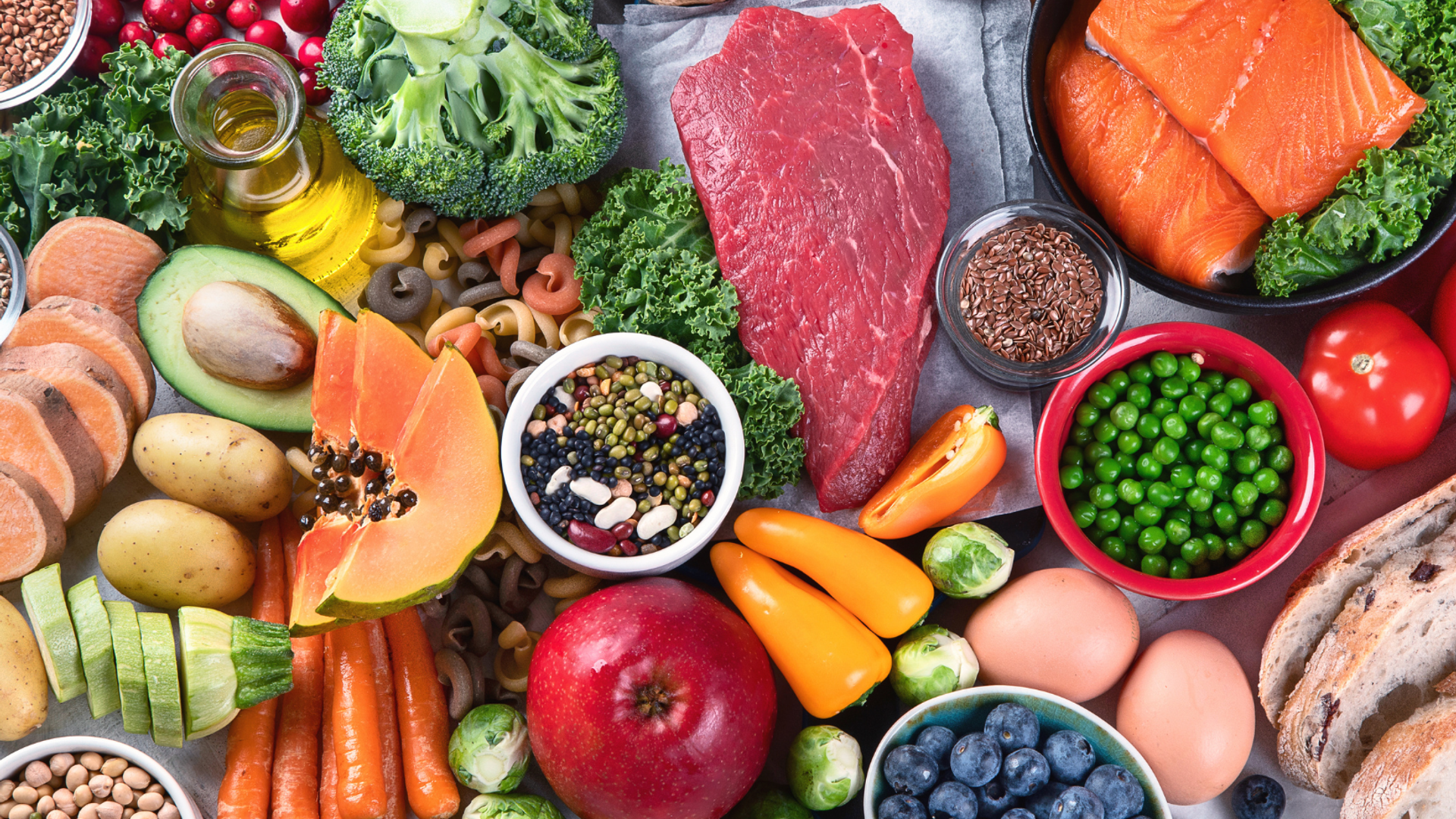
If training sets the stage, nutrition writes the script.
Two people can follow the exact same workout plan and end up looking completely different. Why? Because what happens in the kitchen ultimately determines whether you’re moving toward a lean physique or drifting into the bulky look you’re trying to avoid.
Protein intake: muscular but not bulky
Protein is non-negotiable. Without it, muscles don’t repair or grow, and you’ll stall before you see real change. But here’s the catch: protein alone doesn’t make you “bulky.” It simply helps your body recover and stay defined. Think of it as giving your muscles just enough fuel to rebuild lean and tight rather than big and puffy.
The general rule of thumb? Around 0.8–1 gram of protein per pound of body weight works for most people who want to be muscular but not bulky. That’s chicken, fish, beans, eggs, protein shakes, and any other protein-rich foods that work for your lifestyle. The trick is balance, not overloading.
Why am I bulking up instead of slimming down?
This is one of the most common frustrations we hear. You’re working out, eating “healthy,” but instead of leaning down, your clothes feel tighter.
Nine times out of ten, the issue comes down to calories. If you’re eating more than your body needs, no amount of cardio or weight training will change the fact that your body is in a state of surplus. That’s when fat sits on top of muscle, giving you a bulky look.
The fix? Track your calories for a week or two. You don’t need to do this forever, but just enough to see what’s really going on. Most people are surprised at how sneaky extra calories can be.
A splash of cream in your coffee, a “healthy” bar with 300 calories, and a bigger scoop of peanut butter add up quickly. With a few tweaks, you shift from “bulky” to lean without touching your workouts.
And sometimes, honestly, it’s just a patience game. Early gains often look fuller before they sharpen. Stick with it.
How Personal Training Helps You Stay Lean
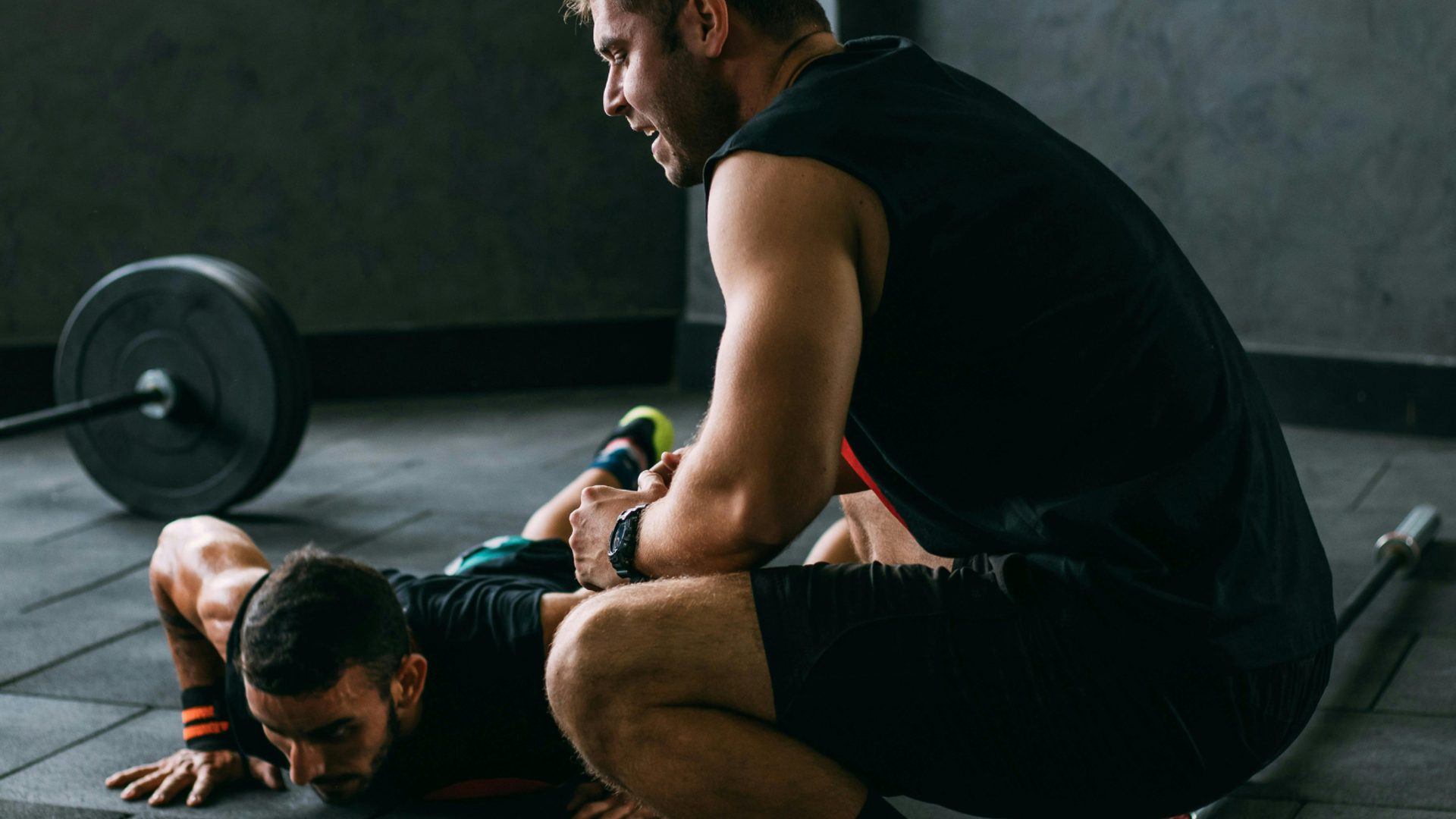
If you’re still unsure of how to achieve your dream physique, personal training is probably the missing link.
You can read every blog, watch every YouTube trainer, and still spin your wheels. Why? Because it’s hard to see your own blind spots. One wrong tweak in reps, one too-long rest, or one extra snack a day, and suddenly you’re not getting the look you wanted.
That’s where personal training changes everything: you begin to understand how to train smarter, not harder.
In-home personal training keeps you consistent
Most people struggle not with starting but with staying. And staying consistent is what turns a soft frame into a lean physique, male or female.
With in-home training, there’s no commute, no waiting for machines, no excuses about the weather. Your trainer shows up, your workout happens. End of story. That consistency is the difference between “I tried” and “I got lean.”
Custom plans for female and male goals
Here’s the thing: the questions of how to get lean instead of bulky for females and males aren’t identical. Women often worry about their legs and arms looking thick. Men sometimes push too heavy and lose their definition.
A personal trainer adjusts everything, including weights, reps, rest, and even cardio intensity, so you’re working toward your actual goals, not a generic program. And if you’re looking to lose weight or tone up in a healthy way, having a personalized weight loss plan increases your chances of success.
Accountability and avoiding the bulky look
This part’s underrated. A trainer will stop you from making the same mistake over and over. If you’re lifting too heavy and accidentally creeping toward a bulky physique, they’ll catch it. If your nutrition habits are stalling progress, they’ll spot the pattern. That accountability saves you months, even years, of frustration.
Why in-home training makes leaning down easier
There’s a comfort factor here as well. At home, you don’t worry about who’s watching, what equipment’s free, or if you’re “doing it wrong.” You can ask questions, make mistakes, and adjust in real time without judgment.
That’s often what people need most to finally lean down: a safe, guided environment where the process feels doable.
Final Thoughts on Lean vs Bulk
It looks like lean vs. bulky isn’t a mystery after all. Instead, it’s the sum of small choices, stacked day after day.
Train smart, eat with purpose, and adjust along the way. Heavy weights won’t ruin your shape; endless cardio won’t make you skinny overnight. But the right blend of both, paired with smart nutrition, will always nudge you closer to the lean and toned body you actually want.
Keep in mind that you don’t have to figure it out alone. With a Svetness in-home trainer, you get someone in your corner making sure every rep, every meal, every week pushes you in the right direction. No second-guessing, no fear of getting “too bulky,” just steady progress toward the body that feels like you.
Your physique is yours to shape. Whether you’re looking to lean down for more energy, stay strong without looking oversized, or finally answer the question of how to be lean and not bulky, the process is clearer (and closer) than you think.
> Learn More: In-Home Personal Training
FAQs
How to be lean and not bulky?
The trick is combining strength training with smart nutrition. Focus on moderate weights with higher reps (10–15), keep rests shorter, and add some cardio each week. That builds definition without stacking on dense size. Pair it with enough protein to repair muscle, but not a huge calorie surplus. Over time, this creates a body that looks athletic and lean rather than oversized.
How to get lean muscle without bulking up?
Lean muscle comes from resistance training, but the way you lift matters. Stick with moderate weights and a steady tempo. Think lunges, push-ups, squats, rows: compound moves that sculpt without piling on mass. Balance that with cardio and mindful eating. Protein helps you recover, but keep calories in check so you lean out instead of filling out.
Why am I getting a bulky look instead of leaning down?
Usually, it’s nutrition. If you’re eating more than your body needs, fat sits on top of new muscle, creating a fuller, less defined look. It can also come from lifting too heavy with long rest times, which promotes size over tone.
A quick reset, like tracking food for a week and adjusting rep ranges, often fixes this. And sometimes, it’s just early-stage muscle growth that will sharpen as fat drops.
Can both men and women learn how to get lean but not bulky?
Absolutely. The process looks slightly different for each, but the basics are the same: strength training, cardio, and nutrition alignment. Women often worry about arms or thighs looking big; men worry about blocky torsos.
Both can avoid those outcomes by using moderate weights, varied training, and a sensible diet. Add in consistency, and anyone can build a lean, defined physique without drifting into a bulky look.
Start your Svetness journey today
Get a free consultation and see how our trainers can transform your wellness journey.