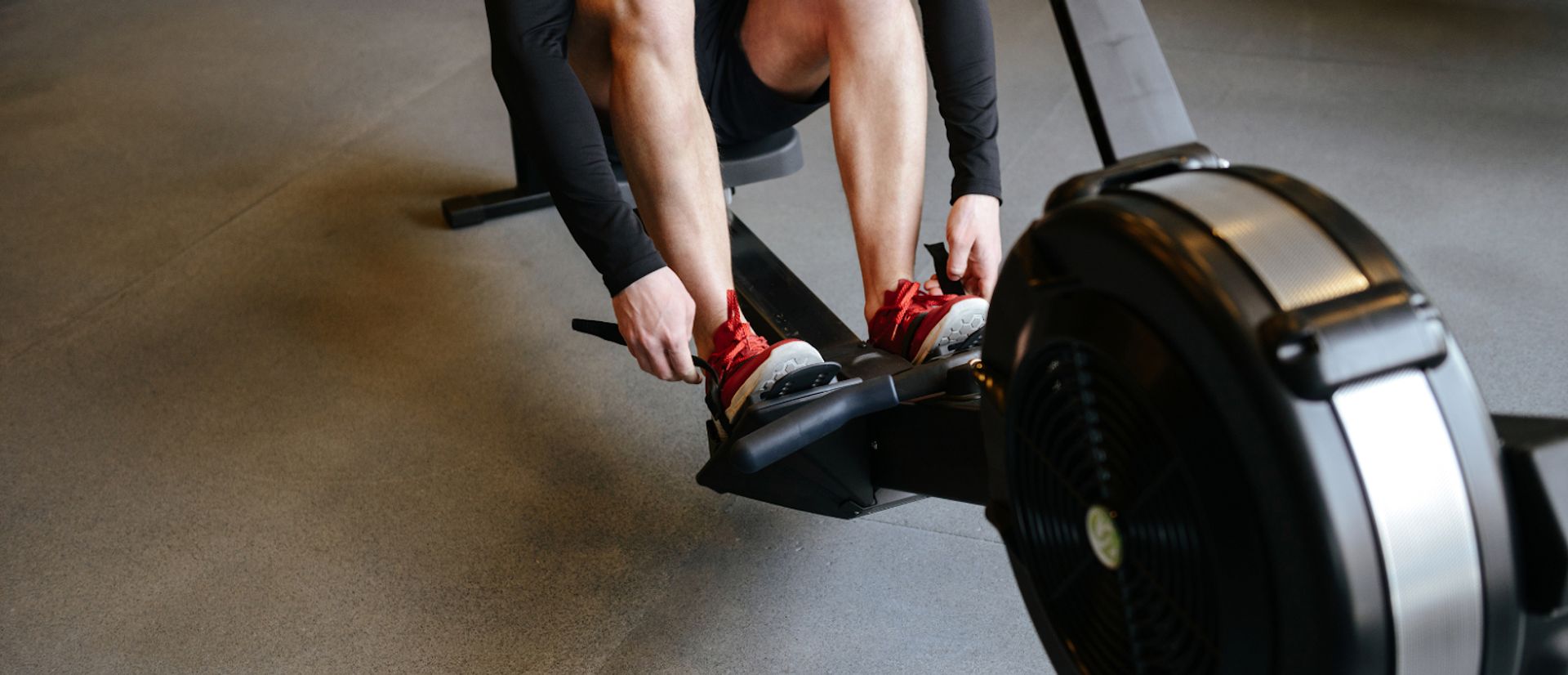
Indoor Rowing: Your Next Favorite At-Home Cardio Workout
Are you getting bored with your treadmill or exercise bike? Why not give indoor rowing a try instead? Perfect for beginners and seasoned cardio enthusiasts alike, this form of exercise is guaranteed to refresh your routine.
When people think about at-home cardio workouts, the same machines usually come to mind: treadmills, exercise bikes, and maybe an elliptical if there’s extra room. But there’s one aerobic fitness training option that often gets overlooked: indoor rowing.
It may not be the flashiest piece of equipment, but indoor rowing is a serious full-body workout that’s low-impact, efficient, and ideal for people of all fitness levels.
If you’re building a home gym or just trying to stay active without leaving the house, adding a rowing machine to your routine might be one of the smartest moves you can make. It’s challenging, versatile, and surprisingly engaging once you get the hang of it.
In this blog, we’ll take a closer look at what indoor rowing is, how it works, and why it just might become your new favorite way to break a sweat.
What Is Indoor Rowing?
At its core, indoor rowing is a simulation of outdoor water rowing.
The machine mimics the movement of rowing a boat by using resistance to challenge your
muscles while keeping your body in a fluid, repetitive motion.
But what makes rowing machines stand out from other forms of cardio equipment is how much of your body they actually work. Unlike cycling or walking, rowing engages your upper body, lower body, and core simultaneously.
Many rowing machines use a flywheel or magnetic resistance to create tension as you pull. The motion consists of pushing with your legs, leaning back through your core, and finishing the movement by pulling with your arms.
Then, you reverse the motion and smoothly return to your starting position. It’s rhythmic, repetitive, and more physically demanding than it might look at first glance.
How a Rowing Machine Works
Most indoor rowers include a seat that glides back and forth on a track, a handle attached to a flywheel or resistance mechanism, and footrests to secure your lower body.
When you begin the rowing stroke, you push off with your legs, engage your core as you lean back slightly, and finish the pull with your arms. Then you recover by extending your arms, leaning forward, and sliding back to your starting position.
This movement may sound simple, but coordinating all the parts takes practice. When done correctly, it offers a challenging but fluid workout that builds endurance and strength while minimizing joint impact.
Why It’s Different From Other Cardio Machines
What makes indoor rowing unique is its ability to engage both the upper and lower body at once. Treadmills primarily target the legs. Stationary bikes emphasize quads and glutes.
Rowing, on the other hand, uses your entire body in a synchronized effort. This leads to a higher calorie burn and more muscle recruitment per minute of exercise.
Rowing also places very little stress on the joints, making it ideal for people with knee, hip, or back issues. You’re sitting down, moving in a controlled path, and not striking the ground with each step the way you would during a run.
Ultimately, indoor rowing is an effective form of cardio that challenges you without wearing you out.
The Many Benefits of Indoor Rowing

There’s a reason more people are turning to indoor rowing as part of their home fitness routine.
It combines the intensity of a cardio session with the muscle-building qualities of resistance training, making it a powerful option for time-efficient workouts. And since it’s low-impact, it appeals to a wide range of fitness levels.
That said, let’s take a look at the benefits of this particular form of exercise:
It Targets the Whole Body
One of the biggest benefits of rowing is that it engages multiple muscle groups at once. Each stroke involves your legs, glutes, core, back, shoulders, and arms. This means you’re not just burning calories, but you’re also toning and strengthening major muscle groups in a single workout.
This full-body approach makes rowing a smarter use of your time compared to workouts that isolate just one area. With every stroke, you’re building strength and endurance across your entire body, not just your legs or upper body alone.
It Builds Endurance and Strength
Rowing is a form of steady-state cardio. However, it also includes an element of resistance. As you pull against the machine’s tension, your muscles have to work harder with every repetition. This combination helps improve cardiovascular health while also increasing muscular strength and power over time.
Because the resistance can be adjusted or naturally increases with intensity (especially on air rowers), you can scale your effort to match your fitness level. That makes it equally effective for beginners and experienced athletes.
It’s Easy on the Joints
For people recovering from injury or managing chronic joint issues, indoor rowing offers a safer way to stay active. Since the movement is smooth and controlled, there’s less impact on the knees, hips, and spine. You’re not putting your joints through pounding or twisting motions, which helps reduce the risk of overuse injuries.
Many physical therapists and rehabilitation professionals recommend rowing because it supports strength building and cardiovascular health without aggravating old injuries or causing new ones, which is a win-win!
It Can Improve Posture and Core Stability
The rowing stroke requires strong posture and coordination. Over time, using proper form can help reinforce spinal alignment and core engagement. That translates into better balance, improved movement mechanics, and stronger posture during everyday activities.
Because the movement involves both forward and backward motion, it strengthens the muscles along the front and back of the body, which helps counteract the negative effects of sitting or hunching during the day.
3 Common Mistakes to Avoid When Rowing
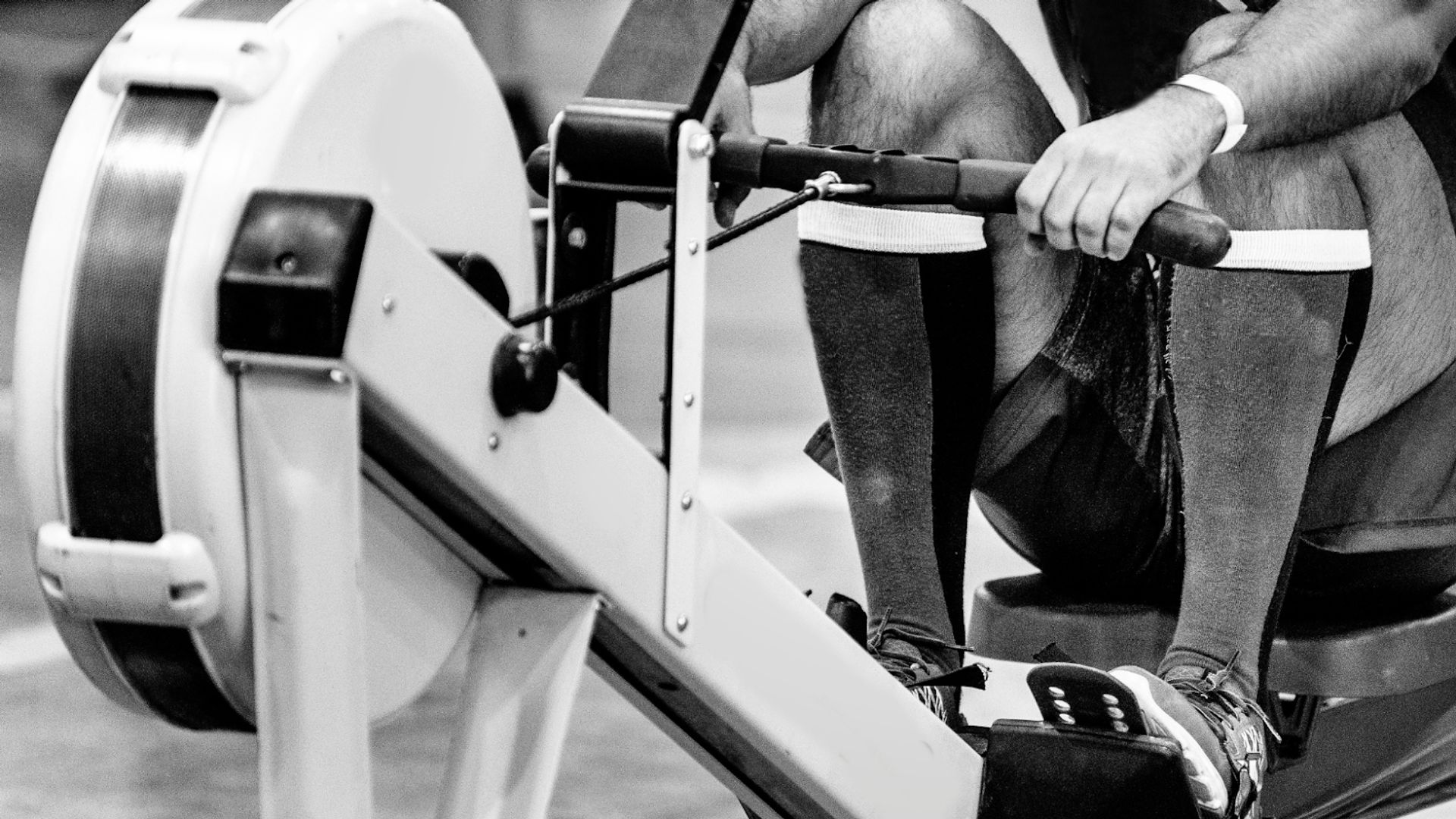
Even though rowing may look simple, there are a few common mistakes that can limit your results or cause discomfort if left uncorrected. Knowing what to avoid makes a big difference when you’re first starting out.
1. Rushing Through the Movements
Many beginners try to go as fast as possible, thinking speed equals intensity. But proper rowing is more about rhythm and control than raw speed. A rushed stroke often leads to poor form, shallow movements, and less engagement of the muscles you’re trying to target.
Taking your time allows you to fully engage each phase of the movement (push, pull, and recover) so you get the most out of every rep.
2. Ignoring the Legs
Because rowing involves pulling with your arms, it’s easy to assume that the upper body does most of the work. In reality, your legs should be driving the majority of the power. The stroke starts with a strong push from your legs before your upper body joins in.
Skipping this step or relying too heavily on your arms can lead to early fatigue and underperformance. Engaging the lower body first helps you generate more power while keeping the movement efficient and balanced.
3. Hunching or Slouching
Posture plays a critical role in indoor rowing. Slouching through the stroke can place strain on your lower back and reduce the effectiveness of the workout.
Focus on keeping your spine straight, your chest open, and your shoulders relaxed. Engaging your core will help protect your back and keep your movements smooth and controlled.
If you’re not sure whether your form is correct, filming yourself or working with a trainer can help you make the necessary adjustments.
How to Get Started With Indoor Rowing at Home

You don’t need to be a professional athlete to benefit from indoor rowing. With a bit of space, the right machine, and a few technique pointers, you can make rowing part of your regular fitness routine.
Finding the Right Rowing Machine
Rowers come in different styles, including air, magnetic, and water-resistance machines. Each type has its own feel and price point.
Air rowers offer a more dynamic and realistic rowing experience. Magnetic rowers tend to be quieter and easier to store. Water rowers are known for their smooth motion and fluid resistance.
The best choice depends on your space, budget, and preferences. Whichever model you choose, make sure it has adjustable resistance, a stable frame, and comfortable footrests.
Learning Proper Rowing Form
Before diving into a full workout, take time to learn the stroke sequence: catch, drive, finish, and recovery. Many machines come with instructional videos or access to guided sessions. Watching yourself in a mirror or recording short clips can also help you correct form errors early on.
In addition to helping you avoid injury, good form also makes the movement more efficient, so you get better results from less time spent working out.
Structuring Beginner-Friendly Rowing Workouts
Start with shorter sessions to build your stamina and technique. Aim for five to ten minutes of steady rowing at a comfortable pace, followed by rest or light movement. As your confidence grows, you can add interval training, increase your intensity, or row for more extended periods.
Mixing rowing with bodyweight exercises or core work can also add variety and make the most of a short at-home workout window.
How Indoor Rowing Compares to Other Cardio Workouts
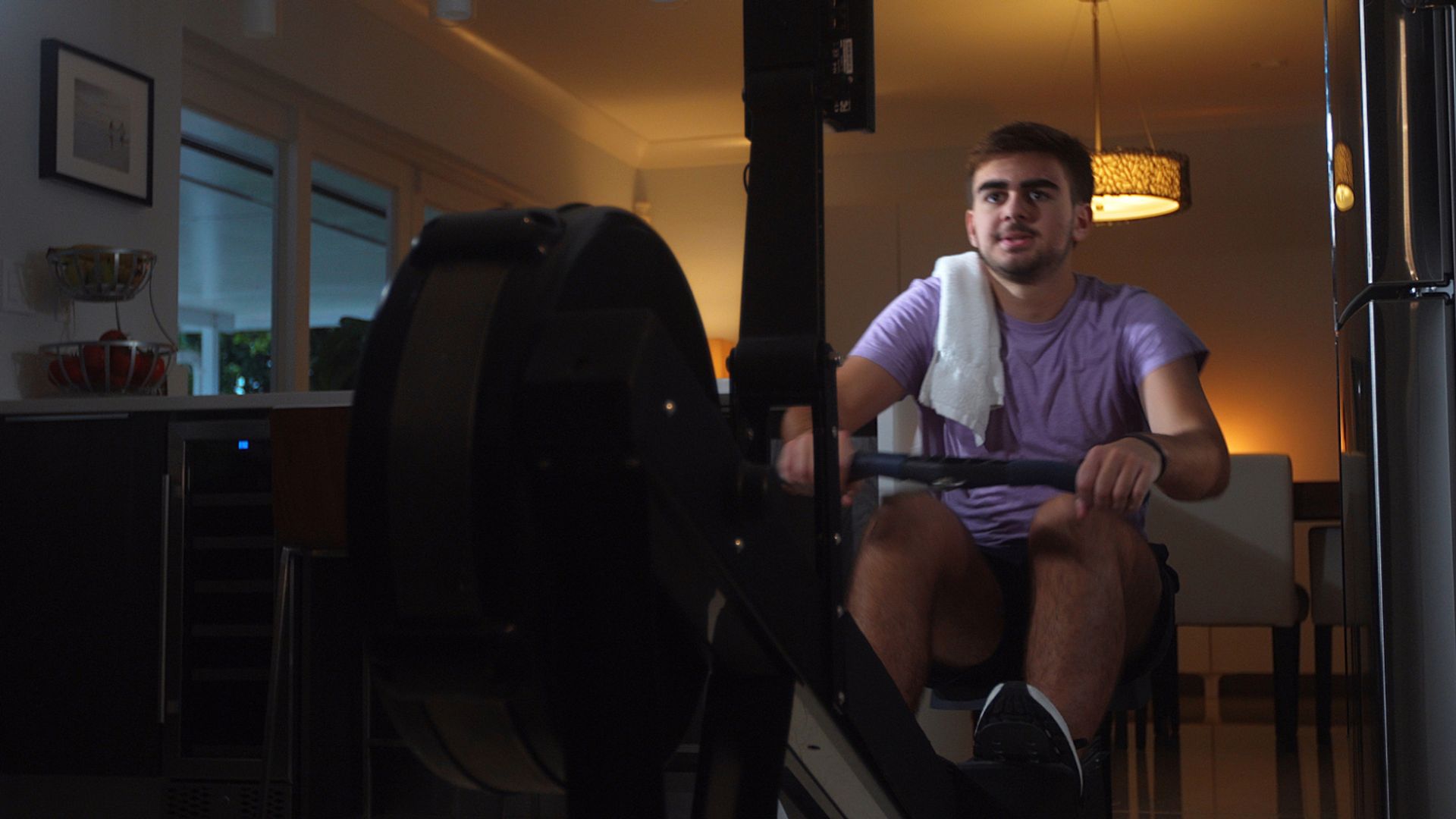
There’s no shortage of cardio machines on the market. But indoor rowing offers a few advantages that make it worth considering, especially if you’re looking for something different.
Rowing vs. Running
Running is a high-impact workout that primarily targets the lower body. It’s effective for cardiovascular conditioning and calorie burn, but it can be tough on the joints, especially the knees. Rowing offers similar cardio benefits with far less impact and engages more muscles overall.
Rowing vs. Cycling
Stationary cycling is easier on the joints than running, but it mainly works the lower body. Rowing activates both upper and lower body muscles, providing a more well-rounded workout in the same amount of time. Rowing also tends to burn more calories per minute due to the increased muscle recruitment.
Rowing vs. Elliptical Machines
Ellipticals offer a low-impact option with full-body movement, but the motion is often limited to a single range. Rowing provides a more dynamic and resistance-based experience, which can help improve both strength and endurance. It also supports more natural movement patterns and better core activation.
How Personal Trainers Can Help You Row With Better Form and Results
Even though rowing is accessible for beginners, working with a personal trainer can take your progress even further.
An in-home personal trainer will help you fine-tune your technique, structure customized workouts, and avoid the common pitfalls that slow progress.
Rowing with poor form can limit your results or even lead to discomfort. A trainer can teach you the right way to move, help you create a balanced program, and incorporate other forms of strength or flexibility training to complete your routine.
If you're unsure of where to begin, lack motivation, or want to make the most of your time, in-home personal training is a great option. It gives you structure, support, and expert guidance, all without leaving your house.
Final Thoughts
Indoor rowing might not be the first cardio workout that comes to mind, but it deserves a spot in your home fitness lineup. It’s efficient, challenging, and full-body focused. It helps build strength, improve endurance, and protect your joints, all from a single machine that fits into most homes or garages.
If you're looking for a way to shake up your cardio routine or are tired of high-impact workouts that leave your joints sore, rowing is a smart alternative. And if you want to get started with confidence, consider working with a personal trainer who can help you master the basics and create a plan that aligns with your goals.
Frequently Asked Questions
Is indoor rowing suitable for beginners?
Yes. Rowing is a beginner-friendly workout because it’s low-impact, scalable, and easy to learn with the proper guidance. Most people can start rowing safely with just a few sessions focused on proper form.
How many calories can you burn while rowing?
The number of calories burned depends on your weight, intensity, and duration. On average, a 30-minute moderate-intensity rowing session can burn between 200 and 300 calories, with higher intensity sessions burning more.
Do I need a rowing machine at home to get started?
Yes. Since indoor rowing is machine-based, you will need a rowing machine to complete the workouts. However, there are affordable and compact models available that work well for small spaces or home gyms.
Can indoor rowing help with weight loss or toning?
Yes. Rowing supports fat loss by increasing calorie burn and building lean muscle. Its full-body effect makes it ideal for both cardio conditioning and toning major muscle groups throughout the body.