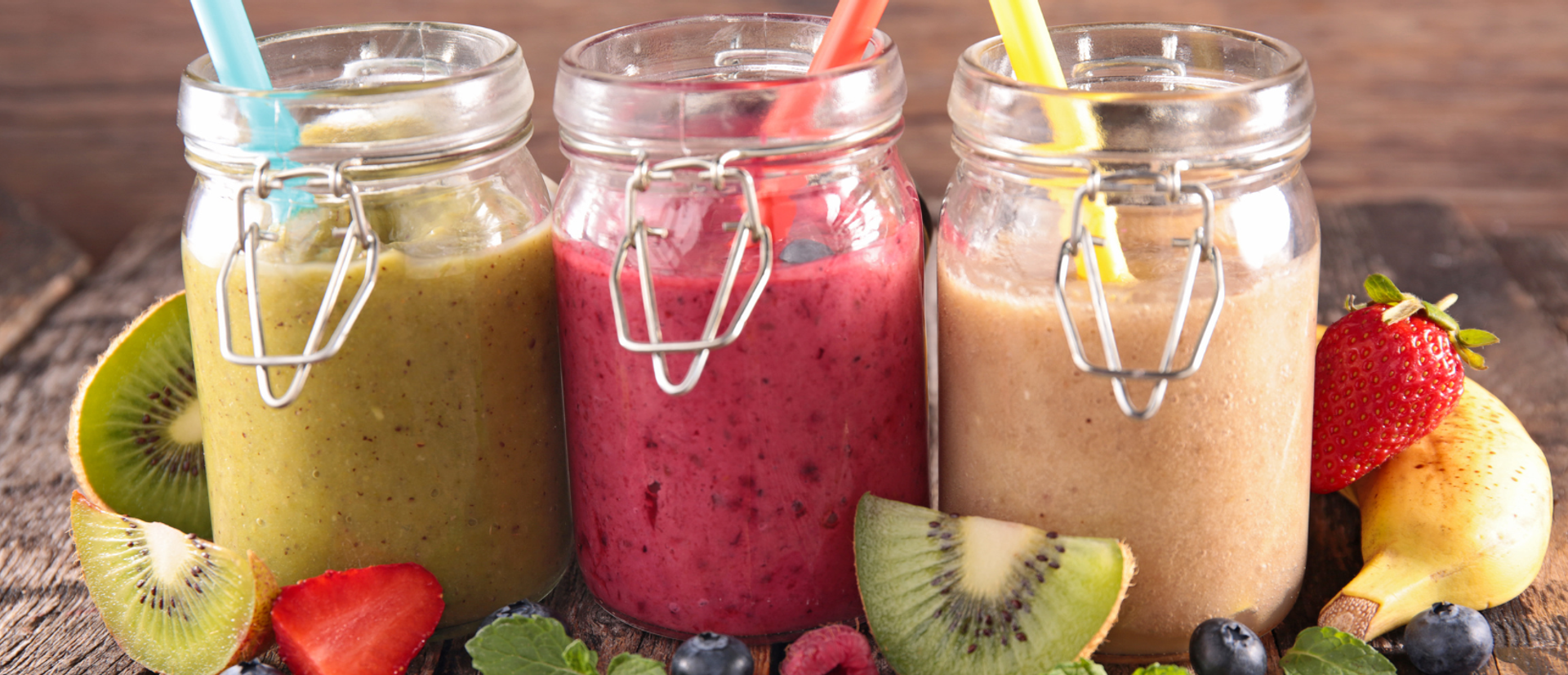
Immune Boosting Smoothies: Fad or Secret Weapon?
Are immune-boosting smoothies a fad or a real health tool? Learn what they do, which ingredients help, and how to use them effectively.
It happens every year. Cold and flu season rolls in, someone at the office starts coughing, and suddenly everyone is scrambling for remedies.
Shelves at the store empty out: orange juice, vitamin packets, herbal teas, zinc lozenges. And lately, there’s one “solution” that always seems to trend higher than the rest: immune-boosting smoothies.
They’re everywhere. Cafés selling $12 cups of blended fruit with names like “Flu Fighter” or “Immunity Shield.” Wellness bloggers holding up bright green jars of kale, mango, and turmeric, promising that one drink a day will keep you healthy no matter what.
And when you’re tired of feeling run-down, it’s easy to believe. Who doesn’t want a quick fix you can sip through a straw?
But here’s the catch. The immune system isn’t a light switch you can flip on with a smoothie. It’s not as simple as “add ginger, stay healthy forever.” The body doesn’t work like that. Still, smoothies aren’t a total scam either. They can be a smart way to pack in nutrients you’d struggle to eat otherwise. If you see them as a helper, they’re great. If you see them as a cure-all, you’ll be disappointed.
Think of it like this: one salad won’t make you fit, and one smoothie won’t make you invincible. But the habit? That matters. Drink nutrient-rich smoothies consistently, and over time, you’re giving your immune system better fuel to do its job.
So the real question isn’t “Are immunity smoothies real?” The question is, “What do they actually do, and what should we expect from them?”
What Does “Immune Boosting” Really Mean?
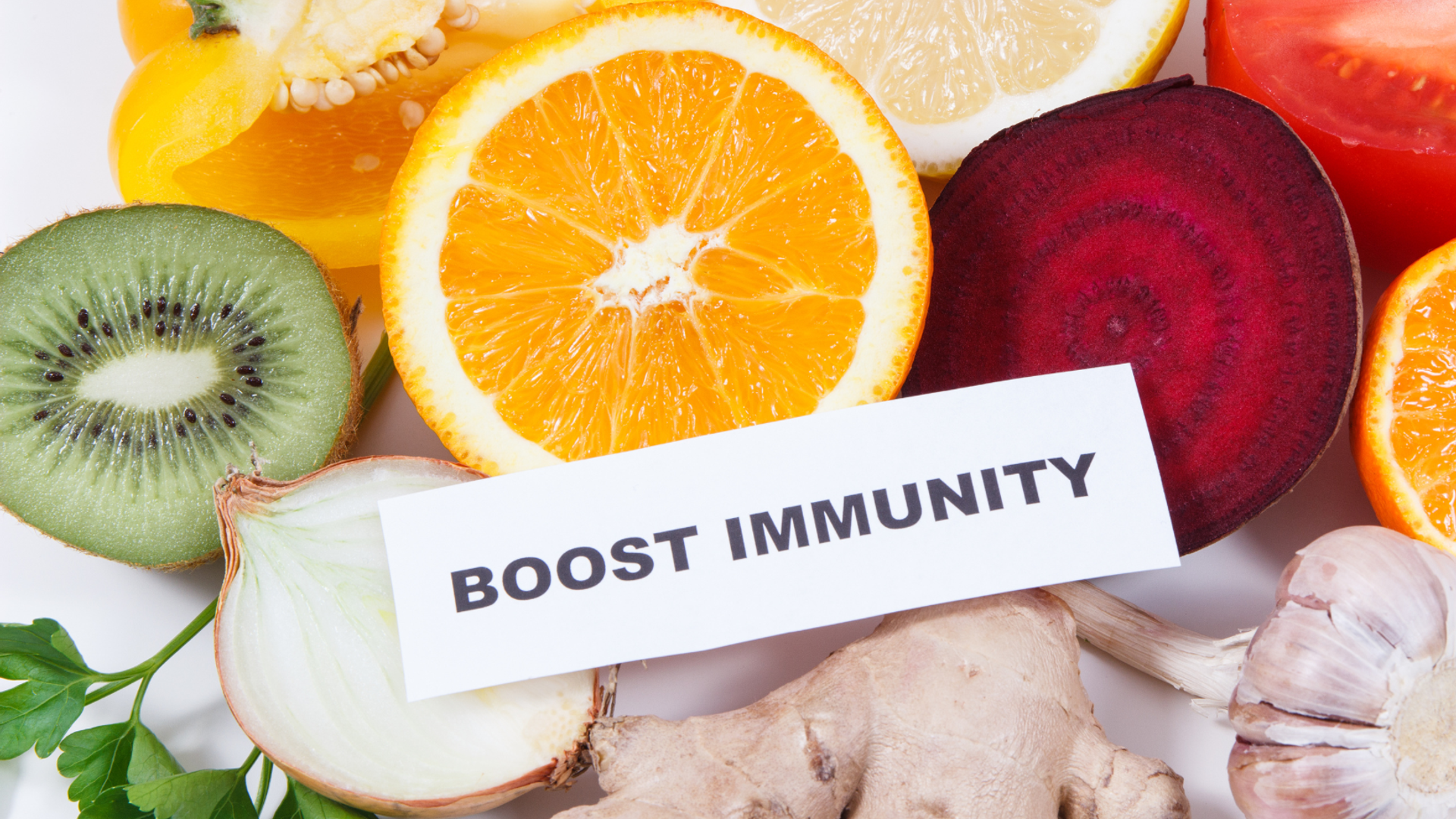
“Boosting immunity” is a catchy phrase, but also misleading.
The immune system is complicated. It’s not a muscle you can flex harder because you added blueberries to your breakfast. It’s a network of cells, proteins, and barriers that protect you, and it runs best when all the basics are covered: good food, enough sleep, hydration, exercise, and low stress.
How smoothies to boost immune system became popular
Smoothies caught on because they’re quick, colorful, and taste like a treat. Eating three cups of spinach doesn’t sound appealing. Blending it with strawberries and a banana? Much easier.
With the rise of juice bars and Instagram-worthy pictures, a smoothie for immune system support suddenly became the health trend of the decade.
The problem is how the marketing ran with it. Juice bars started selling “immune blasts” with extra charges for turmeric shots or mystery powders. People began to expect smoothies to prevent every cold, flu, and seasonal sniffle. That’s not realistic.
Why the phrase “immune booster smoothie” is misleading
Here’s an example. One of our clients swore by citrus-heavy blends. Oranges, lemons, pineapple, and ginger, up to three smoothies a day. She told everyone she hadn’t been sick in months because of it.
Then winter hit. She caught the flu like everyone else in her family. The point isn’t that her smoothies didn’t help. They probably did supply vitamins. The point is, they couldn’t undo the fact that she was also sleeping five hours a night and stressed at work.
That’s what makes the phrase “booster” dangerous. It sells the idea of a shield, when really, smoothies are reinforcements. They add steady nutrition that supports the immune system. But they won’t save you if the rest of your lifestyle is working against you.
So if you’re sipping a daily immune smoothie, enjoy it. But don’t expect it to cancel out late nights, skipped meals, or constant stress.
Ingredients That Actually Support Immunity
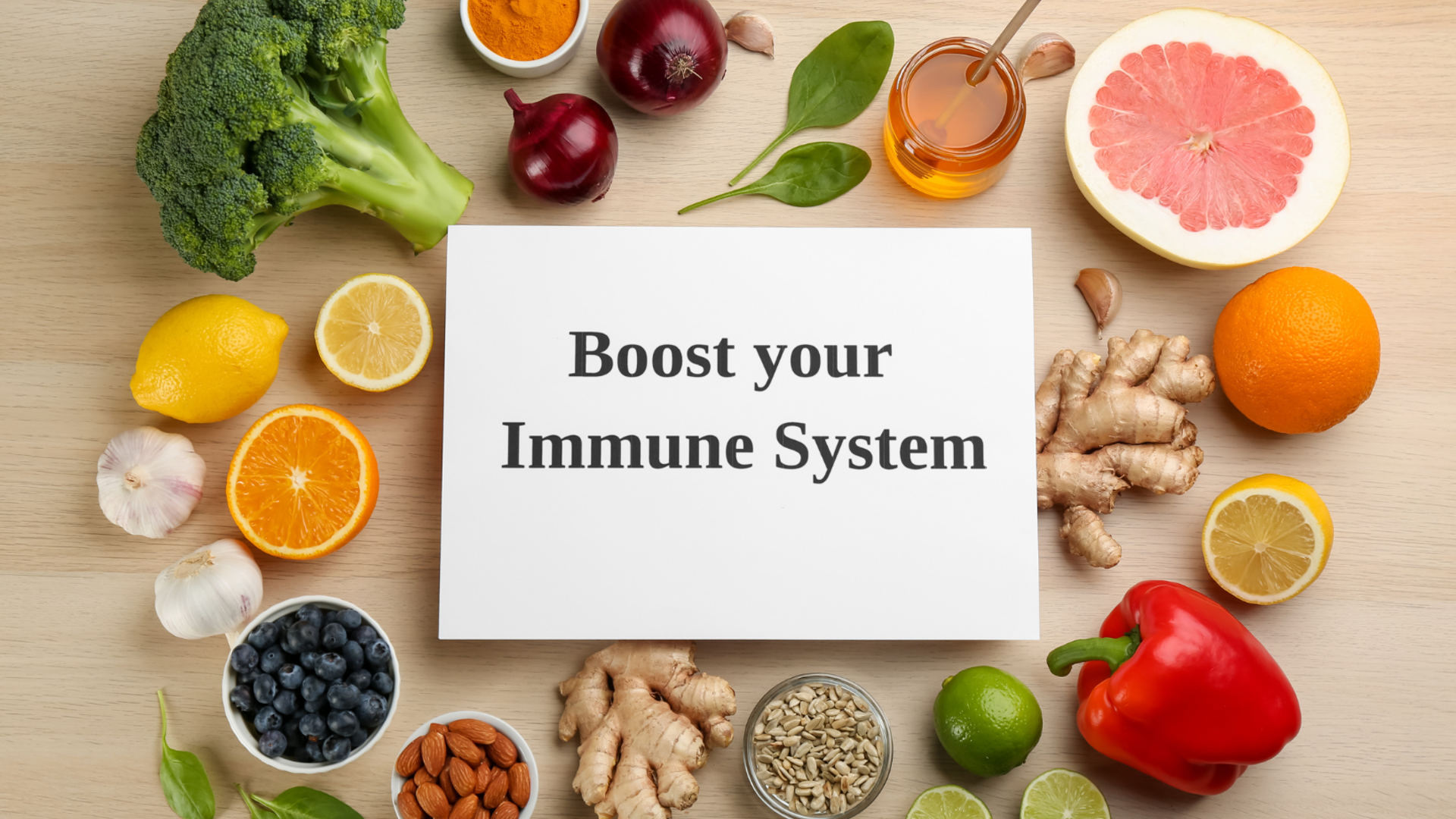
This is where smoothies can get real benefits. It’s not about exotic powders or rare berries shipped from halfway across the world. It’s about basic, nutrient-rich foods that have been supporting immune health for decades. Add them to your fitness nutrition plan, and you may notice some positive changes: more energy, better sleep, and possibly fewer colds.
Fruits that make a strong immunity smoothie
Vitamin C is the star here, and fruits like oranges, kiwi, and strawberries deliver plenty. Pineapple not only provides vitamin C but also bromelain, which may help alleviate inflammation and improve digestion.
Similarly, berries (blueberries, raspberries, blackberries) offer antioxidants that protect cells. Even a squeeze of lemon in a smoothie adds a solid boost.
One of our clients made a habit of blending frozen berries with yogurt every night as a dessert replacement. Over time, it became their go-to snack. They weren’t chasing a magic potion, but they ended up eating more antioxidants and protein without thinking about it.
That’s how a simple immune system smoothie actually works: not flashy, just steady.
Veggies worth adding to an immune system smoothie
Greens like spinach, kale, and even romaine are vitamin powerhouses. Carrots provide beta-carotene, which the body converts to vitamin A. Red bell peppers? They actually pack more vitamin C than oranges. And here’s the trick: in a smoothie, you barely taste them if fruit is included.
Parents often laugh about this. One called smoothies her “parenting hack,” because it was the only way her kids would eat vegetables. She blended carrots and kale with mango and pineapple, and her kids asked for “orange monster juice” every morning. That’s an immune support smoothie win.
Extras that upgrade an immune support smoothie
This is where small additions make a difference. Ginger and turmeric bring anti-inflammatory compounds. Yogurt or kefir add probiotics, which support gut health (and the gut is closely tied to immunity). Seeds like chia or flax provide omega-3 fats. Even blended oats can add fiber that helps regulate digestion, another underappreciated part of staying well.
If you’re not a fan of chewing on fruit and veg, here’s how you can incorporate healthy foods into smoothies:
- Blueberries, spinach, banana, and protein powder (basic but balanced).
- Pineapple, carrot, ginger, and turmeric (bright and sharp).
- Mango, kefir, flax seeds, and honey (gut-friendly).
- Strawberries, kale, and orange juice (a classic vitamin C hit).
- Whatever’s in the fridge, half a lemon and a handful of frozen greens. (Not pretty, but surprisingly effective.)
The point isn’t perfection. It’s nutrients. Smoothies overloaded with fruit juice and sugar aren’t much better than soda. But smoothies with whole fruits, veggies, protein, and healthy fats? That’s where the term immunity-boosting smoothie starts to mean something real.
The Limitations of Smoothies for the Immune System
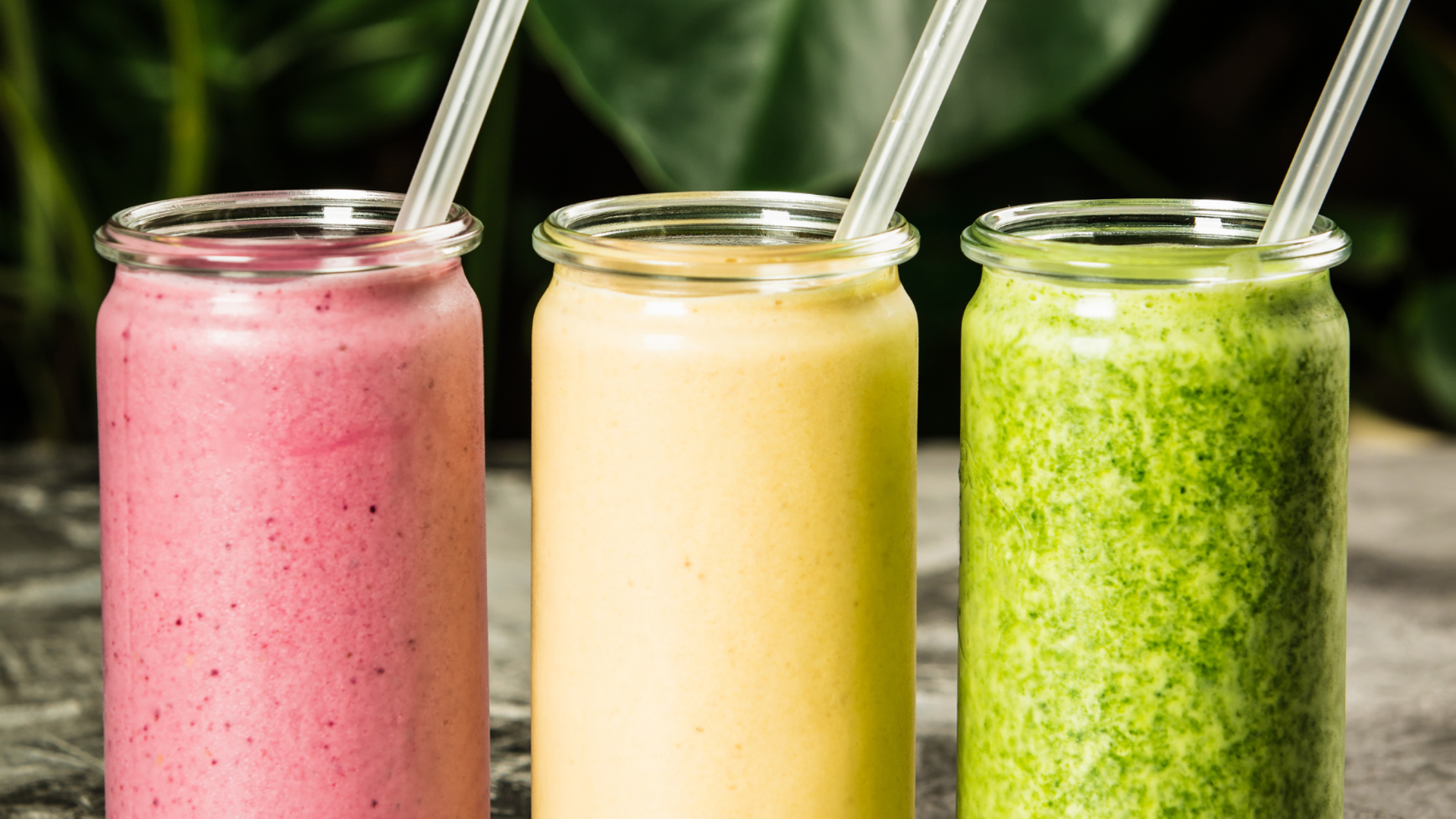
Here’s the part that smoothie marketers don’t want to admit: smoothies aren’t magic.
They help, but they’re not the whole picture. You can drink the most antioxidant-packed immune system booster smoothie every morning, but if you’re also sleeping only four hours a night, stressed nonstop, and dehydrated, your immune system will still struggle.
The body works as a system. Nutrition matters, yes. But so does sleep. So does exercise. So does managing stress. Smoothies support, they don’t replace.
Why immunity smoothies aren’t magic fixes
One client believed smoothies were the missing piece. Every morning, he made a bright green kale and ginger blend. He was consistent for months. But he also worked 60-hour weeks, barely exercised, and skipped sleep. Guess what? He still felt run-down. The smoothies weren’t useless, but they couldn’t undo the bigger picture.
This is the familiar trap. People want a single fix. Something fast, easy, and delicious. Smoothies check those boxes, but health doesn’t come from a blender alone.
Common mistakes people make with immunity-boosting smoothies:
- Too much sugar. Tossing in cups of juice or sweetened yogurt defeats the purpose. The immune system doesn’t run well on sugar spikes.
- Ignoring balance. Smoothies built only on fruit taste great, but they lack protein and healthy fats. That leaves you hungry an hour later.
- Treating them like medicine. Downing one smoothie after you’re already sick won’t do much. Immunity is built over time, not in one serving.
- Replacing real meals. A smoothie can be a meal replacement if built right, but just fruit and juice? That’s a snack, not a meal.
How Personal Trainers Help Clients with Nutrition Habits
So where do trainers fit into all this? Most people think trainers only deal with exercise, showing you how to perform sets and reps while maintaining good form.
A great personal trainer also guides habits around nutrition. They’re not dieticians, but they help clients build routines that actually stick. That includes how you eat, how you recover, and yes, whether your daily immune smoothie is working for or against you.
Building balance beyond the immunity boost smoothie craze
Smoothies often become a crutch. People think, “If I drink one every morning, I don’t have to think about the rest of my meals.” Trainers call that out. Balance matters. A smoothie can be a great start to the day, but if lunch is fast food and dinner is skipped, the bigger picture falls apart.
Trainers help clients see the smoothie as part of a routine, not the routine itself. That shift changes everything.
Why accountability makes nutrition habits stick
Most people know what they should eat. That’s not the problem. The problem is doing it consistently.
Accountability is what makes the difference. When a trainer checks in — “Did you prep that smoothie?” or “How’s your breakfast looking this week?” — clients follow through more often.
We had a client who always skipped breakfast, then crashed by mid-morning. Once her trainer suggested a healthy smoothie recipe she could prep in under five minutes, things shifted. It wasn’t complicated; just frozen berries, spinach, Greek yogurt, and flax. She started showing up to workouts with more energy because she finally fueled her body.
How Svetness trainers combine fitness with smarter eating
At Svetness, we know health isn’t just exercise. It’s how you fuel your body, too.
Svetness in-home trainers guide clients to simple, sustainable choices. No fad diets. No expensive powders. Just practical habits like planning workouts, prepping smoothies, and balancing meals. That’s how clients stop chasing quick fixes and start building health that lasts.
Where We Stand on Immune-Boosting Smoothies
So, are immunity-boosting smoothies a fad or a secret weapon? The answer is somewhere in the middle.
They’re not miracle cures, but they’re not nonsense either. When built with the right ingredients, they’re one of the easiest ways to get more vitamins, minerals, and antioxidants into your diet.
But they’re not the only piece. Smoothies can’t replace sleep, hydration, stress management, or exercise. They’re one part of a larger system. And the clients who see the best results aren’t the ones who drink smoothies like medicine: they’re the ones who blend them into a balanced lifestyle.
That’s where personal training comes in. With Svetness in-home personal training, clients don’t just get workouts. They get support for habits. Trainers show up, build routines, and keep people accountable. That includes exercise and nutrition. Whether it’s helping plan a smoothie to boost the immune system or guiding better meal prep, the goal is the same: consistency.
The immune system doesn’t need hype. It requires steady support. Smoothies can be part of that, but real health comes from balance. Put the two together (smart nutrition and steady exercise) and the difference is huge.
FAQs
Do immune-boosting smoothies really work?
Yes and no. A smoothie won’t prevent every cold or flu, but it can support the immune system by supplying nutrients like vitamin C, antioxidants, and probiotics. The key is consistency. One smoothie won’t do much, but a daily habit built with smart ingredients can help your body stay strong.
What should I put in a smoothie for immune system support?
Focus on whole foods. Citrus fruits, berries, kiwi, and pineapple for vitamin C. Spinach, kale, and carrots for vitamins A and C. Yogurt or kefir for probiotics. Ginger and turmeric for anti-inflammatory benefits. Add protein and healthy fats to keep it balanced.
Can an immunity smoothie recipe replace vitamins or supplements?
Not exactly. Smoothies can provide many of the same nutrients, but supplements fill gaps that diet alone might miss. If you’re low in vitamin D or zinc, for example, a smoothie won’t be enough. Think of smoothies as a food-first approach to nutrition, not a replacement for medical advice or prescribed supplements.
How often should you drink smoothies to boost immune system health?
There’s no magic number. Daily is fine if they’re balanced: fruit, veggies, protein, and healthy fats. But don’t force it. If you prefer smoothies a few times a week, that still helps. What matters more is the bigger picture: overall diet, rest, and lifestyle. Smoothies are one tool, not the whole toolbox.
Start your Svetness journey today
Get a free consultation and see how our trainers can transform your wellness journey.