Personal Trainer Reveals How to Recover After Leg Day
Leg day has garnered a brutal reputation for a reason, but the following trainer-approved tips are designed to help you recover with minimal soreness and downtime.
There’s nothing quite like the soreness that hits after a serious leg workout. In fact, millions of internet memes have clearly shown that this is not a unique experience.
Climbing stairs feels like a challenge, sitting down is uncomfortable, and even walking across the room reminds you of every squat and lunge you powered through. It’s a familiar feeling for anyone who trains regularly, but it leaves many people wondering how to recover after leg day in a way that actually helps instead of making the soreness worse.
In this blog, we’ll walk through everything a personal trainer wants you to know about recovering after leg day, from post-workout habits to active recovery techniques.
Regardless of whether you’re doing strength training at home or at the gym, the following information is guaranteed to make your post-leg-day experience a little easier. By taking recovery seriously, you can reduce discomfort, protect your muscles, stay consistent with your training, and even climb those dreaded stairs.
Why Leg Day Hits Harder Than Other Workouts
Leg day has earned its reputation for a reason.
It often feels more intense than other workout days, not because people fear the exercises themselves, but because of the way the body responds afterward.
The fatigue, soreness, and heavy legs are all signs that your body has been pushed harder than usual. To understand how to recover after leg day, you need to understand why it’s so demanding in the first place.
The Muscles You Work on Leg Day:
A typical leg workout targets your glutes, quads, hamstrings, and calves. These muscles are responsible for activities such as walking, standing, climbing, and many other everyday movements.
Exercises like squats, lunges, Romanian deadlifts, and step-ups are compound movements that engage multiple joints and muscles simultaneously. They are incredibly effective for building strength, but they also break down a lot of muscle tissue, which increases the body’s recovery demands.
Because you’re working such large areas of the body, leg workouts often leave you feeling more sore and more tired than sessions focused on smaller muscle groups like biceps or shoulders. It’s not just about how hard the workout feels in the moment. It’s also about how much repair your body has to do after it’s over.
Why Muscle Breakdown Is Normal:
When you strength train, you create tiny tears in your muscle fibers. This process is completely normal and necessary for building strength. As your body repairs these microtears, it makes the muscle stronger and more resilient.
The soreness you feel after a workout, often referred to as delayed onset muscle soreness (DOMS), is a result of this process.
While DOMS is common after leg day, especially if you increase your intensity or try new movements, it’s also a sign that your body is working to rebuild. Knowing how to support that recovery process is key to reducing discomfort and seeing results.
The First Few Hours After Leg Day Matter Most
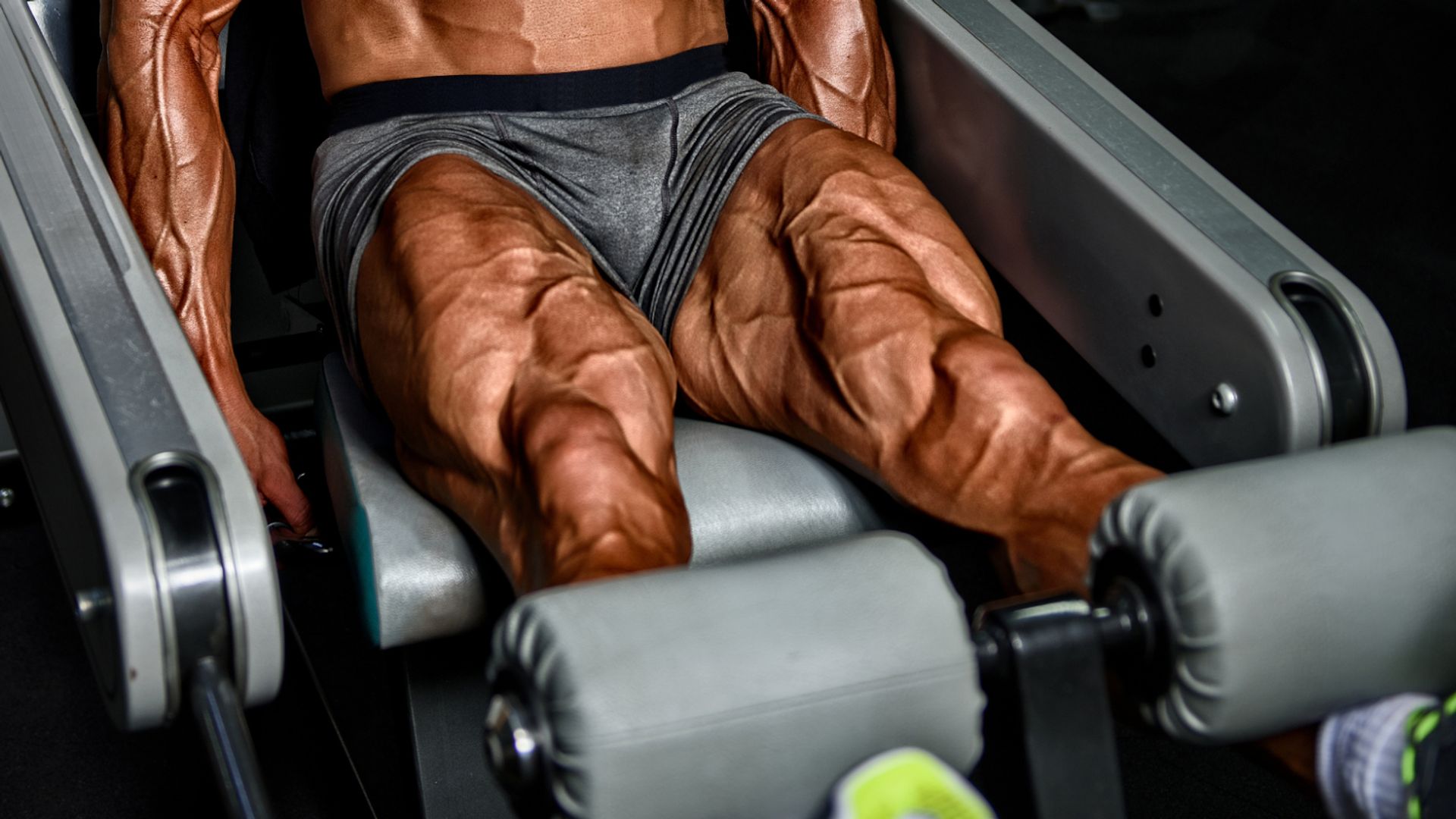
When it comes to recovering after leg day, timing makes a big difference. What you do in the first few hours after your workout can influence how sore you feel, how well you sleep, and how ready your body is for your next session.
Recovery doesn’t start the next day. It begins the moment your workout ends. A few simple steps in those early hours can go a long way in reducing soreness and helping your body start the healing process faster.
Refuel With Protein and Carbs
After a challenging leg workout, your muscles are depleted. They need nutrients to begin the repair process. A combination of protein and carbohydrates can help replenish energy stores and support muscle recovery.
Protein helps rebuild the microtears in your muscles, while carbohydrates restore glycogen (your body’s preferred energy source during exercise). Eating a balanced meal or snack within an hour or two of your workout can help you recover faster and feel better the next day.
Stay Hydrated and Support Circulation
Hydration plays a major role in how to recover after leg day.
When you sweat during a workout, your body loses fluids and electrolytes that need to be replaced. Staying hydrated helps flush out metabolic waste, reduces cramping, and keeps your muscles from tightening up too much.
Drinking water throughout the day and after your session also supports better circulation, which helps your body deliver nutrients to the muscles that need them most. Proper hydration may not be the flashiest recovery tool, but it’s one of the most effective.
Gentle Movement Helps More Than You Think
It might be tempting to collapse on the couch and stay there for the rest of the day, but gentle movement can actually speed up recovery. Walking, stretching, or doing light mobility exercises can keep your muscles loose and reduce the risk of excessive tightness.
Keeping your body moving at a lower intensity can help prevent a heavy, stiff feeling from setting in too deeply. You don’t need to go back to the gym. Even a short walk or light stretching session later in the day can help you feel better faster.
How to Recover After Leg Day Over the Next 24–48 Hours

The recovery process doesn’t stop after your post-workout meal and a stretch. What you do in the next one to two days plays an equally important role in reducing soreness and helping your muscles heal. This is where smart habits and consistency start to pay off.
If you want to know how to recover after leg day and still feel good enough to work out later in the week, the following strategies are where it all comes together. Think of this as maintenance mode: Your job is to give your body the tools it needs to repair, grow, and bounce back stronger.
Prioritize Sleep and Rest
Sleep is when most of your muscle recovery occurs.
During deep sleep, your body releases growth hormone, which supports muscle repair and regeneration. If you cut corners on sleep, you may notice that your soreness lingers longer and your energy levels drop.
Rest is just as important. That doesn’t mean doing nothing, but it does mean avoiding high-intensity training for at least a day or two after leg day, especially if you’re still feeling sore.
Stretch With Intention
Stretching helps maintain flexibility and reduce tightness after a tough workout. Dynamic stretching is useful before your workouts, but after leg day, static stretching can help relieve muscles that feel shortened or stiff.
Spending a few minutes stretching your quads, hamstrings, glutes, and calves can reduce discomfort and improve your range of motion. The key is to stretch gently and consistently, rather than forcing your body into uncomfortable positions.
Use Heat or Cold Therapy If Needed
There’s no single rule when it comes to applying heat or cold after a workout. Some people find relief from an ice pack or cold shower, while others prefer a heating pad or warm bath. Both can be useful tools depending on your preferences and how your body feels.
Cold can help reduce inflammation if soreness feels intense or sharp, while heat can soothe tight muscles and improve blood flow.
Either method can be part of an effective plan for recovering after leg day, as long as it helps you feel more comfortable and mobile.
Active Recovery Strategies That Actually Work

Many people think recovery means total rest, but that is not always the case.
Active recovery is a powerful way to reduce soreness, support blood flow, and keep your body moving without putting more strain on your muscles. It is one of the most effective long-term strategies for anyone wondering how to recover after leg day without feeling stuck on the couch for days.
The key is to choose movement that feels good, not intense. You are not trying to break a sweat or hit a personal record. You are simply encouraging your body to recover more efficiently through light, purposeful activity.
Try Low-Impact Cardio
Low-impact cardio is one of the easiest ways to support recovery. Activities like walking, light cycling, or using an elliptical machine can help you stay active while keeping the pressure off your sore muscles.
This type of movement improves circulation, which allows nutrients to reach your muscles and waste products to be flushed out. It can also help reduce stiffness and get you back into your regular routine more quickly.
Foam Rolling and Mobility Work
Foam rolling is a form of self-massage that can release tension in tight muscles and reduce that post-leg day stiffness. While it might feel uncomfortable at first, regular foam rolling can improve flexibility, range of motion, and blood flow.
Mobility drills, especially those that focus on the hips, knees, and ankles, also support recovery by reinforcing healthy movement patterns and keeping your joints mobile. Together, these tools can help you stay loose, move better, and feel more in control of your recovery.
Yoga or Recovery-Focused Movement
Gentle yoga classes or recovery-focused mobility sessions can be a great way to stretch out sore muscles, calm your nervous system, and support faster healing. The combination of breathwork, stretching, and mindful movement can reduce soreness while also improving your body awareness and posture.
If you are exploring how to recover after leg day in a more holistic way, this kind of movement can be a helpful addition. Even just ten minutes of gentle flow can leave your body feeling lighter and more relaxed.
Common Mistakes That Slow Down Recovery

Even if you're doing most things right, a few common mistakes can slow down your recovery and prolong your soreness. Learning what not to do is just as important as knowing what to do.
By avoiding these missteps, you give your body a better chance to heal, rebuild, and prepare for your next workout without unnecessary discomfort:
Skipping Meals or Hydration
Recovery starts with nutrition. If you are not eating enough or skipping meals after leg day, your body won’t have the resources it needs to rebuild muscle tissue. This common mistake slows down the recovery process and can leave you feeling drained and sluggish.
Hydration is also essential. Even mild dehydration can increase fatigue and reduce performance in your next workout. Drinking water regularly supports digestion, nutrient absorption, and muscle function.
Sitting All Day After a Leg Workout
It can be tempting to sit at your desk or lounge on the couch after a hard workout, but staying still for too long can actually worsen soreness. Lack of movement can reduce blood flow and cause your muscles to tighten up.
Try to incorporate movement into your day, even if it's just walking around during breaks or doing a few stretches in the evening. Moving your body in small ways makes a big difference in how you feel after leg day.
Overtraining Too Soon
One of the biggest mistakes people make is jumping back into intense workouts before their body is ready. Just because your soreness has started to fade, it doesn't mean your muscles are fully recovered.
Training too hard, too soon, can increase your risk of injury and limit the progress you are trying to make. Giving yourself an extra day of rest or swapping in an active recovery session instead of a full workout can help you stay consistent in the long run.
How Personal Trainers Help You Recover Smarter
Recovery is one of the most overlooked parts of a good fitness routine. Many people focus only on the workout itself and forget that results come from the time in between. If you're unsure how to balance intensity and recovery, working with a personal trainer can make a significant difference.
An in-home personal trainer can help you create a program that includes not just workouts, but also recovery strategies tailored to your body and schedule. They can help you understand how to recover after leg day based on your goals, your experience level, and how your body responds to different types of exercise.
Final Thoughts
If you are wondering how to recover after leg day, the answer is simple: support your body the way it supports you during your workouts. Recovery is not a bonus step. It is a crucial part of progress, and it can be the difference between building strength and staying stuck in soreness.
From post-workout nutrition and hydration to stretching, sleep, and active recovery, there are plenty of ways to help your body heal and grow. Listening to your body, moving with intention, and giving yourself time to rest are all essential steps toward building a stronger, healthier you.
And if you need help finding that balance, consider working with a personal trainer. With a personalized program, built-in accountability, and expert guidance on how to recover and perform your best, you can take the guesswork out of fitness and start moving with more confidence.
Frequently Asked Questions
Why is leg day recovery so important for progress?
Leg day targets some of the largest muscle groups in the body, which means it puts more stress on your system than most other workouts. Without proper recovery, your muscles don't have the time or resources to rebuild and grow, which can slow your progress over time.
How long does it take to fully recover from leg day?
Most people recover within 48 to 72 hours after a tough leg workout, but the timeline can vary depending on factors such as training intensity, nutrition, and sleep. Recovery may take longer if you are new to training or introducing new exercises into your routine.
Should I be doing cardio the day after leg day?
Light cardio can actually help with recovery by improving circulation and reducing stiffness. Just be sure to keep the intensity low, such as walking or gentle cycling, so you do not delay your muscle repair or risk overtraining.
What should I eat to recover faster after leg day?
A balanced meal with protein and carbohydrates within a couple of hours after your workout can support faster recovery. Protein helps rebuild muscle tissue, while carbohydrates help restore energy levels, allowing your body to repair more efficiently.