HIIT Exercises List: Our Trainers’ Favorite Effective Moves
Check out our powerful HIIT exercises list, featuring 18 trainer-approved moves to build strength, stamina, and support fat loss with expert guidance.
If you have ever finished a workout soaked in sweat yet strangely energized, you already understand the appeal of HIIT.
High-Intensity Interval Training has a way of pushing you to your edge in a short window of time and leaving you with that rare mix of exhaustion and accomplishment.
HIIT has become a staple for people who want meaningful results without spending hours training. You do not need a full gym. You do not need elaborate equipment. Many of the most effective sessions fit into twenty minutes and rely only on your body and a small patch of floor space.
In this guide, we share a practical HIIT exercises list built from the moves our trainers rely on most when working with clients at home. These exercises combine simplicity, intensity, and control. You can mix them into your own routines, rotate them for variety, and adjust them to match your pace of progress.
What Makes HIIT So Effective for Strength, Stamina, and Fat Loss
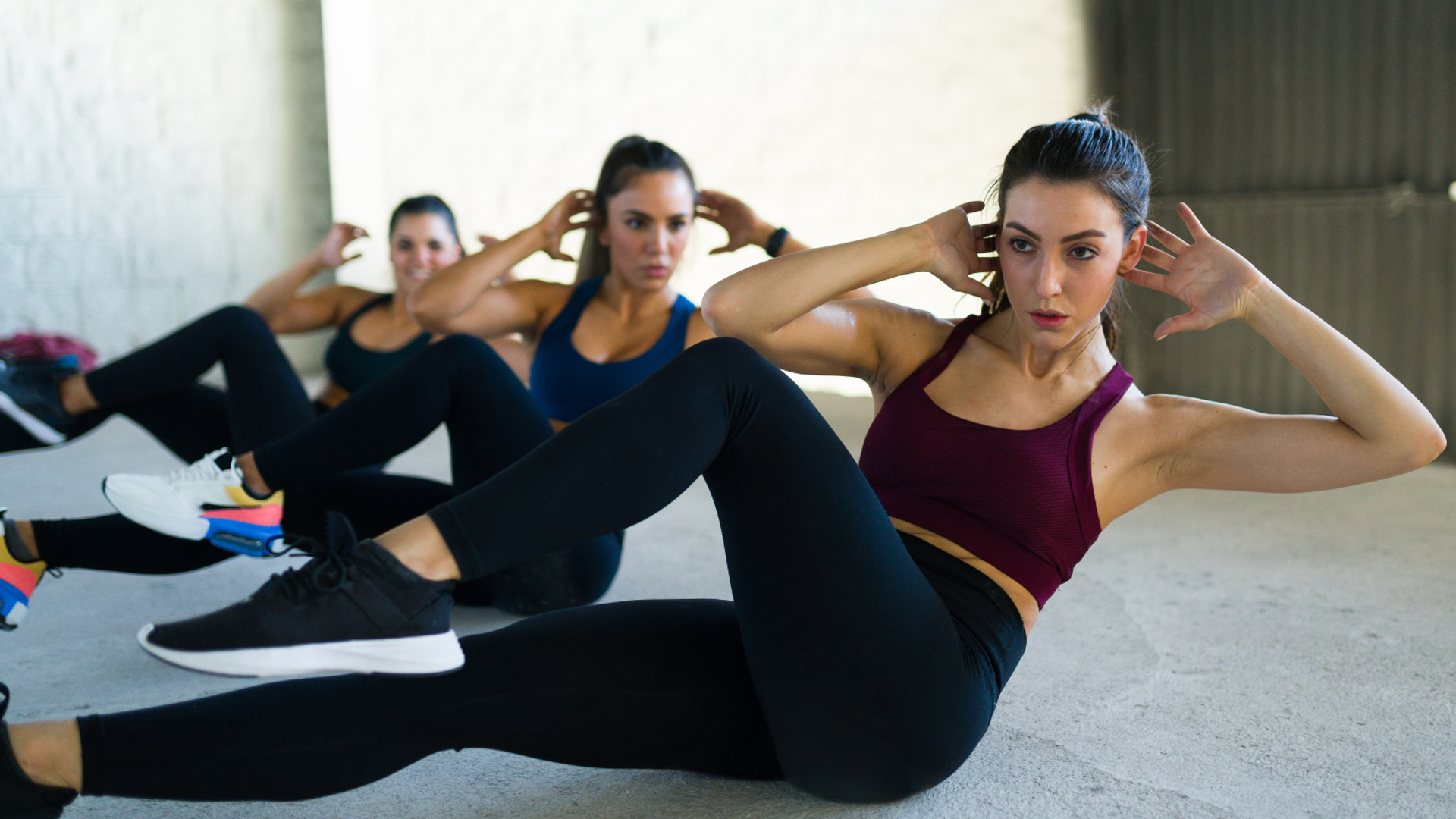
HIIT challenges the body through repeated shifts between hard effort and short recovery. You work intensely for a brief window, then ease off just long enough to recover before the next push. That constant change of gears forces multiple systems to adapt at once.
Over time, those adaptations tend to show up in three areas that most people care about: strength, stamina, and weight loss. Each develops for a different reason, even though they grow inside the same short sessions.
Strength Gains Through Short Bursts of Work
Even without heavy weights, HIIT places repeated load on the muscles. Squatting, jumping, pushing, pulling, and bracing the core under fatigue all ask the body to produce force quickly and repeatedly.
These short, powerful efforts improve functional strength. You notice it first in daily movement. Stairs feel lighter. Carrying groceries becomes less taxing. Getting up from the floor takes less effort. The strength looks subtle at first, yet it shows up clearly in how you move through your day.
Stamina That Carries Into Everyday Life
Stamina is not only about how long you can run. It is also about how well your body handles repeated effort without crashing. HIIT trains the heart and lungs to respond efficiently under stress, then recover quickly.
As your conditioning improves, you begin to witness the difference in ordinary activities. Walking uphill feels steadier. Long days on your feet feel less draining. The stop-start rhythm of HIIT mirrors real-life effort patterns, which is why the endurance you gain tends to feel practical.
Fat Loss as a Byproduct of Consistent HIIT
HIIT increases energy use during training and for a period afterward as the body restores balance. That added demand supports steady fat loss when paired with regular movement, enough food, and rest.
Many people also notice better appetite regulation and fewer sharp energy dips. Fat loss through HIIT often appears first in how clothes fit and how you feel moving through space. The scale tends to be the last place where change shows up.
How to Structure a HIIT Workout
A strong HIIT exercises list works best when the overall session has a clear structure. Without that structure, workouts drift into either endless cardio or overly aggressive intensity that is difficult to sustain.
Warm-Up: Preparing the Body for Intensity
A warm-up raises heart rate gradually, loosens joints, and prepares the nervous system for faster movement. Five minutes of light marching, arm swings, gentle squats, hip circles, and easy twists is enough for most people.
This phase reduces stiffness, sharpens coordination, and lowers the chance of tweaked muscles once intensity rises.
The Work Intervals: Where HIIT Actually Happens
Most HIIT sessions use work windows of 20 to 45 seconds followed by 15 to 30 seconds of lighter movement or rest. The effort should feel demanding yet repeatable. You want to finish each round challenged, not depleted.
The goal is steady output across all rounds rather than a single all-out burst that fades quickly.
Rounds and Total Workout Length
Three to five rounds of a short circuit suit most routines. A full session usually lasts 20 to 30 minutes, including warm-up and cool-down. Longer sessions rarely add value for HIIT and often increase fatigue without improving results.
Cool-Down: Bringing the Body Back to Baseline
The cool-down allows the heart rate to come down gradually. Slow walking, calm stretching, and relaxed breathing support recovery immediately instead of hours later. Skipping this phase often shows up as stiffness the next day.
Weekly Frequency and Balance
Two to three HIIT sessions per week work well for most people. On non-HIIT days, walking, cycling, or mobility-focused movement keeps activity steady without compounding stress.
Start your Svetness journey today
Get a free consultation and see how our trainers can transform your wellness journey.
The Ultimate HIIT Exercises List

The following HIIT exercises list is organized by body region so you can mix and match based on your goals, available space, and energy that day. Each move can be scaled for speed, range of motion, or resistance.
1. Lower-Body HIIT Moves
Lower-body movements drive heart rate quickly because they involve the largest muscle groups.
Jump Squats
- Start in a squat, then jump straight up and land softly back into the squat position
- Trainer cue: Abs braced, chest up, land through the mid-foot
- Why it works: Builds explosive leg strength while rapidly increasing heart rate
- Common mistake: Landing stiff-legged or locking the knees
Reverse Lunges With Knee Drive
- Step one leg back into a lunge, then drive the front knee upward as you return to standing
- Trainer cue: Keep weight centered over the front heel
- Why it works: Trains single-leg strength, balance, and hip stability
- Common mistake: Letting the front knee collapse inward
Skater Jumps
- Jump side to side from one leg to the other while sweeping the arms for balance
- Trainer cue: Sit into the hips and stay low between jumps
- Why it works: Develops lateral power and strengthens the glutes
- Common mistake: Letting the torso twist excessively
Step-Ups
- Step onto a sturdy chair or platform with one foot, then drive through the heel to stand
- Trainer cue: Stand fully at the top before stepping down
- Why it works: Builds leg strength with low joint stress
- Common mistake: Using the trailing leg to push off
2. Upper-Body HIIT Moves
Upper-body HIIT challenges posture, shoulder stability, and core control at the same time.
Push-Up to Shoulder Tap
- Perform a push-up, then tap one shoulder at a time at the top position
- Trainer cue: Keep hips level and core tight
- Why it works: Strengthens the chest and shoulders while training core stability
- Common mistake: Rocking the hips side to side
Plank Jacks
- Hold a high plank while jumping both feet out and back together
- Trainer cue: Press firmly through the hands and shoulders
- Why it works: Builds shoulder endurance while maintaining core tension
- Common mistake: Dropping the hips or arching the lower back
Triceps Dips
- Use a chair or bench to lower and raise your body by bending and straightening the elbows
- Trainer cue: Keep shoulders down and elbows pointed backward
- Why it works: Isolates and strengthens the triceps
- Common mistake: Letting the shoulders roll forward
3. Core-Focused HIIT Moves
The core stabilizes the body as fatigue builds.
Mountain Climbers
- From a plank position, alternate driving knees toward the chest at a steady pace
- Trainer cue: Maintain a straight line from shoulders to heels
- Why it works: Elevates heart rate while engaging deep core muscles
- Common mistake: Allowing the hips to rise too high
Bicycle Crunches
- Lie on your back and alternate bringing opposite elbow and knee together
- Trainer cue: Rotate through the ribs, not the neck
- Why it works: Targets both the upper abs and obliques
- Common mistake: Pulling on the head with the hands
Plank to Bear Crawl
- Move from a straight-arm plank into a bent-knee bear position, then return
- Trainer cue: Move with control and steady breathing
- Why it works: Strengthens the core through loaded transitions
- Common mistake: Moving too quickly and losing alignment
4. Full-Body Power Moves
These movements recruit multiple muscle groups and create the highest cardiovascular demand.
Burpees
- Drop into a plank, complete a push-up, step or jump forward, then stand or jump up
- Trainer cue: Keep the core tight through every phase
- Why it works: Trains strength and conditioning simultaneously
- Common mistake: Letting the lower back sag in the plank
Jumping Lunges
- Switch legs in midair from one lunge position to the other
- Trainer cue: Land softly with both knees bent
- Why it works: Builds explosive strength and cardiovascular capacity
- Common mistake: Landing unevenly or leaning forward
High Knees
- Run in place while lifting knees toward the chest as quickly as controlled
- Trainer cue: Drive the arms naturally to support the legs
- Why it works: Improves coordination and aerobic power
- Common mistake: Slouching the upper body
Bear Crawl Shoulder Taps
- Crawl forward in a bear position while tapping each shoulder with the opposite hand
- Trainer cue: Keep hips steady and steps small
- Why it works: Challenges shoulders, core, and leg endurance together
- Common mistake: Moving too fast and losing control
5. Minimal-Equipment HIIT Add-Ons
Simple tools raise intensity without complicating the routine.
Dumbbell Thrusters
- Hold dumbbells at shoulder height, squat down, then press the weights overhead as you stand
- Why it works: Trains legs, shoulders, and cardiovascular endurance together
Band-Resisted Squat Pulses
- Squat down with a resistance band above the knees and perform small controlled pulses
- Why it works: Keeps constant tension on the glutes
Renegade Rows
- Hold a plank with hands on dumbbells and row one arm at a time
- Why it works: Strengthens the upper back while resisting core rotation
Kettlebell Swings
- Hinge at the hips and swing the kettlebell to shoulder height using hip drive
- Why it works: Builds power through the hips while elevating heart rate
How to Choose the Right HIIT Exercises for Your Goals
A thoughtful HIIT exercises list allows you to steer sessions toward what matters most to you.
For fat loss, full-body and lower-body movements tend to raise energy demand the most. For conditioning, continuous transitions with short rest keep the heart rate elevated. For muscle tone, rotating resistance-based work with bodyweight exercises helps maintain balance.
Beginners usually benefit from joint-friendly moves that allow consistent effort without fear of form breakdown. More advanced trainees can rotate intensity through heavier resistance or shorter rest periods.
The goal remains the same at every level: sustained effort you can repeat week after week.
Sample 20-Minute HIIT Workout Using These Moves
Here is one simple example using the HIIT exercises list above:
Format: 40 seconds of work, 20 seconds of rest. Complete 3 to 4 rounds.
• Jump Squats• Push-Up to Shoulder Tap• Skater Jumps• Mountain Climbers• Dumbbell Thrusters• High Knees
Rest one minute between rounds. Cool down with five minutes of slow walking and full-body stretching. Progress this workout by adding one round after two weeks, or by slightly increasing work time while keeping rest the same.
HIIT for Different Fitness Levels
HIIT for Beginners
Lower-impact versions, longer rest periods, and fewer rounds build confidence without overwhelming recovery.
HIIT for Intermediate Trainees
Standard work-to-rest ranges and moderate resistance keep progress steady.
HIIT for Advanced Trainees
Shorter rest periods and heavier loading increase density without extending total workout time.
Common Mistakes to Avoid in HIIT
Skipping warm-ups often leads to avoidable strains. Letting form break down under fatigue gradually erodes progress. Performing HIIT every day without lighter recovery sessions often leads to stalled performance.
Recovery supports consistency. Two to three HIIT sessions per week, spaced by lower-intensity days, tends to support longer training cycles.
Recovery and Fatigue Management With HIIT
HIIT places real demand on the nervous system. Lingering soreness, low motivation, and disrupted sleep often signal insufficient recovery rather than lack of effort.
On tired days, walking, mobility work, or light cycling restore balance without compounding fatigue. Hydration and regular meals support energy just as much as rest.
Progress grows when stress and recovery remain in balance.
How In-Home Personal Training Makes HIIT Safer and More Effective
HIIT often looks simple on screen, yet small technical errors can quietly build up when training alone at home. A faster pace magnifies form issues quickly. Knees drift inward. Shoulders tense. Breathing shortens under fatigue.
In-home personal training brings steady correction into that environment. Trainers adjust stance, pacing, and resistance in real time. They modify impact for joints that need protection. They regulate intensity so effort stays productive rather than overwhelming.
Working out at home also removes many barriers to consistency. There is no commute. Sessions fit into daily schedules instead of competing with them. Accountability becomes built into the week.
Svetness trainers use HIIT as a flexible tool rather than a rigid template. Sessions evolve with your conditioning, energy, and home setup. That structure helps many clients train with confidence rather than guesswork.
Bottom Line: What You Really Get From Consistent HIIT Training
HIIT gives you a way to train with focus inside a short window of time. Strength builds through repeated effort. Stamina grows through steady recovery. Fat loss follows consistency rather than extremes.
The most effective HIIT exercises list is not the one packed with the hardest moves. It is the one you can return to week after week with steady effort and clean form.
If you want added structure and guidance at home, in-home personal training through Svetness brings personalized support into the space where you actually train.
Ready to get started? Book a free Svetness consultation today.
> Free Consultation: Get Your Personalized Plan
FAQs
How often should I do HIIT each week?
Two to three sessions per week works well for most people when paired with lower-intensity movement on other days.
Can beginners safely follow a HIIT exercises list?
Yes, when impact and pace are scaled to match current fitness level and recovery capacity.
Is HIIT effective for fat loss and muscle tone?
Consistent HIIT supports both when paired with steady nutrition and recovery.
Is in-home personal training good for HIIT workouts?
Yes. In-home coaching helps maintain form, regulate intensity, and support consistency.
Start your Svetness journey today
Get a free consultation and see how our trainers can transform your wellness journey.