Fun Fitness: Why Dance Workouts Are Making a Comeback
Dance workouts are making a major comeback, but why now? This blog breaks down the real reasons people are ditching the gym and finding joy, confidence, and results through rhythm instead.
If it feels like everyone is dancing their way through workouts lately, you're not imagining things.
From TikTok challenges that go viral overnight to full dance-cardio classes filling up at local studios, dance workouts are enjoying a full-blown resurgence. And it’s not limited to any one age group or fitness level. On the contrary, everyone from teenagers to retirees is getting in on the fun.
Part of this movement can be credited to social media, where bite-sized choreography routines have reignited people’s love for movement. But the real story goes deeper.
Dance has always been an integral part of human culture, serving as a form of expression, storytelling, and release. Now, more than ever, people are returning to it not just for fitness, but for joy, stress relief, and connection. It’s become a way to reclaim movement in a world that often makes exercise feel intimidating or overly serious.
And here’s the thing: it works.
Dance workouts are fun, approachable, and surprisingly effective. They manage to blend cardio, strength, and coordination into one session, often without you even noticing how much effort you’re putting in. Unlike traditional workouts that rely on reps, sets, or strict structure, dancing encourages flow, creativity, and personal expression.
You don’t need to have years of training or a perfect sense of rhythm. Both professionals and newbies would agree that there’s something about dancing that makes fitness feel less like a chore and more like a celebration. It welcomes you in just as you are and gives you permission to move your body in a way that feels good.
This blog provides a closer look at why dance workouts are experiencing a resurgence in popularity, the wide range of benefits they offer, and how they compare to more traditional forms of exercise.
We’ll also explore how to get started from home, even if you’re convinced you have two left feet (we don’t believe that!)
What Counts as a Dance Workout?
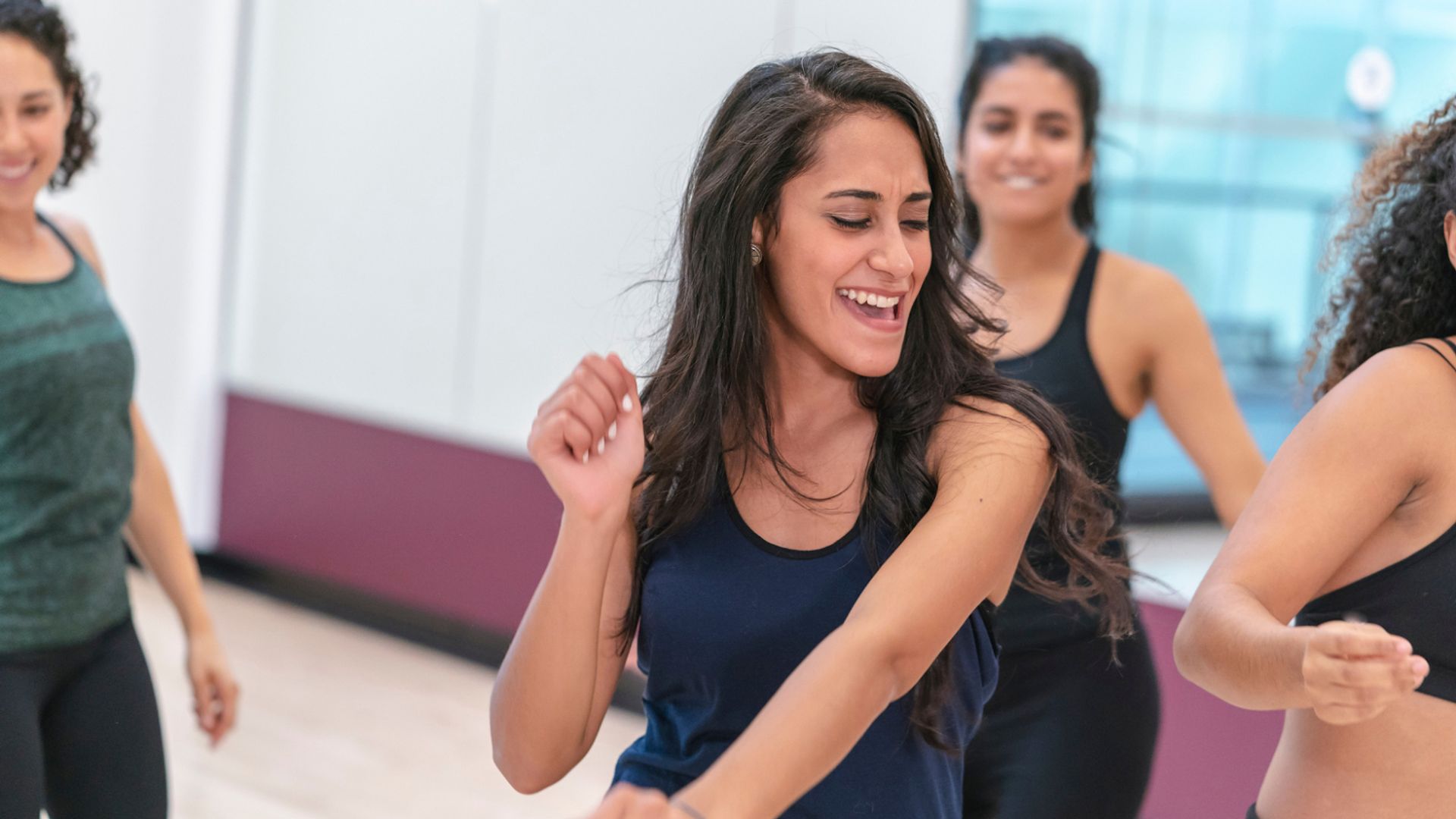
Before exploring the reasons behind the comeback, it's helpful to define what we mean by “dance workout.” And no, you don’t need to be a trained dancer to enjoy one.
Dance workouts are structured fitness routines that use choreographed movement to raise your heart rate, challenge your muscles, and keep your brain engaged. They range from fast-paced cardio sessions to slower, strength-based formats, and everything in between.
Some are inspired by classical styles like ballet or jazz, while others are rooted in hip-hop, Latin, or club-style music. You’ll find them in gyms, on streaming platforms, or even on social media. It doesn’t matter you’re doing a choreographed class like Zumba or freestyling to your favorite playlist. If you’re moving with rhythm and intention, it counts as a dance workout.
The most fun part? There’s room for personal expression. You can modify moves to match your fitness level or mood that day, which makes it easier to stay consistent and engaged.
For people who prefer privacy or a more personalized environment, an aerobic workout from home, even with the support of a personal trainer, can make dance sessions even more rewarding.
Why Dance Workouts Are Making a Comeback

Over the last few years, the fitness industry has seen a noticeable shift.
With the rise of body positivity and self-love, people are no longer just chasing physical results; they are embracing a holistic approach to their well-being. Nowadays, people seek connection, joy, and a break from the pressure of perfection.
Dance workouts check all those boxes and more.
These workouts are making a comeback because they offer something that many traditional routines don’t: an emotional payoff. You’re not just burning calories. You’re shaking off stress, connecting with music, and letting go of expectations. There's a feeling of freedom that comes with movement that isn't tied to rigid reps or complicated equipment.
They Bring Joy to Movement
Let’s be honest: a lot of workouts feel like punishment.
Dance flips that narrative.
Moving to music activates parts of the brain associated with emotion and reward, which can explain why people feel genuinely happier after a dance session, even a brief one.
And this statement isn’t just anecdotal. Different cultures around the world have noticed that dancing can improve mood, reduce anxiety, and even combat symptoms of depression. It creates a natural release of endorphins and helps relieve mental fatigue, which is often what people need more than another set of squats.
Ultimately, when movement feels good, you're more likely to do it consistently and actually enjoy the process.
They’re Accessible to More People
You don’t need fancy equipment or perfect form to start dancing.
Most dance workouts can be done in your living room, at your own pace, and without a single push-up. This accessibility makes them ideal for beginners, older adults, or anyone who feels out of place in a traditional gym.
Because there’s such a wide variety of formats, it’s also easier to find something that fits your preferences.
Prefer slow, grounded movement? Try barre or contemporary. Want to sweat and smile at the same time? Try Latin fusion or high-energy hip-hop. There's something for every mood and energy level, which keeps workouts from feeling repetitive.
They Combine Cardio, Strength, and Coordination
At first glance, dancing might not seem like a full-body workout, but it absolutely can be. A well-designed routine can elevate your heart rate, engage your core, tone your legs, and challenge your balance, all in the same session.
The constant shifting between moves also trains coordination and memory, which is especially beneficial for brain health as we age. It’s multitasking, but in the best way: your brain and body learning new skills in sync. Even basic choreography can stimulate parts of the brain involved in memory, timing, and spatial awareness.
If you're working toward better overall fitness, a personal trainer can help you incorporate dance into a balanced routine. This might include strength training, mobility work, or posture correction, which can be especially helpful if you're dancing regularly at home and want to stay injury-free.
The Benefits of Dance Workouts
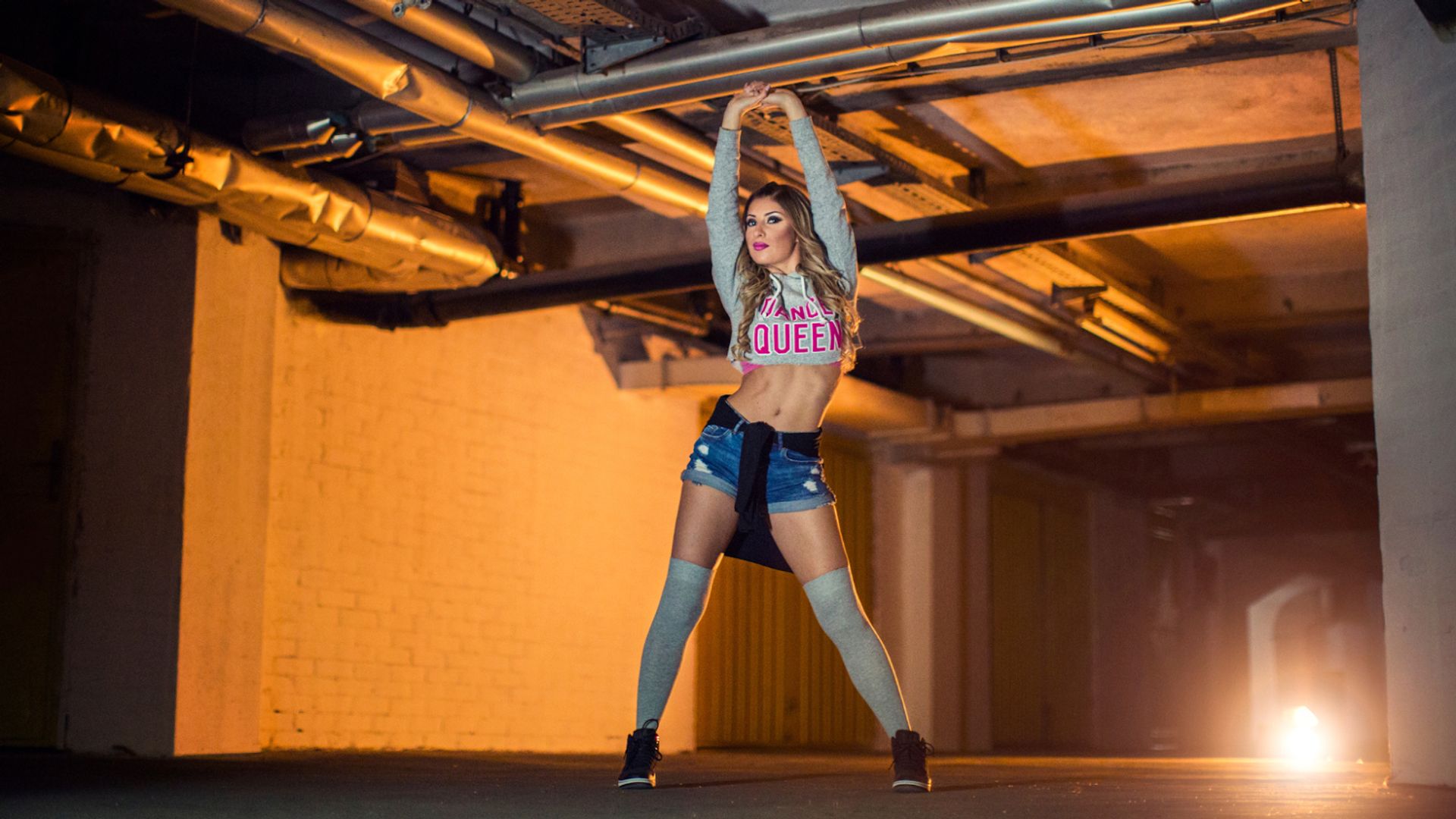
People aren’t just dancing for fun: they’re also seeing real results.
Dance workouts can support a wide range of fitness goals, from improving endurance to supporting weight loss or simply reducing stress. And unlike many high-intensity programs, they don’t require you to burn out just to make progress.
Let’s look at some of the most meaningful benefits:
Improved Cardiovascular Health
Consistent dance workouts can be just as effective as other forms of aerobic exercise. Many routines keep your heart rate elevated for 30 minutes or more, which strengthens the heart, supports blood flow, and helps regulate blood pressure.
Over time, this can improve your stamina and make daily activities, such as walking up stairs or carrying groceries, feel easier. When you're dancing to your favorite music, you're often getting in your cardio without even realizing it.
Some people find it easier to commit to cardio when it feels like entertainment. If you're someone who prefers variety and flexibility, a trainer or dance instructor can help tailor dance-based routines to your needs and preferences.
Better Balance and Flexibility
Unlike static weightlifting or machine-based cardio, dancing challenges your balance with every step, twist, and reach. Many dance styles also include dynamic stretches or flowing transitions that keep the body limber.
Improved flexibility and coordination can reduce your risk of injury, especially as you age.
These benefits make dance an ideal cross-training tool even for people who regularly lift weights or run. Better balance also supports stability during everyday activities, like walking on uneven surfaces or climbing stairs.
Mood and Mental Health Support
There’s a reason so many people say they “dance their stress away.” The combination of music, movement, and endorphin release makes dance an effective natural mood booster. Some people even use dance as a tool for emotional regulation, especially during tough times.
The act of learning new choreography also gives the mind something to focus on, which can serve as a form of mindfulness. It draws your attention away from the day’s worries and helps reset your mental state.
It doesn’t matter if you’re dancing alone, with friends, or following an instructor. This sense of confidence can carry over into other areas of life.
A More Consistent Fitness Habit
The best workout is the one you’ll actually do. For many people, dance is that very workout.
Because it’s more fun and less rigid than other routines, dance workouts are often easier to fit into a weekly schedule. You’re not dragging yourself to the gym. Instead, you’re creating a playlist of your favorite tracks and pressing play. That sense of enjoyment can turn a casual interest into a long-term routine.
Dance also gives people permission to move intuitively. You don’t need to stick to a set number of reps or sets. Instead, you can simply move for the length of a song or the mood you’re in. This flexibility is one of the reasons people return to it again and again.
Getting Started with Dance Workouts at Home
You’ll be glad to know that you don’t need a gym membership or even a dance background to get started. The best part about dance workouts is how easy they are to explore from the comfort of your own space.
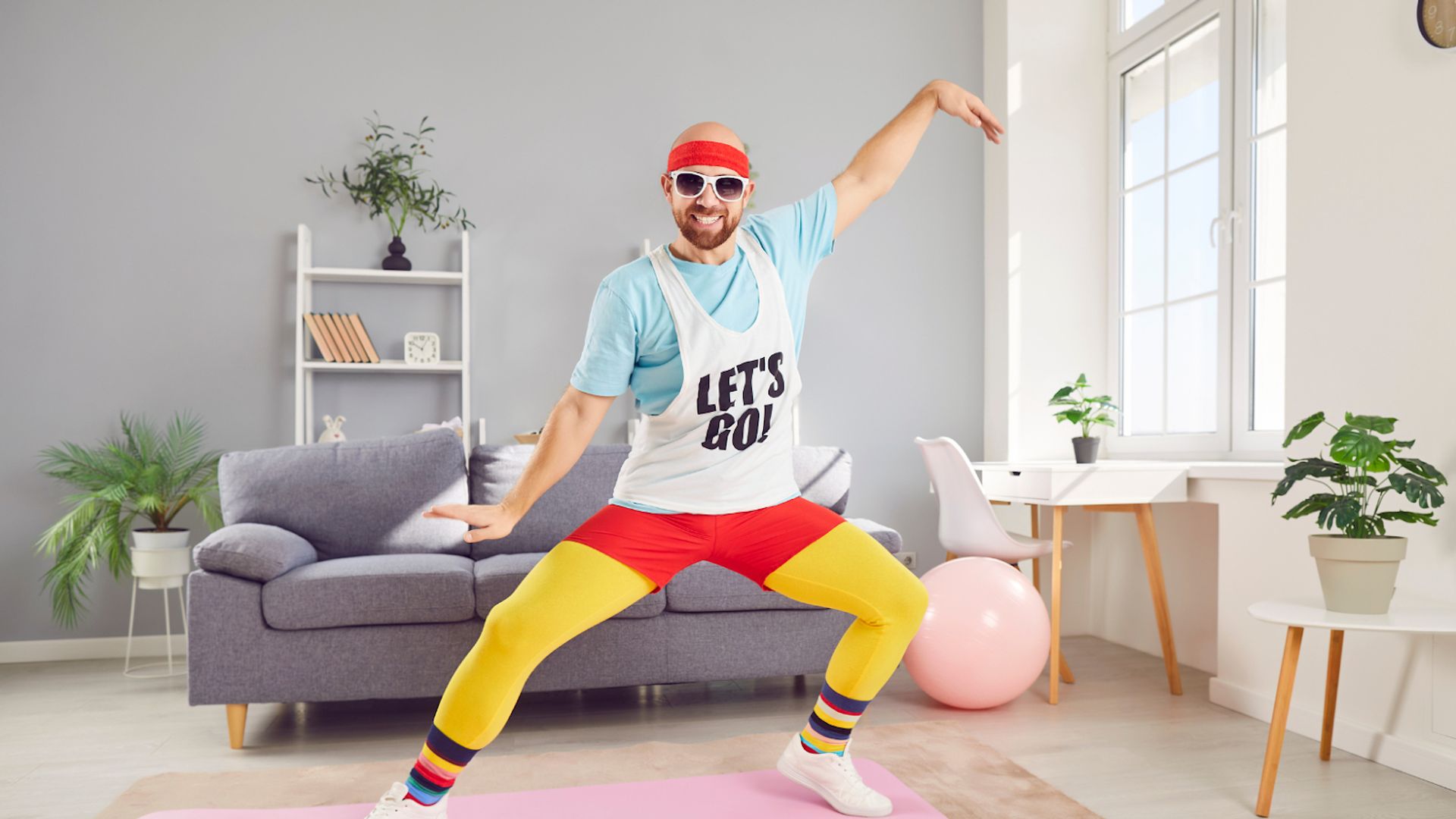
There are numerous options available online, ranging from YouTube instructors to paid streaming platforms. Many offer beginner-level tutorials that break down the moves slowly before speeding things up. You can start with just ten minutes a day and gradually increase as you gain confidence.
Clearing a bit of floor space, wearing comfortable clothes, and letting go of the need to be “good” at it is really all you need. Remember: it’s not about looking perfect. Quite the opposite, actually. Dance is all about moving your body and feeling good while doing it.
And if you’re not sure how to build a well-rounded routine, working with a coach or trainer can offer guidance, especially if you want to balance dance with other types of training.
Some people even bring their trainer into the home so workouts feel more comfortable and personal. That slight shift in environment can make a big difference in motivation.
Final Thoughts
The comeback of dance workouts isn’t just a passing trend. It’s part of a larger movement toward joyful, sustainable fitness that works with your lifestyle, not against it.
If you’ve been struggling to find a workout you enjoy, dance might be the answer. It’s fun, effective, and adaptable to every fitness level.
And if you want support in building a balanced routine that keeps the rhythm going, pairing dance with other types of training, such as mobility, strength, or core work, can help keep things fresh and help you reach your goals.
Working out from home makes it even more convenient to start. For those who benefit from encouragement or structure, adding a professional into the mix, even occasionally, can turn casual movement into a powerful habit.
Frequently Asked Questions
Are dance workouts good for weight loss?
Yes. Because dance workouts raise your heart rate and keep you moving, they can help burn calories and support fat loss, especially when paired with a healthy diet and consistent routine.
Do I need rhythm or coordination to start?
Not at all. Most beginner-level classes break things down slowly, and over time, your coordination will naturally improve. The goal is to move, have fun, and stay active, not to perform perfectly.
How often should I do dance workouts?
It depends on your fitness goals. For general health, three to five sessions a week can be a great place to start. If you’re using dance as your primary form of exercise, consistency matters more than intensity.
Can dance workouts replace traditional exercise?
They can, especially for cardiovascular health and general fitness. However, if you have specific goals, such as building muscle, you may benefit from incorporating strength training as well, potentially with the help of a personal trainer.
Start your Svetness journey today
Get a free consultation and see how our trainers can transform your wellness journey.