Create Your Own Couch to 5K Training Plan With Svetness

Go from zero to 5K with a practical running plan designed for beginners. Discover how Svetness personal trainers build custom programs to support real progress.
Starting a running habit from scratch can feel like going up a steep hill (pun intended).
You know it’s good for you. You really do. Yet the gap between the couch and a 5K finish line looks massive, especially if your last proper workout was sometime before lockdown.
But the beauty of a couch to 5K training plan is that it doesn’t rush. It meets you exactly where you are, even if that’s parked on the sofa with zero endurance and a pair of dusty sneakers (for now).
This plan isn’t just about athleticism. It’s about momentum. You start small, really small, and build confidence one interval at a time. You walk, you jog, you rest. Then you repeat the process the next day. That slow, consistent structure is what makes it work. And for people who think running “isn’t for them,” it often changes everything.
There’s also something incredibly grounding about a plan that tells you what to do and when to do it. You don’t have to overthink it. The simplicity is part of the appeal and part of what keeps people coming back for more.
Most importantly, it’s doable. You don’t need fancy gear, a gym membership, or even a treadmill. With the right mindset and a smart progression, your living room and a nearby sidewalk are enough to get started.
Ready to go from couch potato to pro athlete? Let’s dive in!
What Makes the 5K Such a Popular Goal?

Yes, a 5K is technically a race. But it’s also a marker. It’s short enough to feel manageable for beginners, yet long enough to feel like a real accomplishment.
That combo is why so many people pick it as their first big goal when getting into fitness. It gives structure to your weeks, something to aim for, and a way to track progress that isn’t tied to weight or appearance.
Some people train for charity events. Others just want to keep up with their dog on weekend walks. And some people just want to prove they can achieve a fitness goal like this to one person—themselves! The “why” doesn’t matter as much as the follow-through. You set a goal, you build toward it, and you cross a finish line that’s yours alone.
Not everyone follows the same path. Some prefer apps. Others scribble out their own calendar. Some do it solo, while others have a personal trainer guiding each step. In-home personal training is especially useful for this kind of goal. Why? Because it meets you exactly where you’re at. No pressure. No crowds. Just professional and one-on-one support in your own space.
The 5K works because it’s flexible. It suits various lifestyles, body types, and definitions of success. But only if the plan is designed around you.
The Key Components of a Solid Couch to 5K Plan
Not to sound cliche, but everyone is different. And each 5K plan should reflect that as well.
The best plans strike a balance among three key aspects: gradual progression, cross-training, and recovery. Without those in place, you’re more likely to burn out or get sidelined with an injury before race day even shows up on your calendar.
A good plan doesn’t overload you with daily runs. Instead, it alternates between walking and jogging at first, then gradually builds up the running portions over time. You'll usually see a 3-day-per-week running schedule, with rest days and strength or mobility work in between.
Balance keeps your joints happy and your motivation steady.
And finally, a good plan builds confidence. You notice the small improvements, such as longer jog intervals, less soreness, and faster recoveries, and those micro wins keep you motivated.
Walking Is Part of the Plan (And Always Should Be)
People often underestimate walking. Rookie mistake! Walking is just as important as jogging, especially during the early stages of training. It helps you recover between intervals and keeps your heart rate in a manageable zone. It’s also a built-in reminder that fitness doesn’t have to be punishing to be effective.
The walk breaks are what allow you to run again the next day. Ignore them, and you’ll feel it later.
Most couch to 5K training plans start with a 1:1 or 2:1 walk-to-run ratio. Over the upcoming weeks, the runs get longer and the walks shorter, but that process should feel natural, not forced. You’re not taking it easy when you walk. You’re training smart.
Running Form and Breathing Come Before Speed
Before you focus on pace, consider how your body moves. Are your arms relaxed? Is your footstrike light and quiet? Are your shoulders creeping up toward your ears?
Most beginners overlook form issues until something starts to hurt. But you can avoid a lot of those aches by checking in early, especially with your posture and cadence. Personal trainers are great at spotting poor form, so consider working with an instructor if you tend to disregard posture.
Breathing also takes a minute to settle. Short runs can feel harder than they should if your breath’s all over the place. Try syncing your inhale and exhale with your steps. That rhythm helps settle your nerves and gives your brain something to focus on besides “Ugh, this is hard.”
Recovery Isn’t Optional: It’s Essential

Most people don’t know this, but you don’t get fitter during your workouts. You actually get fitter during the time between them.
Recovery allows your muscles to rebuild, your joints to settle, and your energy systems to adapt to new demands. Without rest days, your couch to 5K training plan turns into a fast track to burnout.
That’s why smart training plans schedule non-running days. But recovery isn’t about lying down for 48 hours. Active recovery, like walking, gentle stretching, or a short mobility circuit, keeps you moving without adding stress.
Sleep, hydration, and stress management are part of recovery too. If you’re running on four hours of sleep and three coffees, your body’s working twice as hard to do half as much. Rest well. Your next run will thank you.
Why Strength and Cross-Training Make Such a Huge Difference
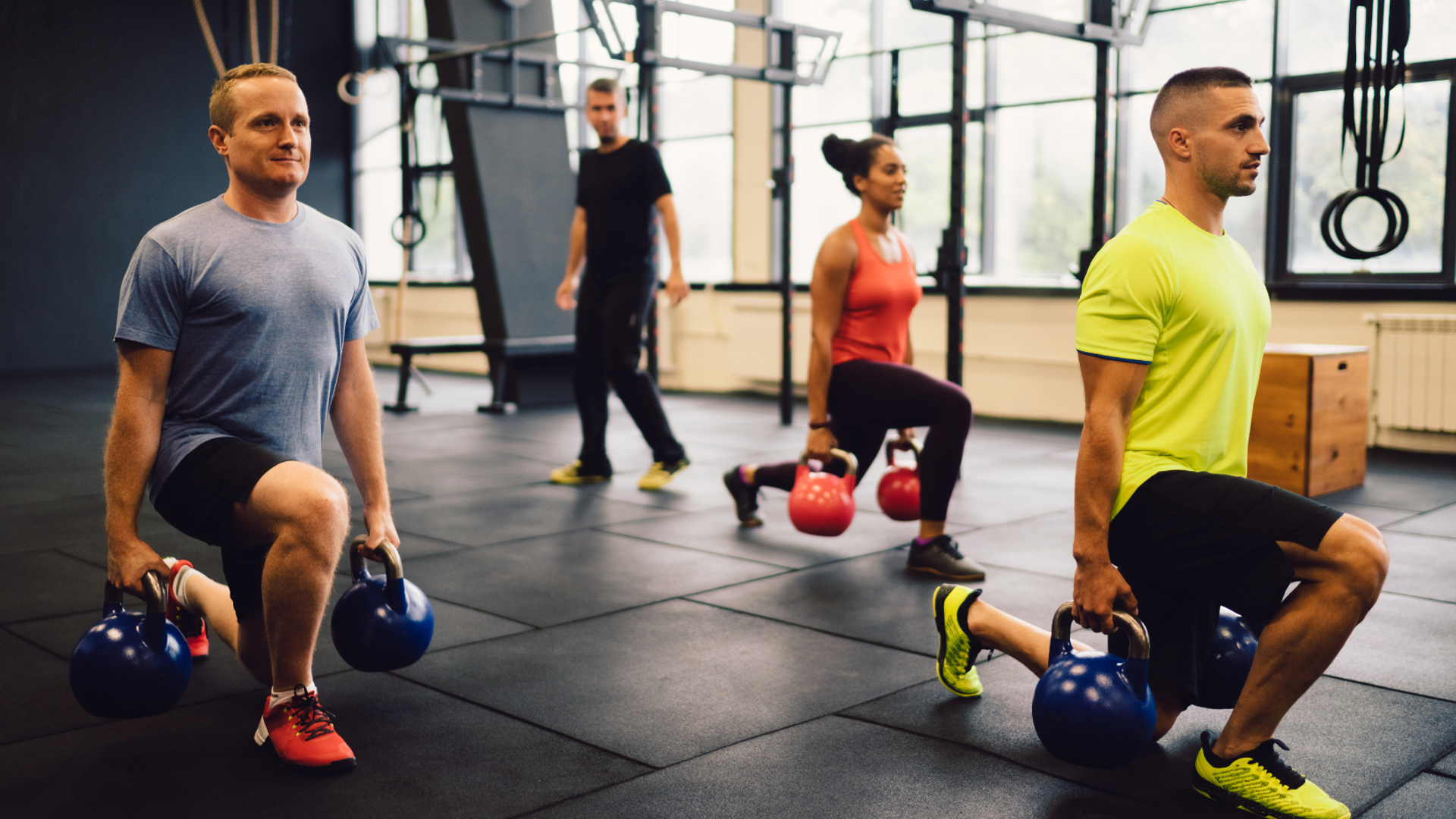
Running is only part of the picture. To stay injury-free and make real progress on a couch to 5K training plan, you’ll need to support your runs with strength and cross-training. This doesn’t mean hours in a weight room. It means short, targeted sessions that support your movement patterns and build durability.
Two days a week of bodyweight strength (think squats, lunges, glute bridges, pushups, and planks) go a long way. These exercises target the muscles that stabilize your stride and absorb impact. And when those muscles are stronger, you move more efficiently.
Cross-training adds variety and reduces the risk of repetitive strain. This could be cycling, low-impact cardio, or even a mobility-focused yoga session. These workouts keep your aerobic system working while giving your joints a break.
Even a 20-minute session can have a massive impact. It helps prevent common beginner injuries like shin splints and runner’s knee and makes you feel stronger during your runs.
Don’t Skip the Mental Work, Either

We hate to break it to you, but training for a 5K can mess with your head. Some days, your legs will show up, but your brain won’t. On others, you’ll run further than expected and feel like you’re flying. The swings are normal. But you’ll need a mental toolkit to stay in it for the long haul.
Setting micro-goals can help, like finishing a full week or hitting three runs in a row. So does tracking your progress in a journal or app. Visual reminders of your consistency make a difference when motivation dips.
And if you’re working with a trainer, don’t underestimate the value of a good pep talk. Sometimes what you really need is someone saying, “You’re doing better than you think. Keep going.”
How to Create Your Own Couch to 5K Training Plan With Svetness

If you want a plan tailored specifically to your life, rather than a one-size-fits-all routine, this is where Svetness comes in.
Our approach to 5K prep starts with real conversations, realistic goals, and practical scheduling. While Svetness trainers certainly help you smash your goals, they’re also here to create a system that works for your body, space, and routine.
Here’s how it works, step by step.
Step 1: Consultation and Assessment
Your journey to the perfect plan starts with a quick and free online consultation. You’ll discuss your fitness background (or lack thereof), injuries, lifestyle habits, and goals. Many people show up feeling nervous. That’s okay. Your trainer meets you where you are, not where you “should” be.
They’ll also assess your current movement patterns, things like joint stability, posture, and cardiovascular readiness. This gives them a sense of how to structure your couch to 5K training plan without overloading you.
Step 2: Personal Trainer Match
You’re matched with a trainer who fits your goals, personality, and availability. Prefer early mornings? Short sessions? A gentle push or more structure? That’s all part of the process. These aren’t random pairings. They’re hand-picked connections based on what you need to succeed.
Once you’re matched, your trainer builds your plan. Not a generic calendar. A custom routine built around your reality.
Step 3: Building Your Weekly Schedule
Most Svetness clients start with a 3–4 day weekly structure. The personalized routine usually includes run-walk intervals, strength or mobility sessions, and guided recovery. Your trainer lays out each week in a format that’s clear, realistic, and repeatable. You always know what’s next, and why.
If you’re short on space or don’t have the right gear, no problem. Svetness trainers specialize in adapting workouts for home environments. That includes creative ways to substitute equipment, adjust for time constraints, and train around busy weeks.
Step 4: Training, Tracking, and Adjusting
You train. Your trainer tracks everything. How you’re progressing, how your body responds, what needs tweaking. They’ll check your form, adjust your intervals, and walk you through the frustrating days when nothing feels right.
They’ll also guide you on pacing, posture, and breathwork, so you don’t just survive your runs, but feel strong doing them.
This part is what makes working with Svetness different. In addition to receiving a tailored plan, you’re also getting feedback, corrections, encouragement, and accountability every step of the way.
Step 5: Nutrition and Lifestyle Support
A successful couch to 5K training plan isn’t just about the workouts. It’s about what happens in between. Your trainer can offer guidance on hydration, sleep habits, and recovery strategies.
Many will also support you with basic nutrition tips, including what to eat before and after running, how to maintain long-term energy, and when to make adjustments.
You don’t need a full meal plan or a workout supplement stack. You just need to know how to eat in a way that supports your training. That’s part of what Svetness trainers help you figure out.
Final Thoughts
The 5K is a popular race, sure. But it’s also a confidence builder. Training for it provides structure to your weeks and purpose to your movement. But more than anything, it gives you a reason to keep showing up for yourself. And when you train with Svetness, you’re not doing it alone.
You’ve got a plan. You’ve got a coach. You’ve got someone adjusting the workouts, watching your progress, and helping you build something sustainable, not stressful.
This isn’t about becoming a “runner.” It’s about becoming someone who knows how to move
consistently, recover properly, and stay motivated without burning out.
And that finish line? It’s closer than you think.
> Explore Personal Training for 5K
FAQs
How long does a couch to 5K training plan usually take?
Most plans last 8 to 10 weeks, depending on your starting point. The pace is gradual, allowing your body to adapt safely without overexertion.
Can I complete a couch to 5K program entirely at home?
Yes. If you have access to a treadmill or a walkable route near your home, that’s enough. Strength and mobility work can be done with just your bodyweight and a mat.
What if I’ve never run before?
That’s exactly what a couch to 5K training plan is for. You’ll start with walking, then gradually build up. A personal trainer can guide your progression to make it feel doable, not overwhelming.
Do I need special shoes or gear?
A good pair of running shoes is the only must-have. Comfortable clothing is also helpful, but you don’t need expensive tech or designer athleisure wear to get started.
Start your Svetness journey today
Get a free consultation and see how our trainers can transform your wellness journey.