Corporate Wellness Program Ideas Your Team Will Use Every Week

A corporate wellness program can look generous and still go unused. Better ideas remove the barriers that stop teams from taking part.
A corporate wellness program should make healthy habits easier for employees to use during real workweeks. That sounds simple, but many workplace wellness efforts still rely on ideas that look good in a benefits deck and fade quickly. A step challenge runs for a month. A fruit bowl appears in the breakroom. A gym stipend gets announced during open enrollment. Then participation drops because the program does not fit how employees actually live and work.
Most teams are not ignoring wellness because they do not care. They are managing deadlines, meetings, commutes, remote work, childcare, stress, fatigue, and long hours at a desk. A benefit that asks them to add more planning, travel, and decision-making may never become part of the week.
Better corporate wellness ideas reduce friction. They make movement more accessible, give employees support, and respect different starting points. A useful program should help the already-active employee stay consistent, but it should also reach the person who feels too tired, too intimidated, or too unsure to start alone.
Start your Svetness journey today
Get a free consultation and see how our trainers can transform your wellness journey.
What Makes a Corporate Wellness Program Easier to Use
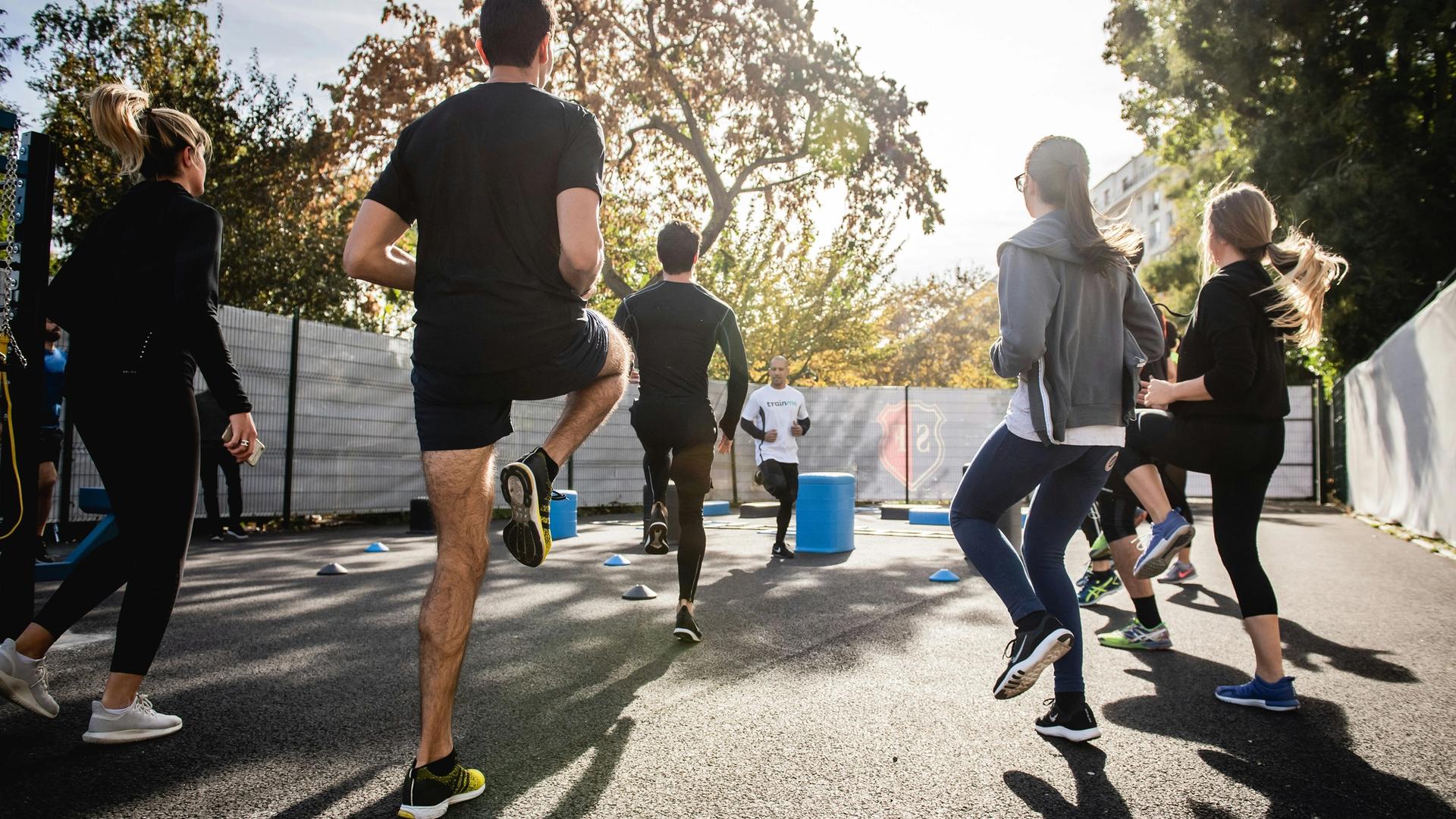
A strong employee wellness idea should fit the workday instead of adding another burden to it.
- It should be simple to join.
- It should support remote, hybrid, and office-based employees.
- It should give guidance, not only access.
- It should respect beginners and active employees.
- It should help with stress, desk stiffness, and low daily movement.
- It should give HR a practical way to track participation.
The ideas that work best are the ones employees can picture themselves using again next week.
Why Step Challenges Often Lose People Early
Step challenges are popular because they are easy to organize and easy to measure. They can create a short burst of interest, but they often reward people who were already moving a lot before the challenge began.
The employee who runs every morning may enjoy the competition. The employee who sits most of the day, has low confidence, or deals with discomfort may feel behind almost immediately. A wellness program should not make the people who need support feel as if they are failing in public.
Step counts also tell only part of the story. Walking can be helpful, but it does not address strength, mobility, posture, recovery, or the physical strain of desk work. Employees may need support with tight hips, weak backs, stiff shoulders, fatigue, and stress. A number on a phone does not teach them how to move better.
A step challenge can still have a place, but it should not be the main wellness strategy. It works better as one light engagement tool within a broader plan.
In-Home Personal Training as a Weekly Benefit
In-home personal training can make wellness more usable because it removes the commute and brings coaching directly to the employee. The session can happen at home, in an apartment gym, in an office fitness room, or in another suitable space.
That matters for busy employees. They do not have to find a gym, drive there, wait for equipment, or figure out what to do alone. A trainer brings structure, accountability, and exercises that match the person’s current fitness level.
The benefits of personal training at home can be especially helpful for teams with remote and hybrid workers. The benefit can reach employees outside the office instead of relying on a workplace gym or a local facility.
This model can also feel more approachable for beginners. Employees who feel uncomfortable in gyms can train privately, ask questions, and practice form without an audience. That can turn a wellness benefit into something they are more likely to use.
Personal Fitness Plans for Different Employees
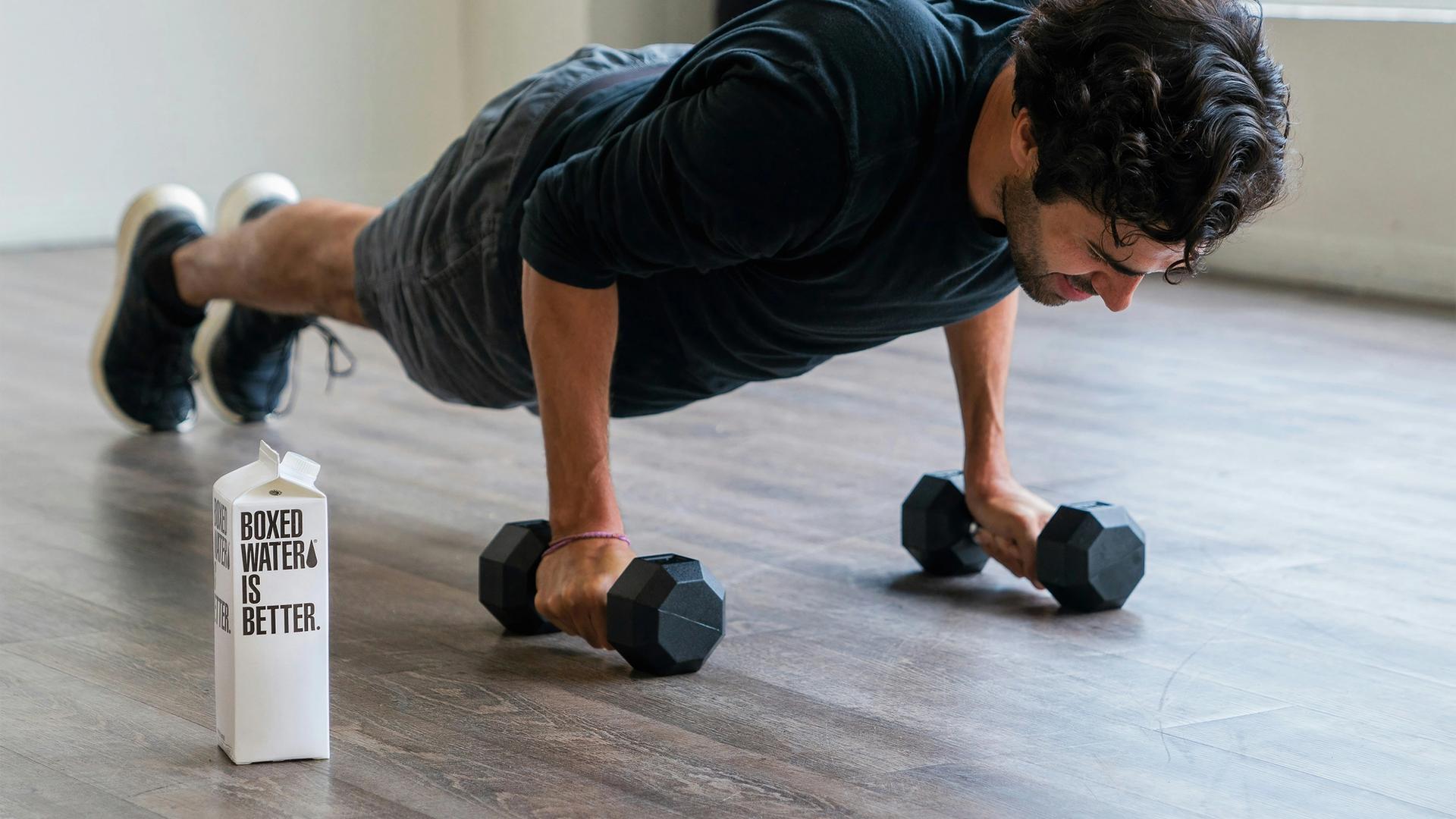
A workplace team includes many bodies, schedules, and goals. One employee may want more energy. Another may want to reduce back discomfort. Someone else may want to build strength after years away from exercise.
That is why a cookie-cutter routine rarely works across a full team. Employees need options that adapt to their needs, not a single idea that assumes everyone is starting from the same place.
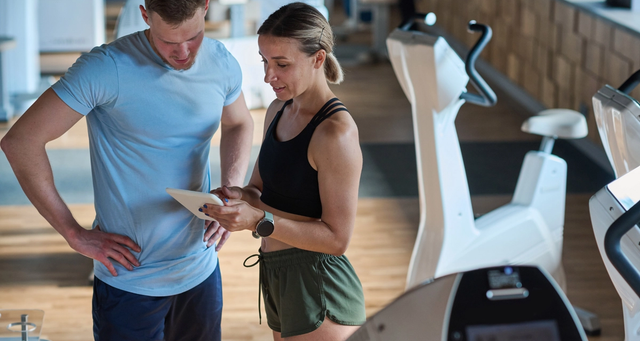
Trainers who build personalized fitness plans can shape sessions around fitness level, injury history, mobility, stress, schedule, and goals. That makes the experience more useful than a generic gym stipend or a one-size-fits-all group class.
Personalization also helps employees feel respected. A beginner does not need the same workout as a marathon runner. A parent training at home during a packed week may need a different plan than someone with a flexible schedule and years of gym experience.
Desk Mobility Sessions Employees Can Use Fast
Desk work creates common physical problems. Employees may feel tight through the hips, stiff through the upper back, sore through the neck, or tired after long blocks of sitting. A useful wellness program should address those everyday issues directly.
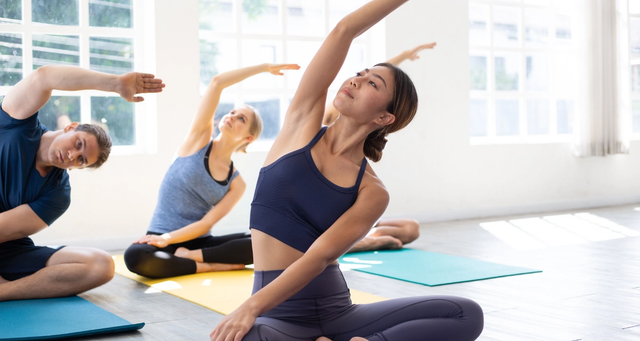
Short desk mobility sessions can work well because they do not require a full outfit change or a trip away from the building. A trainer or wellness coach can teach simple routines employees can use between meetings or after long screen-heavy tasks.
These sessions should be practical. Five to ten minutes of movement can focus on hip mobility, shoulder movement, gentle core activation, breathing, posture resets, or short walking breaks. The goal is not to replace full workouts. The goal is to help employees feel better during the day and build awareness around how often their bodies need movement.
This kind of idea can also support employees who are not ready for formal training yet. It gives them a lower-pressure first step.
Start your Svetness journey today
Get a free consultation and see how our trainers can transform your wellness journey.
Walking Meetings With a Clear Purpose
Walking meetings can be useful when the conversation does not need a screen, spreadsheet, or detailed note-taking. They add movement to the day without asking employees to give up personal time.
The key is to use them thoughtfully. A walking meeting should have a clear purpose, a small group, and a realistic route. It should not become a performative wellness task that creates awkwardness or excludes people with mobility limitations.
Teams can use walking meetings for check-ins, brainstorming, one-on-one conversations, or short updates. Remote employees can take the same idea into phone calls when suitable.
This is a simple way to make movement feel normal during the workday. It also helps wellness feel less like a separate campaign and more like part of how the company operates.
Better Wellness Workshops for Real Work Problems
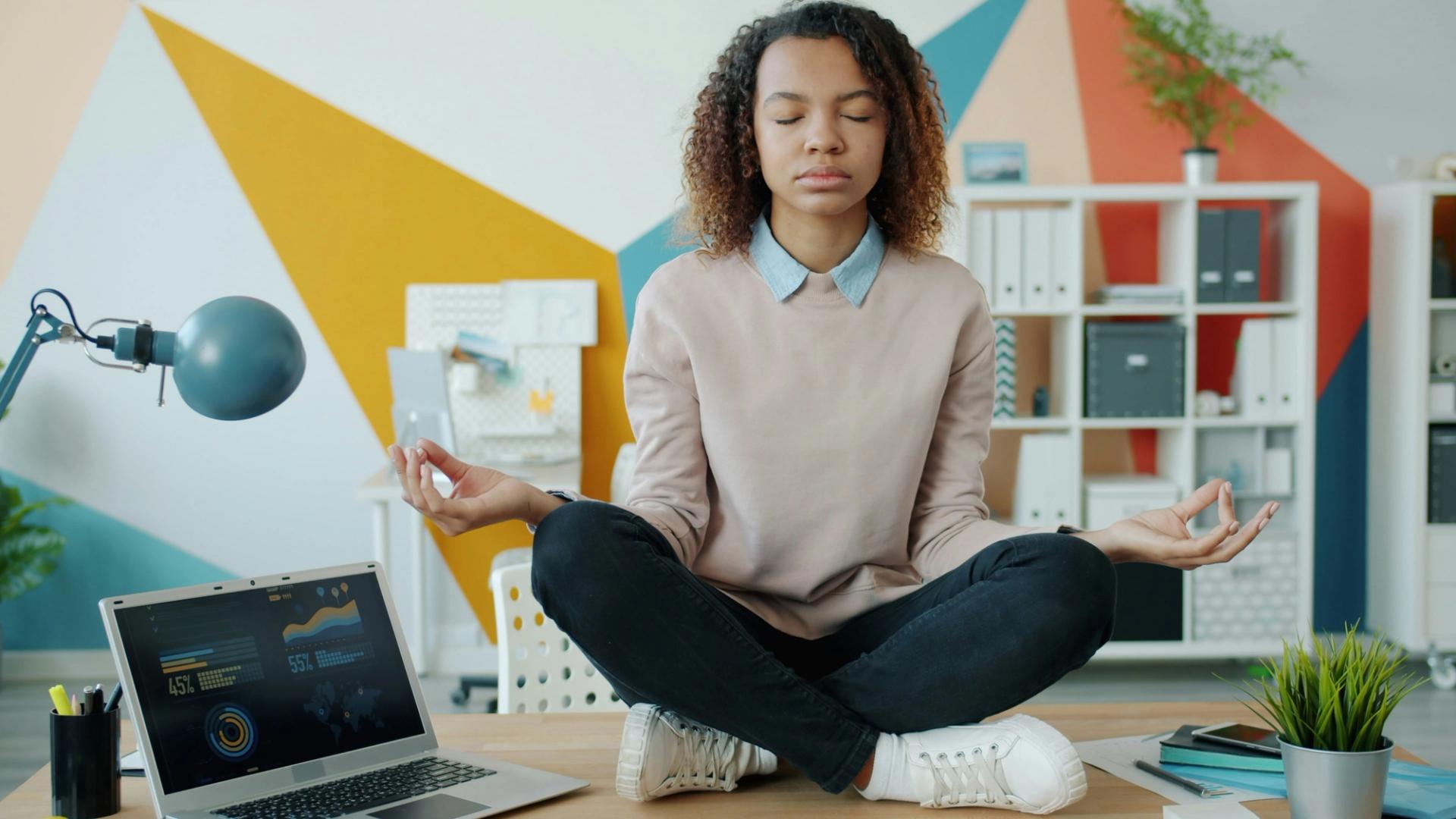
Many workplace workshops fail because the topic feels too broad or too disconnected from the team’s real needs. Employees do not need another generic lecture. They need practical support for the problems they recognize.
Useful workshop topics might include desk mobility, managing energy during long workdays, building a simple home workout space, stretching for frequent travelers, strength training for beginners, stress and movement, or nutrition basics for busy professionals.
The format should be active where possible. Employees should leave with something they can use that same day, such as a short movement routine, a weekly planning idea, or a clearer way to start training.
A good workshop can also introduce employees to larger wellness benefits. Someone who attends a short mobility session may feel more comfortable trying personal training later.
How HR Can Measure Real Engagement
A wellness idea should be easy to evaluate. Participation numbers matter, but they should not be the only measure.
HR teams can review sign-ups, repeat usage, attendance, employee feedback, and anonymous wellness surveys. They can also look at whether employees report better energy, less stress, or more confidence around movement.
Longer-term patterns may include absenteeism, retention, morale, and employee satisfaction. Those numbers take time, but they can help show whether the program is becoming part of company culture.
A corporate wellness program should be built around use, not optics. The goal is not to create a perk people praise once and forget. The goal is to offer support that employees can return to week after week.
Build a Corporate Wellness Program Your Team Uses
A wellness benefit should not sit unused because it asks too much from employees before they even begin. Better ideas remove barriers, provide guidance, and meet people at a realistic starting point.
Svetness helps companies offer fitness support that works for office, remote, and hybrid teams. With corporate fitness options and in-home personal training, employees can get coaching that fits their goals, schedules, and comfort levels.
Book Your Free Svetness Consultation
FAQs
What is a corporate wellness program?
A corporate wellness program is a workplace benefit designed to support employee health, movement, stress management, and well-being through structured services, coaching, education, or resources.
Why do some workplace wellness ideas fail?
Many fail because they are inconvenient, too generic, or built around employees who are already active. A better program lowers barriers and gives people practical support.
Are step challenges still useful?
Step challenges can be useful as a light engagement tool, but they should not be the full program. Employees also need support with strength, mobility, recovery, and stress.
Can wellness programs work for remote teams?
Yes. In-home training, virtual education, movement workshops, and flexible coaching options can support remote and hybrid employees without relying on one office location.
How should HR choose wellness ideas?
HR should look for ideas that are easy to use, inclusive, measurable, and relevant to employee needs. Strong programs support different fitness levels and work schedules.
Start your Svetness journey today
Get a free consultation and see how our trainers can transform your wellness journey.