Employee Wellness Ideas That Go Beyond a Fruit Bowl and a Step Counter

Employee wellness ideas often flop when they feel cosmetic. Better options reduce stress, support movement, and fit real schedules.
An employee wellness program should help people feel better in the workday they actually have. A bowl of fruit in the breakroom may be appreciated, and a step counter may motivate a few employees for a short period, but those perks rarely address burnout, back discomfort, low energy, stress, or the struggle to fit movement into a full week.
The strongest employee wellness ideas are practical. They reduce barriers, protect privacy, and give people useful support they can repeat. Employees are more likely to respond when the program respects their time, their workload, their home life, and their starting point.
That means HR teams need to think beyond easy-to-launch perks. A useful wellness plan may include in-home coaching, flexible movement breaks, better workstations, mental recovery policies, and short training sessions that help employees move with less stiffness. The goal is not to make wellness look busy. The goal is to make healthier action easier for more people.
Start your Svetness journey today
Get a free consultation and see how our trainers can transform your wellness journey.
What Better Employee Wellness Ideas Should Do
Employee wellness ideas should support real behavior change, not add another task to the calendar.
- They should reduce friction instead of adding pressure.
- They should work for office, remote, and hybrid employees.
- They should respect privacy around health and fitness.
- They should support stress, movement, sleep, and recovery.
- They should help employees with different fitness levels.
- They should be easy for HR to explain and track.
A good idea should feel useful to employees before it looks impressive in a benefits deck.
Idea One Offer In-Home Fitness Coaching
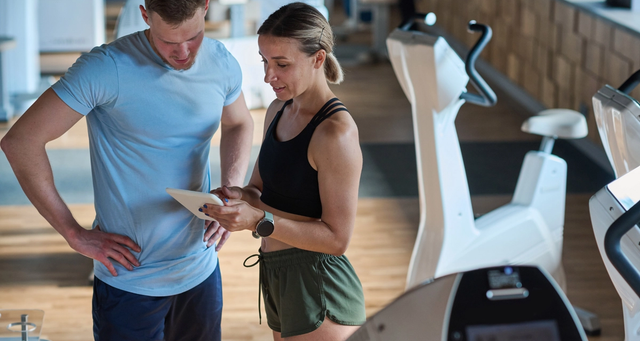
In-home coaching can make fitness more accessible for employees who do not use gym stipends. The trainer comes to the employee, which removes the commute, the crowded gym floor, and the pressure of working out in front of strangers.
This can be especially helpful for employees who feel out of shape, nervous about exercise, or unsure how to train around old injuries. A coach can adapt each session to the person’s goals, space, equipment, and comfort level.
The benefit also works well for remote and hybrid teams. Employees do not need to live near the same office or gym. They can receive support where they already are.
Svetness clients often value coaching that feels personal, flexible, and realistic. That is one reason many people respond well to what makes Svetness training different: the support can fit the person instead of forcing the person to fit a fixed model.
Idea Two Protect Real Recovery Time
Employees cannot recover if work follows them into every evening and weekend. Constant messages, late emails, and unclear boundaries can make people feel as if they are never fully off.
A stronger wellness policy can set protected communication windows. For example, leadership may discourage non-urgent internal messages after a certain hour or during weekends. The exact policy will vary by company, but the principle should be clear: recovery time should be respected.
This only works when leaders model the behavior. If managers keep sending late messages, employees may feel pressure to respond, even if the written policy says otherwise.
Protected recovery time can support sleep, stress management, family life, and mental clarity. It also tells employees that wellness is not limited to a poster in the breakroom.
Idea Three Fix the Workstation Problem
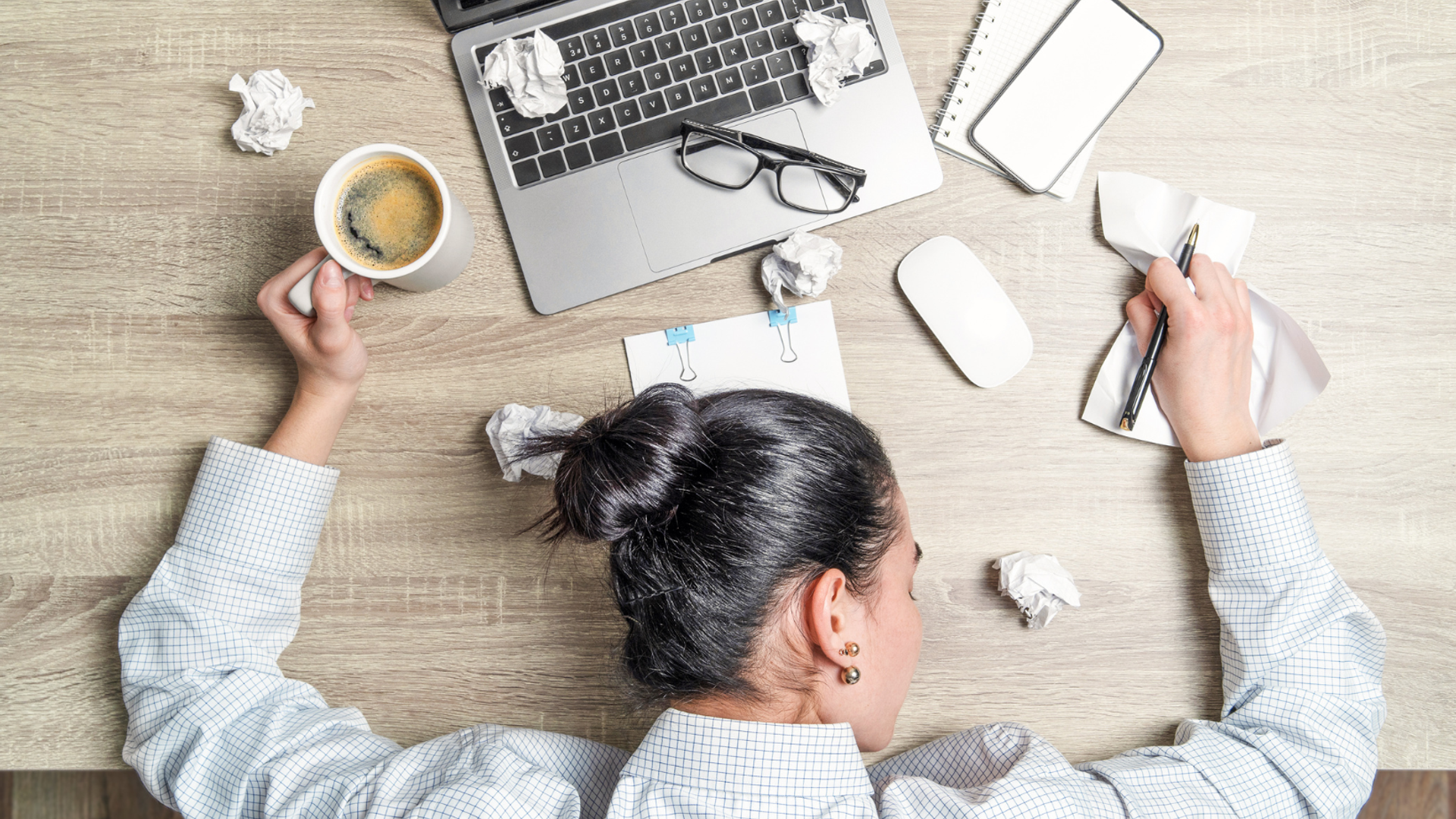
Desk setup has a direct effect on how employees feel during the day. Poor chair support, low monitors, awkward keyboards, and long sitting periods can contribute to neck tension, back discomfort, shoulder tightness, and wrist strain.
A useful wellness program can include ergonomic reviews for office and home workstations. That may involve chair adjustments, monitor height changes, keyboard placement, standing desk options, footrests, or lumbar support.
This is practical wellness because it addresses a problem employees feel every day. It also sends a clear message that the company is paying attention to the physical demands of modern work.
The best ergonomic support should be paired with movement. A better chair helps, but employees still need to stand, stretch, walk, and change position throughout the day.
Idea Four Add Short Mobility Sessions
Long seminars often struggle to hold attention. Short mobility sessions can be more useful because employees can apply them right away.
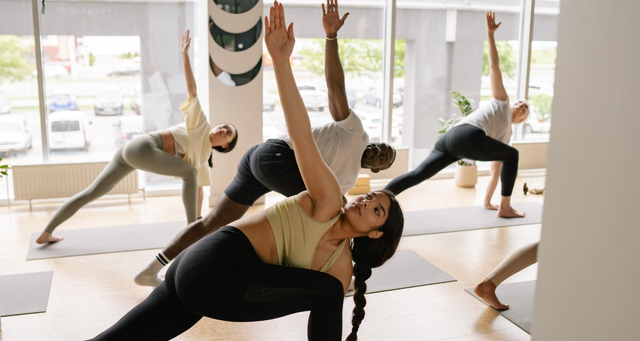
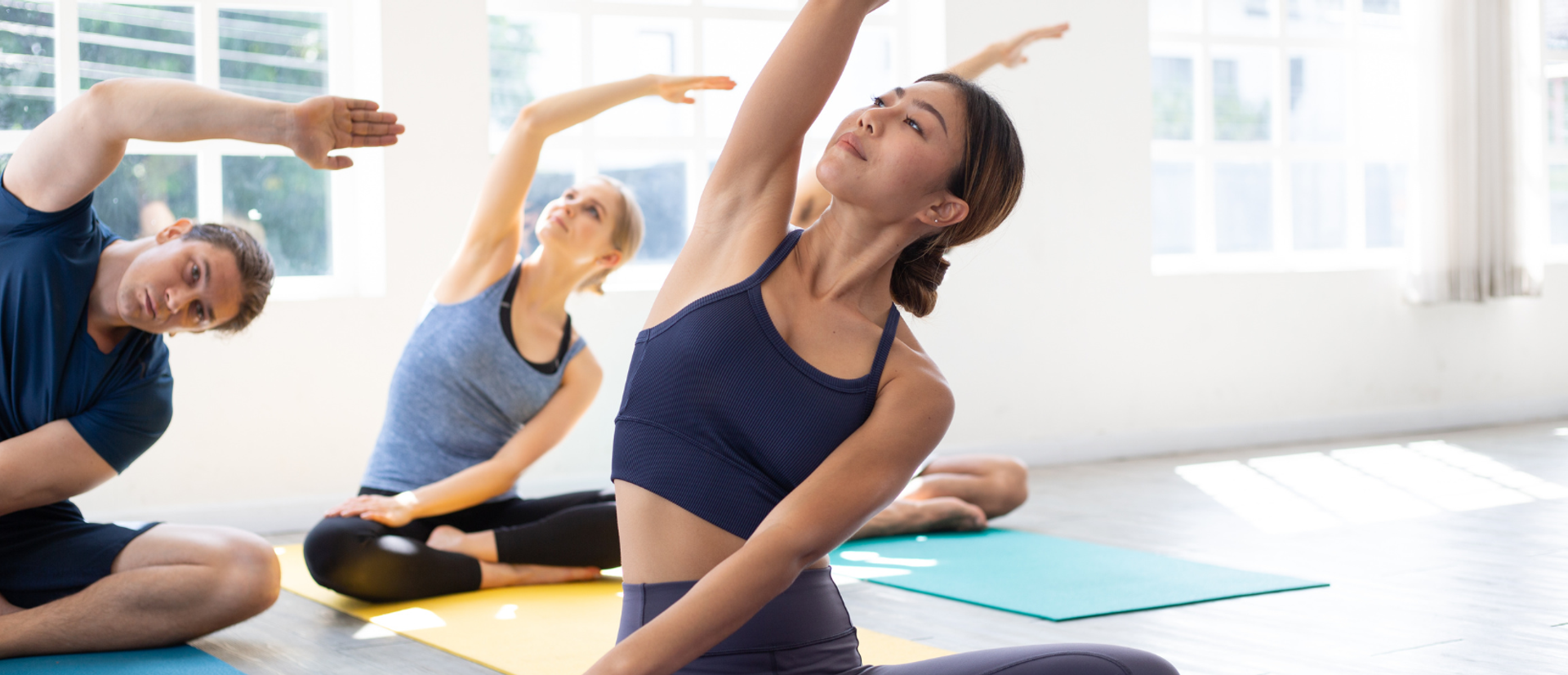
A 10- or 15-minute desk mobility session can teach people how to loosen stiff hips, stretch the upper back, relax the shoulders, and reset posture between meetings. These sessions can be live, recorded, or added to team wellness days.
The content should be simple enough for employees to repeat without a trainer in the room. Small movement breaks can help employees feel less stiff, especially during long screen-heavy days.
Quality matters here. Trainers should know how to teach movement clearly and adapt for different bodies. Svetness explains how trainer expertise supports different health needs, which is important when employees may be dealing with pain, mobility limits, or low confidence.
Idea Five Make Mental Health Days Clear
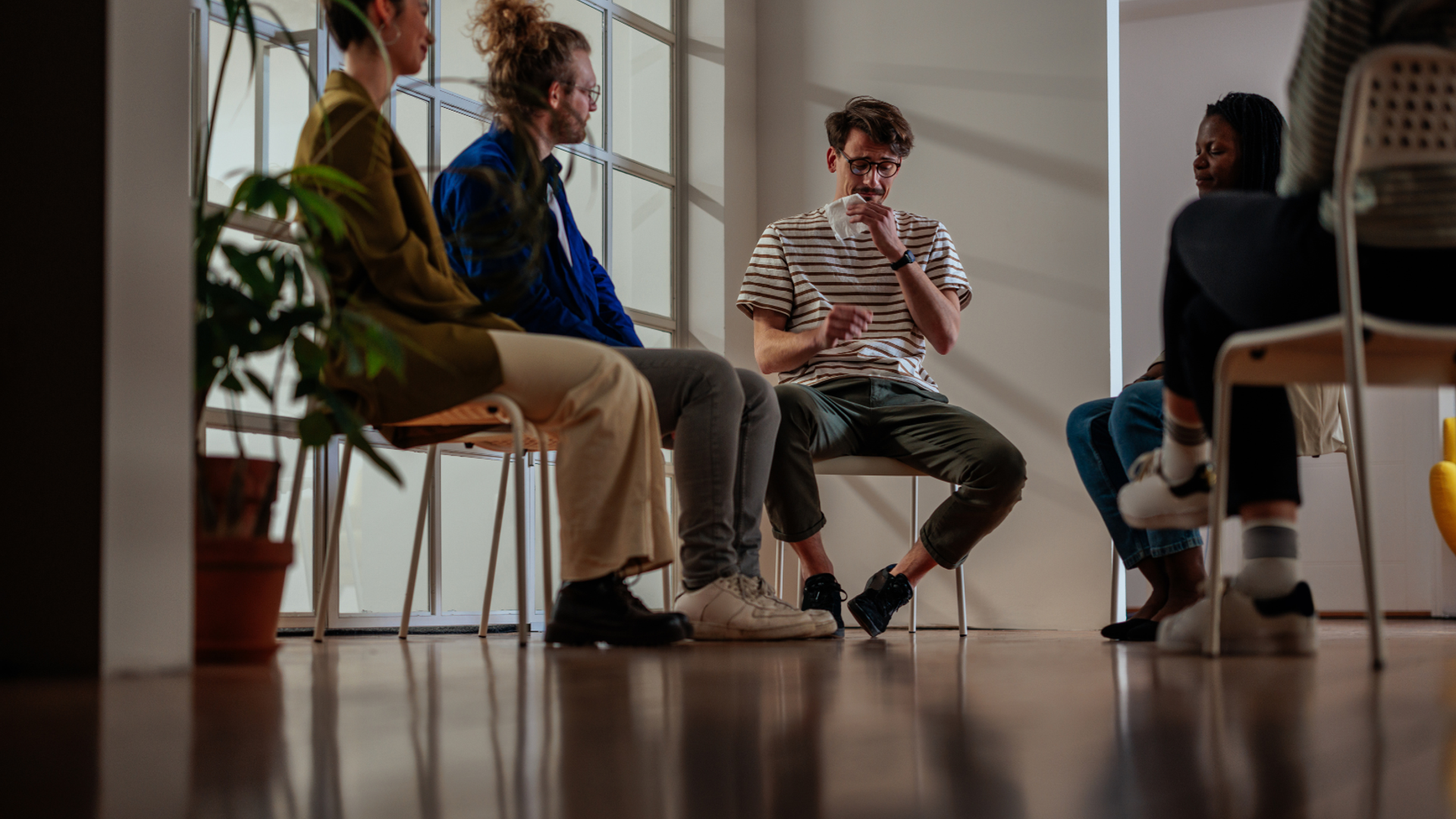
Mental health support should not be hidden inside vague sick leave policies. Employees may hesitate to take time off for burnout, anxiety, grief, or emotional exhaustion if they feel they have to invent another reason.
A clear mental health day policy can reduce that stigma. It tells employees that recovery is valid before stress turns into a larger issue.
The policy should be simple, private, and easy to use. Employees should not have to explain personal details to multiple people. Managers should also be trained to respond respectfully when someone uses the benefit.
This idea works best when paired with broader culture changes. If workloads remain unmanageable, a mental health day may help briefly but will not solve the deeper problem. Wellness support should include recovery and workload awareness.
Start your Svetness journey today
Get a free consultation and see how our trainers can transform your wellness journey.
Idea Six Support Flexible Fitness Time
A rigid workday can make healthy habits harder. Employees may want to exercise, but the usual windows before or after work may be crowded with school runs, caregiving, commuting, or fatigue.
Flexible fitness time gives employees room to move when it makes sense. Some may prefer a longer lunch break for training. Others may want to take a walking break between calls or start earlier so they can exercise later in the day.
The policy should focus on trust and output. Employees need clarity around expectations, but they also need enough flexibility to manage their health without feeling guilty.
This kind of support can make a major difference for employees who already feel squeezed. It turns wellness into something the workday can support rather than something employees must fit around everything else.
Idea Seven Improve Nutrition Support Without Policing Food
Nutrition can affect energy, mood, and focus, but workplace nutrition support should never feel judgmental. Employees do not need public food rules or weight-focused messaging.
Better options may include healthier catered meals, simple meal-prep education, access to registered nutrition professionals, or discounts for practical meal services. The goal is to make better choices easier during busy weeks.
Companies can also improve meeting culture. Long meetings without breaks, late working sessions, and back-to-back calls can push people toward rushed food choices. Better scheduling can be part of the nutrition conversation.
A fruit bowl is fine, but it should not be the whole plan. Employees need practical support for the meals and routines that shape their week.
Idea Eight Build Voluntary Accountability Groups
Some employees enjoy social support when building new habits. Small voluntary accountability groups can help people stay consistent without making wellness feel mandatory.
These groups may focus on walking, mobility, strength training, sleep, stress reduction, or general movement. The key is choice. Employees should be able to join, leave, or participate quietly without pressure.
Public leaderboards can create discomfort, especially around weight, steps, or personal health data. Smaller opt-in groups can feel more supportive because employees connect around shared goals rather than public comparison.
HR can help by creating simple channels, offering prompts, or giving teams space to organize group walks. The program should celebrate different kinds of progress, including better sleep, less stiffness, stronger routines, and improved confidence.
Build an Employee Wellness Program People Can Use
Employee wellness ideas work better when they address the real barriers employees face. The best programs respect time, protect privacy, support movement, reduce stress, and give people practical help they can repeat.
Svetness helps companies build an employee wellness program with flexible fitness support for office, remote, and hybrid teams.
Book Your Free Svetness Consultation
FAQs
What are good employee wellness ideas?
Good employee wellness ideas include in-home coaching, flexible fitness time, ergonomic reviews, mobility sessions, mental health days, nutrition support, and voluntary accountability groups.
Why do basic wellness perks often fail?
Basic perks often fail because they do not address the barriers employees face. Time, stress, low confidence, pain, privacy concerns, and busy schedules can all limit participation.
How can companies support remote employee wellness?
Companies can support remote employees with in-home training, virtual mobility sessions, ergonomic reviews, flexible scheduling, and wellness benefits that do not require office access.
Should employee wellness programs include fitness coaching?
Fitness coaching can be useful because it gives employees guidance, structure, accountability, and support for different fitness levels.
How can HR measure employee wellness success?
HR can track participation, repeat usage, anonymous feedback, employee satisfaction, absenteeism patterns, retention trends, and reported changes in energy, stress, and confidence.
Start your Svetness journey today
Get a free consultation and see how our trainers can transform your wellness journey.