Corporate Fitness Programs: How to Build One That Employees Love

A corporate fitness program can flop when it feels forced. Employees respond better to choice, privacy, and real coaching.
A corporate fitness program should make healthy habits easier for employees, not make wellness feel like another workplace demand. Many companies mean well when they offer step challenges, gym discounts, wellness portals, or lunchtime fitness sessions. The problem is that these benefits often miss the reason employees struggle to take part.
A busy employee may not want a public leaderboard. A remote worker may not live near the discounted gym. A parent may not have time to commute to a class after work. An employee with low fitness confidence may feel uncomfortable walking into a crowded gym. If the program ignores those realities, participation stays low.
A better corporate fitness program gives employees practical support, privacy, flexibility, and choice. It should respect different bodies, schedules, goals, and comfort levels. When fitness support feels useful rather than forced, employees are more likely to use it, trust it, and see it as a real benefit.
Start your Svetness journey today
Get a free consultation and see how our trainers can transform your wellness journey.
What Employees Want From a Corporate Fitness Program
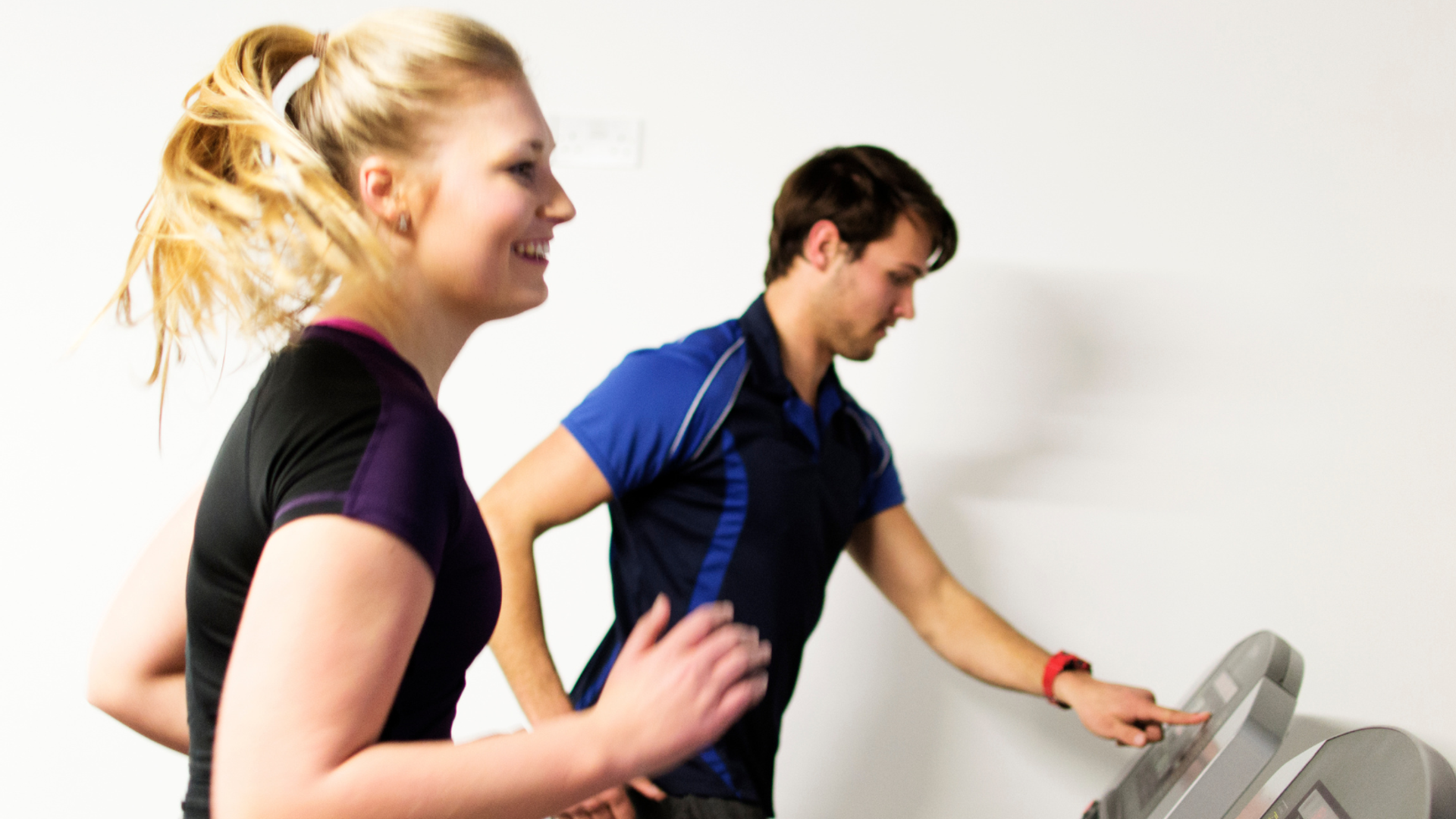
Employees are more likely to value fitness benefits when the program fits the way they live and work.
- They want flexible options, not one required activity.
- They want privacy around health and fitness data.
- They want support for different fitness levels.
- They want options for remote, hybrid, and office-based work.
- They want coaching that feels personal and realistic.
- They want wellness benefits that respect their time.
The best program is not the loudest or most complicated. It is the one employees can use without feeling judged, watched, or overwhelmed.
Why Forced Fitness Programs Lose Trust
Some corporate fitness programs fail because they feel too public. Step challenges, weight-loss contests, and office-wide rankings may seem motivating to leadership, but employees can experience them very differently.
Public competition can be uncomfortable for people dealing with injury, illness, body image concerns, stress, or low confidence. It can also reward the employees who were already active while leaving out the people who need more support.
Mandatory energy is another issue. Employees may feel that they are being asked to perform wellness for the company rather than care for their own health. That can create resistance, even when the original goal was positive.
A strong program should invite participation without pressure. It should make support available, easy to access, and private enough for employees to feel safe using it.
Why Choice Matters More Than a Single Big Initiative
A one-size plan rarely works across a whole workforce. A 25-year-old sales employee, a 45-year-old remote manager, a 58-year-old HR director, and a new parent may all need different types of support.
One employee may want strength training. Another may need mobility work for back discomfort. Someone else may prefer short workouts between meetings. A fourth person may need beginner coaching before they feel ready to exercise consistently.
Choice helps employees find the right entry point. That might include in-home training, virtual coaching, office fitness sessions, short movement breaks, mobility workshops, or structured fitness plans.
The company still needs a clear program, but employees should have enough flexibility to choose support that feels relevant. A corporate fitness program becomes more appealing when it solves real barriers instead of pushing everyone toward the same activity.
How In-Home Coaching Reduces Friction
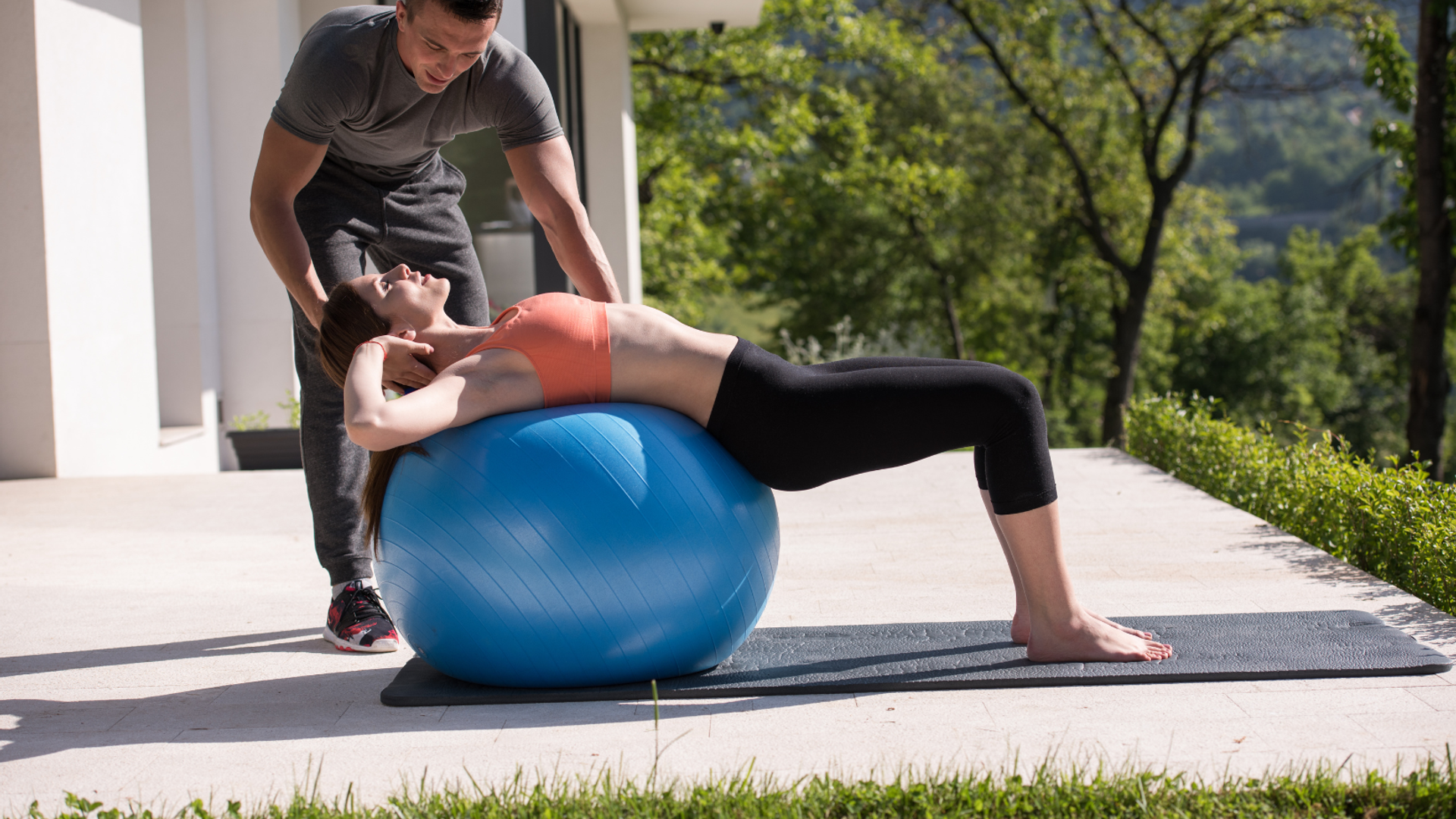
Convenience is one of the strongest participation drivers. If a fitness benefit requires extra travel, extra planning, and extra confidence, many employees will skip it.
In-home coaching removes several barriers at once. The employee does not need to drive to a gym, wait for equipment, or train in front of strangers. A coach can meet them in a familiar setting and adapt the workout to their goals, space, equipment, and comfort level.
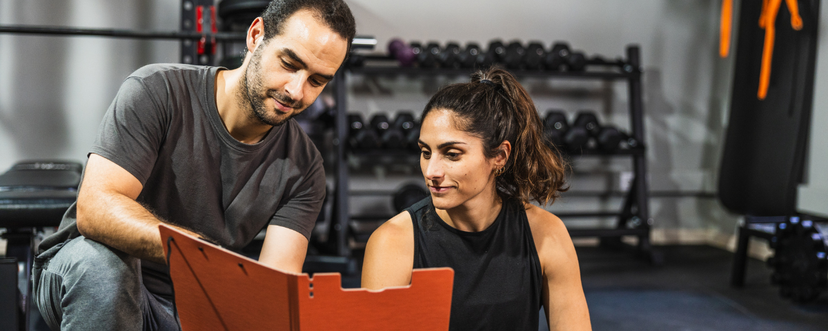
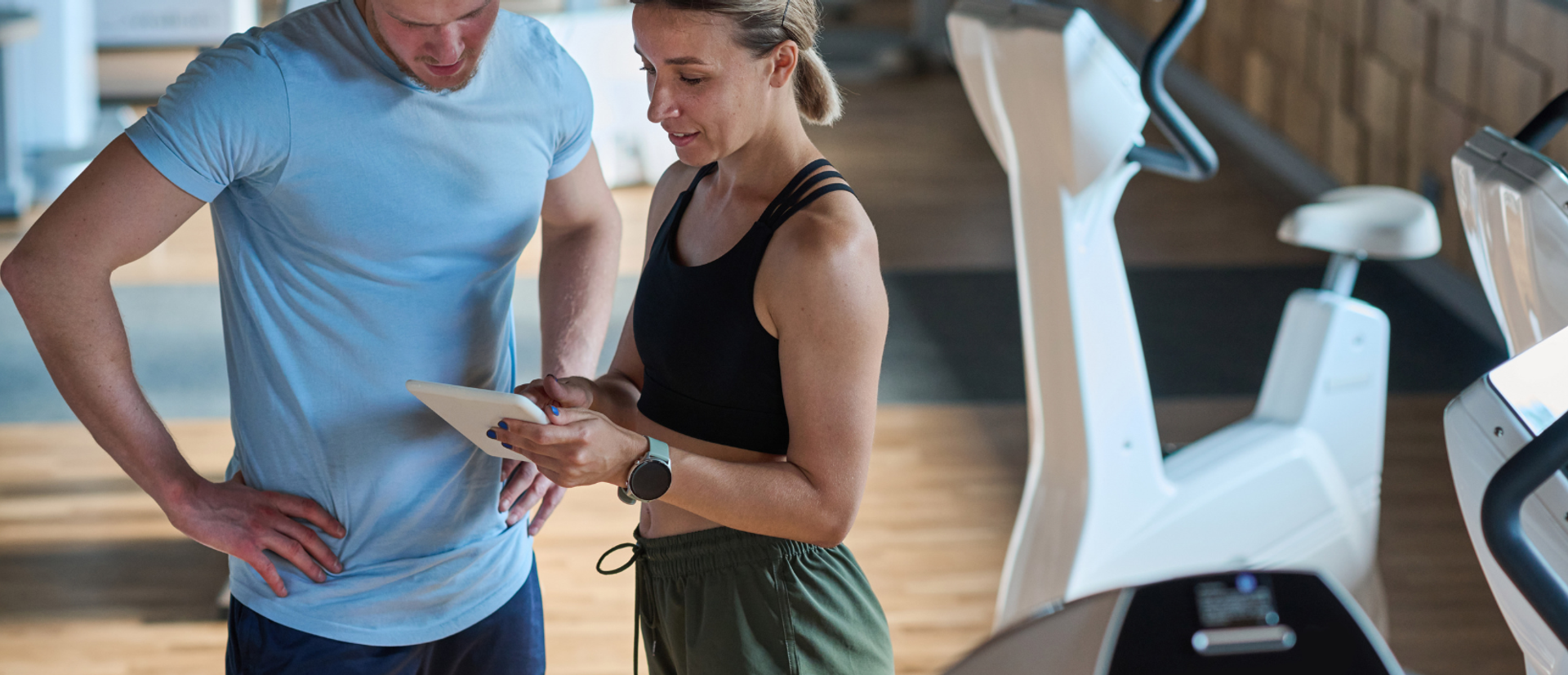
This can be especially helpful for employees who feel intimidated by gyms or unsure where to begin. A trainer can teach form, build a progressive plan, and create accountability without making the experience feel public.
Svetness clients often point to flexibility, structure, and personal support as major reasons training feels easier to maintain. Those same qualities matter inside a workplace benefit, because employees are more likely to keep using support that fits real life.
Start your Svetness journey today
Get a free consultation and see how our trainers can transform your wellness journey.
Making Office Wellness Feel Natural
Office-based wellness still has value, but it should fit the workday instead of interrupting it awkwardly. Employees should not feel guilty for taking a short movement break, stretching between calls, or stepping away from the desk.
Leadership plays a major role here. If managers never take breaks, employees may assume movement is frowned upon, even if the company says otherwise. A culture that supports healthy action has to be visible.
Simple changes can help. Meeting-heavy teams may benefit from walking meetings when appropriate. Employees doing desk work may appreciate brief mobility sessions. Teams with long screen hours may respond well to workshops on posture, stretching, and stress recovery.
The office environment should also support the message. Clean stairwells, ergonomic setups, and welcoming break spaces make movement feel more natural during the day.
Building Fitness Around Busy Schedules
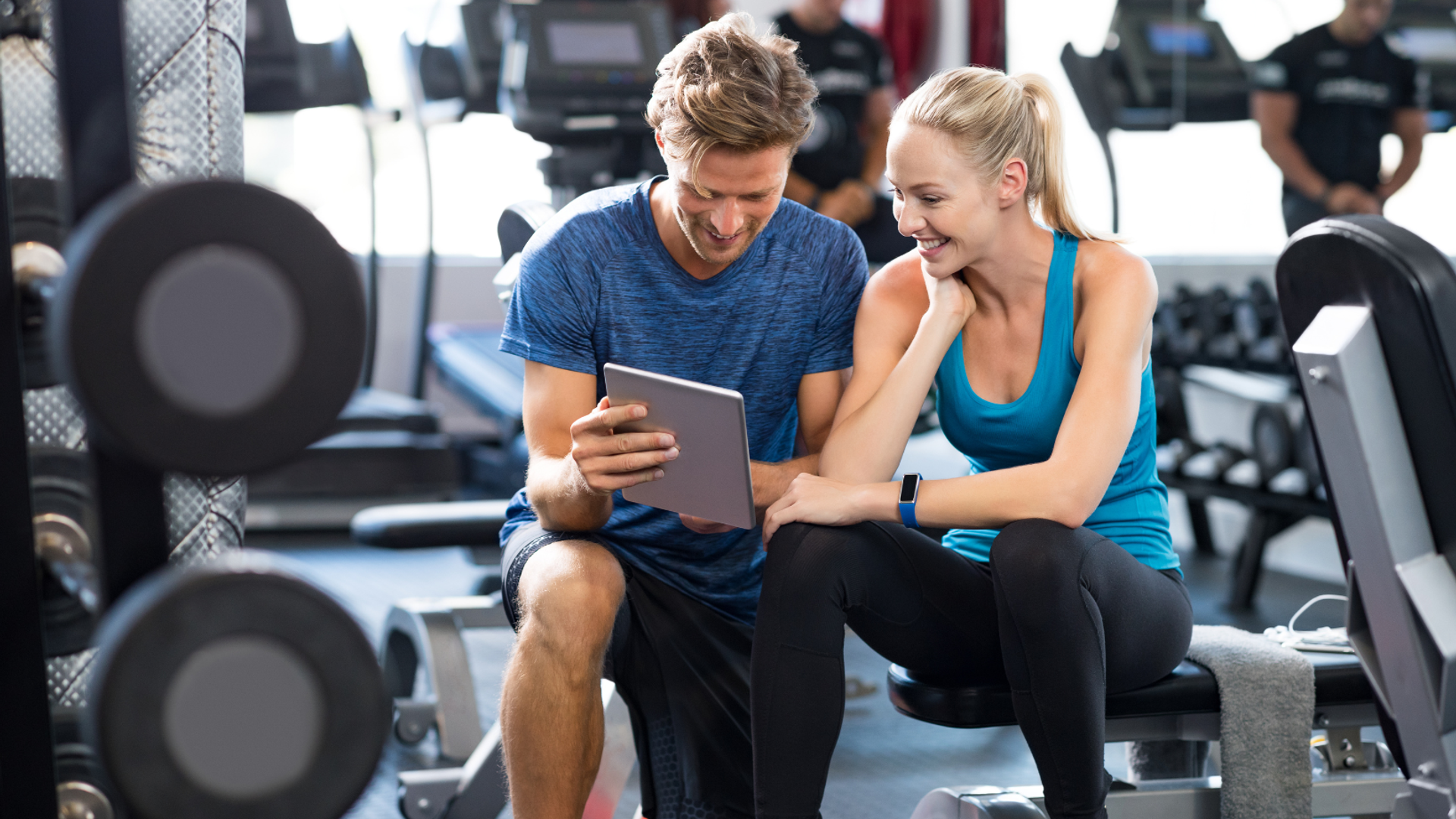
Employees are more likely to stick with fitness when the plan respects how limited their time can feel. A 60-minute gym session may not be realistic every day, but shorter workouts can still be useful when they are planned well.
This is where flexible programming matters. A coach can help employees choose shorter strength sessions, mobility breaks, walking goals, or bodyweight routines based on their day. The routine should not disappear every time work gets busy.
There are loads of quick workouts for busy professionals, which fit the kind of practical support many employees need. Shorter sessions can help people stay consistent without turning fitness into another stressful item on the calendar.
A corporate fitness program should make consistency feel possible. Employees do not need a perfect schedule to benefit from movement. They need a plan they can repeat.
Protecting Privacy and Autonomy
Fitness, health, weight, pain, and stress are personal topics. Employees should never feel that their participation in a wellness benefit could affect how management sees them.
Privacy should be built into the program from the start. Participation should be voluntary. Personal health details should remain private. HR can review overall usage trends and anonymous feedback without needing individual fitness data.
Autonomy matters too. Employees should be able to choose a fitness option that fits their needs. Some may want one-on-one coaching. Some may prefer mobility work. Others may start with short, low-pressure sessions.
When employees feel respected, they are more likely to trust the program. Trust leads to stronger participation, better feedback, and a healthier relationship with the benefit.
What HR Should Measure

A fitness program employees love should show up in the numbers and in the feedback. HR can track sign-ups, repeat participation, session completion, employee satisfaction, and anonymous survey responses.
Retention and absenteeism can also be reviewed over time. These numbers are influenced by many factors, so they should be treated as part of the full picture rather than the only proof of value.
Qualitative feedback matters too. Employees may report better energy, less stiffness, improved confidence, stronger routines, or a more positive view of the company’s benefits.
The goal is to see whether the benefit is being used and whether employees feel it supports their daily lives. If participation is low, the answer is not always more promotion. The program may need to become more convenient, more flexible, or more personal.
Build a Corporate Fitness Program Employees Want to Keep
A corporate fitness program works better when it respects employees as individuals. The strongest benefits reduce friction, protect privacy, offer choice, and provide coaching that feels practical.
Svetness helps companies build a corporate fitness program through flexible corporate wellness support, including fitness options that can fit office, remote, and hybrid teams.
Book Your Free Svetness Consultation
FAQs
What is a corporate fitness program?
A corporate fitness program is a workplace benefit that helps employees improve movement, strength, fitness, energy, and overall well-being through structured support.
Why do many corporate fitness programs fail?
Many programs fail because they feel forced, generic, public, or inconvenient. Employees are more likely to participate when the program offers choice, privacy, and practical coaching.
What makes employees more likely to use a fitness benefit?
Convenience, flexible options, privacy, simple enrollment, supportive coaching, and beginner-friendly programming can make fitness benefits easier to use.
Can corporate fitness programs support remote employees?
Yes. In-home training, virtual coaching, flexible programming, and remote-friendly wellness support can make the benefit available to employees outside the office.
Should companies use fitness challenges?
Fitness challenges can work for some teams, but public rankings and weight-loss contests can feel uncomfortable or exclusionary. Choice-based programs often create broader participation.
Start your Svetness journey today
Get a free consultation and see how our trainers can transform your wellness journey.