
Chest Workouts No Equipment for Strength at Home

Chest workouts no equipment can feel tougher than bench press day when push-up angles, tempo, and recovery are used well.
Building a stronger chest does not always require a bench, dumbbells, or a gym membership. Many people assume chest training starts with heavy weights, but your own bodyweight can create a serious challenge when exercises are chosen well and progressed over time.
This is good news if you train at home, travel often, feel uncomfortable in a crowded gym, or want a simple way to stay consistent. Your chest muscles respond to resistance, control, volume, and recovery. Push-up variations can provide all of those when they are used with purpose.
At Svetness, we often meet clients who feel stuck because they think they need more equipment before they can make progress. One client, Alex, wanted a stronger chest but did not have access to a gym. His trainer built a plan around push-ups, tempo work, incline variations, and recovery. Within a few months, Alex was stronger, more confident, and able to perform exercises he once avoided.
Chest workouts with no equipment can work well for beginners, returning exercisers, and experienced fitness enthusiasts. The key is matching the movement to your current ability and building gradually.
Start your Svetness journey today
Get a free consultation and see how our trainers can transform your wellness journey.
Chest Workouts No Equipment Can Build More Than You Think
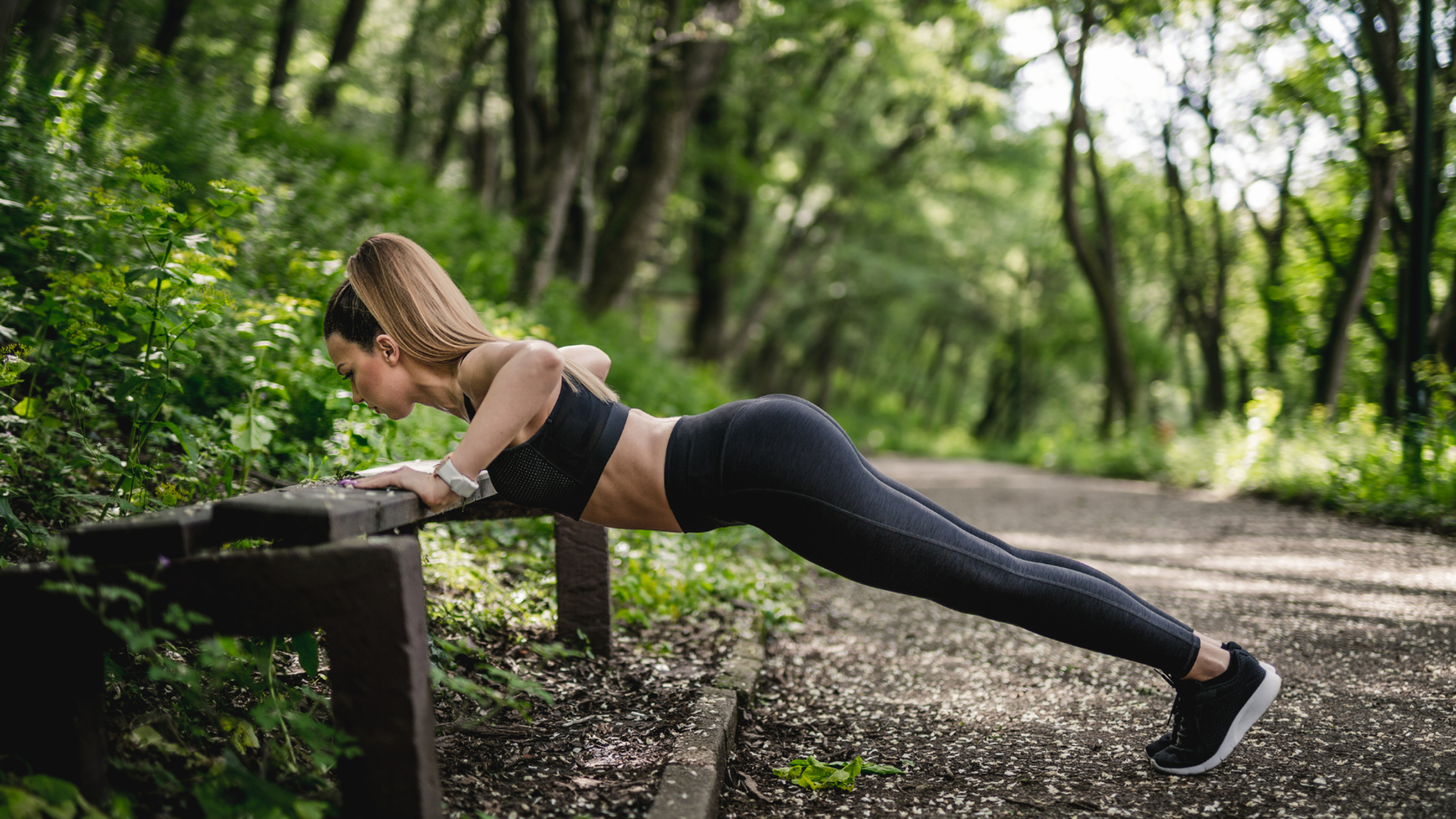
The chest muscles help you push, press, stabilize, and control upper-body movement. They work during push-ups, dips, planks, and many bodyweight exercises that involve pressing through the arms.
No-equipment chest training usually centers on push-up variations. That may sound limited at first, but push-ups can be adjusted in many ways. Hand position, body angle, tempo, range of motion, and rest time can all change how at home chest workouts feel.
A wall push-up may be the right starting point for someone new to fitness. An incline push-up can help build confidence before moving to the floor. A standard push-up can become harder with a slower lowering phase. A decline push-up can place more demand on the upper chest and shoulders. An archer push-up can challenge strength from side to side.
This flexibility makes bodyweight chest training useful for many people. You can scale the difficulty without buying equipment. You can also train in a small space, which makes consistency easier.
Strong chest training should never be only about doing as many reps as possible. Quality matters. Each rep should feel controlled. Your body should stay aligned. Your shoulders should feel stable. Your chest, arms, and core should work together.
How to Train Your Chest Without a Gym
Muscle workouts with no equipment are most effective when they follow a clear structure. Start with the right variation, use good form, and add difficulty over time.
A strong push-up begins with body position. Your hands should press into the floor, your core should stay engaged, and your body should move as one unit. If your hips sag or your shoulders pinch, the variation may be too difficult right now. Choose an easier version and build strength first.
Your elbows do not need to flare straight out to the sides. Many people feel better with the elbows angled slightly back. This position often feels more stable for the shoulders and helps the chest and triceps share the work.
Depth matters, but only if you can control it. Lowering halfway with good form is more useful than dropping to the floor with poor control. As strength improves, the range of motion can increase.
Tempo is another useful tool. Slowing down the lowering phase of a push-up makes the movement harder without adding weight. A three-second descent can make a familiar exercise feel new. Pausing near the bottom can build control and confidence.
Rest periods matter too. Short rest can make a workout feel more intense. Longer rest can help you perform stronger sets. Your goal should guide the choice. For muscle growth and strength, rest long enough to keep your reps clean.
The Best No-Equipment Chest Exercises to Use
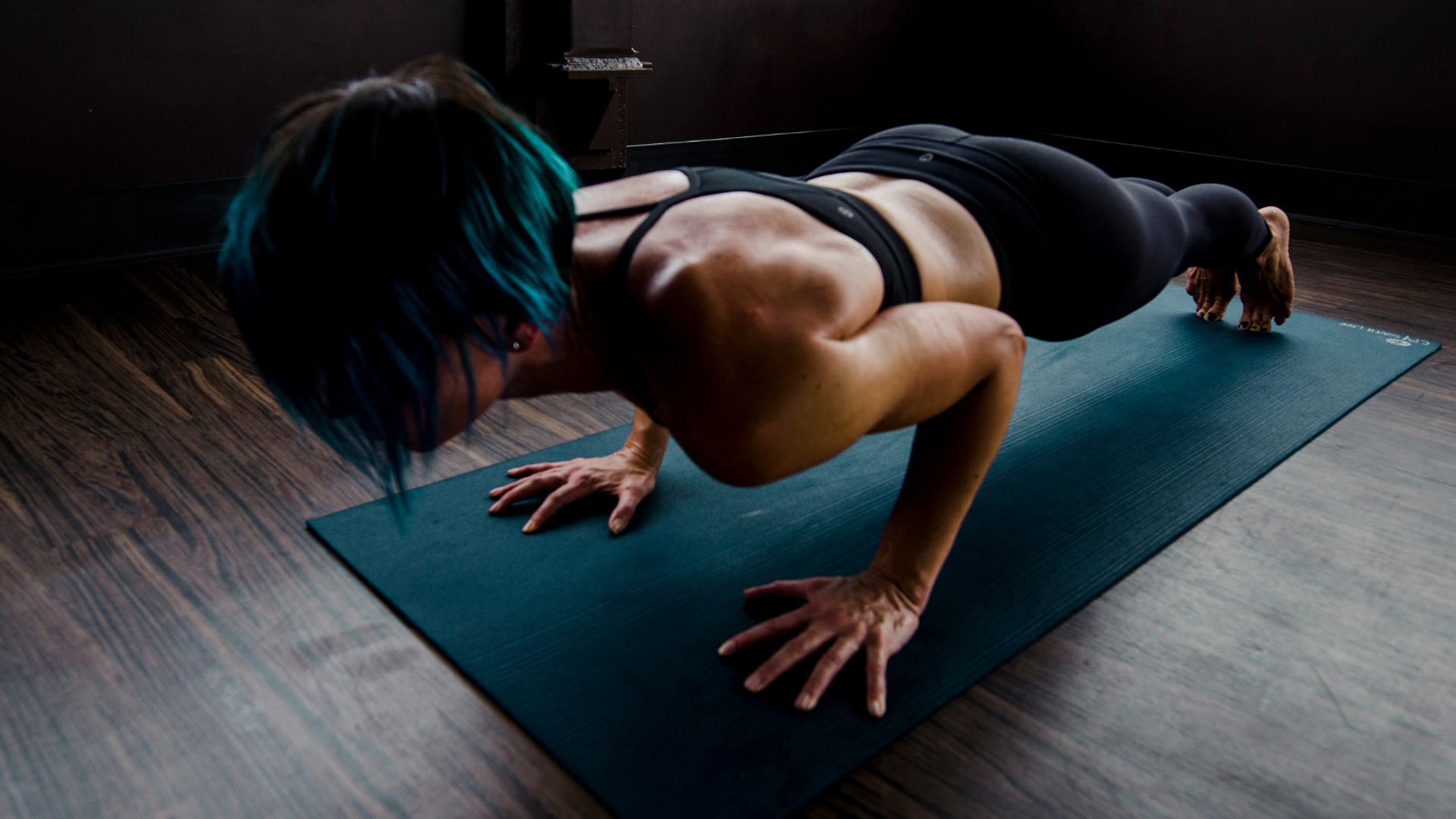
The exercises below give you several options for pectoral workouts and other chest workouts with no equipment. Use the variation that matches your current fitness level. Good form should guide the choice more than ego.
- Wall push-ups: A gentle starting point that helps beginners practice pressing strength with less bodyweight.
- Incline push-ups: Hands go on a couch, bench, chair, or stable surface to make the movement easier than floor push-ups.
- Standard push-ups: A classic chest, shoulder, triceps, and core exercise that works well when performed with control.
- Wide-grip push-ups: Hands move wider than shoulder-width to place more focus on the chest.
- Close-grip push-ups: Hands move closer together to challenge the triceps while still training the chest.
- Decline push-ups: Feet go on a raised surface to increase the challenge and place more emphasis on the upper chest and shoulders.
- Slow-tempo push-ups: The lowering phase takes three to five seconds to increase time under tension.
- Pause push-ups: A brief pause near the bottom helps build control and strength.
- Archer push-ups: One arm takes more load as you move side to side, making this an advanced variation.
- Knee push-ups: A helpful option for building strength before full floor push-ups.
- Shoulder tap push-ups: A push-up followed by a shoulder tap that adds core and stability work.
- Explosive push-ups: A powerful variation where the hands leave the floor, best for advanced clients with strong control.
- Push-up holds: Holding the top or lower position helps build endurance and stability.
- Plank to push-up: Moving between forearm plank and high plank trains the chest, shoulders, triceps, and core.
- Chair dips: A bodyweight pressing move that trains the triceps and lower chest when performed carefully.
These exercises do not all need to be used in one workout. A focused routine may use three to five movements. The goal is to choose the right challenge, keep your form steady, and progress over time.
Start your Svetness journey today
Get a free consultation and see how our trainers can transform your wellness journey.
Beginner Chest Workout at Home
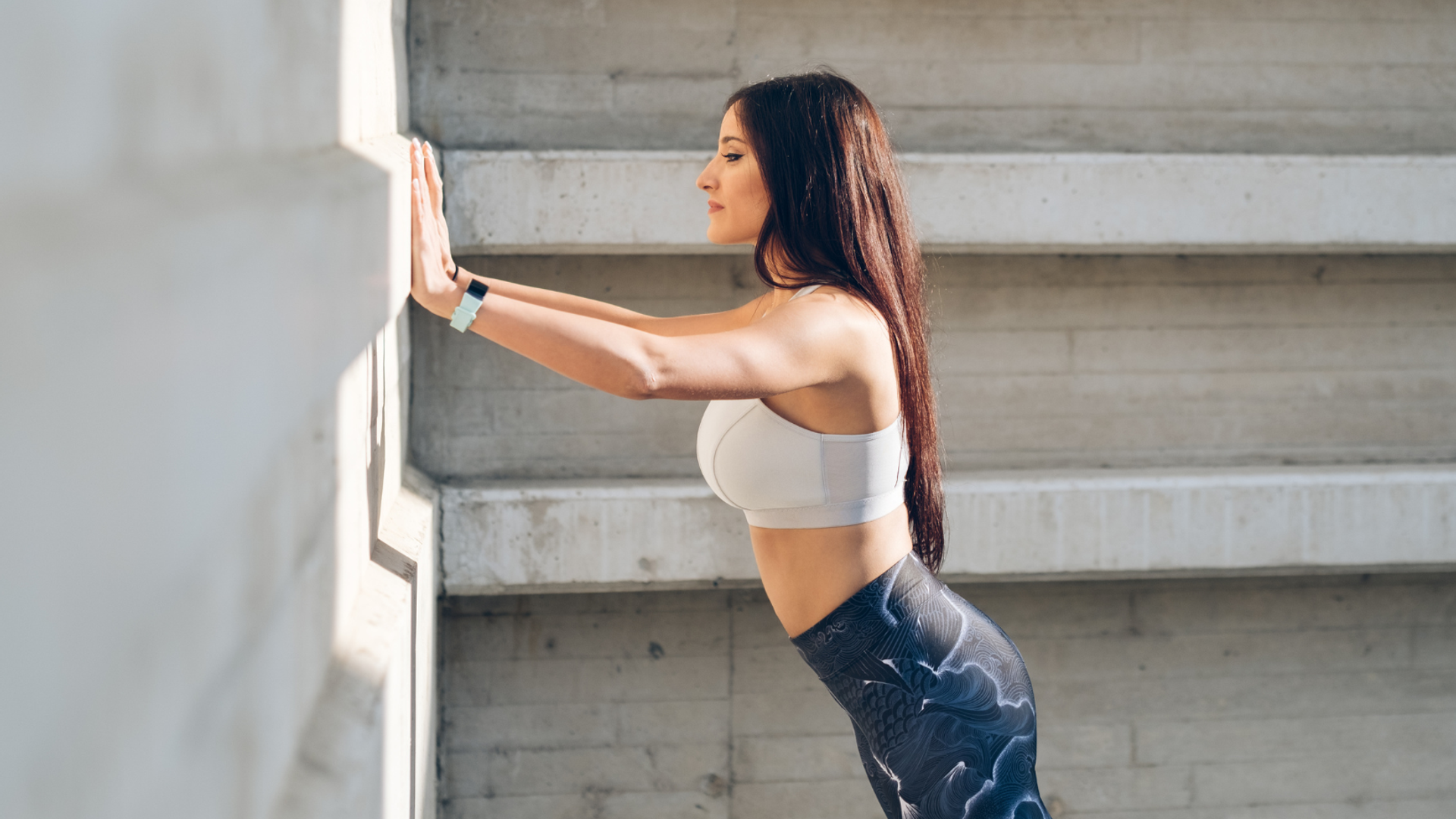
A beginner chest routine should build confidence without overwhelming the shoulders or wrists. Start with a short warm-up. Roll your shoulders, circle your arms, march in place, and do a few slow wall push-ups to prepare your upper body.
Begin with wall push-ups for two sets of 10 to 12 reps. Rest for 45 to 60 seconds between sets. Move to incline push-ups for two sets of 6 to 10 reps. Choose a surface that feels stable and allows you to move with control.
Next, perform knee push-ups for one or two sets of 5 to 8 reps. If they feel too difficult, stay with incline push-ups. Finish with a high plank hold for 15 to 30 seconds. This helps train the core strength needed for better push-ups.
This routine can be done two or three times per week. Leave at least one rest day between sessions. Your goal is to build clean reps, not rush into harder variations.
Intermediate Chest Workout at Home
An intermediate routine can include more volume and harder angles. Start with a warm-up that includes arm circles, incline push-ups, and gentle plank holds.
Begin with standard push-ups for three sets of 8 to 12 reps. Rest for 60 seconds between sets. Move to wide-grip push-ups for three sets of 8 to 10 reps. Keep your body aligned and lower with control.
Next, perform decline push-ups for two or three sets of 6 to 10 reps. Choose a low surface at first. A higher surface makes the exercise harder and may place more demand on the shoulders.
Finish with slow-tempo push-ups. Lower for three seconds, pause briefly, then press back up. Two sets of 5 to 8 reps can feel challenging when the tempo is controlled.
This routine can be performed two or three times per week. If soreness lasts more than a couple of days, reduce the number of sets or choose easier variations.
Advanced Chest Workout at Home
Advanced chest training should still respect form. Harder does not mean careless. Warm up thoroughly with standard push-ups, shoulder taps, and light mobility work before increasing intensity.
Start with decline push-ups for four sets of 8 to 12 reps. Rest for 60 to 90 seconds. Move to archer push-ups for three sets of 4 to 8 reps on each side. These are demanding, so use a wide hand position and move slowly.
Next, perform pause push-ups for three sets of 6 to 10 reps. Hold the lower position for one or two seconds before pressing up. Finish with explosive push-ups for two or three sets of 5 to 8 reps if your wrists and shoulders feel strong.
Advanced clients may also use mechanical drop sets. For example, begin with decline push-ups, then move to standard push-ups, then finish with incline push-ups. This allows you to keep working as the chest fatigues, but it should be used carefully.
Chest workouts with no equipment can become intense quickly at this level. Recovery, sleep, and nutrition matter if you want the work to translate into strength and muscle.
How to Progress Your Chest Training
Progress comes from giving your chest a reason to adapt. Doing the same push-up routine forever may keep you active, but it may not keep building strength.
You can progress in several simple ways. Add reps. Add sets. Slow the tempo. Reduce rest slightly. Move to a harder variation. Increase the range of motion. Add a pause at the bottom. Improve form so each rep feels more controlled.
Track your workouts, so you know what changed. If you did three sets of 8 incline push-ups last week, aim for three sets of 9 or 10 when your form is ready. Small changes add up over time.
Progress should feel steady, not forced. If your shoulders ache, your wrists feel strained, or your form breaks down, step back. A slightly easier version performed well is better than a harder version performed poorly.
Common Chest Training Mistakes
Many people make push-ups harder in the wrong ways. They rush reps, let their hips sag, flare their elbows too wide, or stop short of a useful range of motion. These habits can reduce the training effect and make the shoulders or wrists feel uncomfortable.
Another common mistake is training the chest every day. Muscles need recovery time. Chest training two to four times per week is enough for most people, depending on intensity and experience.
Some people also forget the rest of the body. A balanced plan should include back, legs, core, and mobility. Too much pressing without enough pulling can make the upper body feel tight and uneven. Even if your main goal is chest growth, a balanced routine with calisthenics supports better movement.
Nutrition can also limit progress. If you want to build muscle, protein intake, overall calories, hydration, and sleep all matter. Training creates the signal. Recovery helps your body respond.
How Svetness Helps With Chest Training
A personal trainer can make chest workouts safer, more structured, and more productive. Svetness trainers can watch your push-up form, choose the right variations, and build a plan that matches your current strength.
This is helpful for beginners who are unsure where to start. It also supports people who have been training for a while but feel stuck. A trainer can adjust your tempo, volume, exercise order, and recovery so the plan keeps moving.
In-home personal training also removes common barriers. You do not need to commute, wait for equipment, or feel unsure about what to do next. Your trainer brings guidance into your space and helps you use what you have.
Chest workouts no equipment can be a strong starting point, especially with coaching that keeps your form and progress on track.
Build Chest Strength Where You Already Are
A stronger chest does not require a gym bench or a rack of weights. It requires the right movements, steady progress, and enough recovery for your body to respond. Push-up variations can take you further than many people expect when they are programmed well.
Start with the version that matches your current ability. Build control before chasing harder exercises. Track your reps and sets. Give your chest time to recover. Over time, those simple choices can create real strength and visible progress.
If you want a personalized chest training plan you can do at home, contact Svetness today to get matched with a personal trainer.
> Book Your Free Svetness Consultation
FAQs
Can I build chest muscle without equipment?
Yes. Push-up variations can build chest muscle when they are performed with enough challenge, good form, and consistent progression. Beginners can make progress with incline and knee push-ups. Advanced clients can use decline, archer, tempo, and pause variations.
How often should I do chest workouts without equipment?
Most people do well with two to four chest sessions per week. Beginners should start with two sessions and allow at least one rest day between them. More experienced exercisers may train more often if recovery is strong.
What is the best push-up for chest growth?
Standard push-ups, wide-grip push-ups, decline push-ups, and slow-tempo push-ups can all support chest growth. The strongest choice depends on your current level and how well you can control the movement.
Why do I feel push-ups more in my arms than my chest?
Your hand position, elbow angle, or body control may be affecting the movement. Try slowing down, keeping your elbows slightly angled back, and focusing on pressing through the floor. A trainer can help adjust your form.
Do I need protein to build chest muscle?
Protein supports muscle repair and growth. You do not need an extreme diet, but regular protein intake, enough calories, hydration, and sleep can all improve your results.
Are chest workouts safe for beginners?
Yes, when the exercises match the person’s level. Wall push-ups, incline push-ups, and knee push-ups are useful starting points. Stop if you feel sharp pain, dizziness, or joint discomfort.
Start your Svetness journey today
Get a free consultation and see how our trainers can transform your wellness journey.