How to Track Fitness Progress Beyond the Scale

The scale doesn’t tell the whole story. Our trainers share their favorite ways to track fitness progress that have nothing to do with your weight.
It’s a ritual for so many of us. We step on the scale, hold our breath, and wait for the number to appear.
If it’s lower than we expected, we feel a rush of excitement. If it’s higher, our mood plummets. We let that number dictate how we feel about ourselves and our progress. But what if we told you that the scale is not the be-all and end-all of fitness progress?
We had a client, Emily, who was obsessed with the number on the scale. She was working out consistently and eating a healthy diet, but the scale wasn’t moving as fast as she wanted it to. She would get so discouraged that she would want to give up. She was letting that number overshadow all of the amazing progress she was making.
Emily’s story is too common. We live in a culture that is obsessed with weight. We’re constantly bombarded with messages about losing weight, and the scale has become the primary tool for measuring our success.
But the truth is, the scale only tells a small part of the story. It doesn’t tell you about the muscle you’ve gained, the inches you’ve lost, or the energy you’ve gained. It doesn’t tell you about the fact that you can now lift heavier weights, run faster, or do a push-up on your toes for the first time.
At Svetness, we believe in a more holistic approach to fitness. We believe that progress should be measured not just by the number on the scale, but by how you feel, how you move, and how your life is changing for the better.
So in this blog, we’ll walk you through how to track fitness progress without obsessing over the scale. These are the same methods that helped Emily finally see all of the amazing progress she was making.
Why the Scale Can Be Deceiving

Before we dive into the alternative ways to track your progress, let’s talk about why the scale can be so misleading.
Your weight can fluctuate from day to day, and even from hour to hour, due to a variety of factors, including:
- Water Retention: If you eat a salty meal or you’re dehydrated, your body will hold onto water, which can cause the number on the scale to go up.
- Hormonal Changes: For women, hormonal changes throughout the menstrual cycle can cause water retention and bloating.
- Muscle Gain: If you’re strength training, you’re building muscle. And since muscle is denser than fat, you may see the number on the scale go up, even as you’re losing body fat.
- The Time of Day: You’ll weigh less in the morning than you will in the evening, after you’ve eaten and had something to drink.
This is why it’s so important not to get too hung up on the number on the scale. It’s just one data point, and it doesn’t show the full picture of what’s going on in your body.
Better Ways to Track Your Progress
Now, let’s get to the good bit. Here are our trainers’ favorite ways to track your fitness progress that have nothing to do with your weight.
Take Progress Pictures
This is one of the most powerful ways to see how your body is changing. Take a picture of yourself in the same outfit and the same lighting once a month. You’ll be amazed at the changes you see over time. You may not see the number on the scale change, but you’ll see that your clothes are fitting better, your posture has improved, and you’re looking more toned.
Take Body Measurements
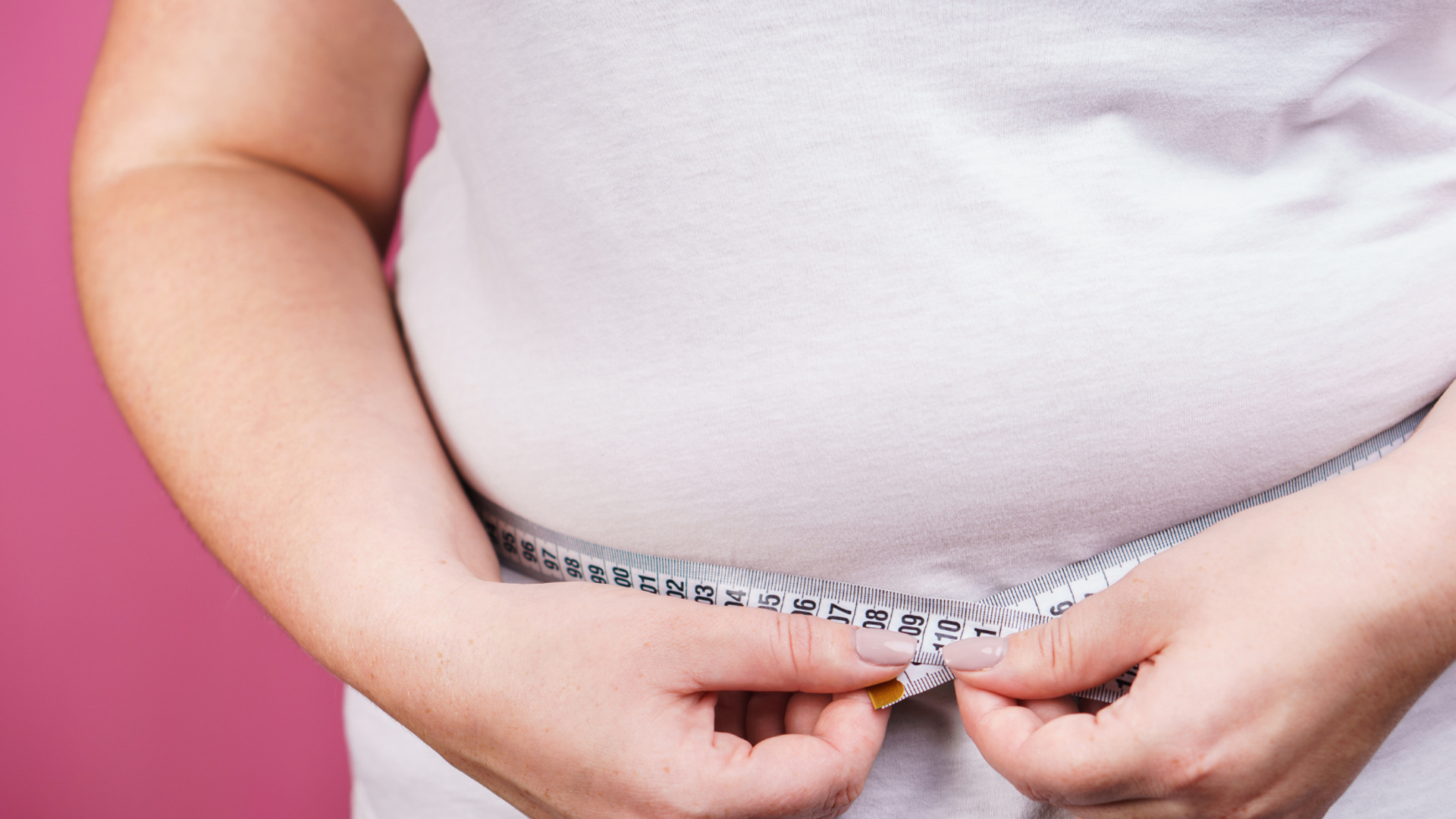
Use a tape measure to track the circumference of your waist, hips, thighs, and arms. This is a great way to see if you’re losing inches, even if the scale isn’t moving. We recommend taking your measurements once a month.
Track Your Performance
Are you getting stronger? Are you able to lift heavier weights? Are you able to do more reps? Are you able to run faster or for longer? These are all signs of progress. Keep a workout journal and track your performance over time. You’ll be amazed at how much you can improve.
Pay Attention to How Your Clothes Fit
This is a simple but effective way to track your progress. Are your jeans feeling a little looser? Is that shirt you haven’t been able to wear in years finally fitting? These are all signs that you’re making progress.
Notice How You Feel
This is perhaps the most important way to track your progress. Do you have more energy? Are you sleeping better? Are you in a better mood? These are all signs that your hard work is paying off.
Start your Svetness journey today
Get a free consultation and see how our trainers can transform your wellness journey.
The Role of a Personal Trainer
A personal trainer can be a great resource for helping you to track your progress in a healthy and sustainable way.
Here’s a quick look at the specific ways they can help.
The value of a personal trainer
• Help you set realistic goals
Shifts the focus away from just weight loss and toward performance-based fitness goals, such as doing more push-ups or running a longer distance
• Provide objective feedback
Offers an outside perspective to help you recognise progress you might not notice on your own
• Keep you motivated
Encourages consistency even when the scale is not changing, highlighting other signs of progress and improvement
Emily started working with one of our trainers, who helped her shift her focus from the scale to her performance. They set goals for her to be able to do a pull-up and to run a 5k.
Emily was so focused on these goals that she forgot all about the scale. And when she finally did step on it a few months later, she was pleasantly surprised to see that she had lost 10 pounds. But more importantly, she was proud of the fact that she could do a pull-up and that she had run a 5k. She had finally learned that her worth was not determined by the number on the scale.
The Power of Non-Scale Victories
Emily's transformation was not just physical. It was also mental and emotional. As she stopped obsessing over the scale and started celebrating her non-scale victories, her entire relationship with fitness changed. She became more confident, more positive, and more motivated. She started to see fitness not as a punishment or a means to an end, but as a celebration of what her body could do.
Non-scale victories can be incredibly powerful. They remind us that progress is not just about how we look, but about how we feel and what we can accomplish. They give us reasons to celebrate and to stay motivated, even when the scale is not moving.
Creating a Holistic Approach to Progress
At Svetness, we believe in a holistic approach to fitness. We don't just focus on one metric. We look at the whole picture: your performance, your body composition, your energy levels, your mood, and your overall quality of life.
When we work with a client, we help them set goals that go beyond weight loss. For example, we help them to set performance-based goals, like being able to do a certain number of push-ups or run a certain distance. We also help them to set health-based goals, like improving their blood pressure or their cholesterol levels. And finally, we help them to set lifestyle-based goals, like having more energy or sleeping better.
How to Track Fitness Progress: The Role of Consistency and Patience
One thing that Emily learned through her journey is that consistency and patience are key. Progress is not always linear. There will be weeks where you see great results, and there will be weeks where you don't see any changes at all. But if you stay consistent and patient, the results will come.
This is why it's so important to track your progress in multiple ways. If you're only looking at the scale, you might get discouraged during a week when the scale doesn't move. But if you're also tracking your performance, your measurements, and how you feel, you'll have a more complete picture of your progress.
If you're ready to start tracking your progress in a way that is empowering and sustainable, we're here to help! Get in touch today to get started with one of our at-home personal trainers.
FAQs About How to Track Fitness Progress
How often should I weigh myself?
If you choose to weigh yourself, we recommend doing it no more than once a week. And remember, the number on the scale is just one data point. Don’t let it define your progress.
What is a good way to track my body fat percentage?
There are a few different ways to track your body fat percentage. You can use a body fat scale, but these can be inaccurate. A more accurate method is to have your body fat tested by a professional, using calipers or a DEXA scan.
How do I stay motivated when I’m not seeing results?
It’s important to remember that progress is not always linear. There will be ups and downs. The key is to stay consistent and to focus on all of the ways you’re making progress, not just the number on the scale. A personal trainer can be a great source of motivation and support.
What are some good fitness apps for tracking progress?
There are a lot of great fitness apps out there that can help you track your progress. Some of our favorites include MyFitnessPal, Strava, and Nike Training Club.
How do I know if I’m making progress if I’m not losing weight?
There are so many ways to measure progress that have nothing to do with weight. Are your clothes fitting better? Are you getting stronger? Do you have more energy? These are all signs that you’re making progress. Celebrate these non-scale victories!
Start your Svetness journey today
Get a free consultation and see how our trainers can transform your wellness journey.