Should You Stretch Before or After Working Out? Most People Get This Wrong

Should you stretch before or after working out? We break down the science of when and how to stretch for better performance and fewer injuries.
Walk into any gym, and you will see the same scene play out. Someone drops their gym bag, walks over to the mats, and immediately starts holding static stretches. They touch their toes for thirty seconds, pull their heel to their glute, and then head straight for the squat rack or the treadmill.
For decades, this was the gold standard of fitness advice. We were all taught in middle school gym class that you must stretch before you exercise to prevent injuries.
But what if everything you learned in gym class was wrong?
We had a client, John, who was an avid runner. He came to us complaining of chronic hamstring tightness and a lack of power during his sprints. He told us his routine: "I spend 15 minutes stretching my hamstrings and calves before every single run, but they never seem to get any looser, and I feel like my legs are made of lead when I start."
We asked John to demonstrate his stretching routine. Sure enough, he was doing long, static holds on cold muscles. We explained to John that he wasn't warming up his muscles; he was actually putting them to sleep.
John was shocked. He had been doing this for years. But when we changed his routine to focus on dynamic movement before his run and saved the static stretching for afterward, his chronic tightness disappeared, and his sprint times improved significantly.
John’s story highlights one of the most common and persistent myths in fitness. In this blog, we’ll dive into the science of flexibility, answer the age-old question of “should you stretch before or after working out,” and show you exactly how to optimize your routine for better performance and fewer injuries.
The Two Types of Stretching: Static vs. Dynamic

To understand should you stretch before or after working out, you first have to understand the difference between the two main types of stretching: static and dynamic.
Static Stretching
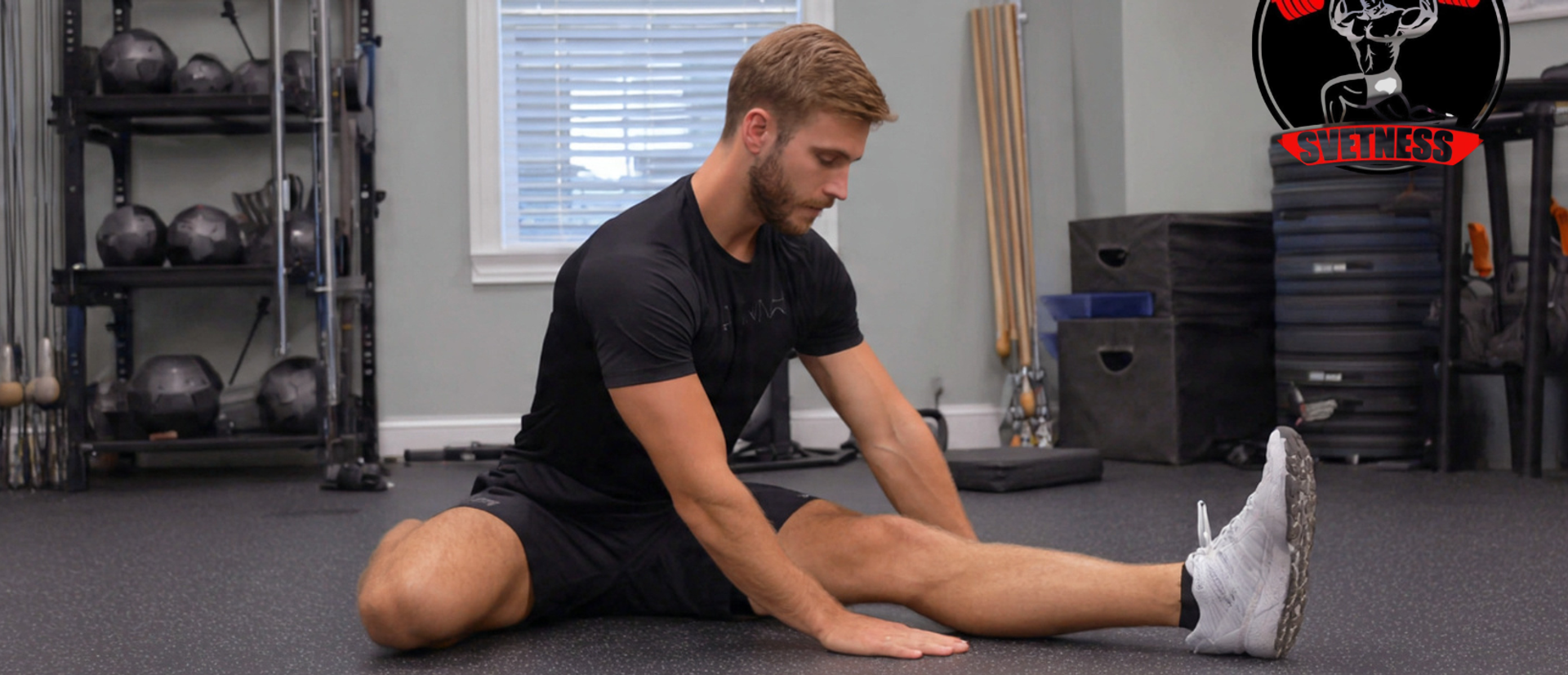
This is the classic "reach and hold" stretching. You move a muscle to the end of its range of motion and hold that position for 15 to 60 seconds. Examples include the classic toe touch, the standing quad stretch, or the seated butterfly stretch.
The goal of static stretching is to lengthen the muscle fibers and improve overall flexibility.
Dynamic Stretching
Dynamic stretching involves active, controlled movements that take your joints and muscles through their full range of motion. You are not holding a position; you are continuously moving. Examples include walking lunges, leg swings, arm circles, and torso twists.
The goal of dynamic stretching is to increase blood flow, elevate your core body temperature, and prepare your nervous system for the specific movements you are about to perform.
Why You Should Never Static Stretch Before a Workout
For years, we believed that holding a static stretch before a workout would loosen up tight muscles and prevent injuries like pulls and strains.
However, modern sports science has completely debunked this idea. In fact, research shows that static stretching before a workout can actually decrease your performance and potentially increase your risk of injury.
Think of your muscles like a rubber band. If you take a cold rubber band out of the freezer and yank on it, it’s brittle and likely to snap. But if you warm that rubber band up in your hands first, it becomes pliable and stretchy.
When you perform a static stretch on a cold muscle, you are essentially yanking on that cold rubber band. You are forcing the muscle fibers to lengthen before they have adequate blood flow or heat.
Furthermore, static stretching temporarily "numbs" the muscle. It decreases the muscle’s ability to contract forcefully and quickly. If you hold a hamstring stretch for 60 seconds and then immediately try to sprint or squat a heavy weight, your hamstring won't be able to fire as powerfully as it should. This loss of power and responsiveness is exactly what John was experiencing.
Start your Svetness journey today
Get a free consultation and see how our trainers can transform your wellness journey.
The Power of the Dynamic Warm-Up

So, if you’re thinking “should you stretch before or after working out?” but know you shouldn't static stretch before a workout…what should you do instead?
You should perform a dynamic warm-up.
A dynamic warm-up is the key to preparing your body for exercise. It accomplishes three crucial things:
- Increases Blood Flow and Temperature: Moving your body elevates your heart rate, pumping oxygen-rich blood to your muscles and literally warming them up. This makes the muscle fibers more pliable and less prone to tearing.
- Lubricates the Joints: Dynamic movement stimulates the production of synovial fluid, which acts like oil for your joints, allowing them to move smoothly and pain-free.
- Activates the Nervous System: Dynamic stretches mimic the movements you are about to perform in your workout. This "wakes up" the neural pathways between your brain and your muscles, ensuring they are firing efficiently and correctly.
Before a run, your dynamic warm-up might include high knees, butt kicks, and leg swings. Before a heavy lifting session, it might include bodyweight squats, arm circles, and inchworms. The goal is to move, not hold.
When to Use Static Stretching
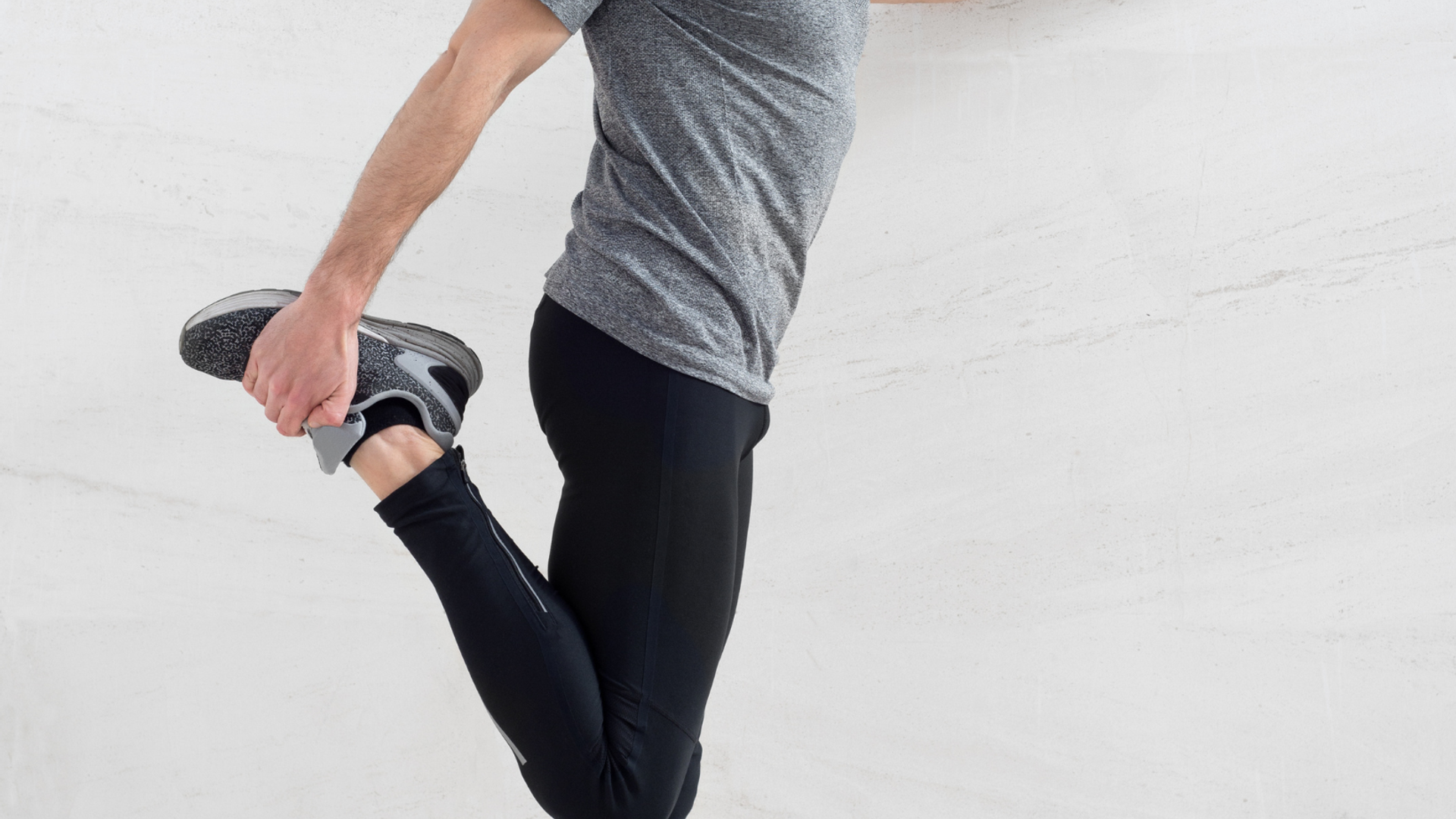
If static stretching is bad before a workout, is it ever useful?
Absolutely. The perfect time for static stretching is after your workout, during your cool-down phase.
After a workout, your muscles are warm, pliable, and full of blood. This is the optimal time to work on lengthening those muscle fibers and improving your overall flexibility.
Static stretching after a workout helps to:
- Relieve Muscle Tension: Exercise causes muscles to contract and shorten. Static stretching helps them return to their normal resting length, reducing that tight, bound-up feeling.
- Improve Flexibility and Range of Motion: Consistently stretching warm muscles over time will lead to lasting improvements in your flexibility, which is crucial for long-term joint health and injury prevention.
- Promote Relaxation: Deep, slow breathing during static stretching helps shift your nervous system from the "fight or flight" state of exercise back to a "rest and digest" state, aiding in recovery.
Should You Stretch Before or After Working Out with Svetness?

At Svetness, we don't believe in generic, outdated fitness advice. We base our programming on the latest science and what actually works for our clients.
When you train with a Svetness personal trainer, your session will never start with static stretching. We will guide you through a targeted dynamic warm-up designed specifically for the workout ahead. We ensure your body is fully primed, heated, and ready to perform at its best.
And when the hard work is done, we will guide you through a comprehensive cool-down, utilizing static stretching to improve your flexibility, relieve tension, and kickstart your recovery process.
We want you to train smarter, not just harder. By understanding the difference between dynamic and static stretching (and when to use each) you can drastically improve your performance, reduce your risk of injury, track your progress, and finally see the results you’ve been working for.
If you’re tired of feeling tight, sluggish, or prone to injury, we invite you to experience a smarter way to train. Our expert trainers are ready to design a program of daily exercises for flexibility that optimizes every minute of your workout, from the warm-up to the cool-down.
FAQs
How long should a dynamic warm-up last?
A good dynamic warm-up should last anywhere from 5 to 10 minutes. The goal is to break a light sweat and feel your joints moving smoothly before you start the main part of your workout.
Can I stretch on my rest days?
Yes! Stretching on your rest days is a great way to improve flexibility and relieve muscle soreness. However, you should still do a very brief dynamic warm-up (like a 5-minute walk or some light jumping jacks) before you hold static stretches, even on a rest day.
Is yoga considered static or dynamic stretching?
Yoga is a mix of both. Vinyasa or "flow" styles of yoga are highly dynamic, moving continuously from one pose to the next. Yin or restorative yoga relies more on long, static holds to stretch deep connective tissues.
I sit at a desk all day. Should I stretch before I workout?
If you sit all day, your hips and chest are likely very tight. You absolutely need to warm up, but you should focus on dynamic movements that open up the hips and thoracic spine (like lunges with a twist) rather than static holds.
Does stretching prevent muscle soreness (DOMS)?
While stretching after a workout feels good and helps restore muscle length, research shows it has very little effect on preventing Delayed Onset Muscle Soreness (DOMS). The best way to manage DOMS is through proper nutrition, hydration, sleep, and active recovery (like light walking).
Start your Svetness journey today
Get a free consultation and see how our trainers can transform your wellness journey.