Personal Trainer for Weight Loss at Home: What Works Best

A personal trainer for weight loss may change more than workouts. The surprising part is how much less guesswork your week may need.
A personal trainer for weight loss can help when your current routine feels exhausting, confusing, or impossible to maintain. Many people try to lose weight by doing more cardio, eating less food, and hoping willpower carries them through another week. That approach can work briefly, but it often leaves people tired, hungry, sore, and frustrated.
Jessica came to Svetness after trying to lose 20 pounds for two years. She ran on a treadmill for 45 minutes most days and cut her calories hard. She would lose a few pounds, feel drained, overeat during the weekend, and return to the same cycle. “I feel like I am constantly working out and constantly hungry, but my body is not changing. I am exhausted,” she told us.
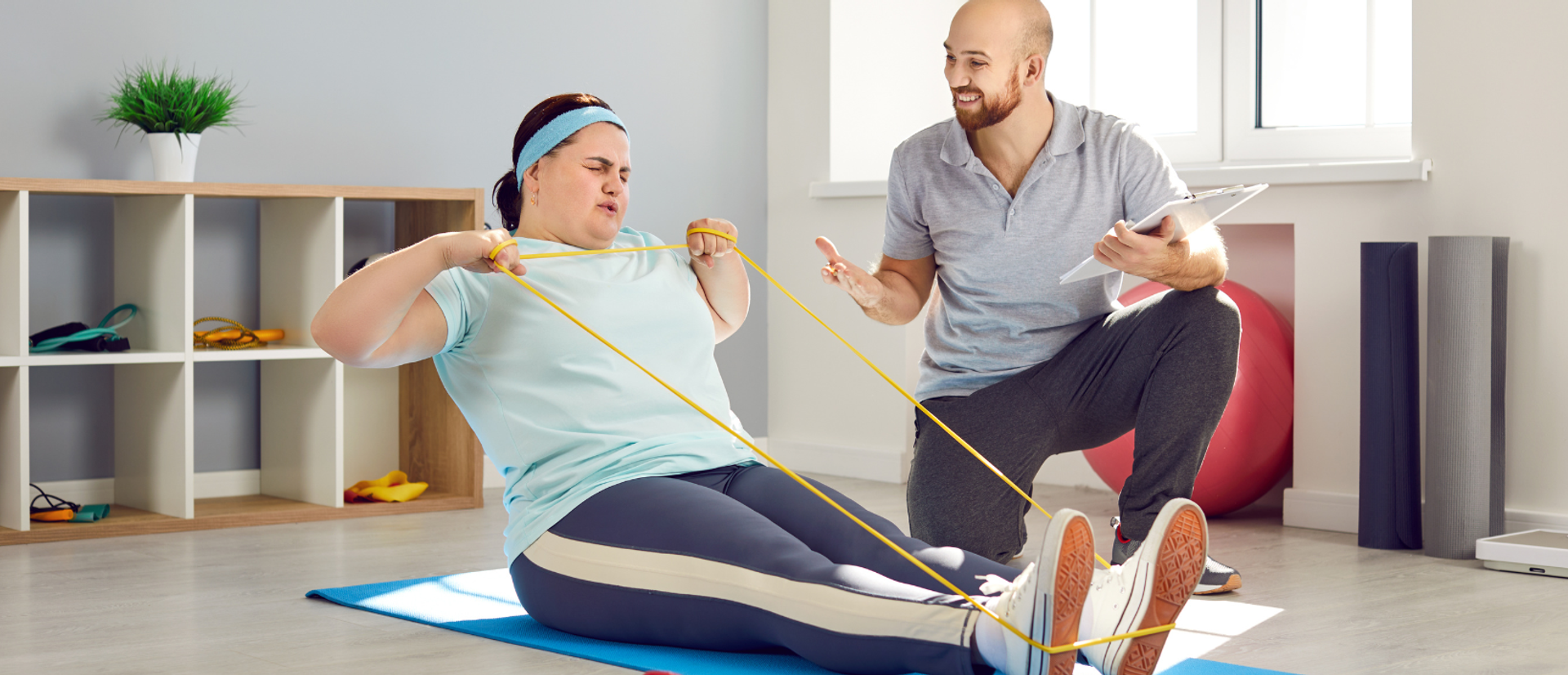
Her Svetness trainer changed the plan. They reduced the endless cardio, added in-home strength training, and helped her keep protein high within a realistic calorie deficit. Within four months, Jessica lost 18 pounds, built muscle, and felt stronger. She was training more efficiently, eating more than before, and finally seeing progress that felt sustainable.
Start your Svetness journey today
Get a free consultation and see how our trainers can transform your wellness journey.
Top Tips for Weight Loss at Home

The most effective at-home weight loss plan combines strength training, realistic nutrition habits, and consistent coaching.
- Strength training helps protect and build lean muscle.
- Cardio can support health, but it should not be the whole plan.
- Protein, meal structure, and a realistic calorie deficit matter.
- Accountability helps you stay consistent through stressful weeks.
- Home workouts can work with bodyweight, bands, dumbbells, and small spaces.
- Progress should be measured through strength, energy, consistency, body changes, and confidence.
The goal is not to work harder every day. The goal is to follow a plan your body and schedule can actually support.
Why a Personal Trainer for Weight Loss Focuses on More Than Cardio
A personal trainer for weight loss should look beyond calorie burn during one session. Fat loss is affected by training, nutrition, recovery, stress, sleep, and how consistently you can repeat the plan.
Cardio Has a Place
Cardio can support heart health, stamina, mood, and calorie expenditure. Walking, cycling, intervals, and low-impact conditioning can all fit into a weight-loss plan.
The problem comes when cardio becomes the only tool. Long treadmill sessions paired with very low calories can leave people tired and hungry. Some people also lose muscle along with fat, which can make the body feel smaller but not stronger.
Strength Training Changes the Equation
Strength training helps preserve lean muscle during weight loss. This matters because muscle supports movement, posture, daily function, and a healthier metabolism.
A good trainer may use squats, hinges, rows, presses, carries, core work, and controlled bodyweight exercises. You do not need a full gym to start. Resistance bands, dumbbells, and smart exercise progressions can create a strong home program.
Clients looking for weight loss personal training often feel surprised that the plan does not rely on constant cardio. The change is usually more balanced, more structured, and easier to repeat.
Nutrition Support Without Crash Dieting

Training matters, but nutrition shapes weight loss. A trainer cannot eat for you, but they can help you understand the habits that support your goal.
A Realistic Deficit Beats Extreme Restriction
Weight loss requires using more energy than you consume over time. The deficit should be realistic enough to maintain, not so aggressive that it leaves you exhausted.
Jessica’s earlier plan pushed food too low. That made weekend overeating more likely. Her new plan gave her enough food to train well, keep hunger manageable, and stay consistent.
Protein Helps Preserve Muscle
Protein supports muscle repair and can help meals feel more filling. A trainer may help you look at meal timing, breakfast choices, snacks, and portion patterns so your food supports training rather than fighting against it.
This is not about strict meal rules. It is about building repeatable habits that make weight loss less chaotic.
Start your Svetness journey today
Get a free consultation and see how our trainers can transform your wellness journey.
Why Training at Home Can Help Weight Loss Stick
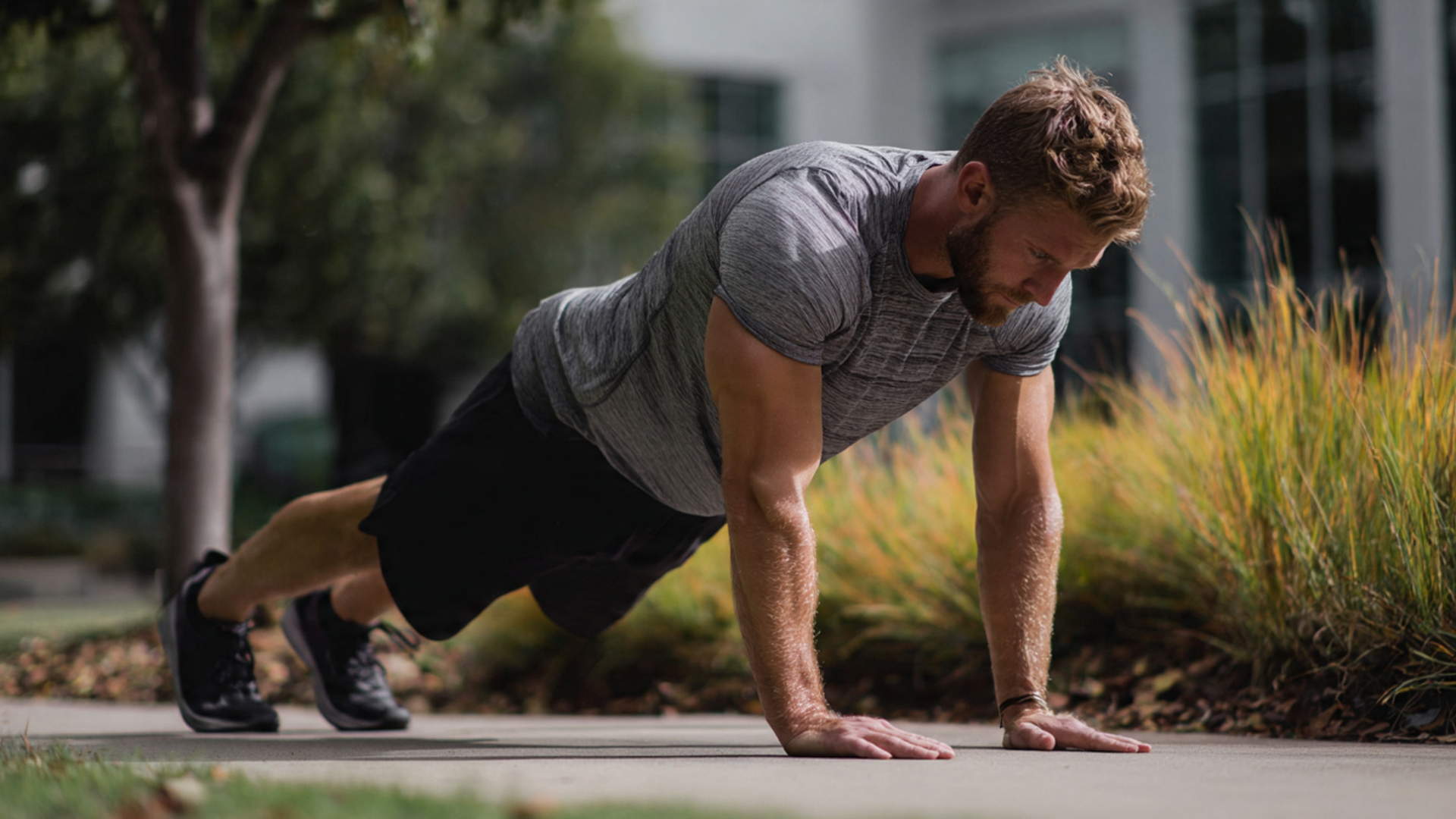
At-home training can remove common barriers that interrupt progress. That can be especially helpful for clients who have struggled to maintain a routine.
Fewer Barriers Before the Workout
Travel time, crowded gyms, parking, childcare, and self-consciousness can all make workouts easier to skip. Training at home reduces the number of decisions needed before a session starts.
A trainer can meet you in your living room, garage, backyard, apartment gym, or another suitable space. Clients can weigh the benefits of personal training at home when privacy, convenience, and consistency are major concerns.
Your Environment Becomes Part of the Plan
A home-based trainer can see what space and equipment you have. They can design workouts around real conditions instead of assuming access to machines or large training areas.
They can also talk through your daily habits in the setting where those habits happen. That makes conversations about snacks, meal prep, evening routines, and schedule challenges more practical.
Plateaus Need Better Adjustments
Most people trying to lose weight hit a plateau. The scale stops moving, workouts feel stale, and motivation dips. A plateau does not mean the plan has failed. It often means the plan needs a careful adjustment.
Your Body Adapts Over Time
As your body weight changes and fitness improves, the same routine may no longer create the same result. Your trainer may adjust sets, reps, rest periods, exercise selection, walking goals, or training frequency.
They may also help you review sleep, stress, protein intake, weekend habits, and recovery. Plateaus are rarely solved by panic. They are usually solved by better information.
The Scale Is Not the Whole Story
A personal trainer for weight loss should help you track more than body weight. Strength, waist measurements, clothing fit, stamina, energy, and workout consistency can show progress that the scale does not always reveal.
This is especially true when strength training is working well. You may build muscle as you lose fat, which can change how your body looks and feels even when the scale moves slowly.
How Svetness Builds Sustainable Weight Loss at Home
Svetness weight loss personal training focuses on realistic coaching, not punishment. Your trainer builds sessions around your goals, current ability, schedule, and home setup.
The Plan Starts Where You Are
A beginner does not need the same program as someone who already trains three times per week. A new parent, a busy professional, and someone returning after injury also need different support.
Your trainer can adjust movements, pace, rest, and difficulty so the workout feels challenging without becoming overwhelming.
Accountability Is Built Into the Week
Consistency becomes easier when someone is checking in, tracking progress, and helping you recover after difficult days. If work stress, travel, poor sleep, or a busy weekend disrupts the plan, your trainer can help you return without turning one setback into a full stop.
Svetness personal training also gives clients one-on-one support for strength, mobility, confidence, and overall fitness, which can support weight loss as part of a broader health goal.
Start Weight Loss Training at Home With Svetness
Weight loss works better when the plan feels clear, realistic, and repeatable. Jessica’s progress came from changing the strategy, not adding more punishment. Strength training, better nutrition habits, and steady accountability helped her finally move out of the cycle that had kept her stuck.
Svetness can match you with a trainer who helps you build a weight-loss plan around your home, schedule, goals, and current fitness level.
Book Your Free Svetness Consultation
FAQs
Is strength training better than cardio for weight loss?
Strength training is often more useful than people expect because it helps preserve lean muscle during fat loss. Cardio can still support heart health, stamina, and calorie burn, but the strongest plans usually include both.
How fast can I lose weight with a trainer?
A common sustainable pace is about 1 to 2 pounds per week, although progress varies by starting point, nutrition, consistency, sleep, stress, and health history.
Do I need gym equipment to lose weight at home?
No. A trainer can build effective home workouts using bodyweight movements, resistance bands, dumbbells, and small-space exercises. Equipment can help, but it is not required on day one.
Can a trainer help with nutrition?
Yes. A trainer can offer general nutrition guidance, habit support, and accountability. A registered dietitian is the right professional for medical nutrition therapy or a prescribed meal plan.
What if I have tried to lose weight before and failed?
Past attempts can give your trainer useful information. A good plan should look at what made previous efforts difficult, then adjust training, nutrition habits, and accountability to fit your life better.
Start your Svetness journey today
Get a free consultation and see how our trainers can transform your wellness journey.