Primal Movement Exercises: The Original Functional Fitness

Squatting, crawling, and climbing aren't just for kids. Discover how primal movement exercises can unlock your body's natural strength and mobility.
Picture a toddler. They squat down to pick up a toy with perfect form, their back straight and their hips low. They crawl across the floor with incredible speed and agility. They climb on furniture with a fearless sense of adventure. They are masters of movement, and they do it all without a single thought.
Now, picture the average adult. We sit at desks for hours on end, our hips tight and our backs rounded. We struggle to get up off the floor. We’ve lost the natural, fluid movement we were all born with. We’ve become disconnected from our bodies.
One of our clients, a software developer named Mark, came to us with chronic back pain. He had been to doctors and physical therapists, but nothing seemed to help. He was frustrated and discouraged.
We introduced him to primal movement (a fitness philosophy based on the idea that we should train our bodies to move in the way they were designed to move), and it was a revelation for him. We started with simple exercises like crawling and squatting. At first, he felt awkward and uncoordinated. But as he practiced, he started to feel a change. His back pain started to subside, and he felt a new sense of freedom in his body.
Mark’s story is a powerful example of the transformative power of primal movement, which is a way of reconnecting with your body and reclaiming your natural ability to move. So in this blog, we’ll explore the world of primal movement and show you how you can incorporate it into your own fitness routine.
What Are Primal Movement Exercises?
Primal movement exercises are based on the seven fundamental movement patterns that are essential to human life:
- Squat: The ability to sit down and stand up.
- Lunge: The ability to step forward, backward, and to the side.
- Push: The ability to push things away from you.
- Pull: The ability to pull things toward you.
- Twist: The ability to rotate your torso.
- Bend: The ability to bend at the hips.
- Gait: The ability to walk, run, and crawl.
These are the movements that our ancestors used to survive. They squatted to gather food, they lunged to hunt, they pushed and pulled to build shelter. These movements are hardwired into our DNA. But in our modern, sedentary world, we’ve lost touch with them.
Primal movement workouts are designed to help you relearn these fundamental patterns. They often involve bodyweight exercises that mimic the movements of animals and young children. Think bear crawls, crab walks, and frog jumps. These exercises may look simple, but they are incredibly effective at building strength, mobility, and coordination.
Start your Svetness journey today
Get a free consultation and see how our trainers can transform your wellness journey.
The Benefits of Primal Movement
Primal movement is more than just a fun way to work out. It offers a wide range of benefits for your body and your mind. Here are the five key benefits of incorporating primal movement into your exercise routine.
5 key benefits of primal movement
• Improved mobility and flexibility
Moves joints through their full range of motion, helping reduce stiffness and improve overall flexibility
• Increased strength and stability
Builds functional strength by challenging muscles in varied, natural movement patterns
• Better coordination and balance
Encourages full-body coordination, which can improve balance and lower the risk of falls
• Reduced risk of injury
Strengthens joint-supporting muscles and improves movement quality to help prevent injuries
• A more playful approach to fitness
Makes exercise feel fun and engaging, helping people reconnect with the joy of movement
How to Get Started with Primal Movement
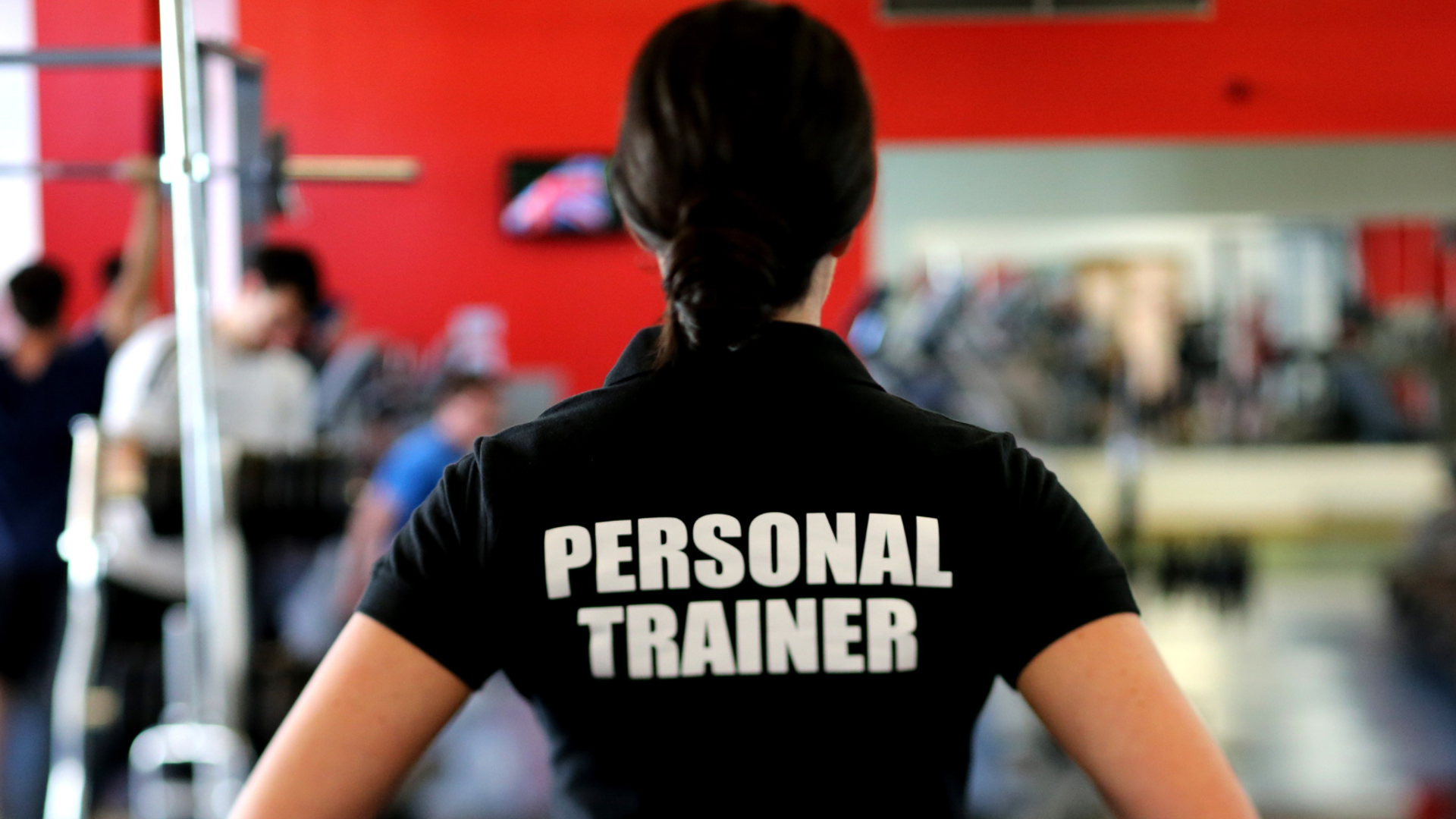
The best way to get started with primal movement is to find a qualified instructor or personal trainer who can teach you the basics. A good instructor will be able to assess your movement patterns and create a program that is tailored to your individual needs.
If you want to try some primal movement exercises on your own, here are a few to get you started:
- The Deep Squat: This is the foundation of all primal movements. Stand with your feet shoulder-width apart and your toes pointed slightly out. Lower your hips down as if you’re going to sit in a chair. Keep your back straight and your chest up. Go as low as you can without rounding your back. Hold for 30 seconds and then stand back up.
- The Bear Crawl: Start on all fours with your hands under your shoulders and your knees under your hips. Lift your knees off the floor so that you’re balancing on your hands and your toes. Crawl forward by moving your right hand and your left foot at the same time, and then your left hand and your right foot. Keep your back flat and your hips low.
- The Crab Walk: Sit on the floor with your knees bent and your feet flat on the floor. Place your hands on the floor behind you with your fingers pointing toward your feet. Lift your hips off the floor and walk forward, backward, and to the side.
The Svetness Approach: Movement for Life
At Svetness, we believe that fitness should be about more than just looking good. It should be about feeling good and moving well in your everyday life. That’s why we incorporate primal movement into our fitness training programs. We believe that by getting back to the basics, we can help our clients build a strong, resilient, and pain-free body for life.
We work with clients of all ages and fitness levels, from young athletes all the way up to seniors who want to stay active and independent. We create personalized programs that are designed to help each client reach their individual goals.
Building a Primal Movement Practice
If you're new to primal movement, it's important to start slowly and to focus on quality over quantity. Begin with just two to three sessions per week, and focus on learning the fundamental movement patterns. As you become more comfortable with the movements, you can gradually increase the frequency and intensity of your workouts.
One of the best things about primal movement is that it can be done anywhere, with no equipment. You can do it in your living room, your backyard, or even at a local park. This makes it incredibly accessible and convenient.
Mark's journey with primal movement did not stop after his back pain went away. He became so enamored with the practice that he incorporated it into his daily life. He started taking the stairs at work instead of the elevator. He would get down on the floor and play with his kids using primal movement patterns. And he even found himself moving differently throughout the day without even thinking about it.
What started as a way to relieve back pain turned into a new way of moving through life, one that felt stronger, more natural, and a lot more fun.
The Science Behind Primal Movement
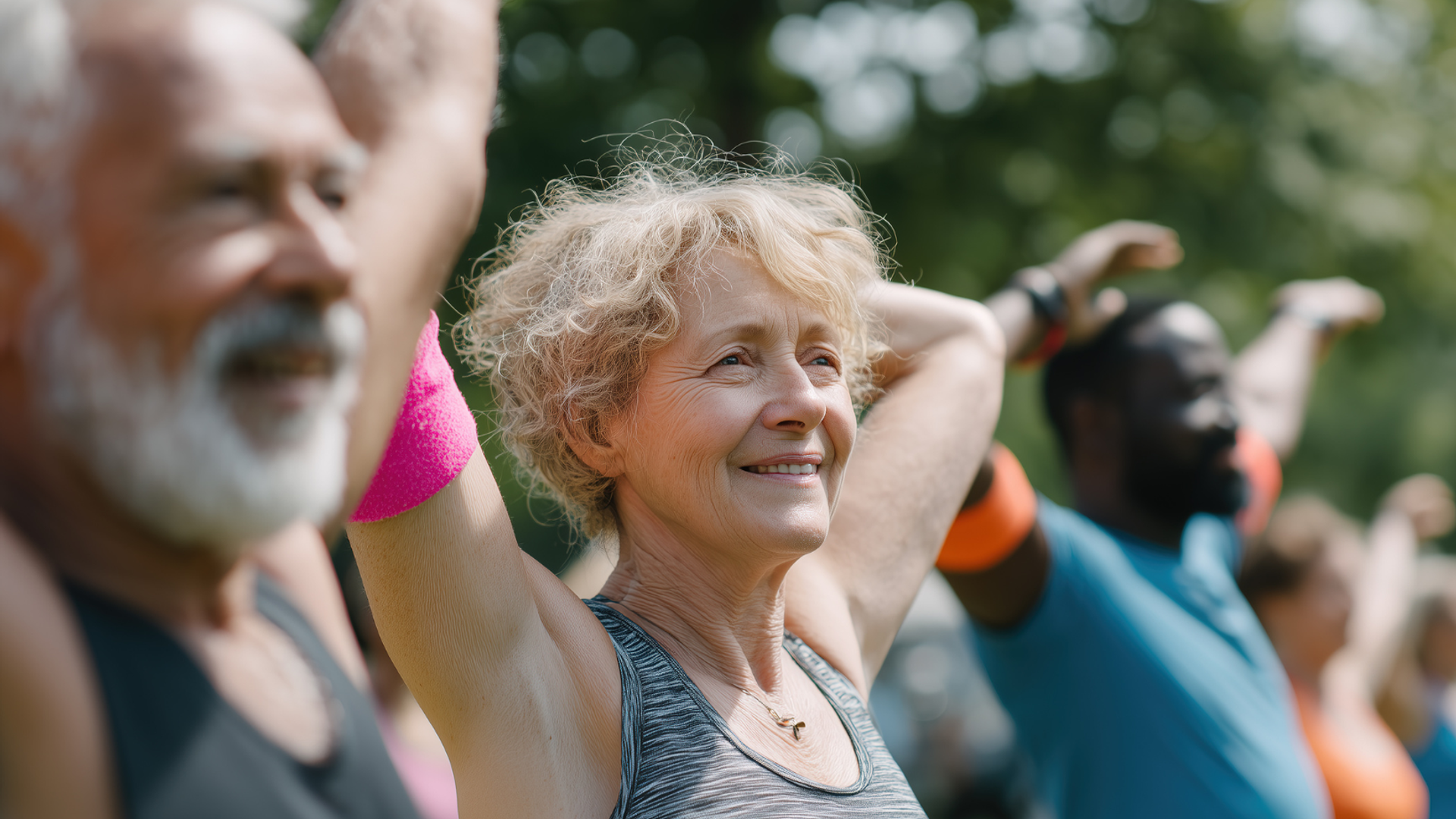
While primal movement might seem like a trendy fitness fad, there's actually solid science behind it. For example, one study found that functional movement training improved balance, coordination, and strength in older adults. Another study found that functional movement improves mobility, flexibility, coordination, and overall physical function.
The reason primal movement is so effective is that it engages multiple muscle groups and requires coordination and balance. It's a full-body workout that challenges your body in ways that traditional gym exercises often do not.
The Svetness Difference
At Svetness, we believe that primal movement is not just for athletes or fitness enthusiasts. It's for everyone. If this is something you’re interested in, our trainers are experts in primal movement and can help you learn the fundamental movement patterns and incorporate them into your daily life.
Ready to rediscover your body's natural ability to move? Contact us today to learn more about our in-home personal training services and get started!
FAQs about Functional Fitness
Is primal movement the same as functional fitness?
Primal movement is a type of functional fitness. Functional fitness is a broad term that refers to any type of exercise that helps you perform your daily activities more easily and with less risk of injury. Primal movement is a specific approach to functional fitness that is based on the seven fundamental movement patterns.
Is primal movement good for weight loss?
Yes, primal movement can be a great way to lose weight. It’s a full-body workout that can help you burn calories and build muscle. And because it’s fun and engaging, you’re more likely to stick with it.
Can I do primal movement if I have an injury?
It depends on the injury. If you have a serious injury, you should talk to your doctor or a physical therapist before you start any new exercise program. However, for many common injuries, primal movement can be a safe and effective way to rehab and get back to your activities.
Do I need any equipment for primal movement?
No, you don’t need any equipment for primal movement. Most of the exercises are bodyweight exercises. However, you can use tools like kettlebells, sandbags, and medicine balls to add variety and challenge to your workouts.
Is primal movement for everyone?
Yes, primal movement is for everyone. It can be adapted to any fitness level, from beginners to advanced athletes. It’s a great way to get in shape, improve your health, and have fun.
Start your Svetness journey today
Get a free consultation and see how our trainers can transform your wellness journey.