Can You Drink Water While Fasting? The Clear Guide (By Goal)

Water during a fast seems obvious, but the answer isn’t. Depending on your goals, there are different rules for whether you can drink water while fasting.
It sounds like the simplest question in health and fitness circles, yet it's one that stumps a surprising number of people, from first-time fasters to seasoned pros: can you drink water while fasting?
I’ve found that this initial question often opens a floodgate (no pun intended) of others. If water is okay, what about tea? Does coffee count? Does the answer change if I’m fasting for weight loss versus for religious reasons? The uncertainty is completely understandable.
But I want to offer a reassuring perspective. In my years as a personal trainer, I've helped countless clients integrate fasting into their lifestyles, and I've learned that navigating these rules doesn't have to be a source of anxiety. The key is to reframe the question.
Instead of just asking if you can drink water, we should ask how water supports your specific fasting objective. Think of water as the neutral party in the great fasting debate. It carries no agenda, no calories, and no metabolic baggage. It is the foundational element that supports your body’s needs while you abstain from food.
This guide is designed to walk you through that nuance, providing clear answers to the question “can you drink water while fasting?” based on your primary goal.
Answering, Can You Drink Water While Fasting?
To truly grasp the role of water, we first need to agree on what fasting is. At its most fundamental level, fasting is the voluntary abstention from food, and more specifically, from caloric intake.
Our bodies are incredibly smart; they are wired to respond to the energy and nutrients we consume. When we eat, we trigger a cascade of hormonal and metabolic responses, most notably the release of insulin to manage the incoming sugars and store energy.
The entire point of most fasts is to give this system a rest, allowing insulin levels to fall and encouraging the body to switch from using glucose for fuel to tapping into its stored fat reserves.
The Nutritional Properties of Water
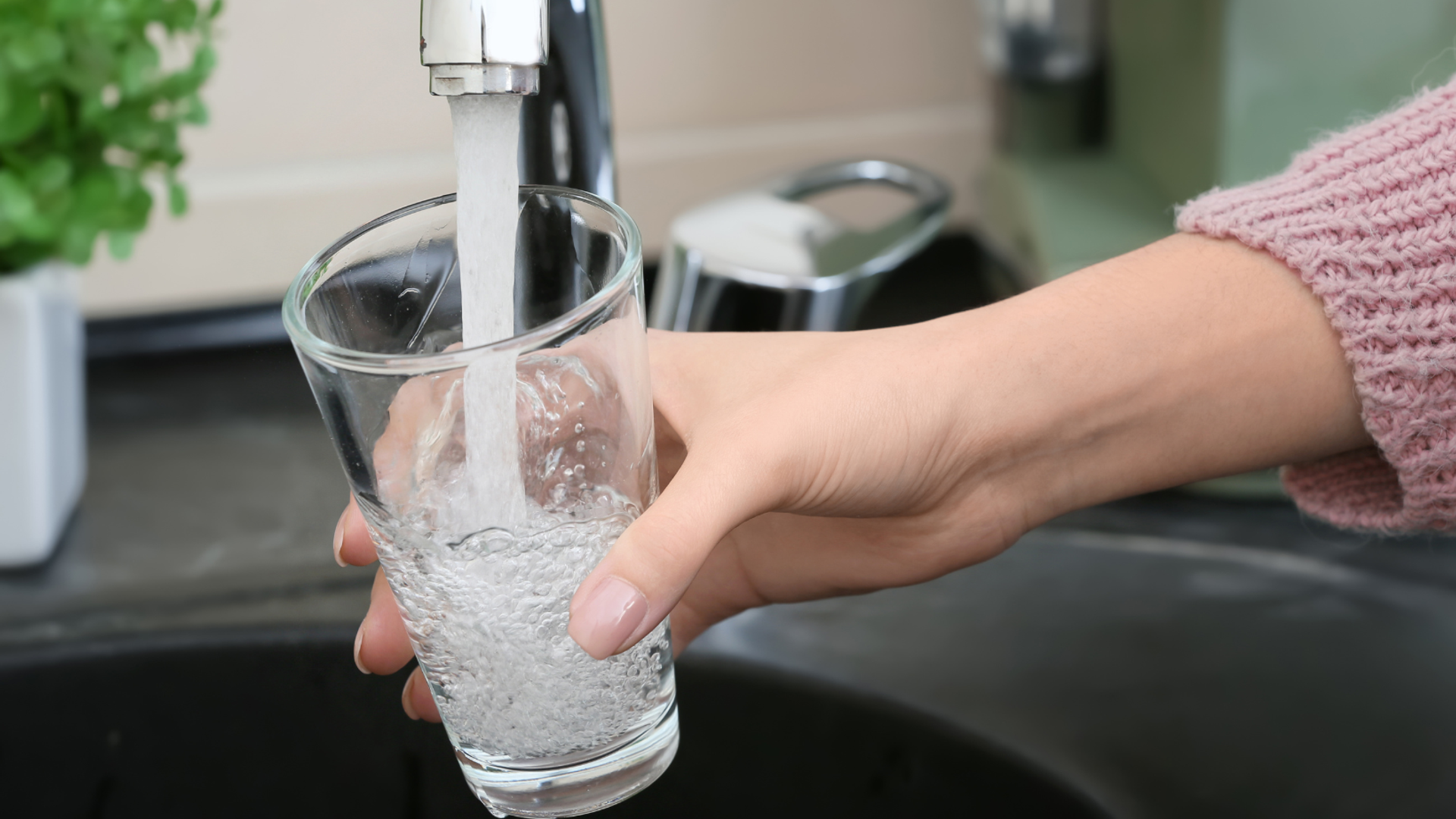
Here is the thing: plain water contains zero calories, zero carbohydrates, zero proteins, and zero fats. When you drink it, you are not introducing any energy source that would trigger that insulin response. It slips past the metabolic gatekeepers without causing a stir. It doesn't interrupt the state of ketosis, where your body is actively burning fat for fuel.
Water doesn't interfere with the cellular processes that fasting is meant to initiate. It simply provides hydration, a fundamental biological need, without breaking the fast's core principle of caloric abstinence. This is why, for the vast majority of fasting protocols, water isn't only allowed, it's a non-negotiable component of a safe and healthy lifestyle
Can You Drink Water When Your Goal is Fat Loss?

For many of my clients, the primary motivation for incorporating fasting is to manage weight and reduce body fat. When this is your objective, the question of “can you drink water while fasting?” is met with a resounding and enthusiastic “yes.”
Proper hydration is a cornerstone of a healthy metabolism. Your body requires water for nearly every biological process, including the complex series of reactions needed to metabolize stored fat into usable energy. A dehydrated body is an inefficient body, and a sluggish metabolism can hinder your fat loss progress.
Furthermore, one of the biggest hurdles during a fast is managing hunger. It’s very common for the body to mistake thirst signals for hunger signals. By consistently drinking water throughout your fasting window, you can effectively manage those phantom hunger pangs, making it significantly easier to adhere to your plan.
Water fills your stomach, providing a sense of fullness that can be a powerful psychological ally. It helps your body’s systems flush out the byproducts of fat breakdown, supporting the entire detoxification and weight loss process. For anyone looking to enhance their fat loss journey, pairing fasting with consistent hydration is a powerful strategy.
Can You Drink Water While In Autophagy?
Beyond weight management, a growing number of people are drawn to fasting for its potential to induce autophagy. This term, which sounds complex, refers to a deeply important and natural process within your body.
Think of it as cellular housekeeping. During autophagy, your cells identify and clear out old, damaged, or dysfunctional components, recycling them for energy or to build new, healthier cell parts. It’s a vital process for cellular rejuvenation and is believed to play a role in long-term health and longevity.
True, deep autophagy is triggered by nutrient deprivation. Specific pathways in the body, like the mTOR pathway, are sensitive to the presence of amino acids (from protein) and glucose (from carbs). When these nutrients are absent, the body ramps up its cellular cleaning protocols. This brings us back to our central question.
Since plain water contains no amino acids, no glucose, and no other nutrients that would signal these pathways, it does not interfere with autophagy. In fact, cellular functions, including this cleanup process, are dependent on a hydrated environment to work correctly. Water provides the medium for these intracellular activities to occur efficiently.
So, if your goal is to get the full cellular benefits of a fast, you can rest assured that drinking plenty of water is not only safe but also supportive of your body’s natural renewal processes.
Can You Drink Water During Religious and Spiritual Fasts?

It is critical to recognize that not all fasts are undertaken for metabolic or physiological reasons. For billions of people around the world, fasting is a profound spiritual or religious practice. In these contexts, the rules are not dictated by metabolic science but by centuries of doctrine and tradition. The answer to whether water is permitted depends entirely on the specific tenets of the faith and the particular fast being observed.
For example, during the Islamic holy month of Ramadan, some observant Muslims abstain from all food and drink, including water, from dawn until sunset. This is known as a “dry fast.” Conversely, many forms of fasting within Christianity, such as those observed during Lent, or a Daniel Fast, primarily involve abstaining from specific types of food (like meat or rich foods), while the consumption of water is perfectly permissible and encouraged. In Judaism, the fast of Yom Kippur is a complete fast from all food and water, while other minor fasts may have different rules.
The key takeaway here is that one cannot apply a single metabolic rule to the diverse world of religious fasting. If you are fasting for spiritual reasons, the most important step is to consult the specific guidelines of your faith or a trusted religious authority.
Can You Drink Water When Medically Fasting?
Another distinct and highly important category of fasting is that which is prescribed for medical reasons. This is not a lifestyle choice but a necessary preparation for a specific medical procedure or diagnostic test.
Common examples include fasting before surgery to reduce the risk of aspiration under anesthesia, or fasting before a blood test, such as a lipid panel or a fasting blood glucose test, so the results are accurate and not influenced by a recent meal.
In these situations, the rules are absolute and must be followed with precision. Your healthcare provider will give you explicit instructions on what you can and cannot consume, and for how long. Typically, for most pre-operative or pre-test fasts, plain water is allowed up to a certain number of hours before the event. It's often encouraged to prevent dehydration.
However, this is not a universal rule. There may be specific procedures that require a complete restriction of all intake, including water. Deviating from these instructions can have serious consequences, from invalidating your test results and requiring a re-test, to posing a significant safety risk during a medical procedure.
Your doctor’s orders supersede any general advice you might read online. Always prioritize the specific guidance given to you by your medical team.
Start your Svetness journey today
Get a free consultation and see how our trainers can transform your wellness journey.
What Else Can You Drink While Fasting?
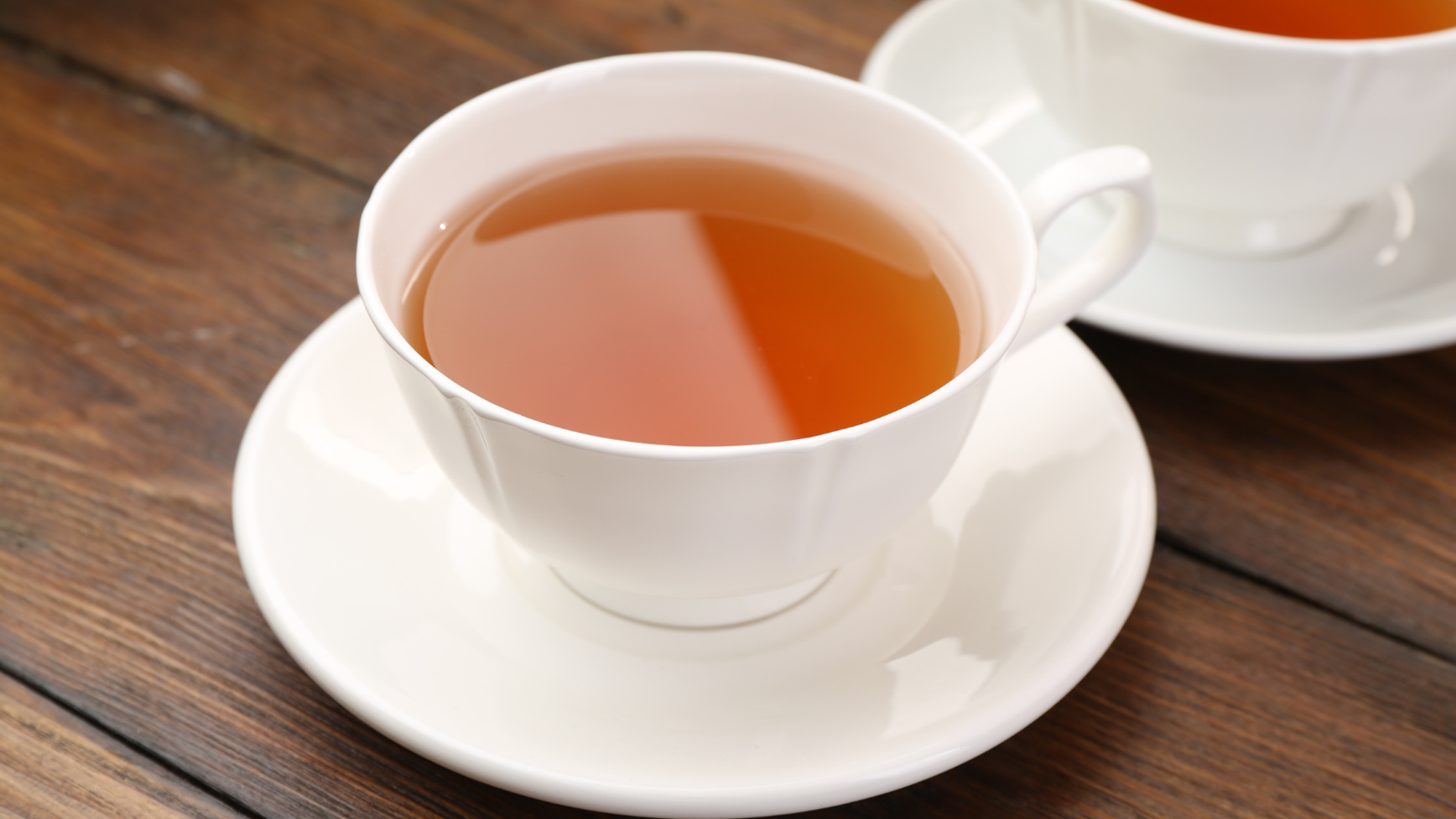
Once people are comfortable with the idea of drinking water while fasting, they want to know about other beverages. The answer depends on your fasting goals and your personal definition of a "broken" fast. For a “clean” fast focused purely on autophagy and cellular rest, only water will do. For a fast focused on weight loss and metabolic health, there is a bit more flexibility.
Drinks That Generally Do Not Break a Fast
For most fasting protocols outside of strict religious or medical contexts, a few other beverages are generally considered acceptable.
- Black coffee (no sugar, no cream, no milk, and no artificial sweeteners)
- plain tea, (green, black, or herbal)
- Lemon water
- Carbonated water or seltzer (with no sweeteners or added flavors)
These beverages can help with hydration and provide a bit of flavor, which can make the fasting period more manageable.
Drinks That Absolutely Break a Fast
This side of the line is much clearer. Any beverage that contains a significant number of calories, even drinks that are marketed as “healthy,” will break your fast. This includes:
- Sodas, including diet sodas
- Fruit juices
- Milk
- Sweetened coffee or tea
- Smoothies
- Bone broth
When in doubt, read the label, and if it contains calories, it’s off-limits.
Hydration is the Cornerstone of Your Fasting Success
As we've seen, asking “can you drink water while fasting?” doesnt result in a slap on the wrist for trying to break your fast. For nearly every goal, be it fat loss, cellular health, or simply managing a non-medical fasting protocol, water is a requirement, not a treat.
Water is the silent partner in your wellness journey, facilitating the very processes you are trying to support. By staying adequately hydrated, you manage hunger, maintain your metabolism, and provide your body with the fundamental resource it needs to function optimally, even in a fasted state. So, as you continue on your path, don't view water as a potential rule-breaker. Instead, see it as the constant, supportive element that enables you to honor your fasting goals safely and effectively.
If you're looking to build a comprehensive fitness routine around your fasting schedule, checking out options like our at-home exercises for beginners or understanding the benefits of walking vs running can provide a balanced approach to your overall health. For those specifically targeting fat loss, our personalized weight loss plans can provide the structure and support needed to succeed.
Frequently Asked Questions
How much water should I drink during a fast?
There's no single magic number, as your hydration needs depend on your body size, activity level, and environment. A good general guideline is to aim for the standard 8-10 glasses per day, but the best indicator is the color of your urine. Aim for a pale, straw-like color. If it's dark, you need to drink more.
Can I drink sparkling water while fasting?
Yes, in most cases. Plain, unsweetened, and unflavored sparkling water is just water with carbonation. It has no calories and will not break a fast. Just be sure to check the label to confirm there are no added sugars or artificial sweeteners.
Will drinking a lot of water flush out electrolytes?
During shorter fasts (24 hours or less), this is generally not a significant concern for a healthy individual. However, during prolonged fasts (multiple days), it is possible to dilute your body's electrolytes. In these cases, some people choose to add a pinch of natural salt (like pink Himalayan salt) to their water to help maintain electrolyte balance. It's always best to consult a healthcare professional before undertaking an extended fast.
Does lemon water break a fast?
This is a common point of debate. A small squeeze of lemon juice in a large glass of water adds a negligible number of calories and carbohydrates. For most people fasting for general health or weight loss, drinking lemon water is unlikely to have a significant impact on the fasting state.
Start your Svetness journey today
Get a free consultation and see how our trainers can transform your wellness journey.