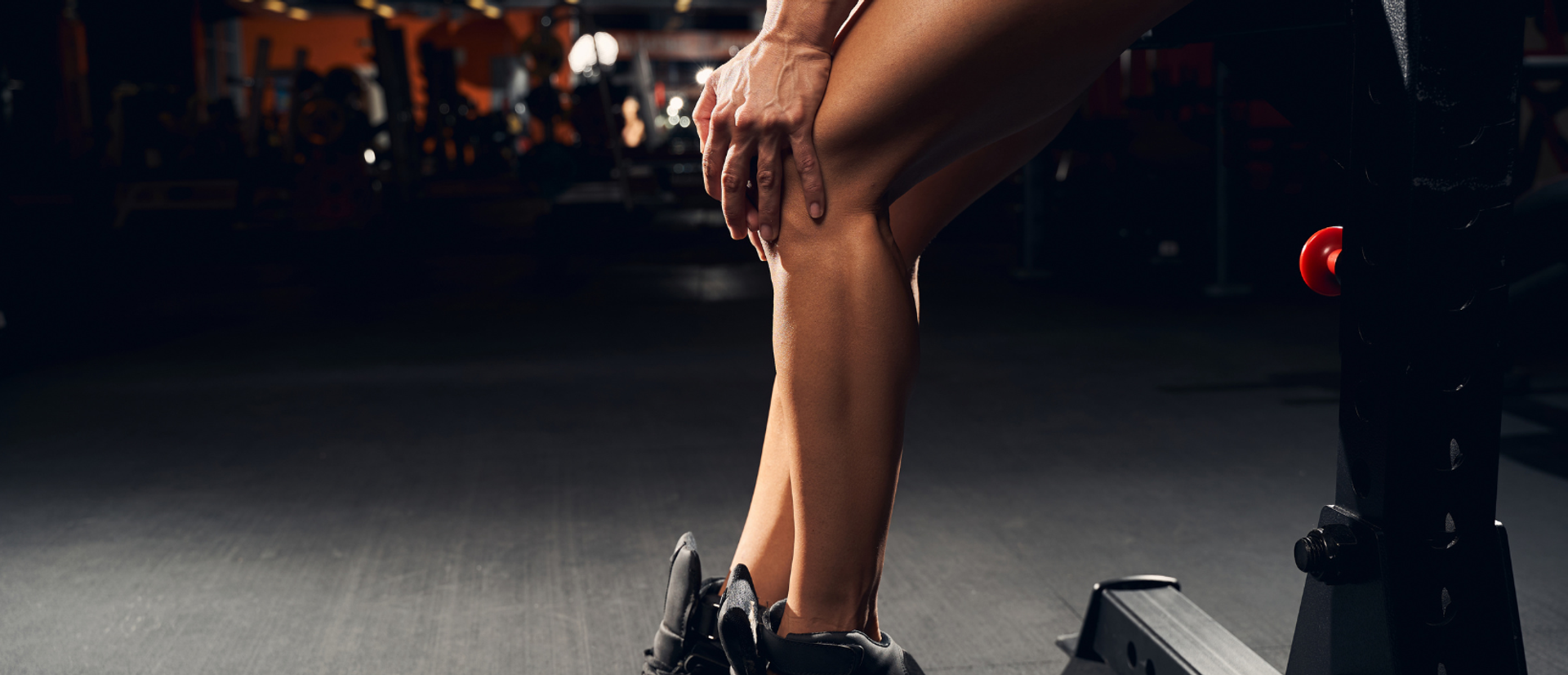
Legs Shaking During Workout: What It Means and When to Adjust

Is it normal to feel your legs shaking during workouts? We explain why muscle tremors happen, what they mean for your progress, and when you should take a break.
You’re in the middle of a tough set of lunges or holding a wall sit, and suddenly, it happens. Your legs start to tremble. At first, it’s just a slight quiver, but soon, your thighs are shaking so hard you feel like you might collapse. You look around, wondering if anyone else is noticing the earthquake happening in your lower body.
If this sounds familiar, you are not alone. It’s one of the most common experiences our clients ask us about, especially when they are new to strength training or trying a challenging new routine. They want to know: "Is this a good sign? Am I pushing myself hard enough? Or am I about to get injured?"
One of our clients, Sarah, experienced this during her very first session. We were doing a series of bodyweight squats, and by the third set, her legs were shaking uncontrollably. She stopped, looking worried, and asked, "Is something wrong? I feel like my muscles are failing."
We explained to Sarah what we explain to all our clients: shaking legs are usually a completely normal physiological response to exercise. In fact, in many cases, it’s a sign that you are doing exactly what you need to do to build strength and endurance. It means you are challenging your muscles in a new way.
However, there is a fine line between a productive "muscle shake" and a warning sign from your body that you need to back off. Understanding the difference is crucial for making progress safely. In this blog, we’ll break down exactly why you feel your legs shaking during workout, what it means for your fitness journey, and when you should adjust your routine.
The Science Behind the Shake: Motor Units and Fatigue
To understand why your legs shake, you need to understand a little bit about how your muscles work. Your muscles are made up of thousands of individual muscle fibers. These fibers are controlled by nerves, and together, a nerve and the muscle fibers it controls are called a "motor unit."
When you perform an exercise, your brain sends a signal to these motor units to contract. But here is the catch: your brain doesn't activate all of your motor units at once. It recruits them in a staggered, alternating pattern. As some motor units contract, others relax. This alternating pattern is what allows your movements to be smooth and controlled.
So, what happens when you start to get tired?
As you push through a challenging set of squats or hold a difficult yoga pose, those motor units start to fatigue. They can’t contract as forcefully or as efficiently as they did at the beginning of the exercise. To compensate for this fatigue, your brain starts recruiting more and more motor units, trying to keep the muscle working.
Eventually, the alternating pattern of contraction and relaxation breaks down. The motor units start firing in an uncoordinated, jerky manner. This loss of smooth, synchronized firing is what causes the visible shaking or trembling in your muscles.
Why Legs Shaking During Workout Can Be a Good Thing
In the fitness world, we often talk about "muscle failure" or "training to failure." This doesn't mean your muscles are broken; it means you have pushed them to the point where they can no longer complete another repetition with proper form.
When your legs shake during a challenging exercise, it’s often a sign that you are approaching this point of muscle fatigue. And from a strength-building perspective, this is exactly where you want to be.
When you challenge your muscles to the point of fatigue, you create microscopic tears in the muscle fibers. After your workout, your body repairs these tears, making the muscle fibers thicker and stronger than they were before. This process is called hypertrophy, and it’s how you build muscle mass and increase your strength.
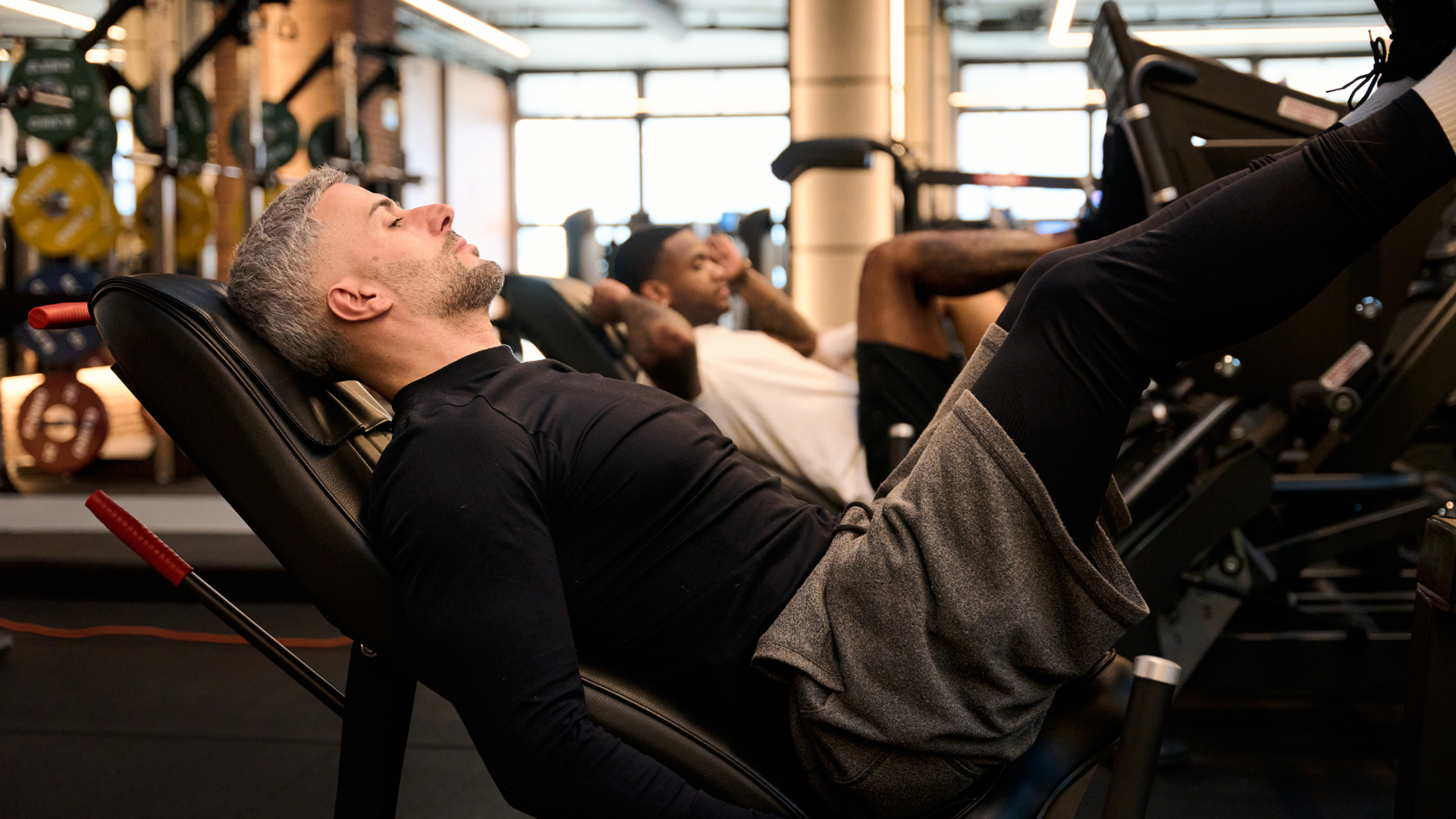
So, if your legs are shaking during the last few reps of a heavy leg press or at the end of a long wall sit, it’s a strong indicator that you are providing the necessary stimulus for your muscles to adapt and grow. It means you are working hard enough to see results.
Start your Svetness journey today
Get a free consultation and see how our trainers can transform your wellness journey.
When Shaking Becomes a Warning Sign
While a little bit of muscle trembling is normal and often beneficial, there are times when shaking is a sign that you need to stop, rest, or adjust your workout. Here are the key signs to watch out for:
- Loss of Form: This is the most critical indicator. If your legs are shaking so much that you can no longer maintain proper form—for example, if your knees are caving in during a squat or your lower back is rounding during a deadlift—you must stop immediately. Continuing to exercise with poor form drastically increases your risk of injury.
- Sharp or Sudden Pain: Shaking should be accompanied by the dull, burning sensation of muscle fatigue. It should never be accompanied by sharp, shooting, or sudden pain in a joint or muscle. If you feel pain, stop the exercise right away.
- Shaking Before the Workout Begins: If your legs are shaking before you even start exercising, it could be a sign of extreme fatigue, dehydration, low blood sugar, or an underlying medical condition. In this case, it’s best to rest and consult a healthcare professional if the shaking persists.
- Uncontrollable Shaking After the Workout: It’s normal for your muscles to feel a bit "jelly-like" after a tough leg day. But if your legs are shaking uncontrollably for hours after your workout, you may have pushed yourself too far. This is a sign of overtraining, and you need to prioritize rest and recovery.
How to Manage Legs Shaking During Workout

If you experience legs shaking during workouts, here are a few strategies to manage it and make sure you are training safely and effectively:
- Prioritize Proper Form: Always prioritize form over the amount of weight you are lifting or the number of reps you are doing. If you start to shake and your form breaks down, stop the set, even if you haven't reached your target rep count.
- Breathe: It sounds simple, but many people hold their breath when an exercise gets difficult. This deprives your muscles of oxygen and can make the shaking worse. Focus on taking deep, controlled breaths throughout the movement.
- Stay Hydrated and Fueled: Dehydration and low blood sugar can contribute to muscle tremors. Make sure you are drinking plenty of water before, during, and after your workout, and eat a balanced meal or snack a few hours before you train.
- Incorporate Rest and Recovery: Your muscles don't get stronger during the workout; they get stronger during the recovery period. Ensure you are taking adequate rest days between intense leg workouts and getting enough sleep.
- Work with a Professional: If you are unsure whether your shaking is normal or if you are struggling to maintain proper form, consider working with a personal trainer. A Svetness trainer can assess your movement, ensure you are challenging yourself safely, and help you navigate the fine line between productive fatigue and overtraining.
Embracing the Challenge
The next time you feel your legs shaking during workout, don't panic. Take a moment to assess the situation. Are you maintaining proper form? Are you feeling the burn of fatigue rather than sharp pain? If so, embrace the shake. It’s a sign that you are pushing your limits, challenging your body, and making progress toward your fitness goals.
Remember, building strength and endurance is not always comfortable. It requires stepping outside of your comfort zone and demanding more from your muscles than they are used to giving. The shake is just your body’s way of saying, "This is hard, but I’m adapting."
If you’re ready to safely push your limits and achieve the results you’ve been working for, we’re here to help. Our team of experienced personal trainers can design a customized program for strength training at home that challenges you appropriately while keeping you safe and injury-free.
FAQs
Is it bad if my legs shake during every workout?
If your legs shake during every single workout, it might mean you are consistently pushing yourself to fatigue, which can be good for building strength. However, it could also indicate that you are not allowing adequate time for recovery between sessions, or that you are not fueling your body properly.
Can dehydration cause my legs to shake?
Yes, absolutely. Dehydration can lead to electrolyte imbalances, which are crucial for proper muscle function. When you are dehydrated, your muscles are more prone to cramping, fatigue, and shaking.
Should I stretch if my legs are shaking?
Gentle stretching after a workout can help relieve muscle tension, but you should avoid intense or ballistic stretching while your muscles are actively shaking from fatigue. Focus on slow, controlled movements and deep breathing to help your muscles relax.
What should I eat before a leg workout to prevent shaking?
Eating a balanced meal containing complex carbohydrates (for sustained energy) and protein (for muscle support) about 2-3 hours before your workout can help prevent shaking caused by low blood sugar. A small snack, like a banana or a handful of almonds, 30-60 minutes before can also be beneficial.
How do I know if I'm overtraining my legs?
Signs of overtraining include persistent muscle soreness that doesn't improve with rest, decreased performance in your workouts, chronic fatigue, trouble sleeping, and an increased susceptibility to injuries. If you experience these symptoms, it's crucial to take a break and allow your body to recover.
Start your Svetness journey today
Get a free consultation and see how our trainers can transform your wellness journey.