Is Personal Training Worth It? A Look at In-Home Coaching

Is personal training worth it? See what in-home coaching includes, who may benefit most, and when another option may make more sense.
If you are asking, “Is personal training worth it?” the answer depends on what you want help with. In-home coaching costs more than working out by yourself, so it makes sense to look at what you get for the extra money. The most obvious benefit is convenience. Your trainer comes to you, so you do not have to make another trip to the gym.
The value can go further. Private home coaching can give you direct instruction, live feedback, a plan built for you, and more control over where and how you train.
Those benefits will mean more to some people than others. If you already exercise often, know how to plan your workouts, feel good about your form, and enjoy the gym, you may need less help. If you keep skipping workouts, feel unsure about what to do, or want more support, private coaching may solve problems a gym membership has not.
So, is in-home personal training worth it? The answer depends on what you want help with and whether having a trainer come to you would make training easier to keep up with.
In this article, we’ll look at what you are paying for, where home training works well, who may get the most value, and when another option may make more sense.
Start your Svetness journey today
Get a free consultation and see how our trainers can transform your wellness journey.
What Are You Paying for With In-Home Personal Training?
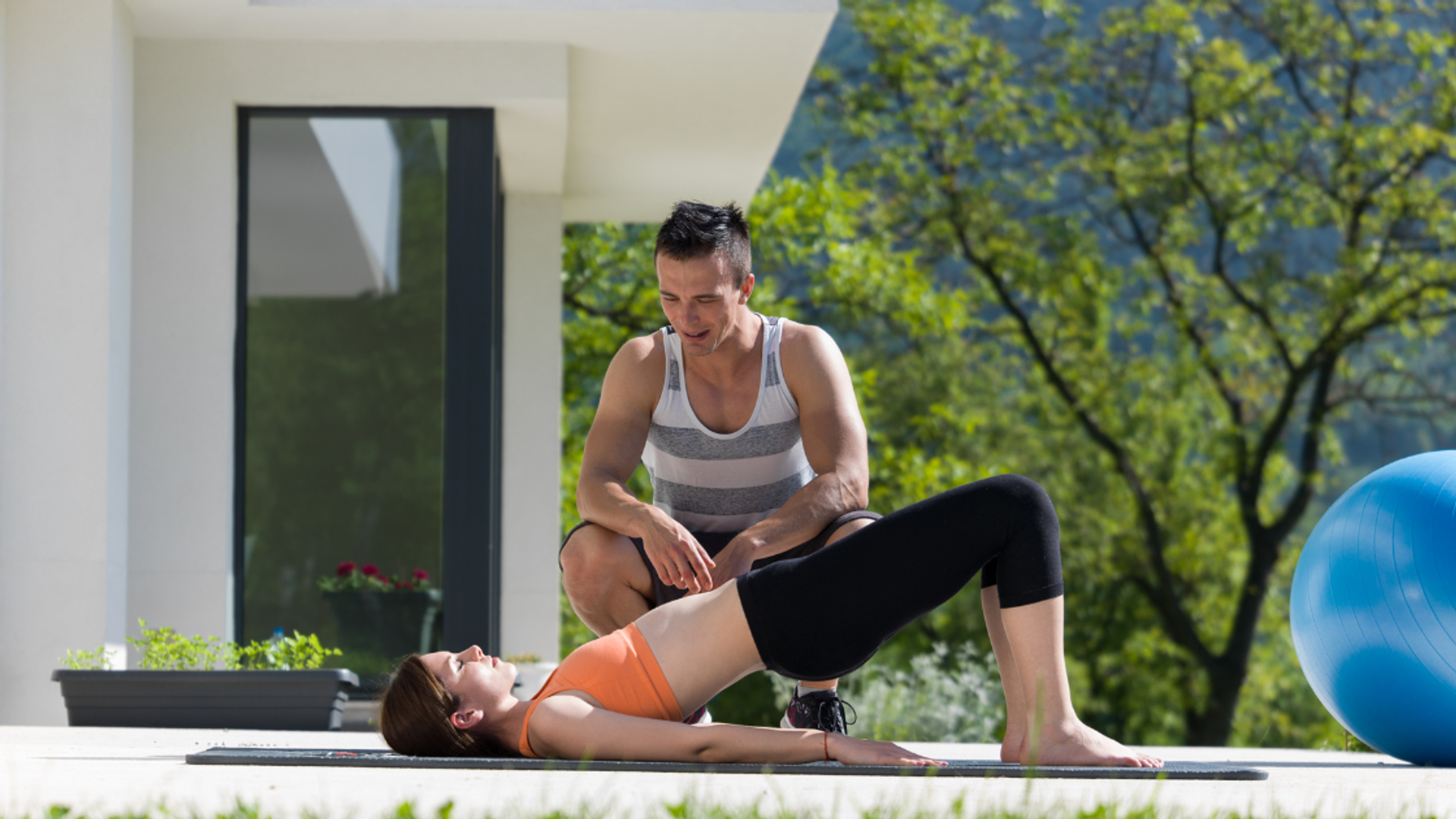
A gym membership and private training give you different types of support. A gym mainly gives you access to a place to exercise and the equipment inside it.
You still need to choose your exercises, pick the right weight, decide how often to train, and know when to change the plan. You also have to judge your own form and progress.
With in-home personal training, a coach helps guide many of those choices. The service can include:
- A workout plan built around your goals
- Exercise instruction
- Live form feedback
- Progress tracking
- Changes to your program over time
- Accountability
- General nutrition guidance
- Portable equipment
- Trainer travel
You are also paying for the mobile part of the service. The trainer comes to your home, or another agreed place, instead of asking you to travel to them.
That is why the full service matters more than the session itself. Look at which parts of the coaching would make the biggest difference for you.
Five Reasons Home Coaching May Be Worth It
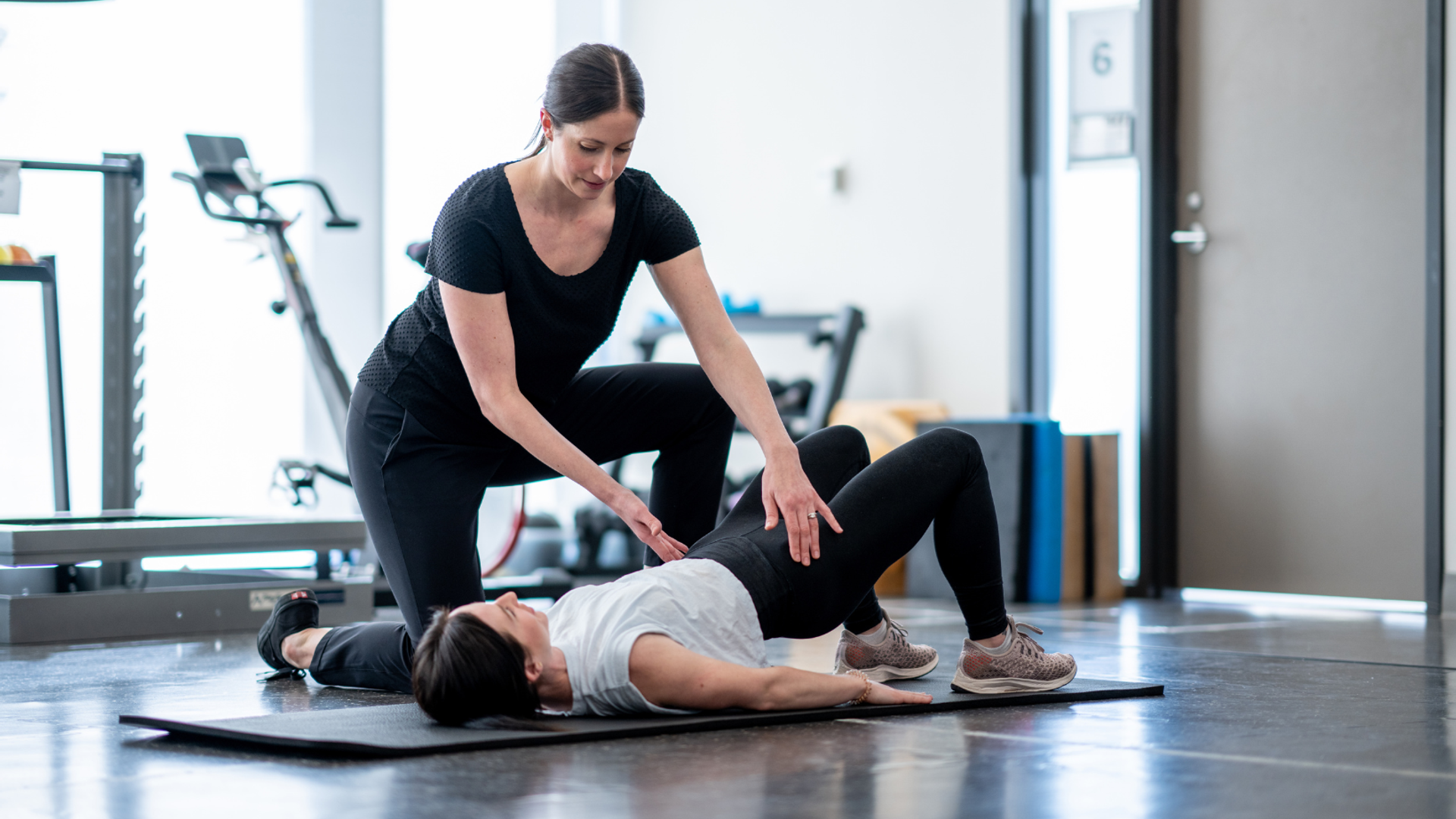
Private training tends to be most useful when it helps with something you keep struggling to manage on your own.
1. You Lose Too Much Time Getting to the Gym
A one-hour gym workout can take much longer than an hour. Driving, parking, changing, waiting for equipment, and getting home all add time.
Imagine your gym is 20 minutes away. A 60-minute workout already takes at least 100 minutes once you include the drive there and back. Parking or waiting for equipment can add even more.
With an in-home trainer, the session begins when your coach arrives. Once the workout ends, you are already home.
That may have little value if your gym is close and you enjoy going there. It can make a bigger difference for a parent, caregiver, remote worker, or busy professional with little free time.
Our guide to the benefits of personal training at home looks at other ways home coaching can make exercise easier to fit into your day.
2. You Want Someone Watching Your Form
You can find plenty of free workouts online. The harder part can be knowing how well you are doing the exercises.
A trainer can watch your movement and see when a weight is too heavy, an exercise needs to change, or you are ready for a harder version. They can also answer questions during the workout.
A 2025 study compared 10 weeks of strength training with in-person coaching, app guidance, and self-guided workouts. The supervised group completed the highest share of planned sessions.
All three groups got stronger. The supervised group also had greater gains in squat strength.
This does not mean you need a trainer to get stronger. It does show why live feedback may be useful for someone who wants more support.
3. Appointments Help You Follow Through
Planning to exercise at 6:00 p.m. and having an appointment at 6:00 p.m. can feel very different.
When you train alone, it is easy to move the workout. Work runs late, you feel tired, or something else comes up. One missed session can turn into several.
A set appointment gives the workout a place in your schedule. The trainer is also coming to you, so there is no gym trip to talk yourself out of.
A coach cannot create motivation forever. You still have to take part and put in the work. The appointment can still make it harder to keep pushing exercise to another day.
If you keep paying for a gym you rarely use, a set appointment with a trainer may be more useful than another cheap membership. Our personal trainers' guide to workout motivation looks at ways habits, structure, and support can help you stay more consistent.
4. Your Workouts Need More Direction
Generic workout plans can work well. Problems start when the plan does not fit your body, schedule, equipment, or experience.
An exercise may need gear you do not own. A workout may be too hard, too easy, or too long for the time you have. You may also reach a point where you are unsure how to make the program harder.
Private coaching can account for your goals, experience, fitness level, available space, equipment, preferences, and progress.
Your plan should keep changing as you improve. What your trainer sees during each session should guide what comes next.
5. You Prefer Exercising in Private
Some people enjoy a busy gym. Others find it crowded, distracting, or uncomfortable.
Training at home gives you more privacy. You can ask basic questions, practice an exercise again, and take the rest time you need without thinking about the people around you.
You also do not need to wait for a machine or rush because someone else wants the equipment.
If gym discomfort has stopped you from exercising in the past, privacy can have real value. If you enjoy the social side of the gym, this benefit may mean less to you.
Can Home Training Work for Your Goals?
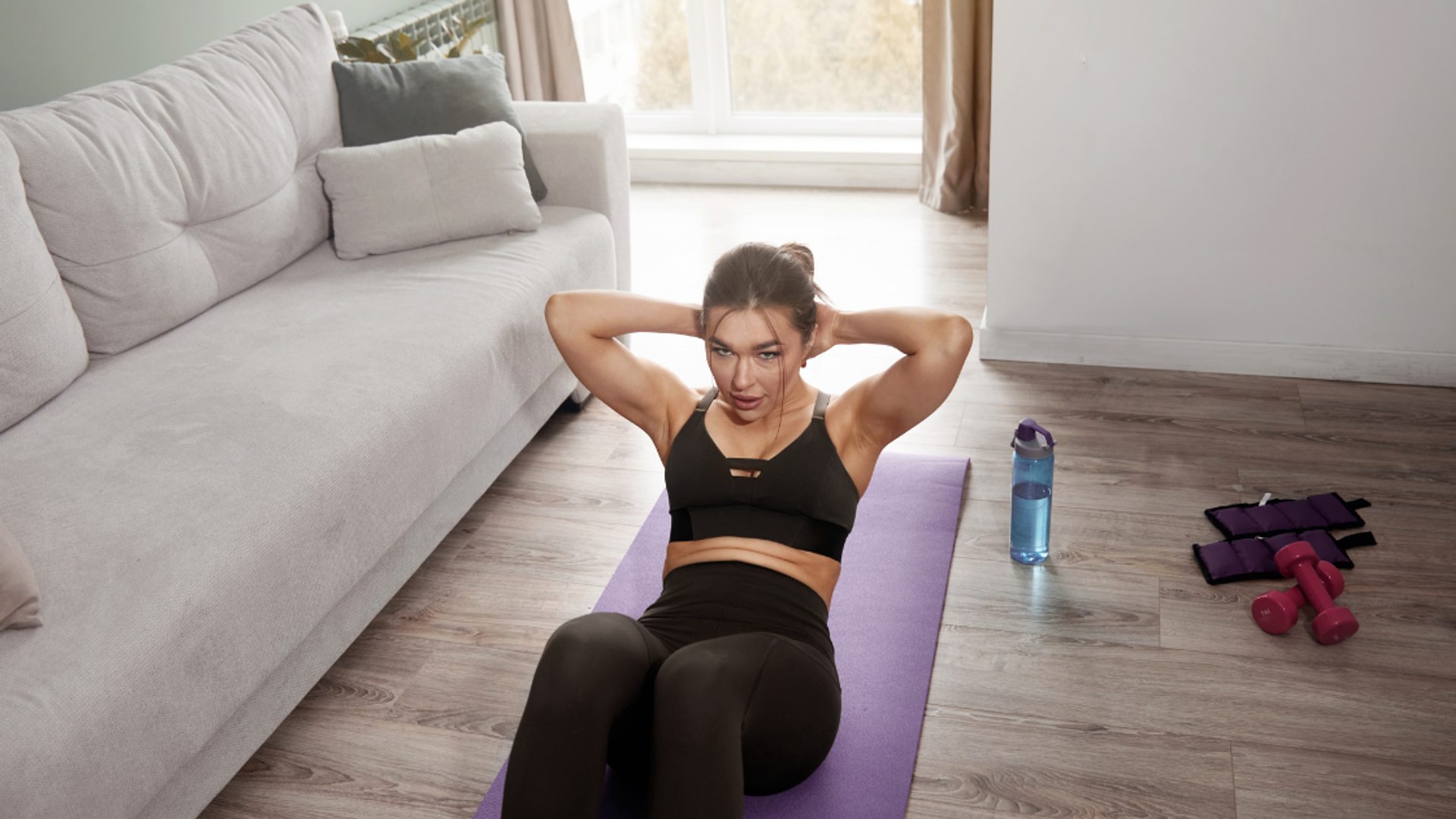
Before asking, “Is personal training worth it at home?” it helps to know what home training can realistically do for your goals. For many goals, a living room, garage, apartment gym, or another safe space can give you enough room to exercise.
Beginners May Get More Value at First
Starting strength training can bring a lot of questions. You may not know how heavy your dumbbells should be, how many reps to do, or when to add more weight.
A trainer can help you work through those basics while watching you move. This can make coaching useful during the first few months.
You may not need the same amount of help forever. A beginner could start with several coached sessions each week and reduce that number after gaining more experience.
Over time, one weekly session may be enough for form checks, workout planning, or harder exercises. The rest of your workouts can happen on your own.
This means your training schedule can change as your skills improve.
Can You Get a Good Workout at Home?
Yes. A workout can be effective at home if the exercises are hard enough for your level and match your goals.
You also do not need a room full of gym equipment. A trainer may use dumbbells, resistance bands, kettlebells, mats, and bodyweight exercises.
At Svetness, our trainers can bring portable equipment for in-home sessions. If you already own a bench, adjustable dumbbells, cardio equipment, or other gear, your trainer may use that too.
Research on adults age 60 and older gives us one example of what home exercise can do. A review of 21 studies found that home-based resistance training improved some measures of lower-body strength, power, and balance.
The studies did not show gains in every area, and the programs were done without direct supervision. The research also shows that strength training can be effective outside a commercial gym.
Know Where Home Training Has Limits
Home training can support many fitness goals, but it cannot copy everything a large gym offers.
Equipment is one of the biggest limits. Commercial gyms may have squat racks, cable stations, heavy dumbbells, barbells, machines, and other gear that a trainer cannot carry to your home.
That can become more important as your goals get more advanced. A powerlifter or experienced bodybuilder may need gear that is easier to find at a gym.
Space can also be an issue. You do not need a large workout room, but you need enough open floor space to move safely.
Your home may have distractions too. Pets, children, work calls, deliveries, and household tasks can interrupt a session if you do not protect the time.
Home coaching can make training easier to access, but you still need a safe space and time you can protect for the session.
Start your Svetness journey today
Get a free consultation and see how our trainers can transform your wellness journey.
Who May Get the Most Value?

The value of home training can change based on your goals, experience, and daily life.
People Working on Weight Goals
Personal training can support a weight-management plan by helping you exercise more often, get stronger, and increase your activity.
A trainer should not promise a set amount of weight loss based on a certain number of sessions. Body weight is affected by more than your workouts.
Food intake, sleep, daily activity, and other habits can all play a role. A trainer may offer general nutrition guidance within their role, but private coaching cannot promise a specific result.
For weight goals, much of the value may come from structure. You have planned exercise, a program that changes over time, and someone helping you track what you do.
Older Adults
Home training can be useful for older adults who prefer a familiar setting or want to avoid regular trips to a gym.
Sessions can focus on strength, balance, mobility, general fitness, and movements that support daily life. The program should match the person’s current ability.
Older adults with medical conditions, recent injuries, new symptoms, or major physical limits may need advice from a healthcare professional before starting or changing a fitness plan.
Our guide to a personal trainer for seniors at home explains how private coaching can be adapted for older clients.
Busy Professionals
A busy schedule can make the time around a workout almost as important as the workout itself.
Suppose a gym trip adds 40 minutes of travel. Meeting a trainer at home removes that time, which can make a 45- or 60-minute session easier to fit into your day.
Training twice a week could save more than five hours of travel over four weeks in that example.
Someone with a flexible schedule and a gym across the street may care less about that. Someone with a packed workweek may value the same time savings much more.
Experienced Exercisers
People who already exercise may still benefit from a trainer, but the reason for hiring one can change.
An experienced client might want help with:
- Workout programming
- Form checks
- Getting past a plateau
- Trying a new exercise
- Training for a specific goal
- Staying consistent during a busy period
They may also need fewer sessions than a beginner. Instead of paying for several coached workouts each week, they might check in with a trainer and complete most of the plan alone.
If you already have many of the skills a coach would teach, full supervision may give you less value.
How Does Home Training Compare?
Another way to answer, “Is personal training worth it at home?” is to compare it with the options you would use instead.
Home Training vs. a Gym
A gym membership will usually cost less than regular private coaching. It also gives you access to more equipment. If you enjoy going to the gym, already know how to train, and use your membership often, it may give you good value.
In-home training gives you more personal support. Your money goes toward the trainer’s time, planning, feedback, and travel instead of access to a large gym.
A gym may make more sense when equipment and a place to exercise are your main needs. Home coaching may be a better fit when you want direct support.
Home Training vs. Online Coaching
Online coaching can sit between training on your own and having a coach in the room. You may get workout planning, progress checks, and support without paying for trainer travel. Some coaches also offer live video sessions.
The tradeoff is less direct supervision. A trainer on a screen cannot move around you and see an exercise from several angles as easily as someone standing beside you.
Our comparison of online vs. in-home personal trainer coaching explains how budget, schedule, and the amount of live feedback you want can shape the choice.
If you mainly want a program and regular check-ins, online coaching may be enough. If you want someone beside you during the workout, home training offers a different level of support.
Is It a Good Fit for You?
At this point, the choice comes down to how well the service matches the problems you want to solve.
Signs It May Be Worth It
If you are still asking, “Is personal training worth it at home?” start with the part of exercise you want the most help with.
Home coaching may make sense if you:
- Pay for gyms you rarely visit
- Feel unsure about how to plan workouts
- Want live form feedback
- Prefer more privacy
- Spend too much time traveling to the gym
- Have a schedule that makes gym visits hard
- Find it hard to exercise without set appointments
- Want a plan built around a clear goal
- Own equipment but do not know how to use it well
- Have room in your budget for ongoing coaching
You do not need every item on the list to apply. Focus on the one or two issues that cause the most trouble.
When Another Option May Make More Sense
Private training will not offer the same value to everyone.
A different option may fit better if you already train often, know how to build your own program, or strongly prefer the social side of a gym.
A gym may also be better if your goal needs heavy or special equipment. Cost is another reason to choose something else if private coaching would make it harder to cover more important household expenses.
You may not need live coaching if your main goal is getting a workout plan. Online coaching, an app, a gym, or independent training could give you enough support for less money.
Walking, running, strength training, sports, group classes, and gym workouts can all help you stay active. Private coaching is one option.
Get More From the Sessions You Buy
If you decide private coaching is right for you, use the trainer for more than getting through that day’s workout.
Ask why certain exercises are in your plan. Find out what you should do between sessions and how the program will change as you improve.
Tell your trainer when an exercise feels wrong or when part of the plan is hard to follow. That feedback gives them useful information for future sessions.
Training frequency can change over time too. You may begin with two or three coached sessions each week and later complete more of the program on your own.
Good coaching should help you feel more confident about your training over time.
Ask Before You Sign Up

You should know what you are buying before paying for a package. Price is part of that choice, but the trainer’s coaching style and experience count too.
Our guide to what makes a good personal trainer covers traits such as communication, useful feedback, reliability, and the ability to adjust training to the client.
When you speak with a trainer, ask questions such as:
- What certification does the trainer hold?
- Do they carry professional insurance?
- Do they have experience with your goal?
- How will the program be built around you?
- How will progress be tracked?
- What equipment will the trainer bring?
- What equipment do you need?
- How long is each session?
- How many sessions are included?
- Is trainer travel included?
- Will you get workouts for other days?
- What is the cancellation policy?
- Do sessions expire?
- Can you change trainers?
- Can you reduce your training frequency later?
Our guide to what to ask before hiring a personal trainer gives you more questions to use when comparing coaches.
Clear answers make it easier to judge if the price matches the service.
So, Is In-Home Personal Training Worth It?
For some people, yes. For others, a gym, online coaching, or independent exercise may make more sense.
If you keep asking if in-home personal training is worth it, focus on the change you want the service to make. Maybe gym travel keeps getting in the way. Maybe you want help with exercise form. Maybe having a set appointment makes you more likely to train.
Someone who loves the gym, follows a good program, and exercises often may decide the extra service is unnecessary. Someone who struggles with planning, travel, confidence, or consistency may reach a different answer.
The best way to decide is to compare the cost with the time, coaching, and support you would gain. If home coaching sounds like the right fit, we can match you with a certified trainer based on your goals, schedule, and preferences.
Book Your Free Svetness Consultation
FAQs
Is an in-home personal trainer worth the cost?
It can be if you value personal programming, live feedback, accountability, privacy, or avoiding regular trips to a gym. People who already train well on their own may need less support.
Is an in-home trainer better than a gym?
Neither option is better for everyone. A gym usually costs less and gives you more equipment. In-home coaching gives you more privacy, personal attention, and convenience.
Can you get good results working out at home?
Yes. Home workouts can support strength and fitness when the exercises are hard enough for your level and the program changes as you improve. Some advanced goals may need equipment that is easier to find at a gym.
Do I need exercise equipment for home training?
No. Many workouts can use bodyweight exercises and portable equipment. Svetness trainers can also bring equipment for sessions and use gear you already own.
How often should I use an in-home trainer?
Beginners may want more frequent sessions while getting used to the exercises. People with more experience may need fewer coached workouts. Your goals, budget, schedule, and comfort training alone can help guide the choice.
Start your Svetness journey today
Get a free consultation and see how our trainers can transform your wellness journey.