Personal Trainer for Seniors at Home: Safety, Strength, and Mobility

Searching for a personal trainer for seniors? See how safe home coaching can support strength, balance, mobility, and confidence.
A personal trainer for seniors can help older adults stay active at home with safer structure, careful pacing, and exercises built around daily life. For many seniors, the goal is not a dramatic fitness overhaul. It is being able to stand up from a chair with more control, walk with steadier balance, climb stairs with confidence, carry groceries, reach cabinets, and feel less stiff during the day.
Home training can make that work feel more approachable. The trainer sees the actual space where movement happens, including rugs, stairs, chairs, lighting, narrow walkways, and furniture. That makes the plan more practical than a routine designed for a gym floor.
The best senior fitness sessions focus on safety first, then strength, balance, mobility, and confidence. A good trainer should move at the client’s pace, adapt exercises to energy levels, and respect medical guidance when health conditions or past injuries affect training. Home fitness should feel steady, supportive, and useful for real life.
Start your Svetness journey today
Get a free consultation and see how our trainers can transform your wellness journey.
How Can a Personal Trainer for Seniors Help at Home?
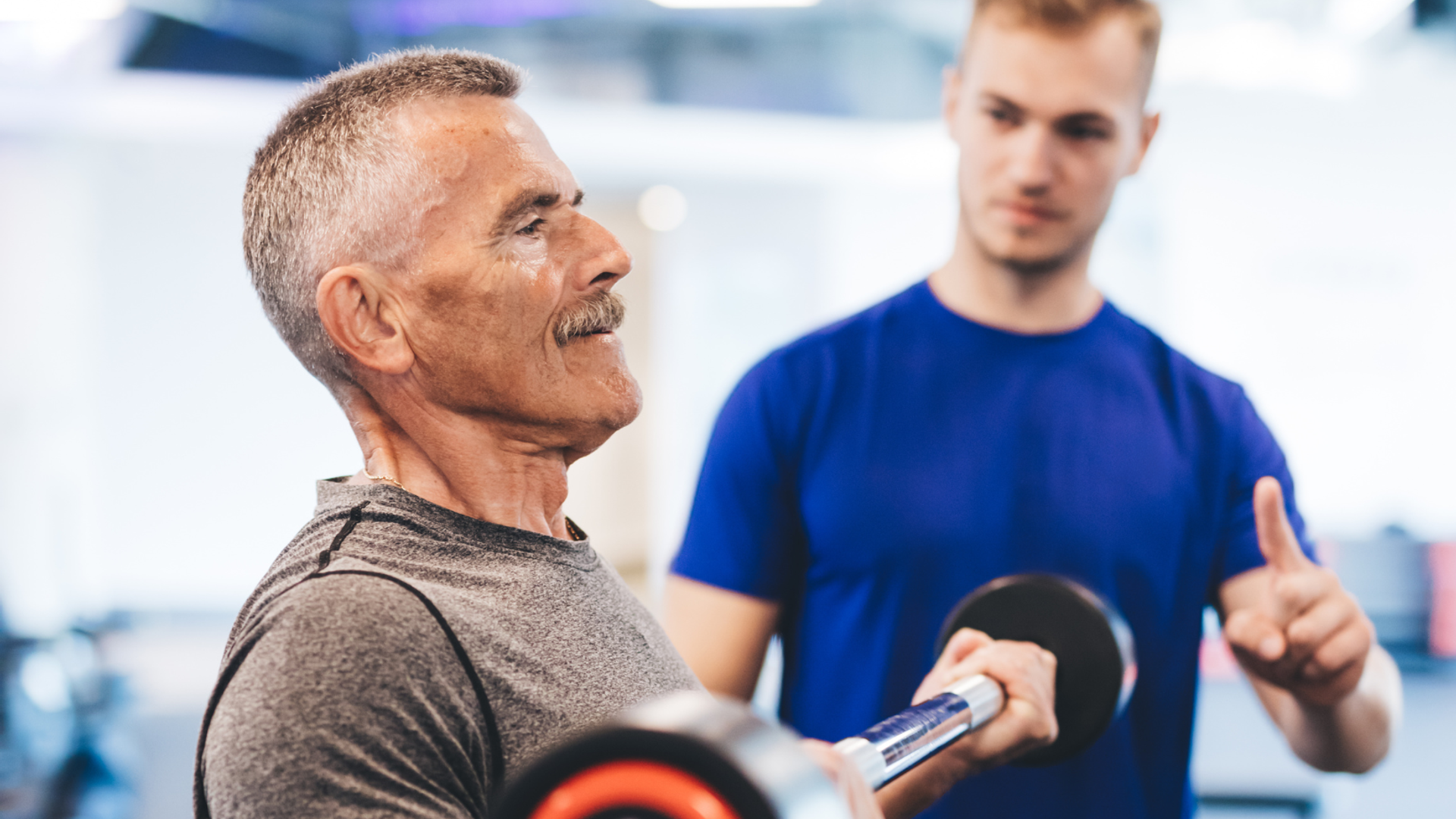
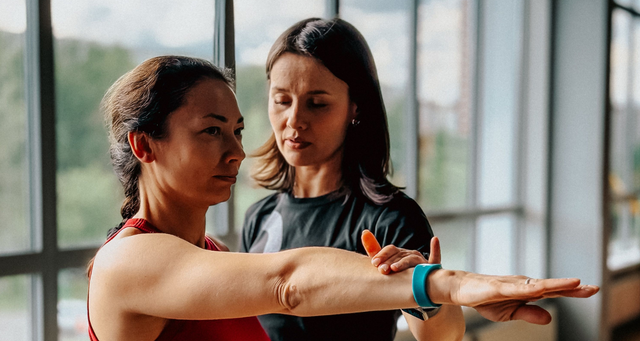
A personal trainer for seniors can help older adults exercise safely at home by building sessions around strength, balance, mobility, fall prevention, and daily function. The trainer can adapt movements to current ability, use chairs or walls for support, and keep the session controlled.
A safe home training plan may include:
- Gentle warmups to prepare joints and muscles
- Chair-supported strength exercises for legs, hips, and core
- Balance drills using stable support when needed
- Mobility work for shoulders, hips, ankles, and spine
- Low-impact conditioning to support stamina
- Home safety checks for tripping hazards, lighting, and space
The aim is steady progress that supports independence without pushing the body past its safe limits.
Safety Comes Before the Workout
Senior fitness works best when the first session begins with questions, not heavy exercise. A trainer should ask about health history, current activity, medications that may affect balance or heart rate, past injuries, pain, surgeries, and any movement concerns.
Some clients should speak with a licensed healthcare professional before beginning a new exercise routine. This is especially important for anyone with heart concerns, dizziness, unexplained pain, recent surgery, severe joint pain, or a condition that affects balance, breathing, or stamina.
The home setup also needs attention. A trainer can look for loose rugs, low furniture, poor lighting, slippery flooring, cords, unstable chairs, and cluttered walking paths. Small changes can make the space safer before movement begins.
Safety also includes communication. The client should feel comfortable saying when an exercise feels painful, tiring, confusing, or uncomfortable. A careful trainer will adapt the session right away.
Strength Training Should Support Daily Tasks
Strength training for seniors should connect to daily movement. The focus is often on standing, sitting, stepping, carrying, reaching, and moving around the home with better control.
A trainer may use sit-to-stand practice, supported squats, wall pushups, band rows, heel raises, step-ups, light carries, and gentle core exercises. These movements can help support the muscles used for stairs, chairs, grocery bags, doors, and household tasks.
The plan should progress slowly. A personal trainer for seniors may begin with bodyweight exercises and stable support, then add light resistance bands or dumbbells as confidence improves.
Our article on the impact of strength training on long-term health explains how resistance work can support healthy aging, strength, and everyday function.
Good senior strength training should never feel rushed. Quality of movement, breathing, posture, and recovery all deserve attention.
Balance Training Needs a Controlled Setup
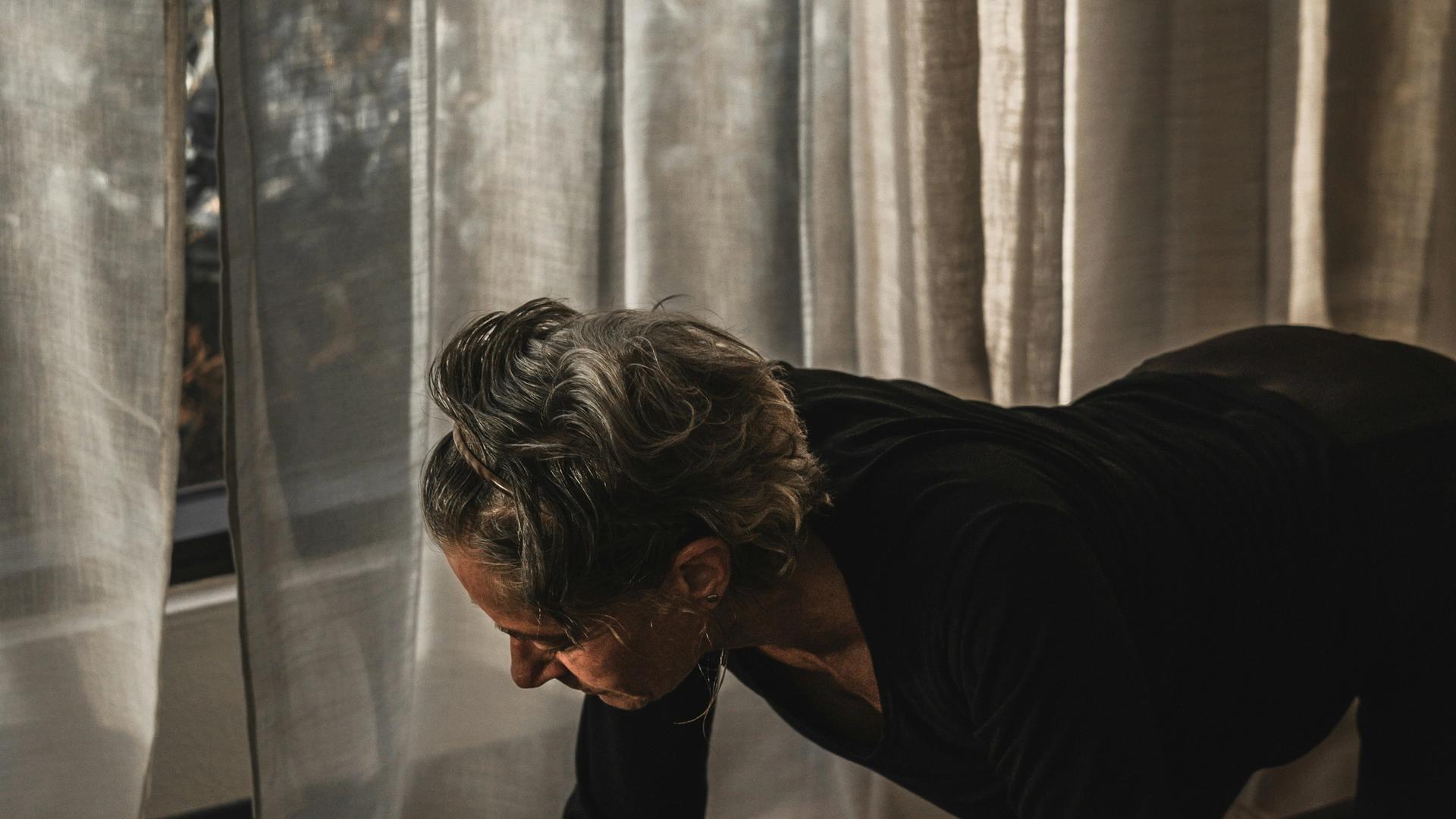
Fall prevention is one of the biggest reasons older adults look for supervised fitness support. Balance can decline with age, inactivity, certain medications, vision changes, reduced strength, or health conditions.
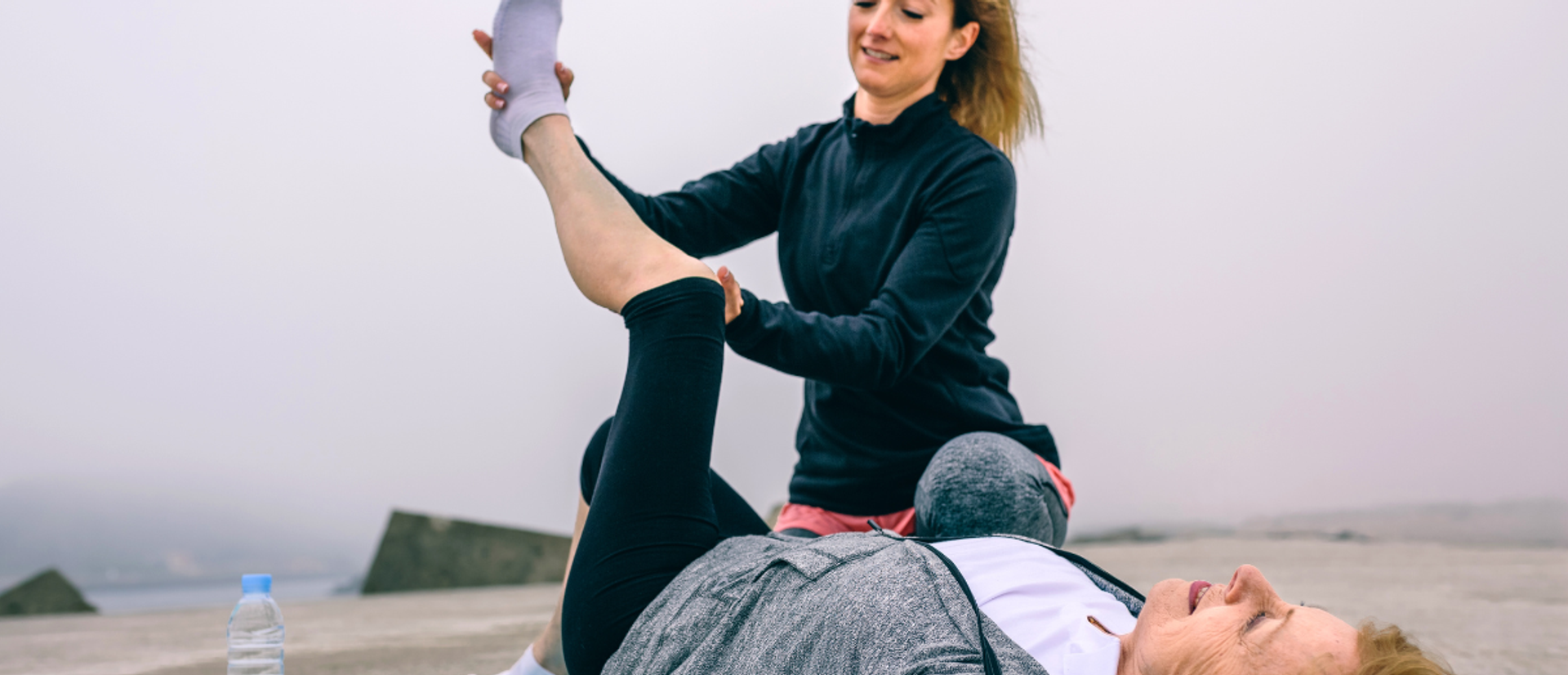
A trainer can guide balance work in a controlled way. That may include weight shifts, heel-to-toe walking, supported single-leg stands, side steps, gentle turns, and stepping practice. A chair, counter, or wall can provide support during early sessions.
Balance training should feel challenging but not unsafe. The trainer should stand close enough to supervise, choose exercises carefully, and avoid risky positions that make the client feel unstable.
Home training can be especially useful because the trainer sees the exact environment where balance is needed. Stairs, hallway turns, rugs, pets, and bathroom access can all affect daily safety.
Start your Svetness journey today
Get a free consultation and see how our trainers can transform your wellness journey.
Mobility Work Helps Reduce Stiffness
Mobility training helps seniors move joints through comfortable ranges of motion. It can support easier walking, reaching, bending, turning, and getting in and out of chairs.
A session may include ankle circles, shoulder rolls, gentle spinal rotations, hip mobility, seated stretches, standing reaches, or controlled range-of-motion work. The trainer should keep movements smooth and avoid forcing any joint past comfort.
Mobility can also prepare the body for strength work. A few minutes of gentle movement at the beginning of a session can help the client feel less stiff before adding resistance.
Our guide to mobility training explains how mobility supports better movement and long-term physical function.
The best plan should fit the client’s body on that day. Some days allow more movement. Some days call for slower pacing and extra care.
The Home Itself Becomes Part of the Plan
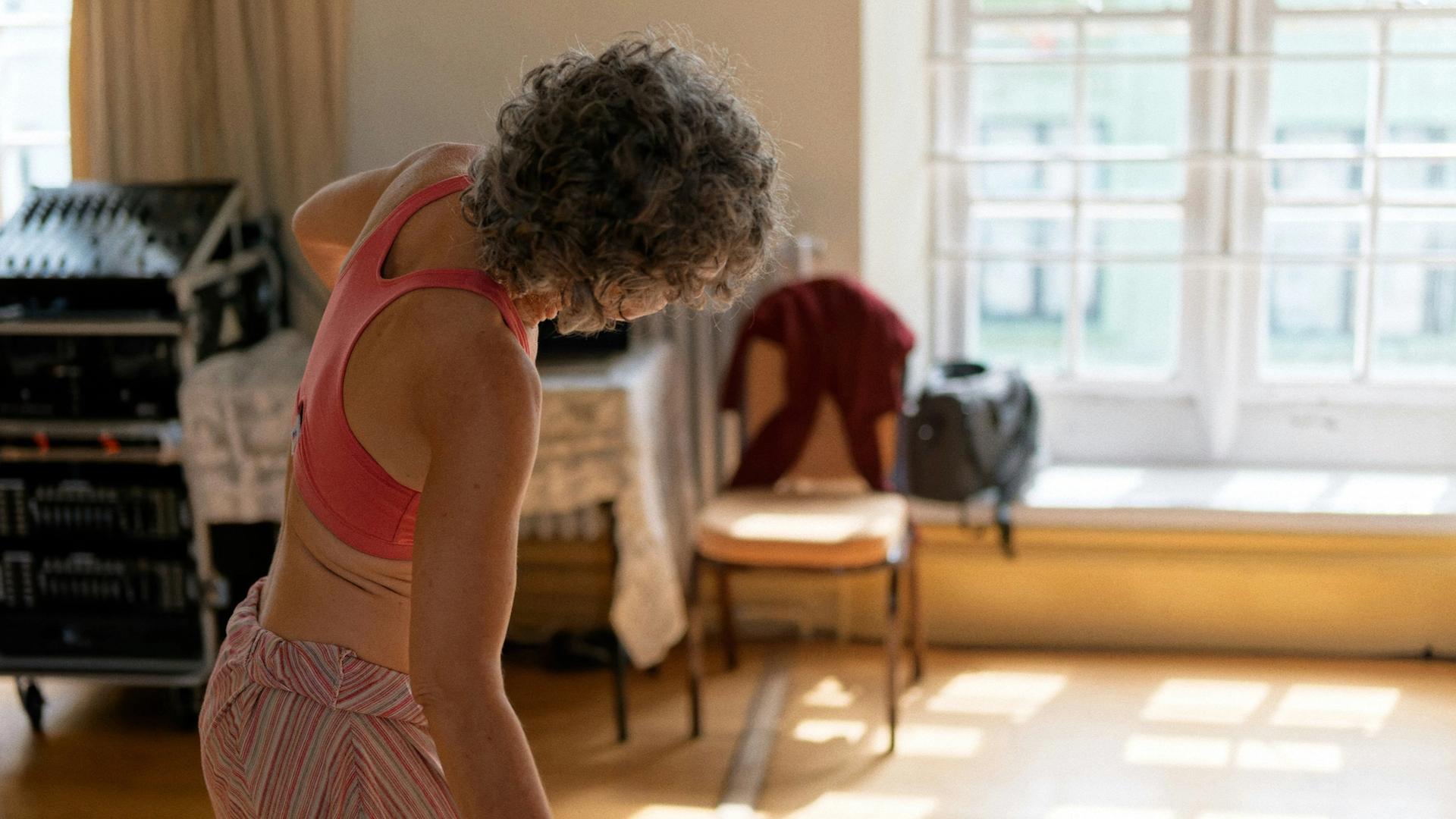
A gym plan may look good on paper, but seniors live and move in their own homes. That is why home training can be so useful.
A trainer can use the client’s actual chairs, stairs, hallway, counters, and open floor space. They can practice sit-to-stand using the chair the client uses every day. They can look at how the client moves through a hallway or steps onto a patio. They can suggest safer ways to set up a training area.
Home sessions may also feel more comfortable for people who dislike busy gyms, loud spaces, or unfamiliar equipment. Familiar surroundings can help clients focus on the movement rather than the environment.
A personal trainer for seniors should adapt to the space available. A full home gym is not required.
Progress Should Be Measured by Real-Life Gains
Senior fitness progress is often seen in daily life before it shows up in numbers. A client may stand up with less effort, feel steadier walking to the mailbox, recover faster after errands, or feel more confident using stairs.
A trainer can still track exercises, repetitions, resistance, balance time, walking tolerance, and mobility. Those details help show improvement over time.
Progress should be patient. Some weeks may focus on building strength. Other weeks may focus on movement quality, recovery, or comfort. Health changes, sleep, stress, joint symptoms, and energy can all affect the session.
A good trainer should adjust without making the client feel behind. Senior fitness works best when the plan supports consistency over pressure.
Family Members Can Be Part of the Conversation
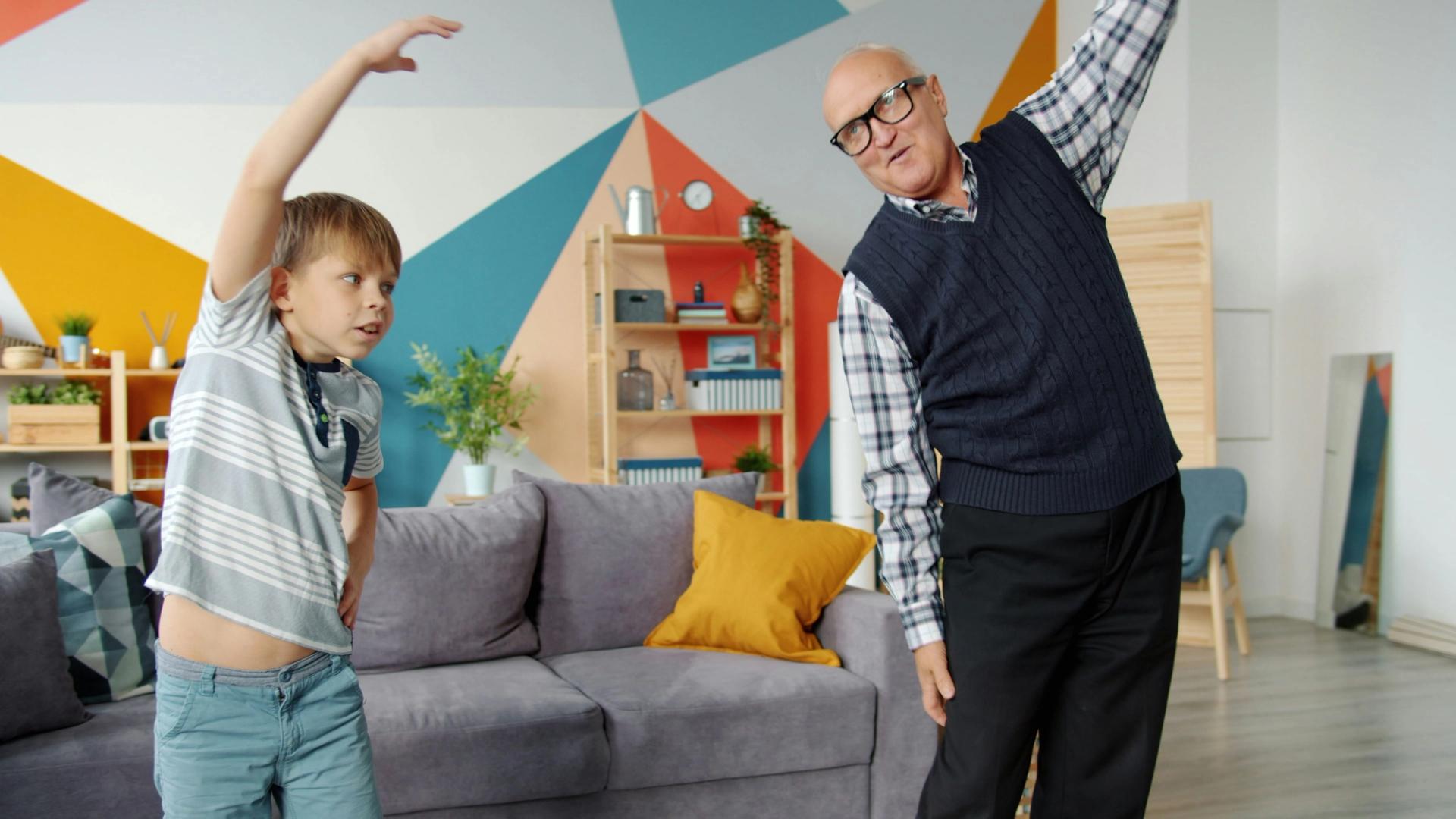
Some seniors book training for themselves. Others begin after encouragement from adult children, partners, or caregivers. Family involvement can be helpful when the client wants support with scheduling, safety concerns, or goals.
The senior client’s voice should still lead the plan. The trainer should listen to what the client wants, what feels realistic, and what level of challenge feels comfortable.
Family members can ask about session structure, safety, trainer credentials, communication, and progress updates. Clear expectations help everyone understand the purpose of the program.
Respect and privacy still apply. Training should never make an older adult feel managed or spoken over. The goal is support that protects independence and confidence.
Start Senior Personal Training at Home With Svetness

Safe senior fitness at home should feel practical, respectful, and built around real daily movement. Strength, balance, mobility, and fall-prevention work can help older adults stay more active while training in a familiar space.
At Svetness, we match clients with certified trainers who can bring structured coaching to homes, apartment gyms, outdoor spaces, and other suitable locations. If you want a personal trainer for seniors who can support safe movement at home, we can help you take the next step.
Book Your Free Svetness Consultation
FAQs
Is personal training at home safe for seniors?
Yes, home personal training can be safe when the trainer adapts exercises to the client’s health, mobility, balance, and current fitness level. Medical guidance may be needed before starting if there are health conditions, recent injuries, or symptoms that need clinical input.
What exercises are best for seniors at home?
Good home exercises often include sit-to-stand practice, supported squats, wall pushups, band rows, heel raises, balance drills, walking, and gentle mobility work. The best choices depend on the client’s goals, comfort, strength, and medical background.
Does a senior need equipment for home training?
No, many sessions can begin with bodyweight movement, a stable chair, and open floor space. A trainer may also bring portable equipment such as resistance bands, light dumbbells, or a mat.
How often should seniors work with a personal trainer?
Many seniors train one to three times per week, depending on goals, recovery, schedule, and health status. A trainer can also suggest gentle movement between sessions if it fits the client’s routine.
Can a trainer help with fall prevention?
Yes, a trainer can support fall prevention through strength work, balance practice, mobility exercises, and home safety awareness. They can also adapt exercises to use chairs, walls, or counters for support.
Start your Svetness journey today
Get a free consultation and see how our trainers can transform your wellness journey.