Online vs. In-Home Personal Trainer: Which Is Better for Your Goals?

Comparing online vs in-home personal trainer options? See which coaching setup fits your schedule, budget, form needs, and goals.
Choosing between online vs in-home personal trainer support comes down to how you train best. Some clients want a coach in the room, watching their form, bringing equipment, and helping them stay focused through the full session. Others want flexible coaching they can access while traveling, working odd hours, or training in a smaller home setup.
Both options can work well. The better choice depends on your goals, budget, schedule, confidence, space, and how much live feedback you need. A beginner who feels unsure about squats, lunges, or weights may prefer in-home personal training because the coach can see movement clearly and adjust the session in person. A frequent traveler may prefer Svetness virtual training because coaching can continue even when the location changes.
The real question is simple: which format will help you train consistently, safely, and with enough support to keep improving? Once you know how each option works, the right fit becomes much easier to spot.
Start your Svetness journey today
Get a free consultation and see how our trainers can transform your wellness journey.
Which Is Better for Your Goals?
Online vs in-home personal trainer support is easiest to compare when you look at the kind of coaching each format gives you. In-home training usually offers stronger live form correction, equipment support, and hands-on accountability. Online training usually offers more flexibility, wider location access, and lower travel-related costs.
| In-home personal training may fit better | Online personal training may fit better | |
|---|---|---|
| Form correction | You want a trainer in the room watching every rep | You are comfortable following video cues |
| Schedule | You want a fixed appointment at home | You travel often or need remote access |
| Budget | You value in-person support and trainer travel | You want coaching with fewer travel costs |
| Equipment | You want the trainer to bring portable gear | You have your own basic setup |
| Motivation | You show up better when someone arrives at your door | You stay consistent with digital check-ins |
| Privacy | You want private coaching in your own space | You want coaching with more physical distance |
Form Feedback Feels Different in Each Format
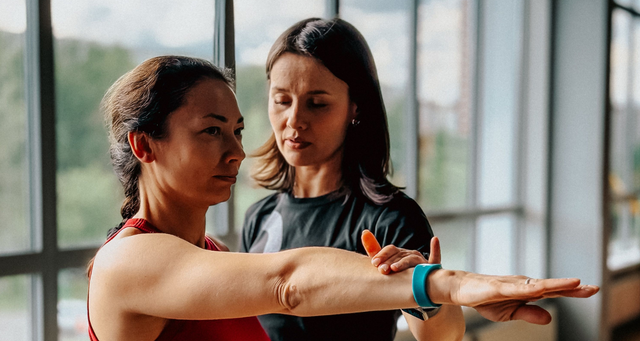
Form correction is one of the clearest differences between the two options. An in-home trainer can see your posture, balance, foot position, range of motion, and breathing in real time. They can walk around you, change your angle, demonstrate beside you, and adjust the session on the spot.
That can be useful for beginners, clients returning after time away, older adults, people with old injuries, or anyone nervous about using weights. Small changes in stance, tempo, or range can make an exercise feel safer and more effective.
Online trainers can still coach form well, but the setup has to be right. Camera placement, lighting, internet connection, and available space affect what the trainer can see. The coach may ask you to reposition your device or show the movement from a different angle.
Virtual coaching works best when the client is comfortable following verbal cues and asking questions. In-home coaching can be better when a client wants closer observation during every movement.
You can read more about what to expect from your first personal training session with Svetness in our blog.
Schedule Flexibility Can Pull You Toward Virtual Training
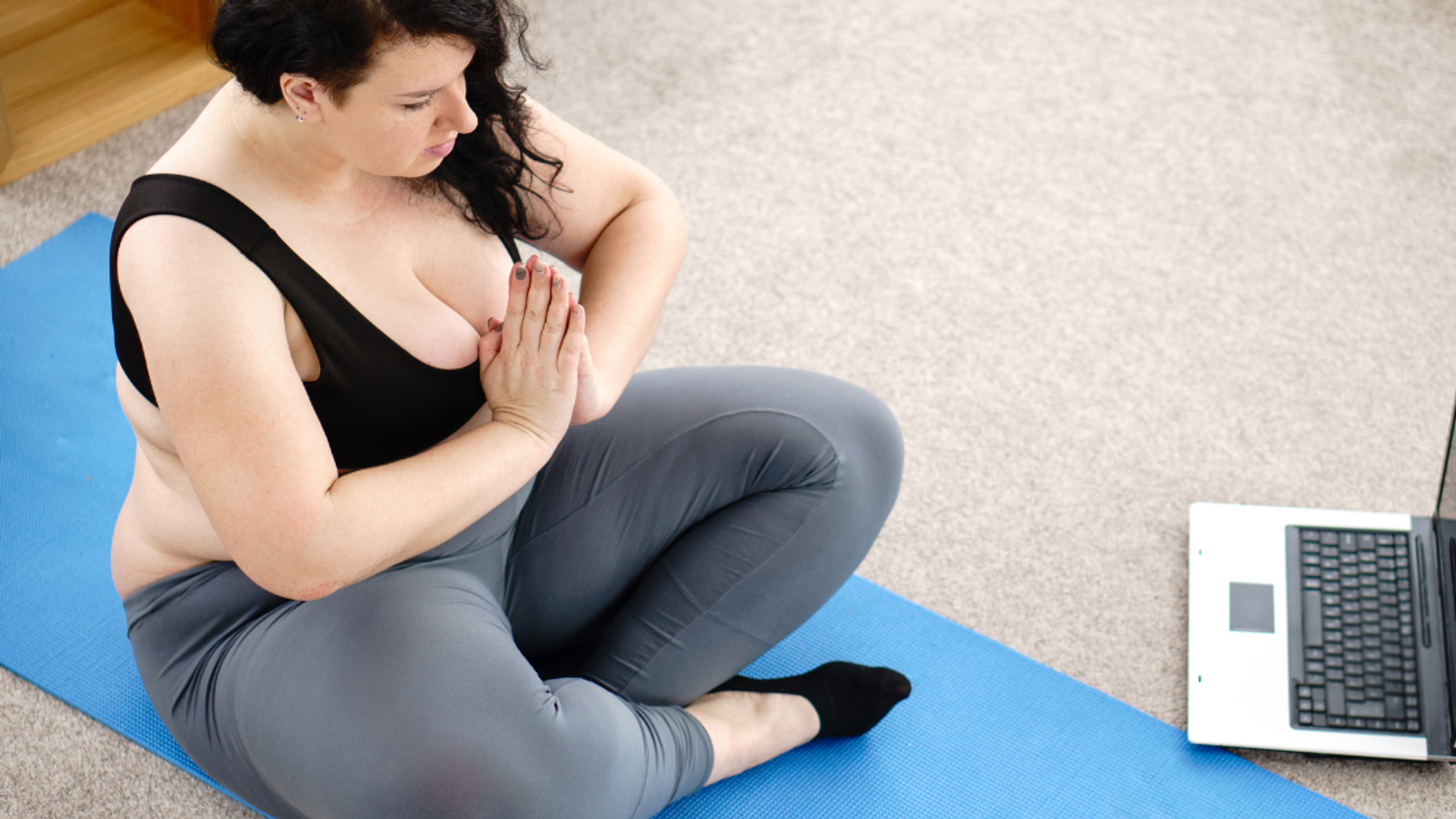
Online training often wins for flexibility. You can connect with a trainer from a home office, hotel room, vacation rental, or apartment gym as long as the space is safe and the connection works.
That can be helpful for people with rotating shifts, business travel, packed calendars, or unpredictable routines. A remote session may also be easier to fit into a lunch break or early morning window.
In-home training still removes gym travel, which is a major advantage. The trainer comes to you, so there is no commute, parking, locker room, or waiting for machines. For many clients, that makes in-person coaching much easier to keep than a gym appointment.
The difference is location. In-home training brings the trainer to one chosen space. Online training can follow you across different spaces.
Budget Should Match the Support You Need
Cost can influence the decision. In-home training may cost more because the service includes trainer travel, equipment transport, and dedicated in-person time. For many clients, that extra support is worth the price because it helps them train safely and stay accountable.
Online training can be more budget-friendly because there is no travel time built into the session. It can also offer more flexible formats, depending on the program structure.
Price alone should not decide the format. A cheaper plan that you do not follow offers poor value. A higher-touch plan can be worth it if it helps you keep appointments, train safely, and make steady progress.
Think about what has stopped you before. If you usually skip workouts without direct accountability, in-home coaching may offer better value. If you are self-motivated but need programming and check-ins, online support may be enough.
Equipment Needs Are Not the Same

In-home training can be useful if you do not own much equipment. Your trainer may bring resistance bands, dumbbells, kettlebells, a mat, sliders, or other portable tools. They can also adapt exercises to your furniture, stairs, floor space, or outdoor area.
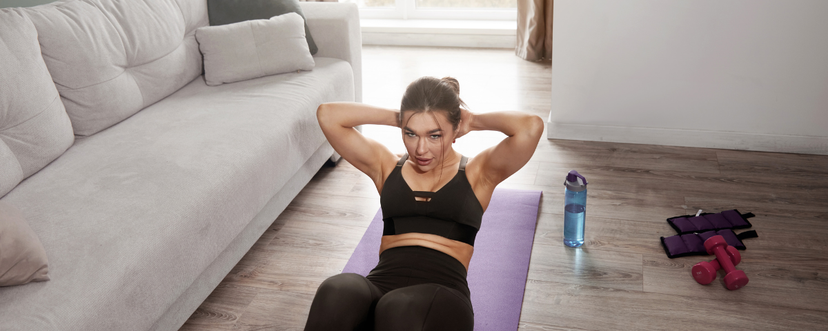
Online training usually relies more on your own setup. That does not mean you need a full home gym. Many virtual workouts can use bodyweight exercises, bands, dumbbells, a mat, or a sturdy chair.
Your goals affect the equipment question. General fitness, mobility, weight loss, and beginner strength can often begin with simple tools. Advanced strength goals may require heavier weights or a better-equipped training space.
A good trainer should be realistic about what your setup can support. The plan should fit the equipment you have or the equipment you are willing to buy.
Start your Svetness journey today
Get a free consultation and see how our trainers can transform your wellness journey.
Accountability Works in Different Ways
In-home training creates a strong appointment effect. A trainer is coming to your door, which can make it harder to cancel when motivation drops. The physical presence of a coach can help you stay engaged through the session.
Online training uses a different kind of accountability. Scheduled video sessions, app-based workouts, check-ins, progress tracking, and messaging can all help keep the plan active between appointments.
Some people thrive with digital reminders and remote coaching. Others need the structure of a person in the room. Neither format is automatically better for motivation. The stronger choice is the one that matches how you actually behave when life gets busy.
Be honest about your pattern. If you often ignore apps, virtual coaching may need live calls rather than self-led workouts. If you feel awkward having someone in your home, online coaching may feel easier to begin.
Privacy Is a Strength for Both Options
Both formats offer more privacy than a busy gym. In-home training keeps the session in your own space. Online training lets you train privately while keeping the coach on screen rather than in the room.
In-home coaching may feel better if you want direct support without a crowded gym floor. The trainer can guide you through exercises, bring equipment, and keep the full session focused on you.
Virtual coaching may feel better if you want professional guidance but prefer more physical distance. Some clients feel less self-conscious through a screen, especially early on.
Privacy also affects confidence. The more comfortable you feel, the easier it is to ask questions, practice new movements, and stay consistent.
The Best Choice Changes by Goal

Different goals often point toward different coaching styles. A beginner learning basic movement may benefit from in-home training because live observation is more detailed. Someone working on general consistency may do well with virtual coaching if they already feel comfortable moving independently.
Strength training can work in either format, but equipment access makes a difference. Weight loss can also work in either format, as long as the plan includes structured workouts, daily movement, and sustainable habits. Mobility and balance training may benefit from in-person support when safety concerns are greater.
Fitness level plays a role too. A confident exerciser may get plenty from virtual coaching. A client who feels unsure, deconditioned, or worried about injury may prefer the added support of in-home sessions.
The choice can change over time. Some clients begin with in-home training to build confidence, then use virtual sessions during travel or busier weeks.
How to Choose Without Overthinking It
Start with the barrier that has held you back most often. If travel, schedule changes, or location have interrupted your routine, virtual training may fit well. If poor form, low confidence, or lack of accountability has been the bigger issue, in-home training may be the stronger option.
Then think about feedback. Do you need close movement correction, or can you follow clear verbal coaching through a screen? Think about your space too. Do you have enough room, good lighting, and basic equipment for online sessions? Would it help to have a trainer bring gear to you?
Budget comes next. Choose the format you can maintain without resentment or stress. Consistency over several months will usually beat a short burst of expensive sessions that you stop after a few weeks.
A good trainer can help you decide. If you are unsure, ask how they would adapt each format to your goals, space, and schedule.
Find the Right Personal Training Setup With Svetness

Online and in-home training can both support real progress when the coaching fits your life. In-home sessions give you close support, live form feedback, and a trainer in your space. Virtual sessions give you flexibility, remote access, and coaching that can travel with you.
At Svetness, we offer both in-home personal training and Svetness virtual training, so you can choose the format that fits your goals, schedule, budget, and comfort level.
Book Your Free Svetness Consultation
FAQs
Is online personal training as effective as in-home training?
Online personal training can be effective for clients who are comfortable following video coaching and have a safe space to train. In-home training may be better for clients who want closer form feedback, equipment support, or stronger in-person accountability.
Which option is better for beginners?
Many beginners prefer in-home training because the trainer can watch movement closely and make immediate adjustments. Online training can still work for beginners when the coach gives clear instructions, and the client feels comfortable asking questions.
Do I need equipment for online personal training?
You may need basic equipment such as resistance bands, dumbbells, or a mat, depending on your plan. Some online sessions can begin with bodyweight exercises and household items for support.
Can in-home personal training work in a small apartment?
Yes. A trainer can adapt sessions to a compact living room, apartment gym, garage, patio, or other safe space. Many exercises need only enough room to move your arms and legs freely.
Can I use both online and in-home personal training?
Yes. Some clients use in-home training for hands-on coaching and virtual sessions during travel, busy weeks, or schedule changes. A mixed approach can help keep training consistent.
Start your Svetness journey today
Get a free consultation and see how our trainers can transform your wellness journey.