How Much Does an In-Home Personal Trainer Cost?

See what an in-home personal trainer costs, what affects the price, what your fee may include, and how to compare your options.
Hiring a trainer to come to your home costs more than joining a basic gym, but the two services are very different. A gym fee mainly pays for access to the building and equipment. In-home training includes a coach who comes to you, plans the workout, watches your form, and adjusts the program as you improve.
At Svetness, in-home personal training typically costs $65 to $120 per session. Your rate can change based on how often you train, how long each session lasts, where you live, and the package you choose.
If you are researching in-home personal trainer costs before signing up, it helps to look beyond a single hourly number.
In this article, we’ll break down what you may pay, what changes the rate, what should come with the service, and how to compare trainers without getting distracted by the cheapest number.
Start your Svetness journey today
Get a free consultation and see how our trainers can transform your wellness journey.
Start With the Cost Per Session

There is no standard price that every home trainer charges. At Svetness, our typical range is $65 to $120 per session. Other trainers may charge more or less based on where they work, their experience, their specialty, and what they include.
This is why a $70 session and a $100 session are not always easy to compare. The lower price may cover the workout only. The higher price may include planning, equipment, progress checks, travel, and workouts for days when you train alone.
When comparing in-home personal trainer costs, ask what comes with the rate before deciding which trainer is cheaper.
Turn the Session Rate Into a Monthly Budget
The session price becomes more useful once you work out what it could mean for your monthly spending.
Using our typical $65 to $120 range, the math looks like this:
| Training frequency | Approx. sessions per month | At $65/session | At $120/session |
|---|---|---|---|
| Once per week | 4 | $260 | $480 |
| Twice per week | 8 | $520 | $960 |
| Three times per week | 12 | $780 | $1,440 |
| Four times per week | 16 | $1,040 | $1,920 |
These are simple examples, not Svetness package prices. They use four weeks as a rough month, even though most calendar months are slightly longer.
Your actual price can also change based on session length, location, package terms, and other details.
Our guide to the average cost of a personal trainer per month takes a wider look at how training frequency and other fitness expenses can shape your budget.
Six Things That Can Change the Price
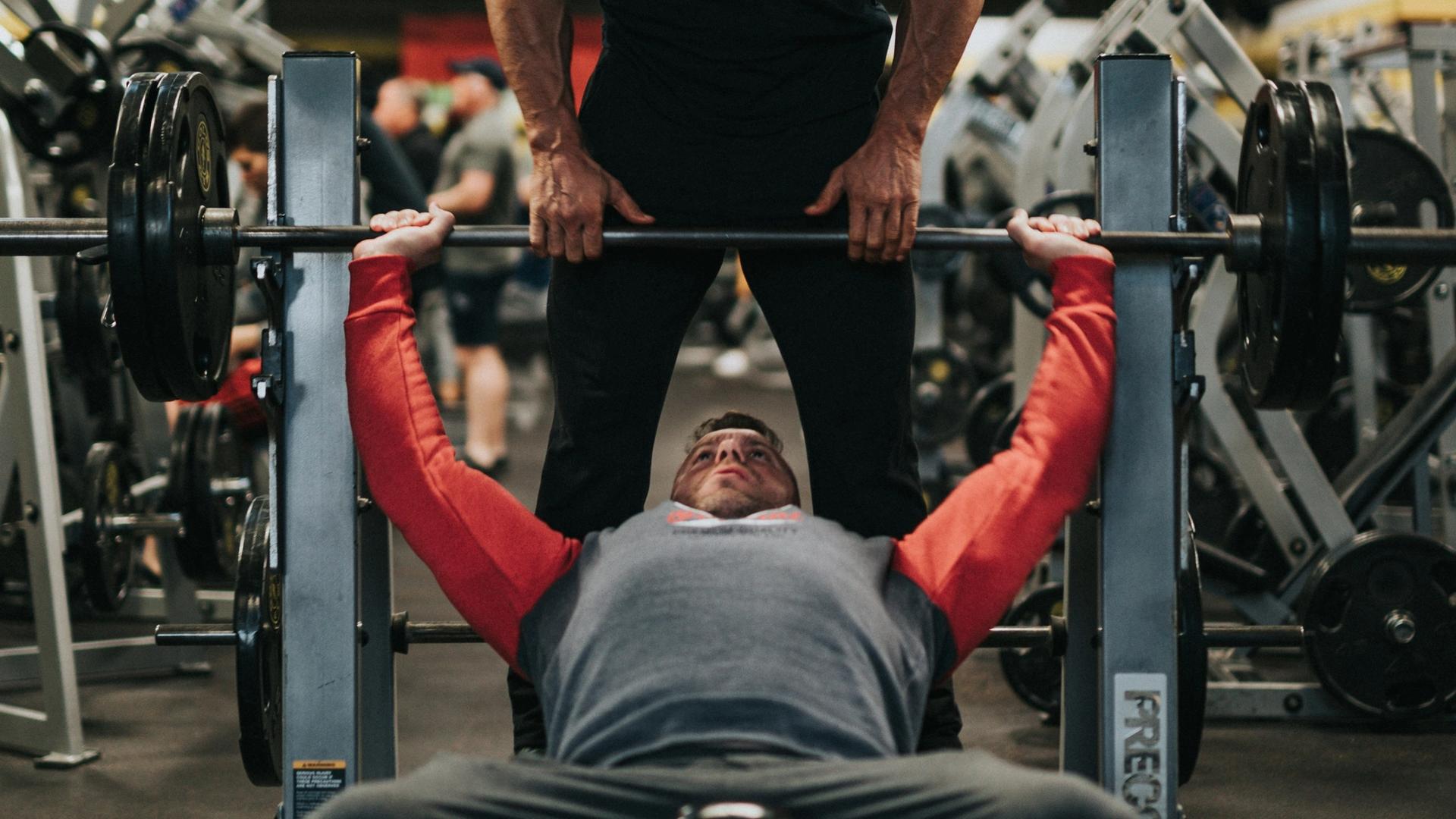
Two clients can work with personal trainers and still pay different rates. These six factors explain many of those differences.
1. How Often You Meet
Training frequency has a direct effect on your monthly bill. One coached workout each week will cost less overall than three or four.
That does not mean everyone should choose the smallest package. A beginner may want more help at first while learning exercises and getting used to a program.
Someone who already knows how to train may meet with a coach once a week and do other sessions alone.
Our guide to how often you should work out with a personal trainer explains how goals, experience, recovery, schedule, and budget can shape that choice.
2. How Long You Train
A 45-minute session may cost less than a 60-minute session. The right length depends on what needs to happen during the workout. Some clients can complete a focused strength session in 45 minutes. Others need more time because their workouts use more exercises, longer rest periods, or a slower pace.
Ask about session length when comparing prices. Two trainers may quote a similar rate for very different amounts of coaching time.
3. Where the Trainer Travels
Home training includes travel that a gym-based trainer may not have. Some providers build travel into the package. Others may charge more for long trips, parking, mileage, or locations outside their main service area.
Ask about this before you sign up. A lower advertised rate can become less appealing if extra travel charges are added later.
4. The Trainer’s Experience
A trainer who recently earned a general fitness certification may charge less than someone with years of experience and extra training in a specific area. That does not mean the more expensive coach is always the better choice. Focus instead on whether their experience fits your goal.
A beginner who wants general strength may not need the same coach as a competitive athlete. Pay attention to useful experience, not the length of someone’s credential list.
5. The Package You Buy
Larger packages may come with a lower rate per session. In return, you are agreeing to spend more money upfront or over a longer period. Before choosing one, ask how long you have to use the sessions.
Check what happens if you travel, become ill, need to pause training, or want to change your schedule. A lower rate will not save you money if you cannot use the sessions you bought.
6. Training Alone or With Someone
One-to-one training gives you the coach’s full attention. Training with a spouse, partner, or family member may use a different price structure. Partner sessions can sometimes lower the cost per person. You still get more personal attention than you would in a large fitness class.
The trainer should still adjust the workout for each person. Two people can have different strength levels, goals, and exercise experience even if they live in the same home.
Know What Your Fee Is Paying For

A straightforward in-home personal trainer cost should tell you more than the price of a single session.
Depending on the provider, your package may include:
- One-to-one coaching
- A workout plan built around your goals
- An initial consultation or assessment
- Progress tracking
- Form and technique feedback
- Portable equipment
- Trainer travel
- Workouts for days you train alone
- Scheduling support
- General nutrition guidance
At Svetness, our service can include private coaching, customized programming, general nutrition guidance, accountability, and ongoing support. Our trainers can also bring portable equipment to your home.
Ask for a simple breakdown before you pay. You should know what is included and what may cost extra.
Equipment May Already Be Covered
You do not need to build a home gym before your first session. Many mobile trainers bring equipment such as dumbbells, resistance bands, kettlebells, and mats. Bodyweight exercises can also be part of the program.
If you already own equipment, tell your trainer. A bench, adjustable dumbbells, treadmill, bike, or other gear may give them more options.
Wait until the program is clear before buying more. It is easy to spend money on fitness equipment that never becomes part of your workouts.
Check for Extra Fees
The session rate may not tell you the full price. Ask about possible charges for:
- Travel
- Parking
- Assessments
- Enrollment
- Equipment
- Cancellations
- Late schedule changes
- Package renewals
- Expired sessions
You should also ask if tax or other charges apply. The safest way to compare two trainers is to look at the total package. A low session price can lose its advantage once several extra fees are added.
Compare Home Training With Other Options

Price makes more sense when you compare the full service instead of a single number.
Gym Training Has Its Own Costs
A gym trainer may look cheaper at first, but you may also need to pay for access to the gym. That could mean a monthly membership, annual fee, parking, gas, or other travel costs. Some parents may also need childcare during the workout.
An in-home trainer removes some of those costs because the coach comes to you. When looking at in-home personal trainer cost beside a gym price, add up everything you would pay for each option.
Someone with a low-cost gym five minutes away may prefer staying there. Someone who spends 40 minutes getting to and from a gym may look at the numbers differently.
Time Can Change the Math
A 60-minute gym workout may take much longer than an hour. You might drive 20 minutes to the gym, spend 10 minutes parking and getting ready, train for an hour, then drive 20 minutes home. That turns one workout into close to two hours.
With home training, the session begins when your trainer arrives. You are already where you need to be when it ends.
That time savings can be useful for people with busy workdays, children, or other responsibilities.
Online Coaching Costs Less in Some Cases
Virtual training removes the trainer’s travel, so it may be priced differently. During a live video session, the trainer can watch you and give feedback through the camera. They cannot move around you and see an exercise from several angles as easily as they can in person.
App-based coaching gives you even less live contact. Our guide to online vs. in-home personal trainer coaching breaks down the differences between the two.
Online training may be a good fit when cost or location is the main concern. In-home coaching may be more useful if you want closer form feedback and face-to-face support.
Start your Svetness journey today
Get a free consultation and see how our trainers can transform your wellness journey.
Price Does Not Tell You Trainer Quality
A higher rate may reflect more experience or a larger service package. That does not always mean you are getting more value. Before paying more, ask what makes the trainer’s service different.
Check their certification, CPR/AED training, insurance, and experience with goals like yours. Ask how they plan workouts and track progress. Find out what happens during the first assessment and what support you receive between sessions.
A higher rate may make sense when you are getting more useful coaching. If the service looks the same as a cheaper option, ask what explains the difference.
Live Coaching Is Part of the Value
Many people are not paying a trainer because they cannot find exercises online. They are paying for someone to watch what happens during the workout. A trainer can correct your form, change an exercise, adjust the weight, and respond when something does not feel right.
A 2025 study compared people doing strength training with in-person coaching, app guidance, or a self-guided program. The supervised group completed the highest share of its planned workouts. All three groups got stronger, and the supervised group had larger gains in squat strength.
That does not mean everyone needs supervision. It does show why live coaching has a value beyond receiving a workout plan.
Spend Less Without Losing All Coaching
Private training does not have to mean working with a trainer every time you exercise.
Use One Session as Your Anchor
You could meet with a trainer once a week and complete other workouts on your own. For example, the coached session might focus on strength exercises that need more feedback. You could then walk, do cardio, or repeat simpler exercises on other days.
This setup may become easier once you know the movements and feel comfortable doing them alone. A beginner may want more coached sessions at first, then cut back later as confidence grows.
Beginners Can Start Small
You do not need to buy the biggest package on day one. Think about why you want a trainer. If you mainly need help learning exercises, you may benefit from more regular coaching for a short period.
If you mostly need accountability, one set appointment each week may be enough to keep the routine moving.
Choose a level of spending that you can keep up for more than a few weeks.
Pick a Budget Before a Package
Start with the amount you are comfortable spending each month. If your budget is $400 and a trainer charges a sample rate of $100 per session, you could afford about four sessions. That might mean one coached workout per week plus other exercise on your own.
At an $800 budget and the same sample rate, you could afford about eight sessions.
These numbers are examples, not package recommendations. Starting with your budget can keep you from buying more coaching than you can afford to use.
Decide if the Service Solves a Real Problem
Private coaching can be especially helpful when something keeps getting in the way of your workouts. You may see more value if you:
- Do not know how to plan your workouts
- Feel unsure about your exercise form
- Keep skipping the gym
- Have little time for travel
- Prefer working out away from crowds
- Find it hard to stay consistent alone
- Want workouts built around your goals
- Like having a set appointment
Our guide to know if a private personal trainer is worth the cost looks more closely at what one-to-one coaching can add.
If those are not problems for you, you may not need to pay for as much coaching.
Some People May Need Less Support
Personal training is not the only way to get fit. Walking, running, bodyweight exercise, recreational sports, low-cost gyms, and independent strength training can all support your health and fitness.
Experienced lifters who already know how to build a program may get less value from having someone at every workout. Your goal can also affect the choice. If you need heavy barbells or special machines, a full gym may be more useful unless you already have that equipment at home.
What to Compare When Looking at In-Home Personal Trainers
The cheaper option may look different once you compare the full service. One trainer may charge less per session but ask you to pay extra for travel or equipment. Another may include those costs in the rate.
Look at the session length too. A lower price may cover less coaching time, while a higher rate may include a longer session, progress tracking, or workouts for the days you train alone.
It is also worth checking the practical details before you decide. Ask about cancellation rules, package expiration, certification, and insurance. Comparing the full service makes it easier to see which trainer gives you the better fit for your budget.
Get These Answers Before You Pay
Make sure you understand the basic terms before you pay. Before buying a package, ask:
- What is the total price?
- How many sessions are included?
- How long is each session?
- What is the price per session?
- Is travel included?
- Does the trainer bring equipment?
- Are there assessment or enrollment fees?
- What happens if I cancel?
- Can I reschedule?
- Do sessions expire?
- Does the package renew on its own?
- Can I change trainers?
- What happens if my trainer becomes unavailable?
- Are workouts between sessions included?
- Can I change how often I train later?
What Should You Expect to Spend?

At Svetness, typical in-home personal training currently ranges from $65 to $120 per session. Your rate can vary based on how often you train, session length, location, package size, and the details of your plan.
Four sessions using that range would cost about $260 to $480. Eight would cost about $520 to $960. Twelve would cost about $780 to $1,440.
These numbers give you a starting point for understanding in-home personal trainer cost. The next step is to look at what the price includes and how much support you need.
Home coaching is rarely the cheapest way to exercise. You are paying for a trainer to come to you, build the program, coach the workout, and help you stay on track.
If that service fits your goals and budget, we can help you find a plan that makes sense for the way you want to train.
Book Your Free Svetness Consultation
FAQs
How much does an in-home personal trainer cost per hour?
Rates vary by provider, location, experience, and service. At Svetness, sessions typically cost $65 to $120. Check the session length because every appointment may not last a full hour.
How much does a personal trainer cost each month?
Your monthly spending depends on your rate and how often you train. At $65 to $120 per session, four sessions would cost about $260 to $480. Eight would cost about $520 to $960.
Does home training cost more than a gym?
It usually costs more than a basic gym membership because you are paying for personal coaching and travel. A gym may also charge membership fees, parking, and other costs on top of personal training.
Do trainers bring equipment to your home?
Many do. Svetness trainers can bring portable equipment for home sessions. Your workout can also use your own equipment or bodyweight exercises.
Can one personal training session a week be enough?
Yes, for some people. One coached session can work well if you are comfortable doing other workouts on your own. Beginners or people who want more direct support may benefit from meeting more often.
Start your Svetness journey today
Get a free consultation and see how our trainers can transform your wellness journey.